Breast cancer has touched all of us in this conversation personally. That matters because, while survival rates have improved, we cannot accept a future where invasive surgery, chemotherapy, radiation, lifelong medication, and fear are simply considered normal parts of women’s healthcare. Kristen Dahlgren and Dr. Kiran Dhillon sit down with Dr. Thais Aliabadi and Mary Alice Haney to discuss the future of treatment.
One in eight women will be diagnosed with breast cancer during her lifetime. Many will have no family history. Many will do everything “right” and still find themselves navigating a diagnosis. We need better ways to detect cancer early, prevent it from returning, treat it with less damage to the body, and ideally stop it before it ever begins.
That is why breast cancer vaccines are so exciting. They are not science fiction. Several are already in phase two clinical trials. They are not available as standard care yet, and they need careful testing, funding, and time. But the research underway offers real hope that we can teach the immune system to recognize cancer and respond before the disease takes more from us.
Table of Contents
- How Breast Cancer Survivorship Became a Mission
- How Breast Cancer Vaccines Work
- Where Breast Cancer Vaccine Research Stands Today
- Why Funding Is the Bottleneck
- Personalized Vaccines and Off-the-Shelf Vaccines
- Prevention Is More Than a Family History
- Inflammation, Weight, and Future Prevention Research
- How We Can Help Move the Science Forward
- FAQ
- A Future Worth Funding
How Breast Cancer Survivorship Became a Mission
What brought us to the work of cancer vaccines?
Kristen Dahlgren: We came to this work from two very different places, but both paths were deeply personal. We were a longtime journalist and medical reporter, not someone expecting breast cancer to become our life’s mission. Then, in 2019, we were diagnosed after our cancer was missed on a mammogram. Four months later, we had a diagnosis.
That experience pushed us into advocacy. We began with a simple message: know your body. A mammogram is important, but it is not the only way cancer can be found. Through advocacy, we learned about the breast cancer vaccine research being developed at the University of Washington and the Cancer Vaccine Institute. It was astonishing. We had reported medical news for NBC, including for the Today Show and Nightly News, and we had never heard that breast cancer vaccines were being developed.
The science felt hopeful, urgent, and too important to remain unknown. Eventually, we left journalism to help move cancer vaccines toward broader clinical testing and, ultimately, into care for the people who need them.

Dr. Kiran Dhillon: We had spent much of our scientific career working in breast and ovarian cancer research, including chemotherapy resistance. Then, at age 37, we were diagnosed with breast cancer ourselves. It was surreal to have colleagues become our doctors.
That experience changed our relationship to the work. We wanted to become more active in advocacy and help advance research for women’s cancers. We later joined the Cancer Vaccine Institute with Dr. Nora Disis as breast and ovarian cancer vaccine research was progressing.
At first, we wondered what it would feel like to live with cancer every day and work in cancer research every day. Instead, what we found was hope. Seeing immune responses, reviewing emerging results, and working with people determined to create better options has been incredibly motivating.
Why is this work so personal for all of us?
Kristen Dahlgren: Breast cancer is everywhere. In this conversation alone, three of the four women present had been diagnosed. That is not unusual. We have normalized knowing a friend, sister, mother, daughter, coworker, or neighbor who has had breast cancer.
But we should challenge that normalization. Yes, treatments save lives. Yes, we are grateful for chemotherapy, radiation, surgery, hormone therapy, and every advance that has helped people survive. Still, surviving does not mean the experience is easy or that we should stop seeking better options.
We can hold both truths: existing treatment is lifesaving, and we need less damaging, more effective, more preventive approaches.
How Breast Cancer Vaccines Work
Are cancer vaccines similar to HPV and hepatitis B vaccines?
Dr. Kiran Dhillon: The fundamental idea is familiar. We already use the HPV vaccine to help prevent cervical, anal, and throat cancers, and the hepatitis B vaccine helps prevent liver cancer. Breast cancer vaccines work differently in their targets and use cases, but they share the key concept of teaching the immune system what to recognize.
With breast cancer vaccines, we train immune cells to recognize proteins associated with cancer cells as foreign and dangerous. The goal is to create an immune memory that persists after a tumor is gone. If cancer cells emerge or return later, the immune system has a better chance of sounding the alarm and mounting a response.
Instead of waiting for cancer to grow, spread, or recur before acting, the hope is to equip the immune system with information that helps it respond sooner and more precisely.
What exactly do these vaccines target?
Dr. Kiran Dhillon: Cancer cells can express certain proteins at unusually high levels. Some of those proteins help drive the development, growth, progression, spread, and treatment resistance of cancer. The vaccines in development are designed to direct the immune system toward those cancer-driving proteins.
HER2 is one important example. HER2-positive breast cancers have high levels of the HER2 protein. A vaccine can be designed specifically to help immune cells recognize HER2.
But cancer is not usually driven by a single protein. That is why research has expanded into multi-antigen vaccines, which target multiple cancer-associated proteins at once. This broader approach may help address the complex biology of breast cancer.

What is STEMVAC, and why does it matter for triple-negative breast cancer?
Dr. Kiran Dhillon: Triple-negative breast cancer does not overexpress estrogen receptors, progesterone receptors, or HER2. It can be aggressive, and it does not have the same hormone or HER2-directed treatment options used for other breast cancer subtypes.
Researchers identified proteins associated with cancer stem cells, which are a smaller population of cells that can contribute to tumor growth, metastasis, and drug resistance. Five proteins found across many patients and cancer types were incorporated into a vaccine called STEMVAC.
STEMVAC is being studied in triple-negative breast cancer and ER-positive breast cancer. It is also being studied in non-small cell lung cancer. The central idea is to help the immune system recognize cells that can hide, persist, drive spread, and contribute to cancer returning years later.
For people with hormone receptor-positive breast cancer, STEMVAC may also have a role. Research teams are working toward studies in metastatic disease while continuing to explore where these vaccines can have the greatest impact.
Where Breast Cancer Vaccine Research Stands Today
Are breast cancer vaccines already in clinical trials?
Dr. Kiran Dhillon: Yes. There are three breast cancer vaccines in phase two clinical trials. The early work has focused on recurrence prevention in people who had breast cancer, completed treatment, and had no evidence of disease. After vaccination, researchers follow patients over many years to understand safety, immune response, and outcomes.
There are also studies exploring whether vaccines can enhance active treatment. In one approach, patients receive a vaccine while undergoing treatment before surgery, which is called the neoadjuvant setting. The long-term goal is prevention: reaching people at elevated risk because of genetic mutations, DCIS, or certain precancerous findings identified through breast imaging.
Clinical development has to be deliberate. A vaccine must first show safety, then evidence of effectiveness, and then be tested in larger populations. The process is essential because patient safety has to be the priority.
What have the early HER2 vaccine studies shown?
Dr. Kiran Dhillon: One large phase one study enrolled 66 people with advanced stage three and stage four HER2-positive breast cancer. These patients received a DNA vaccine targeting HER2, with three vaccinations given one month apart. Researchers then followed them over time to examine safety, immune responses, and survival.
The results are encouraging, though it is important to remember that phase one studies are early studies and are not the same as final proof of a treatment’s effectiveness. The vaccine was generally very well tolerated. About 98% of participants experienced minor effects similar to what can occur with flu or COVID vaccines, such as arm redness, and these effects typically resolved within several days.
For the best dose studied, 85% of patients were alive 10 years later. These were patients with advanced HER2-positive breast cancer, where median survival had been expected to be about four and a half years. Even among the other dose groups, 75% were alive at 10 years.
Researchers also measured HER2-specific T cells in blood samples collected before vaccination and at later intervals. These immune responses were sustained, demonstrating that the immune system could be trained to recognize the vaccine target over time.

Do patients receive booster doses?
Dr. Kiran Dhillon: The earlier HER2 study used three doses over three months. Newer study designs include boosters at six and nine months. For people with active metastatic disease, studies may use more frequent boosters because tumor burden is higher.
We are still learning the best timing, dosing, patient populations, and combinations with existing treatment. That is exactly why clinical trials are needed.
When could the first breast cancer vaccine be approved?
Dr. Kiran Dhillon: We hope the first vaccine could receive FDA approval within five to eight years, provided research has the support needed to complete trials. We cannot shortcut safety or the need for long-term follow-up. But we can move more quickly by funding multiple research questions at the same time.
Rather than studying one narrow question, waiting years, and then starting another study, we can build coordinated trials that examine different populations and settings simultaneously. We learned during the COVID-19 vaccine effort that focused resources and collaboration can accelerate research without abandoning scientific rigor.
Why Funding Is the Bottleneck
If the science is so promising, why are vaccines not available already?
Kristen Dahlgren: The major barrier is funding. The science exists. The researchers exist. Hospitals, academic institutions, and pharmaceutical companies are willing to collaborate. But clinical trials are extraordinarily expensive.
Even a relatively small study with roughly 25 to 30 patients can cost close to $3 million. As research advances to larger phase two and phase three studies, costs rise quickly because those studies need hundreds or more participants to demonstrate safety and effectiveness convincingly.
The estimate discussed for advancing a broad portfolio of cancer vaccine research is about $1 billion. That sounds like a tremendous number, but breast cancer treatment costs about $29 billion annually. Accelerating vaccines could be an investment in preventing suffering, reducing treatment burden, and changing what is possible around the world.
What is the Cancer Vaccine Coalition trying to change?
Kristen Dahlgren: We are building a coalition of leading scientists and advocates working across institutions. Researchers involved with the coalition include people from the University of Washington, MD Anderson, Dana-Farber, Cleveland Clinic, and the University of Pennsylvania, among others.
Some are researching personalized cancer vaccines. Others are developing off-the-shelf vaccines. The point is not that one strategy must win over another. Both may have a place, and both deserve the support to answer the questions that matter.
We do not need to wait 20 or 30 years and accept that pace as inevitable. We can decide that losing thousands of women and men every year is not acceptable. We can organize research, resources, philanthropy, corporate support, and public awareness around the goal of getting the best science through trials faster.
Personalized Vaccines and Off-the-Shelf Vaccines
What is the difference between a personalized cancer vaccine and an off-the-shelf vaccine?
Dr. Kiran Dhillon: Personalized vaccines begin with an individual patient’s tumor. Scientists sequence the tumor, identify mutations and new proteins created by those mutations, and use that information to create a vaccine tailored to that person’s cancer.
Personalized vaccines are being studied in cancers such as pancreatic cancer, colorectal cancer, and melanoma. In the United Kingdom, national trials are exploring cancer vaccines at a significant scale, including 10,000 vaccines across several cancer types.
Off-the-shelf vaccines target proteins commonly expressed at high levels across many patients with a particular cancer subtype. Because they are not custom-made for one person, they could potentially be used more broadly, more quickly, and at lower cost. That also makes them appealing for prevention studies.
Both models are important. Personalized vaccines may be especially useful when a tumor has many mutations that offer clear targets. Off-the-shelf vaccines could create a scalable option for patients who share a disease subtype or risk profile.
Why has breast cancer been overlooked in some cancer vaccine programs?
Kristen Dahlgren: One painful answer is that people sometimes say breast cancer already has “good treatments” or high survival rates. But this perspective can erase the real cost of survival.
We may be alive after chemotherapy, radiation, and double mastectomy. We may have made it through surgery after surgery. We may have endured endocrine therapy and years of uncertainty. But no one should suggest that these experiences make better options unnecessary.
Early-stage breast cancer can still mean a year of surgery, chemotherapy, radiation, recovery, body changes, and emotional trauma. Mastectomy can be the right decision and can save lives, but it is a major amputation. We should never become so accustomed to the treatment burden that we stop reaching for ways to prevent it.
Prevention Is More Than a Family History
Why is knowing our breast cancer risk so important?
Dr. Thaïs Aliabadi: We need to shift toward prevention. Too often, our healthcare system waits until illness is fully developed and then treats it. We need to identify risk earlier, educate people, and give them meaningful options.
Every woman should know her lifetime risk of breast cancer as easily as she knows her date of birth. Family history matters, but a lack of family history does not mean there is no risk. Most women diagnosed with breast cancer do not have a relative with the disease.
Less than 5% of breast cancers are linked to an inherited mutation such as BRCA or PALB2. That is why we cannot allow the phrase “it does not run in my family” to create false reassurance.
Understanding family history, personal health history, breast density, prior biopsies, and genetic risk can help guide screening and prevention discussions. For a deeper look at inherited cancer risk and what genetic testing can reveal, visit our guide to genetic testing for cancer.
What can dense breasts mean for early detection?
Kristen Dahlgren: Our cancer was missed on a mammogram. We later noticed a dent in the breast, even though we had received a mammogram only months earlier. We remembered reporting that not every breast cancer presents as a lump. That knowledge prompted us to get the change checked.
By the time of diagnosis, the cancer was stage two with lymph-node involvement. That experience is why body awareness matters. A new dent, skin change, nipple change, swelling, persistent pain, or any other unusual change deserves medical attention.
Dense breast tissue can make cancer more difficult to identify on a mammogram. A dense-breast notification should lead to a conversation about individual risk and whether additional screening may be appropriate. Learn more about what breast density means after a mammogram in our article on breast density notifications and supplemental screening.
Are preventive vaccine studies being considered for people with BRCA mutations?
Kristen Dahlgren: Yes. Clinical trials are already underway for healthy women with BRCA mutations at institutions including Cleveland Clinic and the University of Pennsylvania. These studies are exploring whether vaccines can prevent disease before it begins in people with known hereditary risk.
This is where the future becomes incredibly compelling. Instead of asking only how we treat cancer after diagnosis, we can ask how we identify higher-risk groups, protect them earlier, and potentially prevent cancer from developing at all.
Inflammation, Weight, and Future Prevention Research
Could vaccines eventually target inflammation linked to cancer risk?
Dr. Kiran Dhillon: One emerging area of research is inflammation from fat tissue. This inflammation is associated with increased risk for breast cancer, endometrial cancer, hypertension, and diabetes.
Researchers are developing a vaccine approach intended to suppress that inflammatory immune signature. Weight loss can be important for health, but the immune signature of inflammation may persist even after weight changes. The goal is not to replace weight management, but to potentially provide an additional strategy that addresses the inflammatory pathway itself.
This work remains in preclinical research, meaning it has not yet moved into clinical trials. Still, it shows how cancer vaccine technology may someday be used not only to target tumors, but to address risk factors that contribute to cancer development.
How We Can Help Move the Science Forward
What can we do right now?
Kristen Dahlgren: Awareness is the first step. People cannot advocate for research they do not know exists. We can share this information in our communities, speak honestly about breast cancer’s physical and emotional cost, and challenge the belief that current treatment alone is enough.
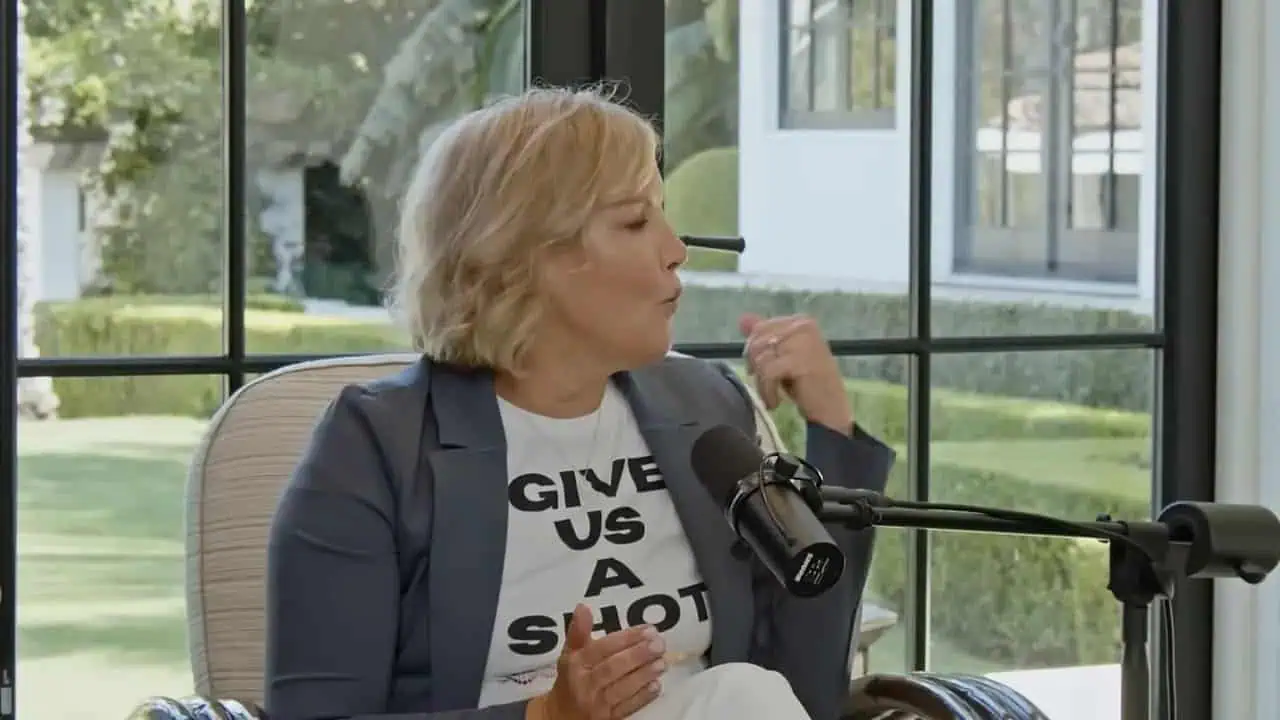
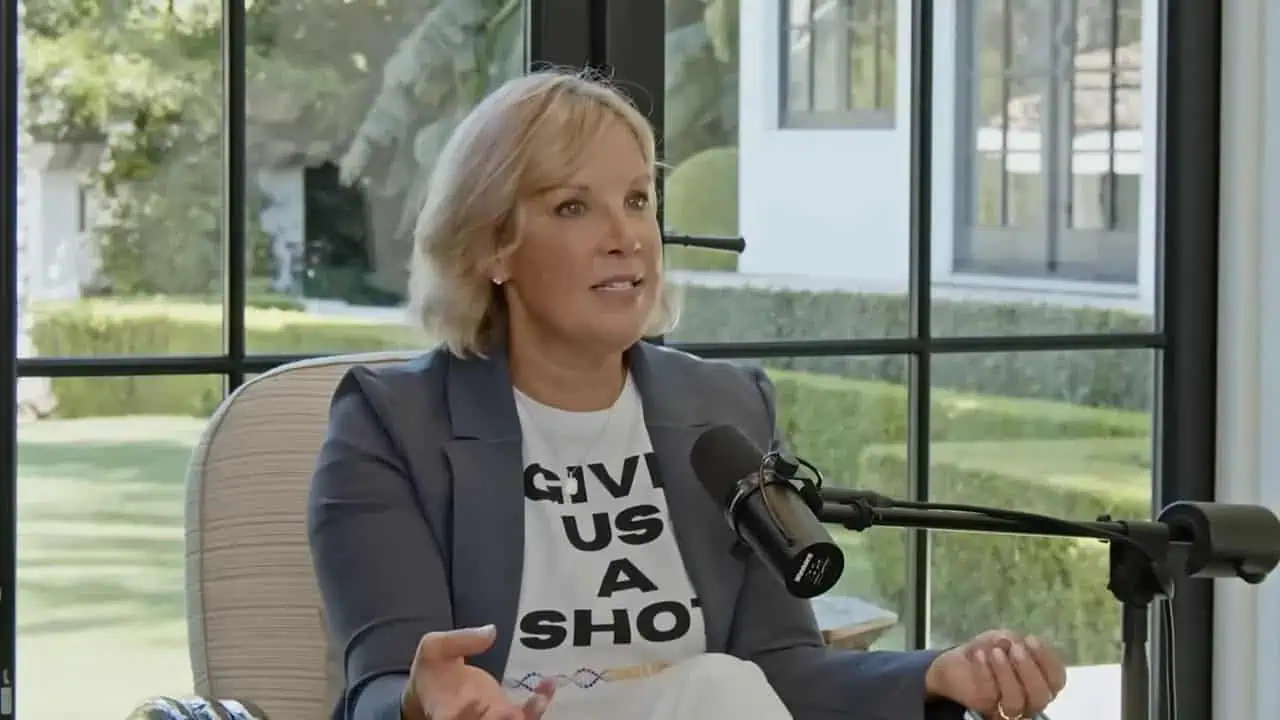
The Cancer Vaccine Coalition is also launching the Give Us a Shot campaign. The campaign is about more than the physical vaccine. It asks what we deserve a shot at in life: seeing a child grow up, attending a graduation, getting married, building a career, traveling, becoming a grandparent, or simply living without the fear of recurrence.
Funding is also essential. Donations, corporate partnerships, philanthropists, volunteers, and advocates all have a role. Scientific breakthroughs do not move from a laboratory to patients through hope alone. They move through rigorous research, participation in trials, collaboration, and sustained investment.
We can support the science while remaining clear-eyed: not every vaccine candidate will make it through phase three or receive approval. But if we do not fund and advance these trials, none of them can succeed.
FAQs
Are breast cancer vaccines available to the public now?
No. The breast cancer vaccines discussed here are in clinical development, including phase two trials. They are not standard treatment or prevention options at this time.
Can a breast cancer vaccine prevent recurrence?
Preventing recurrence is one of the major goals being studied. Early research has examined vaccines in people treated to no evidence of disease, followed over many years to assess immune response and cancer outcomes.
What breast cancer types are being targeted by vaccine research?
Research discussed includes vaccines for HER2-positive breast cancer, triple-negative breast cancer, and ER-positive breast cancer. Scientists are studying both single-target and multi-antigen approaches.
Are vaccine side effects severe in the early studies?
In the HER2 DNA vaccine study described, side effects were generally minor and similar to common vaccine effects, such as redness at the injection site. Safety continues to be evaluated carefully in every stage of research.
Does no family history mean we are not at risk for breast cancer?
No. Most women diagnosed with breast cancer do not have a family history of the disease. Family history is important, but it is only one part of evaluating individual risk.
What should we do if we notice a breast change after a normal mammogram?
We should contact a healthcare professional promptly. New lumps, dents, skin changes, nipple changes, swelling, or other unusual symptoms deserve evaluation, even after recent imaging.
A Future Worth Funding
We are not asking anyone to dismiss the treatments that save lives today. We are asking for more. More prevention. More informed screening. More attention to individual risk. More funding for clinical trials. More urgency around the possibility that the immune system can become a powerful partner in stopping cancer.
The real promise of cancer vaccines is not merely a new shot. It is a different way of thinking about breast cancer: intercepting it earlier, preventing recurrence, improving treatment, and eventually reducing the need for some of the life-altering interventions that have become far too familiar.
We deserve a future where breast cancer does not get to take so much from so many people. And that future is worth giving a shot.
Concerned About Your Health? Talk to Dr. Aliabadi
Dr. Aliabadi is an expert OB/GYN who is knowledgeable in all aspects of women’s health and well-being. Dr. Aliabadi and her caring, supportive staff are available to support you through PCOS, endometriosis, menopause, childbirth, infertility, or routine gynecological care. We invite you to establish care with Dr. Aliabadi. Call us at (844) 863-6700 or
This article was created from the video New Vaccines Could Stop Breast Cancer Kristen Dahlgren & Dr. Kiran Dhillon | SHE MD for Dr. Thais Aliabadi’s website.