Perimenopause can affect far more than periods. Sleep disruption, anxiety, brain fog, painful sex, unexpected changes in body composition, and changing moods can all occur before menstrual cycles become irregular or hot flashes begin. This often confusing transition deserves thoughtful, individualized care rather than dismissal.
In this interview, Dr. Mary Claire Haver joins Dr. Thais Aliabadi and Mary Alice Haney to explore what perimenopause is, why symptoms can start in the late 30s or early 40s, how hormone changes affect the brain and body, and which conversations are worth having with a qualified clinician.
Table of Contents
- Understanding Perimenopause
- Perimenopause Symptoms Beyond Hot Flashes
- How Perimenopause Is Diagnosed
- Hormone Therapy During Perimenopause
- Vaginal and Urinary Symptoms in Perimenopause
- Bone, Muscle, Weight, and Cardiometabolic Health
- Common Perimenopause Mistakes to Avoid
- Preparing for a Perimenopause Appointment
- Key Takeaway
Understanding Perimenopause
What is perimenopause?
Perimenopause is the hormonal transition leading up to menopause. Menopause itself is reached after a person has gone 12 consecutive months without a menstrual period. Perimenopause can last roughly seven to 10 years, although the timing and symptom pattern vary widely.
We are born with a finite ovarian egg supply. Over time, the ovaries become less responsive to hormonal signals from the brain. Ovulation becomes less predictable, and estrogen and progesterone no longer follow the steady, familiar cycle many people experienced earlier in reproductive life.
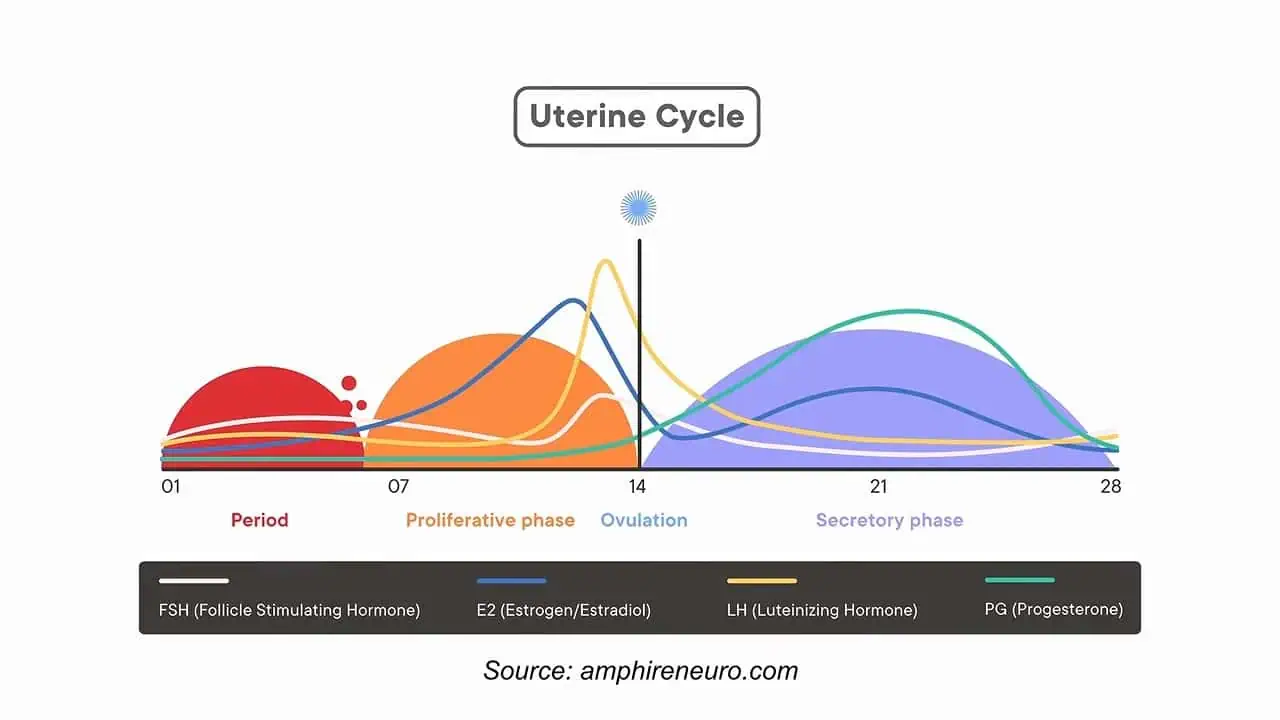
The key point is that perimenopause is not always a smooth downward slope in hormones. It is often marked by significant fluctuation. Estrogen may rise unusually high at times, while progesterone may not rise consistently because ovulation is becoming less reliable. This unpredictability is why symptoms can feel sudden, confusing, and inconsistent from month to month.
Can perimenopause start while periods are still regular?
Yes. Regular periods do not rule out perimenopause. Changes in sleep, cognition, mood, vaginal comfort, or overall resilience may appear before obvious cycle irregularity. Hot flashes are common, but they are not required for perimenopause to be present.
This is one reason symptoms can be overlooked. Someone may still menstruate on a relatively predictable schedule yet feel unlike themselves. We should not assume that a regular cycle means hormone-related symptoms are impossible.
What is happening hormonally during the transition?
In a typical ovulatory cycle, the brain communicates with the ovaries through hormones including follicle-stimulating hormone, known as FSH, and luteinizing hormone, known as LH. The ovaries produce estradiol, and progesterone rises after ovulation.
As ovarian reserve declines, the brain may send stronger signals in an effort to stimulate ovulation. FSH can rise, and hormone patterns become irregular. Some cycles may involve unusual estrogen peaks, while progesterone production remains inadequate or absent. This hormonal variability can influence multiple systems because estrogen receptors are found throughout the body.
Perimenopause Symptoms Beyond Hot Flashes
What are the first signs of perimenopause?
There is no single universal first symptom, but many people notice changes involving the brain and sleep before they recognize menstrual changes. Common concerns include:
- Difficulty falling asleep or waking during the night
- Early morning waking, including waking around 3 a.m.
- Brain fog, word-finding difficulty, forgetfulness, or reduced concentration
- New anxiety, irritability, low mood, or emotional reactivity
- Lower stress tolerance
- Night sweats or hot flashes
- Heavier, lighter, more frequent, or less predictable periods
- Vaginal dryness, burning, irritation, or pain with sex
- Urinary urgency, frequency, leakage, or recurring urinary tract infections
- Body composition changes, particularly more fat around the midsection
- Joint symptoms, including shoulder pain or frozen shoulder
- Skin thinning or hair changes
Not every symptom is caused by perimenopause. Thyroid disease, anemia, sleep apnea, depression, autoimmune disease, medication effects, nutritional deficiencies, and other medical conditions can overlap with or worsen similar symptoms. A comprehensive evaluation matters.
Why does perimenopause cause brain fog and mood changes?
Sex hormones interact with neurotransmitters and brain systems involved in mood, memory, attention, emotional regulation, and sleep. When estrogen and progesterone fluctuate sharply, the brain may be especially sensitive to the change.
Brain fog in perimenopause can look like losing words, forgetting why we entered a room, struggling to stay organized, or needing more effort to focus. These experiences can be distressing, particularly for people who have always felt cognitively sharp.
Perimenopause-related brain fog is not the same as dementia. Still, new or severe cognitive symptoms should be discussed with a clinician, especially when they occur alongside depression, major anxiety, neurological symptoms, medication changes, or significant sleep problems.

Can perimenopause affect anxiety, depression, or ADHD symptoms?
Yes. Some people experience anxiety or depression for the first time during perimenopause. Others who previously did well with therapy or medication may find their symptoms changing. Existing ADHD symptoms may also feel harder to manage when sleep, estrogen levels, and emotional regulation shift.
We should avoid treating every mood change as “just hormones.” Mental health care remains essential, and therapy can be life-changing. At the same time, a full clinical conversation should consider hormonal transition, sleep quality, medications, personal history, and medical causes rather than automatically increasing psychiatric medication without assessing the wider picture.
If there are thoughts of self-harm, hopelessness, inability to function, or severe mood changes, urgent mental health support is needed. Perimenopause may be a contributing factor, but safety always comes first.
How Perimenopause Is Diagnosed
Do hormone tests diagnose perimenopause?
Usually, no single hormone test can reliably diagnose perimenopause. Hormone levels can change dramatically across a cycle and from one day to another. A “normal” result does not necessarily mean symptoms are unrelated to the transition.
Diagnosis is often clinical. A clinician considers age, symptoms, menstrual patterns, pregnancy possibility, medications, personal and family history, and other conditions that could explain the symptoms.
What should a thorough perimenopause evaluation include?
A useful assessment goes beyond ordering an estrogen level. Depending on symptoms and personal risk factors, a clinician may review:
- Menstrual history, bleeding pattern, contraception needs, and pregnancy plans
- Sleep quality and possible sleep apnea
- Mood symptoms, stressors, ADHD history, and current medications
- Sexual comfort, vaginal symptoms, urinary symptoms, and recurrent infections
- Complete blood count and metabolic testing
- Lipid testing, including discussion of ApoB and lipoprotein(a) where appropriate
- Vitamin D status and nutritional gaps
- Thyroid, autoimmune, or inflammatory screening when clinically indicated
- Bone health, fracture risk, exercise, and family history
- Cardiovascular risk factors such as blood pressure, cholesterol, sleep, and visceral fat
Symptoms can overlap. For example, low vitamin D, thyroid disease, anemia, sleep apnea, and perimenopause may exist at the same time. We do not need to choose one explanation prematurely.
Hormone Therapy During Perimenopause
Do we have to wait until menopause to start hormone therapy?
No. Hormone therapy may be considered during perimenopause for appropriate patients with bothersome symptoms. Treatment should be individualized, based on symptoms, health history, bleeding pattern, uterine status, cardiovascular risk, clotting history, cancer history, and contraception needs.
There is not one universal hormone therapy plan for all perimenopausal patients. The evidence base for treatment during this stage is still developing, and careful follow-up is important as symptoms and cycles evolve.
What is the difference between progesterone and estrogen treatment?
Progesterone and estrogen have different roles. In early perimenopause, declining or inconsistent progesterone may contribute to sleep problems and cyclical symptoms. Some clinicians may consider oral micronized progesterone for selected patients, either cyclically or continuously depending on symptoms and bleeding patterns.
Estradiol may be considered when symptoms such as hot flashes, night sweats, mood changes, or other estrogen-related concerns become significant. For people with a uterus who use systemic estrogen, endometrial protection is an important part of the treatment conversation.
Any regimen requires monitoring. Breast tenderness and unexpected bleeding can occur when hormone therapy begins. Persistent, heavy, or concerning bleeding should always be evaluated rather than assumed to be a normal effect of treatment.

Are estrogen patches different from birth control pills?
Yes. Menopause hormone therapy and birth control pills serve different purposes. Hormone therapy does not reliably suppress ovulation and is not contraception. Someone who can still ovulate can still become pregnant.
Combined hormonal contraception may be useful for people who need pregnancy prevention or who have heavy, irregular bleeding. It can also help manage symptoms for some patients. Menopause hormone therapy may be selected when contraception is not needed and symptom treatment is the primary goal.
The best option depends on priorities. A person managing debilitating bleeding may need a different plan from someone whose main concerns are night sweats, anxiety, or vaginal dryness.
How do oral estrogen and transdermal estrogen differ?
Systemic estrogen can be taken orally or through the skin, such as with a patch, gel, spray, or cream. Oral estrogen is processed through the liver first and may affect clotting factors. In people with a personal or family history of blood clots, thrombophilia, or other risk factors, clinicians may prefer a non-oral route.
Transdermal estradiol is often discussed because it avoids first-pass liver processing. However, treatment choice is still individualized. Cost, access, tolerance, medical history, and patient preferences all matter.
Are pellets, compounded hormones, and FDA-approved options the same?
No. Pellets are not the same as an FDA-approved estradiol patch, gel, or oral formulation. There is no FDA-approved estrogen pellet for women. Some compounded products also use estriol or estrone rather than estradiol, even though estradiol is the main estrogen produced by the ovaries before menopause.
Compounded treatment may have a role in limited circumstances, but it should not automatically be viewed as safer or more effective. When an FDA-approved formulation is available and appropriate, many clinicians prefer it because its dose and quality are more standardized.
For a deeper overview of treatment decisions, including transdermal estradiol, micronized progesterone, and individualized monitoring, see practical menopause care strategies.
Vaginal and Urinary Symptoms in Perimenopause
Can vaginal dryness begin before menopause?
Yes. Vaginal and urinary symptoms can begin during perimenopause, even for people who still have periods. Declining or fluctuating estrogen can affect the vulva, vagina, urethra, bladder, tissue elasticity, lubrication, mucus production, and the vaginal microbiome.
This group of symptoms is often called genitourinary syndrome of menopause, or GSM. Symptoms may include dryness, burning, irritation, itching, painful intercourse, urinary urgency, urinary frequency, recurrent urinary tract infections, burning with urination, and leakage.
These symptoms are common and treatable. They are not simply an inevitable part of aging that must be tolerated.

What treatments can help vaginal dryness and painful sex?
Options may include vaginal moisturizers, lubricants, local vaginal estrogen, and other individualized therapies. Local estrogen is designed to treat tissue in and around the vagina rather than provide systemic treatment for the entire body.
Vaginal estrogen may be available as a cream, tablet, suppository, or ring. Cream can be useful when symptoms affect the external vulvar tissues because it can be applied to the surrounding area. Rings can offer convenience but may be less accessible because of cost.
People with breast cancer, active cancer treatment, or a complex cancer history should make local estrogen decisions with their oncology and gynecology teams. Risk discussions should be individualized rather than based on a blanket assumption that every person with a breast cancer history has the same options.
For more information about symptoms, causes, and treatment approaches, visit this guide to vaginal dryness in menopause.
Bone, Muscle, Weight, and Cardiometabolic Health
Why is perimenopause important for bone health?
Bone loss can accelerate in the years before periods stop. This makes perimenopause a meaningful time to assess bone-health habits, risk factors, and whether bone density testing is appropriate.
Estrogen therapy can help reduce bone loss in appropriate patients, but it is only one part of the picture. Adequate nutrition, resistance training, weight-bearing activity, vitamin D assessment, fall prevention, and treatment of osteoporosis or osteopenia when needed all matter.
Learn more about risk factors, DEXA scans, prevention, and treatment in this resource on menopause, osteoporosis, and osteopenia.
What should we know about GLP-1 medications in perimenopause?
GLP-1 medications can be valuable for some people, but they should not be treated as a shortcut focused only on the number on the scale. Significant weight loss without adequate protein intake or resistance training can put muscle mass and bone health at risk.
If a GLP-1 medication is being considered, a responsible plan includes education about gastrointestinal side effects, adequate protein, resistance training, and periodic assessment of body composition when possible. A scale cannot distinguish fat loss from muscle or bone loss.
The priority should be function, strength, metabolic health, and long-term independence, not pursuing thinness at the expense of skeletal and muscular health.

Which lifestyle habits matter most during perimenopause?
There is no lifestyle plan that replaces medical care when symptoms are severe, but foundational habits support every treatment path. We should prioritize:
- Resistance training: Build and preserve muscle and support bone strength.
- Adequate protein: Especially important during weight loss or appetite changes.
- Fiber-rich foods: Nuts, seeds, legumes, fruit, and vegetables can support gut and cardiovascular health.
- Sleep protection: Address hot flashes, sleep hygiene, insomnia, and possible sleep apnea.
- Cardiovascular screening: Monitor blood pressure, lipids, and other risk factors.
- Stress support: Therapy, psychiatric care, social support, and practical boundaries can all be useful.
Are creatine, vitamin D, omega-3s, and magnesium necessary?
Supplements should fill real gaps, not replace food, exercise, sleep, or medical evaluation. Vitamin D is commonly assessed because levels may be low and vitamin D is relevant to bone health. High-dose vitamin D should be monitored because excessive intake can cause harm.
Omega-3 supplementation may be useful when dietary intake is low, but it is not necessary for everyone. Protein and fiber can often come from food, although supplements may help when needs are difficult to meet.
Creatine monohydrate is a commonly discussed supplement for muscle recovery and may be useful alongside resistance training. It is not a substitute for lifting weights, and creatine alone has not been shown to improve bone density.
Magnesium and low-dose melatonin are sometimes discussed for sleep, but insomnia deserves a full assessment. Hormonal symptoms, sleep apnea, anxiety, medications, alcohol, caffeine, and circadian rhythm can all contribute.
Common Perimenopause Mistakes to Avoid
What are the biggest mistakes people make when seeking perimenopause care?
Several patterns can delay helpful care:
- Waiting for hot flashes or missed periods. Symptoms can start earlier.
- Relying on one hormone blood test. Perimenopause is often diagnosed by the overall clinical picture.
- Assuming every symptom is hormonal. Thyroid disease, anemia, depression, sleep apnea, and other conditions need consideration.
- Ignoring vaginal and urinary symptoms. Dryness, recurrent infections, and pain with sex are medical concerns with treatment options.
- Using hormone therapy as contraception. Menopause hormone therapy does not prevent pregnancy.
- Choosing weight loss without protecting muscle and bone. Protein, strength training, and body-composition awareness matter.
- Accepting dismissal. Persistent symptoms that affect work, relationships, sleep, mental health, or quality of life deserve clinical attention.
Preparing for a Perimenopause Appointment
How can we advocate for ourselves at a medical visit?
A focused symptom record can make an appointment more productive. For two to three months, note period dates, bleeding changes, sleep quality, hot flashes, mood changes, urinary symptoms, vaginal symptoms, headaches, exercise, medications, and major stressors.
We can also bring a prioritized list of concerns. For example:
- “My periods are regular, but I am waking at 3 a.m. several nights each week.”
- “I have new anxiety and brain fog that are affecting my work.”
- “Sex has become painful, and I have recurrent urinary symptoms.”
- “My cholesterol has increased despite no major lifestyle change.”
- “I need pregnancy prevention as well as help for heavy bleeding and perimenopause symptoms.”
These details help a clinician distinguish patterns and create a plan that matches both symptoms and health priorities.
Key Takeaway
What is the most important thing to remember about perimenopause?
Perimenopause is a normal biological transition, but unnecessary suffering is not an obligation. Symptoms can affect the brain, sleep, mood, metabolism, bones, sexual health, and urinary health long before menopause is formally reached.
The most useful next step is not self-diagnosis or a one-size-fits-all hormone plan. It is a thorough conversation with a qualified clinician who listens, evaluates other possible causes, understands the full range of symptoms, and helps us weigh treatment options according to our individual history and goals.
Concerned About Your Health? Talk to Dr. Aliabadi
Dr. Aliabadi is an expert OB/GYN who is knowledgeable in all aspects of women’s health and well-being. Dr. Aliabadi and her caring, supportive staff are available to support you through PCOS, endometriosis, menopause, childbirth, infertility, or routine gynecological care. We invite you to establish care with Dr. Aliabadi. Call us at (844) 863-6700 or
Perimenopause FAQs
Can I be in perimenopause if my periods are still regular?
Yes. Sleep changes, brain fog, anxiety, vaginal dryness, and other symptoms can begin before periods become irregular.
Is brain fog during perimenopause permanent?
Brain fog is common during hormonal transition and is not the same as dementia. It can improve, but new, severe, or persistent cognitive symptoms should be evaluated by a clinician.
Does hormone therapy prevent pregnancy?
No. Menopause hormone therapy is not reliable contraception because it does not necessarily suppress ovulation.
Can perimenopause cause vaginal dryness and recurrent UTIs?
Yes. Estrogen changes can affect vaginal, vulvar, urethral, and bladder tissues, contributing to dryness, painful sex, urinary symptoms, and recurrent infections.
Should everyone take supplements during perimenopause?
No. Supplements should address identifiable needs and should not replace nutrition, resistance training, sleep care, or medical evaluation. Vitamin D and other supplements may be considered based on diet, symptoms, laboratory results, and individual risk factors.