Menopause is not a disease, a personal failure, or a test of how much discomfort we can endure in silence. It is a major hormonal transition, and far too many of us enter it with no language for what is happening in our bodies, no preparation, and sometimes no support from the very people meant to help us.
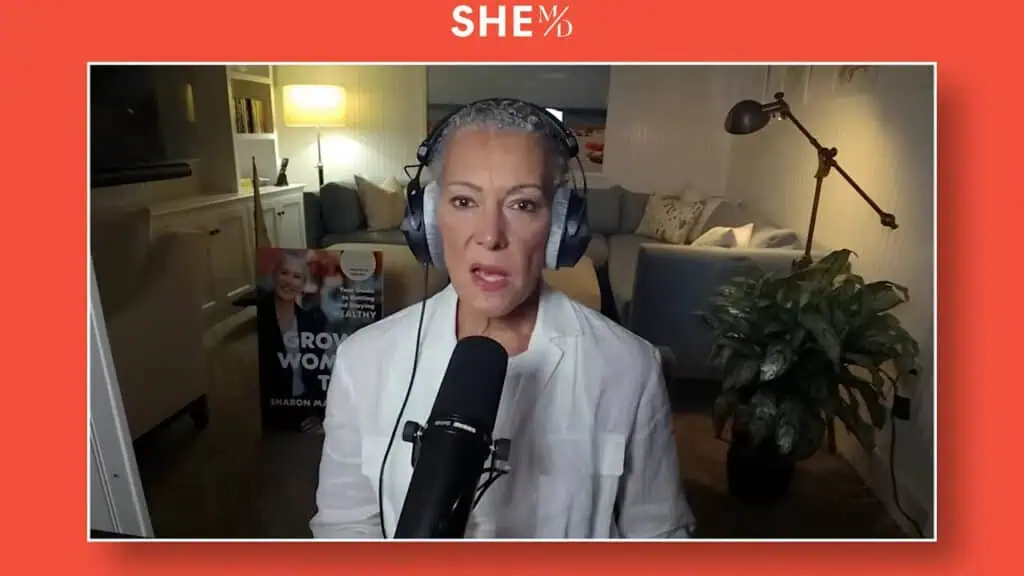
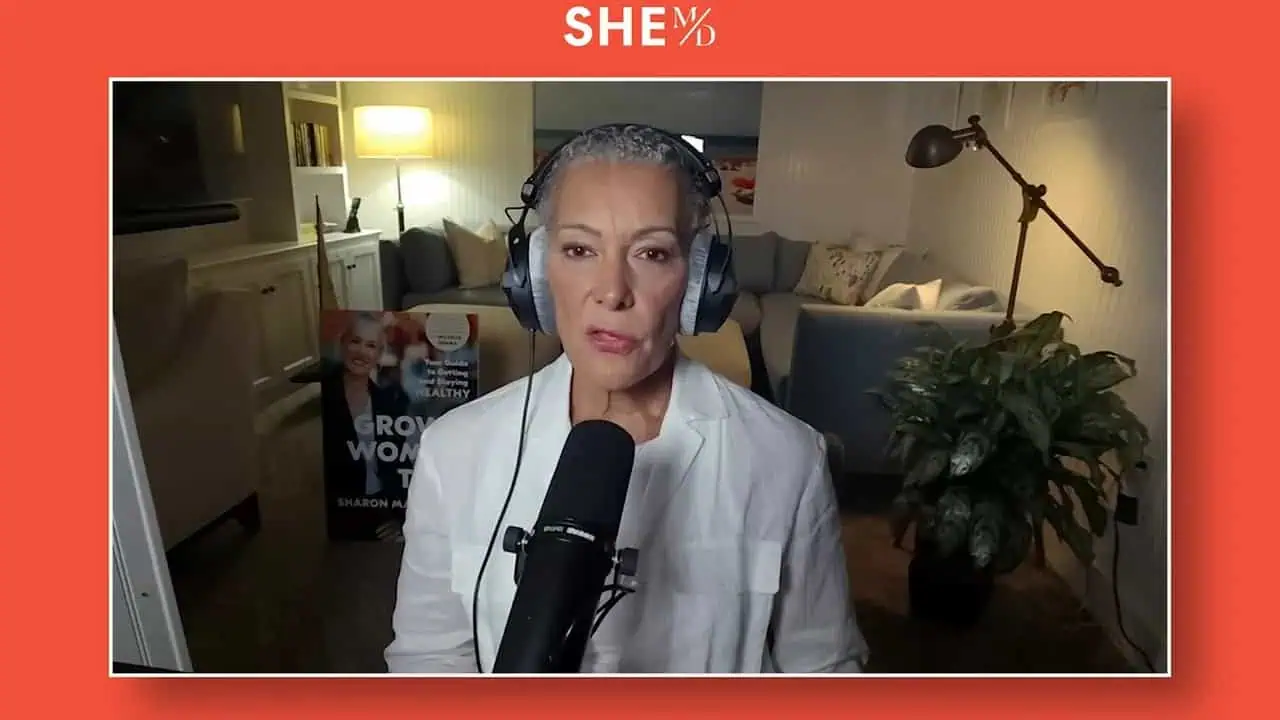
Dr. Thais Aliabadi and Mary Alice Haney spoke with Dr. Sharon Malone, a nationally recognized menopause expert, New York Times bestselling author, and Chief Medical Advisor at Alloy Women’s Health, about the hormone hacks every woman should know. The conversation covers the difference between perimenopause and menopause, how treatment decisions are made, why testosterone pellets deserve caution, and why we need to stop treating symptoms as something women simply have to tolerate.
Table of Contents
- Understanding the Menopause Transition
- When Symptoms Deserve Treatment
- Estrogen, Progesterone, and the Question of Timing
- Testosterone, Libido, and Why Pellets Require Caution
- Skin, Vaginal Health, and the Symptoms We Were Never Warned About
- Weight Changes, Muscle, Bone, and Brain Fog
- Access, Equity, and Becoming Our Own Health Advocates
- Practical Menopause Health Checklist
- Frequently Asked Questions
Understanding the Menopause Transition
What is the difference between perimenopause and menopause?
Dr. Sharon Malone: Menopause has a very specific medical definition. It is the point at which we have had our final menstrual period, confirmed only after we have gone 12 consecutive months without another period. The average age is about 51 to 51 and a half, but the actual range is broad.
Perimenopause is the transition leading up to that final period. It can begin four to 10 years before menopause. For many of us, that means symptoms may begin in our early to mid-40s, and for some women, even in their late 30s.
This is where confusion begins. We may still have regular periods and yet experience hot flashes, night sweats, vaginal dryness, sleep disruption, mood changes, anxiety, rage, brain fog, or unexpected changes in weight. We often think, “I am too young for this,” but hormone changes do not wait for a birthday or a final period to make themselves known.
Can perimenopause symptoms really start when periods are still regular?
Dr. Sharon Malone: Absolutely. This is one of the most important things to understand. The symptoms we associate with menopause can occur well before periods stop. A woman may have a monthly cycle and still be waking up drenched in sweat, losing sleep, feeling emotionally unlike herself, or struggling with painful sex.
Irregular bleeding can be an early sign as well. Cycles may come closer together, become unexpectedly heavy, or simply feel different from what we have always known. But we should never assume that heavy bleeding is “just menopause,” particularly after age 35. Heavy bleeding, bleeding with clots, or frequent bleeding deserves an evaluation that may include a pelvic ultrasound and an endometrial biopsy to assess the uterine lining.
Is pregnancy still possible during perimenopause?
Dr. Sharon Malone: Yes. Fertility decreases, but it does not disappear until menopause is established. A 42-year-old may not have the fertility she had at 32, but pregnancy is still possible. This is precisely why contraception remains a major consideration in perimenopause.
We cannot assume that missed or irregular periods mean we can no longer get pregnant. The story of an unexpected perimenopausal pregnancy is much more common than people think.
/
When Symptoms Deserve Treatment
Should we wait until symptoms become severe before seeking help?
Dr. Sharon Malone: No. We treat symptoms when they are bothersome to us. There is no prize for suffering, and there is no requirement that we wait until symptoms reach some imaginary threshold.
Many women have been conditioned to minimize what they are feeling. We may say, “It is only a hot flash,” or “I am probably just stressed,” even while we are losing sleep, struggling at work, avoiding intimacy, and feeling disconnected from our usual selves. The decision point is simple: if we need relief, we deserve a conversation about the options.
That is especially important because symptoms can affect more than comfort. Frequent hot flashes and disrupted sleep can lead to fatigue, less exercise, more alcohol or food used as coping tools, and a general decline in how we feel day to day. Hot flashes are not merely a punchline. They can have meaningful effects on our health and quality of life.
How do birth control pills differ from menopausal hormone therapy?
Dr. Sharon Malone: They are not completely separate universes. Both involve estrogen and a progestin or progesterone, but they are used differently depending on what we need.
Low-dose birth control pills may be especially useful during perimenopause when we need contraception or when irregular, heavy, or disruptive bleeding is a major concern. Menopausal hormone therapy is often considered when symptoms such as hot flashes and night sweats become the central issue, particularly as we get closer to menopause.
The choice comes down to the individual situation. If cycles are very heavy or unpredictable, menopausal hormone therapy may not adequately suppress bleeding. Adding estrogen in that situation can sometimes worsen the bleeding problem. Birth control pills may offer better cycle control for the right patient.
We also have options beyond those two broad categories. For some women who mainly need help regulating cycles, progesterone or progestin alone may be considered. But progesterone generally does not relieve hot flashes as effectively as estrogen.
What makes one hormone regimen better than another?
Dr. Sharon Malone: There is no universal right answer. We think about three practical factors: cost, convenience, and compliance. A treatment cannot help us if we cannot afford it, do not like using it, or cannot realistically use it consistently.
Hormones can be delivered in several forms, including pills, patches, creams, sprays, and rings. A treatment plan should reflect our symptoms, health history, bleeding pattern, contraceptive needs, personal preferences, and ability to sustain the plan.
This is the art of prescribing. Sometimes a treatment does not meet the goal, and that does not mean treatment has failed. It means we reassess and try another approach.
Estrogen, Progesterone, and the Question of Timing
Why do women with a uterus need progesterone with estrogen?
Dr. Sharon Malone: Estrogen is the primary hormone that treats many menopause symptoms, but for women who have a uterus, estrogen should be paired with progesterone or a progestin to protect the lining of the uterus.
We learned over time that taking estrogen alone with a uterus was associated with a higher incidence of uterine cancer. Progesterone helps prevent the lining from becoming overstimulated.
The simple version is this:
- If we have a uterus: estrogen generally needs to be paired with a progestin or progesterone.
- If we do not have a uterus: estrogen may be used on its own.
Some women also find that micronized progesterone taken at night improves sleep. If it helps us sleep, that can be a very useful part of a personalized plan.
Does hormone therapy have to be taken at the lowest dose for the shortest time?
Dr. Sharon Malone: That old message was not grounded in the science people often assumed it was. The idea of taking the smallest amount for the shortest period became a compromise after fear around hormone therapy became widespread.
The current understanding is more nuanced. Timing matters. For healthy women who are symptomatic and have no contraindications, starting hormone therapy earlier in the menopause transition is associated with more benefit and less risk than waiting years while symptoms continue untreated.
There is no automatic expiration date. Some women can continue hormone therapy long term as long as they remain healthy, feel well, are monitored appropriately, and do not develop a reason to stop.
Important reasons to reassess or avoid systemic hormone therapy may include a history of blood clots, heart attack, stroke, breast cancer, active liver disease, uncontrolled hypertension, or unexplained vaginal bleeding. These decisions should always be individualized with a qualified clinician.
Why are so many women still afraid of hormone therapy?
Dr. Sharon Malone: The Women’s Health Initiative, released in 2002, changed the conversation overnight. The results were broadly applied to women of every age and to all hormone formulations, even though the average participant in that study was 63 years old.
That overgeneralization led many women to believe estrogen was universally dangerous. But later analyses showed why age and timing matter. The data also helped clarify that women using estrogen alone after hysterectomy did not show an increased breast cancer risk in that study population. In fact, the findings included a lower risk of breast cancer and a lower risk of dying from breast cancer.
We must not make hormone decisions from headlines or old fear alone. We need an informed discussion about our own symptoms, medical history, risks, benefits, and priorities.
Testosterone, Libido, and Why Pellets Require Caution
What is testosterone actually approved to treat in women?
Dr. Sharon Malone: The recognized indication is hypoactive sexual desire disorder, meaning persistently low libido that causes distress. Testosterone is not a cure-all for every menopause symptom, every fatigue complaint, or every change in body composition.
One major challenge is that there is no FDA-approved testosterone product formulated specifically for women in the United States. Women typically need only about one-tenth of a standard male dose, which makes safe dosing more complicated.
Why should we be careful with testosterone pellets?
Dr. Sharon Malone: A pellet cannot be removed once it has been inserted. It may take three to six months to dissolve, so if the dose is too high or side effects occur, we cannot simply stop and reverse the exposure.
With a cream, gel, or tincture, we can adjust or stop treatment if testosterone levels rise above the normal physiologic range for women or if we develop symptoms such as acne or excess hair growth. Monitoring after treatment starts is important.
Pellets may also combine multiple hormones, and compounded formulations can have dosing variability. Compounding can be useful in situations where commercially available products do not meet a woman’s dosing needs, but we should understand what we are taking and why.
We should not accept male-range testosterone levels as a normal consequence of menopause care. Excessive levels can contribute to acne, unwanted facial or body hair, and significant hair loss.
Skin, Vaginal Health, and the Symptoms We Were Never Warned About
Can estrogen be used on the face?
Dr. Sharon Malone: Estrogen changes affect the skin too. We may notice thinning skin, dryness, reduced moisture, more visible veins on the hands, and changes in texture around the eyes and face.
Estriol is a weaker estrogen than estradiol and has been used in facial products historically. An estriol cream designed for the face uses a base intended for skin, which differs from the base used in vaginal products. The active ingredient matters, but the formulation matters too.
Research discussed by Dr. Malone found that the estriol face cream tested behaved similarly to vaginal estrogen in that it stayed primarily where it was applied rather than being systemically absorbed at meaningful levels. Still, every product and health history is different, so we should speak with a clinician before adding hormone-containing products to our routine.
What can help with vaginal dryness and painful sex?
Dr. Thais Aliabadi: Vaginal dryness can begin years before menopause, even in our 40s, as estrogen starts to decline. It can cause burning, irritation, pain with sex, and urinary symptoms. These are common, treatable medical symptoms, not something we should hide from partners or clinicians.
Local vaginal estrogen may be used before or after menopause and comes in several forms, including creams, tablets, and a vaginal ring that remains in place for 90 days. Options such as the MonaLisa Touch CO2 laser may also be considered for appropriate patients, but maintenance is still important.
For a deeper discussion of local treatment options, symptoms, and daily care, explore our resource on vaginal dryness during menopause.
Can vaginal estrogen also help urinary symptoms?
Dr. Thais Aliabadi: It can help some urinary symptoms because estrogen-related tissue changes affect the vagina and urethra. We generally see two broad patterns:
- Stress incontinence: leakage with coughing, sneezing, jumping, lifting, or exertion. Pelvic floor exercises may help, while severe cases may require procedural or surgical care.
- Urge incontinence: sudden urgency, frequency, nighttime urination, or difficulty holding urine when getting close to the bathroom.
For urgency, reducing caffeine, using timed urination every three hours, addressing vaginal dryness where relevant, and discussing prescription bladder medications can all be part of the plan. These symptoms are not identical, so they should not all be treated in exactly the same way.
Weight Changes, Muscle, Bone, and Brain Fog
Why does weight seem to shift toward the belly in menopause?
Dr. Sharon Malone: During the menopause transition, many of us lose muscle and gain fat, even if the number on the scale does not change dramatically. The fat increasingly accumulates around the midsection and internal organs, which is relevant because visceral fat is associated with cardiovascular disease and type 2 diabetes risk.
Is it menopause, aging, or both? It may be some of each. But the practical goal is to preserve muscle and address metabolic health early. Muscle is more metabolically active than fat, and estrogen may help support muscle maintenance.
We start with lifestyle measures such as exercise, nutrition, and cutting back on alcohol. GLP-1 medications can be effective, but they should be considered within an individualized medical conversation. Dr. Malone’s strongest prevention message is to begin thinking about body composition, strength, and health in our 30s and 40s, not only when weight becomes more difficult to shift later.
What should we know about bone health?
Dr. Thais Aliabadi: The greatest bone loss occurs in the first five years after menopause. Exercise throughout life helps us build bone, which matters when bone density begins to decline.
Family history, body size, and other health factors influence risk. A bone density scan can provide an important baseline around menopause. Learn more about prevention, DEXA testing, osteopenia, and osteoporosis in our guide to bone loss during menopause.
Is brain fog a real menopause symptom?
Dr. Thais Aliabadi: Very real. Forgetfulness, trouble focusing, losing our train of thought, and feeling as if a cloud has settled over the brain are common complaints. It can be unsettling enough that we worry about dementia or Alzheimer’s disease.
Brain fog has many possible contributors, including sleep loss, anxiety, stress, and hormonal change. For some women, estrogen therapy can help lift that fogginess. But new, severe, or concerning cognitive symptoms always deserve medical evaluation rather than self-diagnosis.

Access, Equity, and Becoming Our Own Health Advocates
Why is access to menopause care still so uneven?
Dr. Sharon Malone: Too many women seek help and are dismissed. Some are told they are simply anxious, too young for menopause, or not symptomatic enough to deserve treatment. This is exactly why education matters.
There are also significant racial disparities. Findings from the SWAN study, which followed a diverse group of women over time, showed that Black women tend to experience menopause symptoms earlier, more severely, and for longer. Yet they may be less likely to ask for treatment and less likely to be prescribed hormone therapy even when they do ask.
This is not only a menopause problem. It reflects broader inequities throughout medicine. Our goal must be to make sure every woman has access to accurate information, thoughtful options, and compassionate care.
What inspired Alloy Women’s Health?
Dr. Sharon Malone: Alloy was conceived by founders who had their own difficult experiences finding menopause care. One founder, who carries a BRCA mutation and chose to have her ovaries removed at age 40, spent years trying to find a clinician willing to prescribe appropriate treatment.
The question became obvious: if well-resourced women in New York City struggled to find help, what were women elsewhere supposed to do?
Alloy’s telehealth model was built around education and access. The goal is not to sell women something. The goal is to tell women something they may not know, explain their options, and provide science-backed solutions through care that is more convenient and financially accessible.
Practical Menopause Health Checklist
What are the key conversations we should have with our clinician in midlife?
Dr. Thais Aliabadi: Menopause care is not one patch for every symptom. We need to identify what is actually bothering us and address it thoughtfully. A useful midlife checklist includes:
- Discussing hot flashes, night sweats, sleep changes, mood changes, libido, pain with sex, bladder symptoms, migraines, hair loss, skin changes, and brain fog.
- Evaluating heavy, frequent, or unusual bleeding with appropriate testing rather than assuming it is perimenopause.
- Considering contraception if pregnancy is still possible.
- Checking bone density when appropriate and building a routine of weight-bearing exercise.
- Discussing cardiovascular health, including a coronary calcium scan by age 45 when appropriate for our risk profile.
- Beginning colorectal cancer screening discussions by age 45.
- Reviewing metabolic risk, hemoglobin A1C, insulin resistance, and family history of diabetes when weight changes become difficult.
- Seeking evaluation for migraines and headaches, particularly if they are new, changing, or severe.
For more information about hormone-related headaches and migraine patterns, visit our resource on perimenopause headaches and migraines.
Frequently Asked Questions
At what age does perimenopause begin?
Perimenopause may begin four to 10 years before menopause. For many women, symptoms start in the early to mid-40s, but some begin noticing changes in their late 30s.
Can we take hormone therapy while still having periods?
Yes. Treatment decisions depend on symptoms, bleeding patterns, contraceptive needs, and medical history. Low-dose birth control pills may be preferable when cycle control or contraception is needed, while menopausal hormone therapy may be appropriate in other situations.
Do we need progesterone if we use estrogen?
If we have a uterus, progesterone or a progestin is generally used with systemic estrogen to protect the uterine lining. If we have had a hysterectomy, estrogen may often be used without progesterone.
Are testosterone pellets safe for menopause symptoms?
Dr. Malone urges caution because pellets cannot be removed once inserted and may continue releasing hormones for months. Testosterone should be carefully dosed and monitored, especially because women need much lower doses than men.
Can menopause cause vaginal dryness and urinary urgency?
Yes. Declining estrogen can affect vaginal and urethral tissue, contributing to dryness, painful sex, urinary frequency, and urgency. Local vaginal estrogen and other individualized treatments may help.
Should we just push through menopause symptoms?
No. We should seek care when symptoms disrupt our comfort, sleep, work, relationships, or sense of well-being. We do not have to suffer in silence, and treatment should be tailored to the symptoms we actually have.
Medical note: This article is for educational purposes and is not a substitute for personal medical advice. Hormone therapy, abnormal bleeding, new migraines, urinary symptoms, and changes in mood or cognition should be discussed with a qualified healthcare professional who can review our individual history and risks.
Concerned About Your Health? Talk to Dr. Aliabadi
Dr. Aliabadi is an expert OB/GYN who is knowledgeable in all aspects of women’s health and well-being. Dr. Aliabadi and her caring, supportive staff are available to support you through PCOS, endometriosis, menopause, childbirth, infertility, or routine gynecological care. We invite you to establish care with Dr. Aliabadi. Call us at (844) 863-6700 or
This article was created from the video Hormone Hacks Every Woman Should Know with Dr. Sharon Malone | SHE MD for Dr. Thais Aliabadi’s website.