Molly Sims has lived many professional lives, from Kentucky college student to international model, actress, author, producer, podcast host, beauty founder, wife, and mother. But the through line has never been a perfect image. It has been resilience, curiosity, and the willingness to start again when a chapter no longer fits.
In this candid conversation, Molly talk with Dr. Thais Aliabadi and Mary Alice Haney about surviving impossible beauty standards, learning to trust the pivot, finding lasting love later in life, becoming our own health advocates, and building a skincare routine that supports the skin barrier instead of declaring war on it.
Table of Contents
- From Kentucky to the World
- Success Is Not One Straight Career
- Finding Love by Making Different Choices
- Pregnancy, Thyroid Health, and Becoming Our Own Advocate
- Why YSE Began With a Skin Barrier Problem
- Wellness Is About Lowering the Noise
- Friendship, Manifestation, and the Things That Actually Matter
From Kentucky to the World
You began in Kentucky and attended Vanderbilt. How did modeling enter the picture?
We did not grow up thinking, “Oh, we are going to be a model.” In eighth grade, when we got tall, people started suggesting it. We are almost 5’10”, and being tall in a small Kentucky town gets noticed. We even dipped a toe into the pageant world and won a local pageant in a very fabulous puff-sleeved, jeweled white dress. The French-braided, poofed hair was also a moment.
But pageants were not really our world. Modeling became real in college when a friend encouraged us to have photographs taken by Rick Day in Memphis. Those pictures made their way to New York. Our mother and we visited agencies over a summer break, just to see what could happen, and we signed with Next Models.
At the time, we thought we would take one semester away from Vanderbilt. We even wrote the school a sweet letter saying we had an opportunity and thought we might be able to make something of it. One semester became Germany, then two years in London, then years living in and out of Paris, with time in Italy along the way.
It was a massive education, perhaps the best education we could have asked for. It was also cold, lonely, challenging, and wildly different from college life. We had to learn how to navigate countries, languages, work, rejection, money, independence, and ourselves.
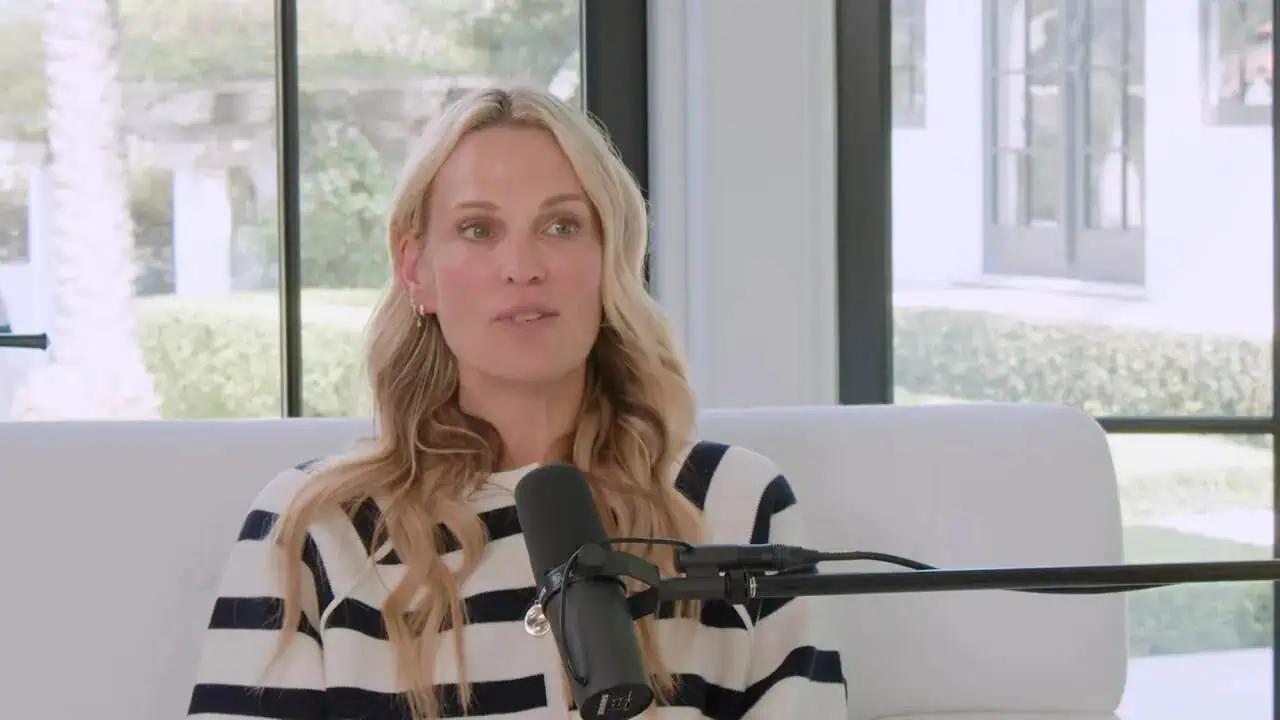
What was hardest about the early modeling years?
The shift was intense. Before modeling, our family cared about being healthy, but not being skinny. Those are two very different things. Suddenly, our body and appearance were being evaluated constantly, and at the time the industry favored a very narrow look. We were athletic and more of a catalog girl by nature, not naturally built for what was being demanded.
There was always some reason we could be ruled out: too blonde, too dark, too short, too tall, too muscular, not muscular enough, too thin, not thin enough. It can mess with our head when every job appears to be a referendum on how we look.
Still, that period built our armor. It taught us that external judgment is not the same thing as truth. It taught us how to move through a hard valley, climb back up the mountain, and go through the next valley without believing we were broken. Resilience became a real superpower.
We remember having almost no money in London and putting a dress from Joseph in South Kensington on layaway. We still have that dress. It reminds us that difficult seasons are not permanent, and that learning to make do can build strength we use for the rest of our lives.
Success Is Not One Straight Career
Your career expanded from modeling into television, acting, writing, producing, and entrepreneurship. What made you keep changing?
We do not believe women have only one chapter. That is the big thing. One door closes, another opens, and we have to be willing to get ourselves up and start over. Not everything will work. Some things will fail. But success is not never having a setback. It is learning to pivot when a plan no longer makes sense.
As modeling evolved, we leaned back into looking like ourselves rather than chasing an editorial image we thought we were supposed to become. We went from working in catalog and beauty to a Vogue cover, Sports Illustrated, House of Style, commercials, and eventually acting.
We were interested in storytelling. We loved putting things together and wanted to contribute more than just showing up at the end of the process holding a product. So we trained in the Sanford Meisner technique. For two years, while traveling between Europe and New York, we took dozens of red-eye flights to complete the course.
Then we auditioned for Las Vegas. It began as what was expected to be a small recurring role, but became a series regular role. That was exciting and terrifying because our modeling career was thriving. The lesson was that we cannot wait until every risk feels safe. We have to take the next opportunity while honoring the work that got us there.
What does pivoting look like in practical terms?
Pivoting does not always mean dramatically burning everything down. Often, it means doing a few things at once until something clicks. We may be parenting, building a business, learning a new skill, hosting a show, writing, or producing. We do not have to force ourselves into a single label.
We have become good at problem-solving because we have had to adapt. The goal is to stay flexible without losing our center. It is okay if the first version does not work. It is okay to adjust. It is okay to grow out of something that used to define us.
- Do not confuse a change in direction with failure. A pivot can be a strategic response to what we have learned.
- Keep developing skills. Training, reading, asking questions, and trying new formats create options.
- Leave room for unexpected opportunities. The career we imagine at 22 may not be the one that suits us at 35, 45, or beyond.
- Use the hard seasons. Rejection and uncertainty can strengthen our ability to recover and recalibrate.
Finding Love by Making Different Choices
You met your husband, Scott Stuber, later than you expected. What changed?
We met Scott when we were older, after years of travel, work, and relationships that taught us a lot. By then, we had begun to recognize certain patterns in ourselves. We had spent much of adulthood moving from country to country and job to job. We missed birthdays, weddings, funerals, friendships, and many grounding moments. Our parents and brother were our foundation, but the instability of that life made us search for security in relationships.
We tended to stay too long because we wanted an anchor. Through therapy and reflection, we had to ask a very direct question: why are we choosing the same kind of person again and again?
Scott was different. He was steady. He was busy, structured, and showed up when he said he would. A week before a date, he would make a plan, and then he would actually be there a week later. That sounded almost foreign when we were used to living much more spontaneously.

He was patient, too. We did not rush into pretending we had it all figured out. At one point, after a few months of dating, he gave us his favorite Lakers T-shirt for Valentine’s Day. For us, it carried real meaning. It was his way of saying we were moving toward something serious.
About a year to a year and a half later, we were engaged. We got pregnant on our honeymoon. It was not a long runway by traditional standards, but it was the right timing for us because we had done more of the internal work.
What is the biggest lesson about relationships?
We have to look inward and own our choices. It is not enough to say, “Why does this keep happening to me?” We have to ask what need, fear, or pattern keeps drawing us toward the same dynamic.
Therapy helped us take accountability. We had a tendency to want to rescue people, to believe that our light could make someone else’s darkness lighter. That may feel generous, but it is not a healthy foundation for a relationship. We cannot bring another person back to life through force of love. We need partnership, not a project.
We also do not need to settle because the calendar is moving. Our mother gave us a powerful gift by refusing to pressure us into that. She wanted us to find the right person, not simply find someone.
For more conversations centered on women’s health, relationships, advocacy, and life transitions, explore the SHE MD podcast collection.
Pregnancy, Thyroid Health, and Becoming Our Own Advocate
You have been open about a difficult postpartum health experience. What happened?
We had our first child in 2012, soon after getting married. The physical changes during pregnancy were hard emotionally because our career had revolved around what our body looked like. During the final months, we experienced severe swelling and rapid weight gain. We were uncomfortable and knew something did not feel right.
Eventually, we learned that hypothyroidism was playing a role. It was not identified until months after delivery. Once we had answers and treatment, the changes were dramatic. But the hardest part was feeling that something was wrong and not having clarity.
That experience made us relentless about asking questions and pursuing answers. It reminded us that pregnancy and postpartum changes deserve care, not dismissal. We do not have to accept feeling unwell simply because we have recently had a baby, are stressed, are aging, or look a certain way.
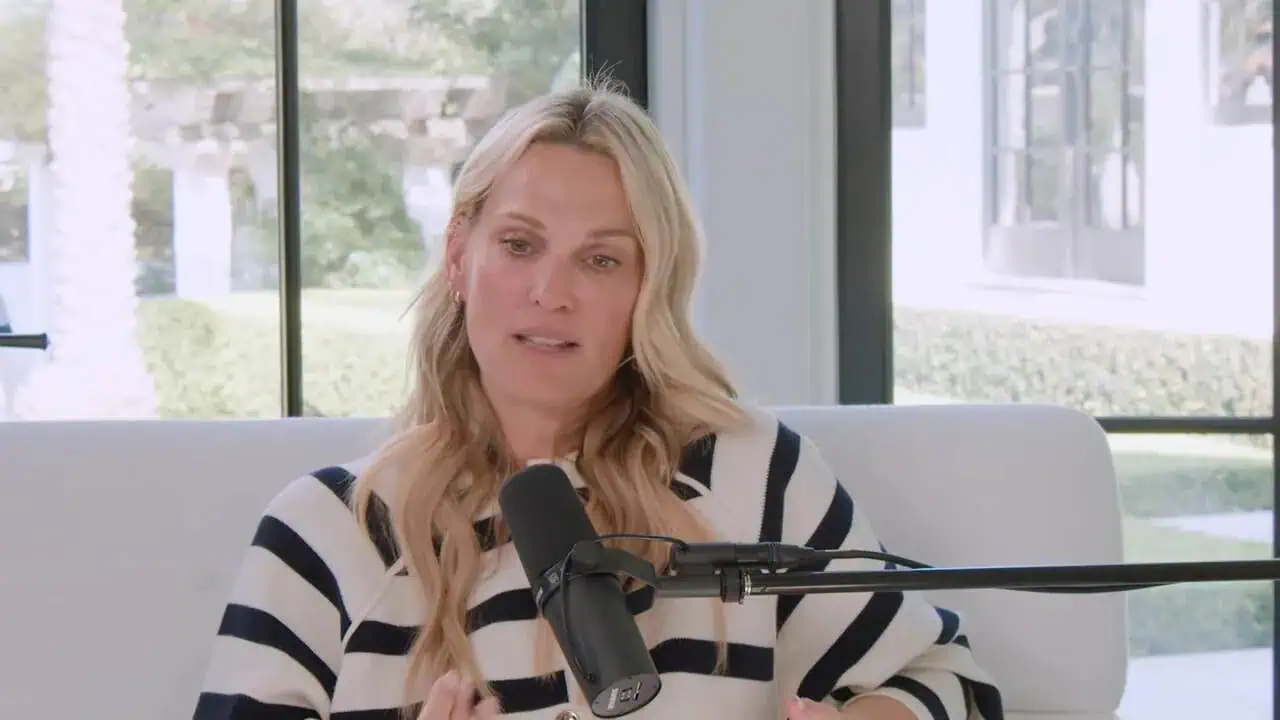
What does being our own health advocate actually mean?
It means knowing our baseline, keeping appointments, following up, and speaking up when something feels different. It means creating a yearly health checklist rather than leaving everything to chance. No one else can manage all of it for us.
Our individual plan should be discussed with our medical team, especially when we have symptoms, a personal history, or a family history. But the practical habits are simple:
- Schedule routine blood work when recommended by our clinician.
- Keep dental, primary care, and relevant specialty appointments.
- Know our family history and discuss it clearly.
- Ask about breast cancer risk assessment and recommended imaging.
- Track symptoms, cycle changes, medications, and questions before appointments.
- Seek another opinion if we still feel unheard or if concerns remain unresolved.
Breast screening is especially important to individualize. Mammograms, ultrasounds, and MRIs each have different roles based on risk and medical guidance. For a helpful overview of where breast ultrasound fits into screening, read this guide to annual breast ultrasounds.
We are not asking anyone to diagnose themselves online. We are asking all of us to pay attention to our bodies and bring real concerns to qualified professionals. That is how we move from fear to action.
Why YSE Began With a Skin Barrier Problem
How did your own skin lead to the creation of YSE Beauty?
After the thyroid issues, we developed uneven skin tone, hyperpigmentation, and melasma. We went down the aggressive treatment road: peels, lasers, hydroquinone, then repeat. A treatment might appear to improve things for a few months, but the cycle always came back.
The problem was that we were trying to brighten and exfoliate while damaging the skin barrier. Our skin became thinner, drier, redder, and more irritated. We might have fewer dark spots for a moment, but we did not have healthy, balanced skin.
Hydroquinone is a powerful skin-lightening active that is generally intended for limited use under professional guidance. We had used it off and on for years. By 2019, we stepped away from that cycle and began building a gentler, more consistent approach.
That became the foundation for YSE Beauty. We did not want formulas that were so aggressive they caused inflammation, and we did not want beautiful-looking products with no real efficacy. We wanted a streamlined system built around brightening, hydration, barrier support, and products people could actually use consistently.
What is the core skincare philosophy?
Consistency is the magic. More is not automatically better, and an expensive product does nothing if it lives untouched in a bathroom cabinet. We need strong, well-chosen basics that suit our skin and fit our real lives.
For us, the foundational principles are:
- Cleanse thoroughly but gently. Makeup, sunscreen, leftover skincare, and daily buildup need to come off, but skin should not feel squeaky, tight, or like sandpaper afterward.
- Exfoliate thoughtfully. We want to remove dull surface buildup without repeatedly stripping the barrier.
- Use brightening ingredients with balance. Brightening should support even-looking skin, not leave us red, dry, and reactive.
- Hydrate and protect the barrier. Ingredients such as glycerin, squalane, ectoin, beta-glucan, and gluconolactone can support a more cushioned feel.
- Wear sunscreen. If we use vitamin C in the morning, sun protection belongs in the routine too.
- Bring in actives intelligently. Retinol and other actives can have a place, but we need to pay attention to dryness, redness, and irritation.
Our brightening routine grew product by product: exfoliating pads, vitamin C, a glow product that layers with SPF, an evening brightening treatment, and a gentle retinol. It was designed to help skin look more even without relying on a constant cycle of overcorrection.
Why is the eye cream approach different?
The question was very simple: how do we make ourselves actually use eye cream? We created YSE Wide Awake Brightening Eye Cream to sit somewhere between skincare and a little immediate cosmetic help. It contains ingredients including rice bran extract, pomegranate, glycerin, vitamin C, antioxidants, and caffeine. The cold applicator is designed to feel refreshing, while the formula gives a brightening, blurring effect.
The key idea is that it is made to work across skin tones. The color visible at first is not necessarily the color that remains on the skin. Micro-pigments blend in as the product is worked in, leaving a more diffused appearance.
Skincare is personal, and we always need to introduce new products carefully. If we have a skin condition, persistent irritation, melasma, or questions about prescription treatments, bring a dermatologist into the conversation.
Wellness Is About Lowering the Noise
What does your fitness routine really look like?
We believe the routine has to be livable. For us, it is a mix: high-intensity interval training, Pilates, walking, running, and dancing. We vary it because boredom is real. We do not need to crush ourselves six days a week to be healthy.
In our experience, pushing too hard can sometimes make us ravenous and make balance more difficult. Food plays a large role. We tend to prioritize protein and vegetables, while still eating brown rice, bread, and other foods we enjoy. We are not trying to live in a tiny, joyless box.
We have also become more mindful about alcohol. It is easy for habits to drift, especially during stressful periods or while trying to manage life at home with children. Cutting back can be a meaningful reset.
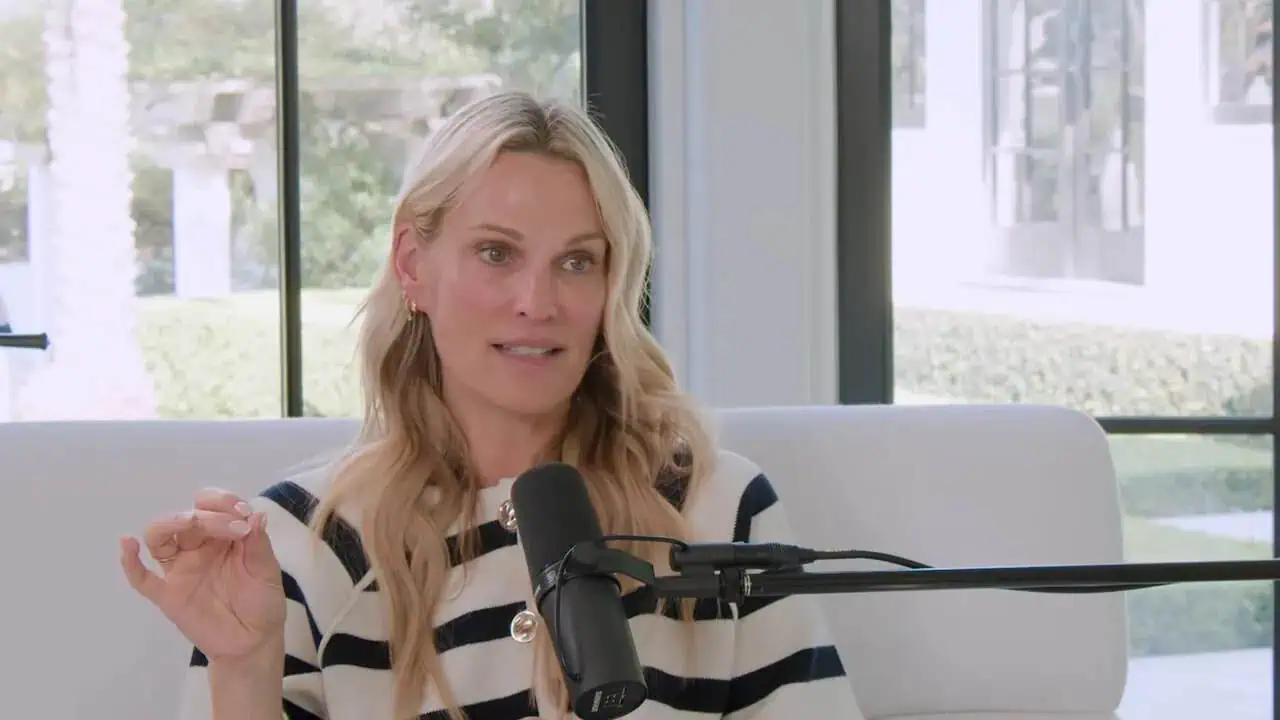
You talk about inflammation and nervous system regulation. Why?
We are increasingly aware of how much stress affects how we feel. We use the phrase “inflammaging” to describe the connection between inflammation and aging. It is not about becoming perfect or turning wellness into another impossible checklist. It is about asking whether we are always in fight-or-flight mode.
Sleep, stress, rest, movement, and moments to breathe matter. We have had difficult medical years, including surgeries, and calming the nervous system has been an ongoing goal. A walk, a deep breath, a quiet moment, or a practice that makes us feel cared for can be part of that work.
We enjoy red light therapy, infrared sauna sessions, cold plunges, microneedling, and radiofrequency treatments, while recognizing that access, cost, and personal medical needs differ. Wellness should never become a contest or a source of shame. The best plan is the one we can safely sustain.
What about changing hair as we age?
Hair can change dramatically with age and hormonal transitions. What once felt invincible can suddenly feel thinner, more breakable, or slower to grow. We have experienced that too.
We have used oral minoxidil under medical care for hair thinning, including thinning related to a medication side effect. This is not a casual recommendation. It is a medication decision to make with a prescribing clinician, because it may not be appropriate for everyone and can have side effects.
Day to day, we also believe in scalp care and buildup removal. A periodic detoxifying shampoo can help remove styling residue, minerals, sunscreen, and other buildup. We also love good hair tools and one extremely practical blowout tip: turn down the heat. High heat can be rough on already fragile hair, so lower heat is often the smarter choice.
Friendship, Manifestation, and the Things That Actually Matter
What have friendship and community taught you?
We have learned that friendships require deposits in the bank. The small phone call, check-in, invitation, and moment of presence all matter. We missed some of that when work and travel dominated our younger years, and we are grateful for the friends who stayed connected.
Our people have kept us afloat through decades of life. That is why we believe in showing up and including people who have shared the long road with us. Real friendship is not only about who appears in the fun photograph. It is about who is there through the difficult chapters too.
That same compassion needs to extend inward. We can be ambitious, focused, and high-achieving without being relentlessly cruel to ourselves. If self-criticism has become our default, this reflection on why we should stop being so hard on ourselves offers a valuable reminder that compassion is not complacency.
If you had to give five final pieces of advice, what would they be?
We would say:
- Exfoliate, but do not destroy your barrier. Healthy skin is not supposed to feel raw and stripped.
- Manifest what you want. Put the relationship, job, baby, business, or next chapter into words. Give the dream direction.
- Make room for restoration. Whether that is red light therapy, a sauna, walking, breathing, or sitting quietly, caring for ourselves makes us more available to everyone else.
- Keep medical appointments. Do not delay care simply because we are afraid, busy, or used to putting everyone else first.
- Remember that not everything works out, and we will still be okay. We can dig deep, learn, pivot, and keep going.
There is no one perfect body, one perfect relationship timeline, one perfect skincare routine, or one perfect career. We are allowed to change. We are allowed to seek help. We are allowed to want more. And we are absolutely allowed to begin again.
Concerned About Your Health? Talk to Dr. Aliabadi
Dr. Aliabadi is an expert OB/GYN who is knowledgeable in all aspects of women’s health and well-being. Dr. Aliabadi and her caring, supportive staff are available to support you through PCOS, endometriosis, menopause, childbirth, infertility, or routine gynecological care. We invite you to establish care with Dr. Aliabadi. Call us at (844) 863-6700 or
Frequently Asked Questions
What is Molly Sims’ main advice about career success?
Success requires resilience and adaptability. Molly Sims believes women can have many chapters and should not see a pivot, setback, or career change as failure.
What inspired Molly Sims to create YSE Beauty?
Her own experience with hyperpigmentation, melasma, and irritation from aggressive skincare treatments inspired her to create a brightening-focused routine that prioritizes skin barrier support and consistent use.
What are the basics of Molly Sims’ skincare philosophy?
Cleanse gently, exfoliate thoughtfully, use brightening ingredients without over-stripping the skin, hydrate the barrier, wear sunscreen, and use active ingredients with care.
What does it mean to be our own health advocate?
It means paying attention to symptoms, keeping routine appointments, tracking relevant health information, asking questions, and seeking additional medical input when something does not feel right.
What did Molly Sims learn about finding love later in life?
She learned to identify her relationship patterns, take accountability, and choose a partner who was steady, patient, and different from the dynamics she had previously repeated.