Health is never just one thing. It can be physical, emotional, hormonal, relational, spiritual, and deeply personal all at once. In a conversation with Shailene Woodley, Dr. Thais Aliabadi and Mary Alice Haney explore what it means to move through illness without losing hope, how chronic stress can live in the body, why sexual health deserves more honesty and care, and how the people around us can either nourish us or drain us.
We also talked about Three Women, the importance of self-advocacy, painful periods, endometriosis, family, nature, empathy, and the courage it takes to stop accepting a life that does not feel right.
Table of Contents
- Truth, Health, and the Courage to Look Inward
- The Body Keeps Score When We Live in Fight or Flight
- Sexual Health Needs Honesty, Safety, and Care
- Empathy, Family, Nature, and the Work of Becoming Better Humans
- Everyday Practices That Support Health and Happiness
- Frequently Asked Questions
Truth, Health, and the Courage to Look Inward
What drew us to the world of Three Women?
We were drawn to Three Women because it is rooted in truth. The story does not reduce women to a single experience or a neat little narrative. It makes room for complicated things that many of us have lived through ourselves or seen in people we love: miscarriage, falling in love, body dysmorphia, eating disorders, sexuality, shame, fear, and the difficulty of saying what we actually want.
There is still a tendency to make women perform versions of themselves that are palatable. But real female psychology is often raw, contradictory, tender, angry, sexual, confused, resilient, and deeply human. That is what makes stories like this matter. They remind us that the things we carry privately are not strange or isolating. So many of us are trying to find safety in our own bodies and language for experiences we were taught to hide.
What did a decade-long health journey teach us about healing?
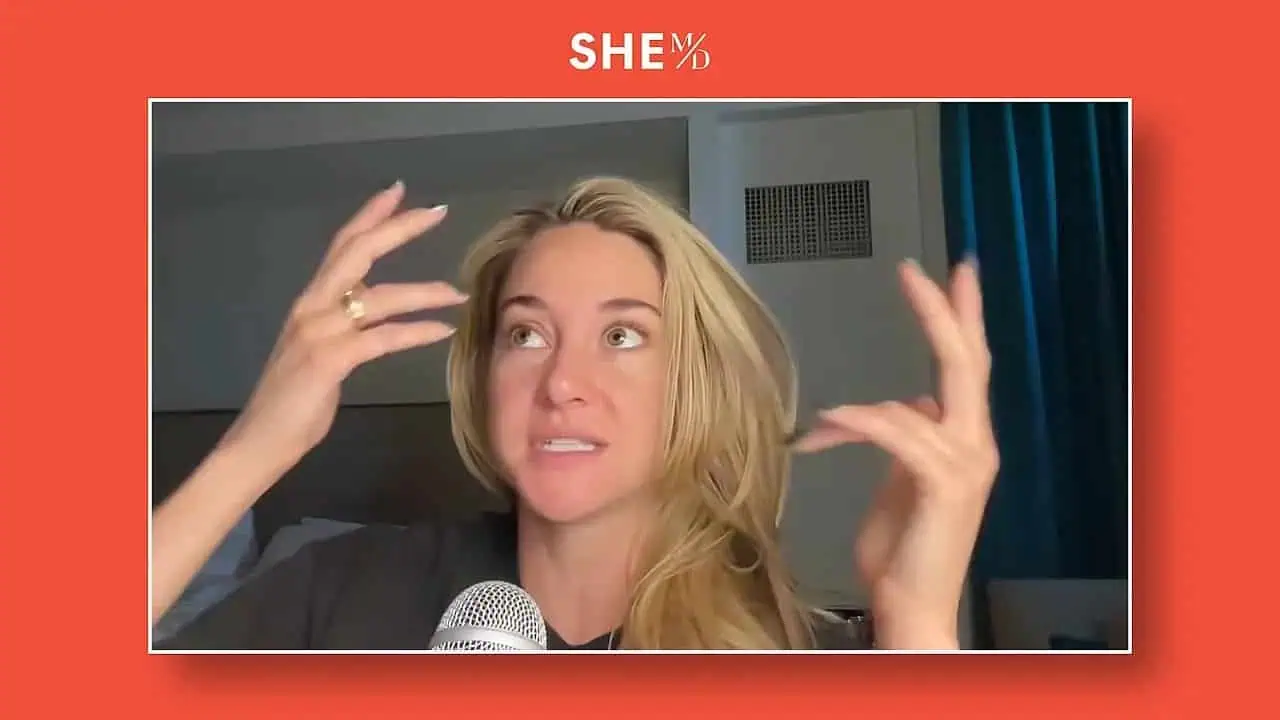
We can be healthy on paper, eat well, exercise, work hard, and still feel profoundly unwell. Shailene shared that in her early twenties she experienced a frightening collection of symptoms. She was losing hearing, could not walk for more than a few minutes without needing to lie down, and found that food caused significant stomach pain. Different doctors offered different diagnoses, and the lack of clarity became its own kind of distress.
When symptoms are complex, it can be terrifying to feel as though no one has a full picture. We may receive conflicting explanations about hormones, thyroid health, reproductive anatomy, pelvic pain, or digestive symptoms. That does not mean we should give up. It means we have to become active participants in our care, ask questions, keep records, seek appropriate medical support, and listen carefully to our bodies.
Shailene approached her healing through both conventional medical care and holistic practices. Her journey was not a quick fix. It unfolded over roughly a decade and involved physical healing, therapy, self-reflection, discipline, and a willingness to examine trauma. The important message is not that one path works for everyone. It is that we should not accept feeling dismissed, confused, or resigned to suffering without pursuing answers and support.
For practical guidance on communicating clearly, asking questions, and seeking another opinion when necessary, we can learn more about advocating for ourselves at medical appointments.
The Body Keeps Score When We Live in Fight or Flight
How can fear and trauma affect our physical health?
One of the deepest parts of this conversation was recognizing the feeling of always having a lion in the room. Even when there is no immediate threat, our nervous systems can remain on high alert. We can become highly functional, productive, resilient, and capable in a crisis, while still living internally from a place of fear.
We discussed how trauma does not always look the same. It can come from war, illness, loss, instability, relationship experiences, childhood stress, or events we have worked very hard to suppress. Dr. Aliabadi shared that she had learned to push through tremendous difficulty, including breast cancer and earlier trauma, because strength had become synonymous with getting up and moving on.
But resilience is not supposed to mean abandoning ourselves. Running directly toward every obstacle without checking whether we are okay can become its own survival pattern. Sometimes the bravest thing we can do is stop, acknowledge what is happening inside us, and allow care to become part of strength.
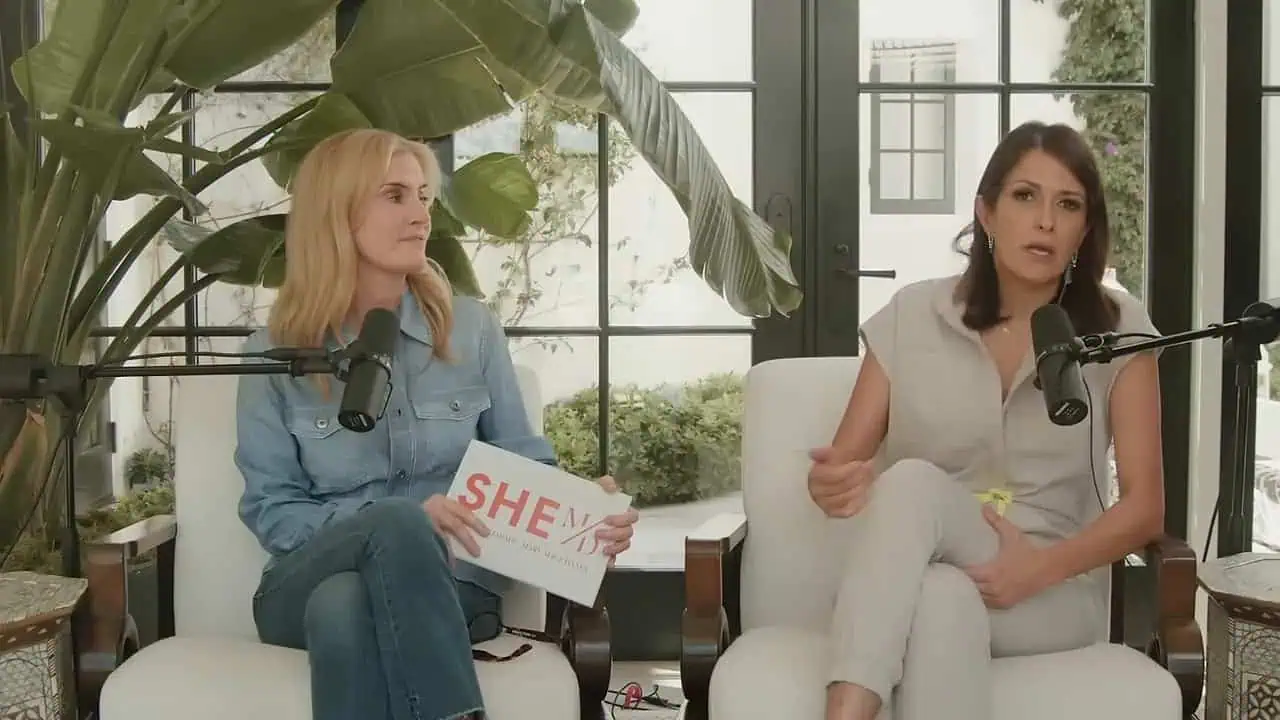
Shailene described how working on her relationship with fear and safety shifted much more than her physical well-being. As she learned to recognize that she was safe in the present moment, she felt changes emotionally, mentally, relationally, and physically. She found that she projected less, felt less offended, and was more able to meet life without assuming danger was around every corner.
We should be careful not to oversimplify illness or suggest that stress is the only cause of physical symptoms. It is not. Real symptoms deserve real evaluation and medical care. At the same time, it is worth taking our nervous systems seriously. Our bodies are not separate from our emotional lives. If we are constantly activated, exhausted, fearful, or disconnected from ourselves, that matters.
What does it mean to choose healing before the evidence is there?
Sometimes healing begins with a decision that feels almost impossible to make: refusing to believe that pain is our permanent destiny. That does not mean pretending pain is not real. It means holding space for the possibility that our current condition is not the end of the story.
For Shailene, that decision was followed by real work. Therapy, addressing trauma, learning to feel safe, and building discipline around mental health were all part of the process. There was no magical single answer. There was persistence, curiosity, and an insistence on not surrendering to a life defined by suffering.
We can start with small, grounded questions:
- Where do we feel constantly on alert?
- What does safety feel like in our bodies?
- Are we dismissing symptoms that deserve attention?
- Do we have support that helps us process, rather than suppress, difficult experiences?
- What would it look like to care for ourselves while we keep moving forward?
Sexual Health Needs Honesty, Safety, and Care
Why is it so important to talk openly about female sexuality?
Sex is everywhere in American culture, yet honest conversations about intimacy are still rare. We are surrounded by images, billboards, pornography, impossible body standards, and performance. But none of that necessarily teaches us how to be vulnerable, connected, comfortable, or safe with another person.
Sexuality is not one experience. It can be playful, sensual, tender, awkward, passionate, joyful, complicated, healing, painful, or all of these things at different points in life. What matters is that we make room for care. Safety and respect are not optional extras. They are foundational to freedom of expression and genuine intimacy.
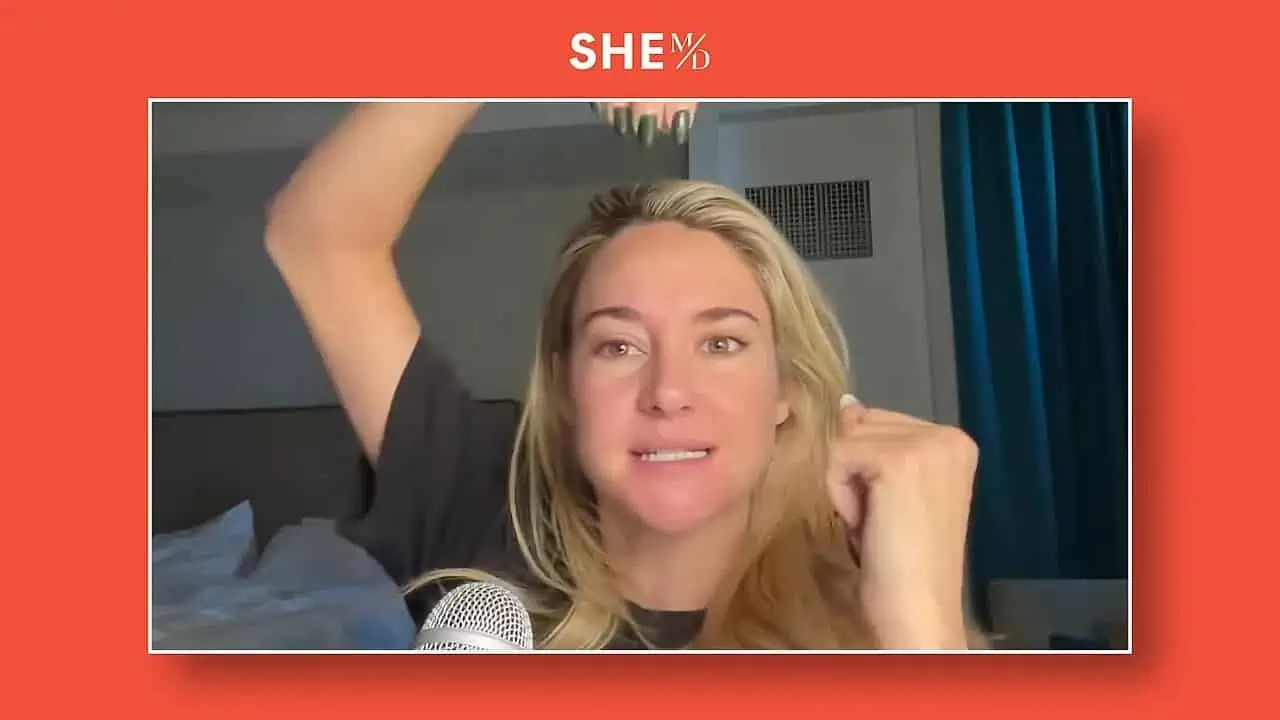
We also need to be honest about what popular culture gets wrong. Pornography often presents sex as a performance rather than an exchange between real people. It can teach unrealistic expectations about bodies, desire, sensation, consent, and what intimacy should look like. Shailene compared it to junk food: something readily available that can distract us from the richer possibilities of real connection, communication, and discovery.
That is why comprehensive, compassionate sex education matters. We need conversations that make room for anatomy, consent, communication, pleasure, emotional safety, boundaries, and self-respect. Shame teaches silence. Silence leaves people isolated. Honest language gives us the tools to care for ourselves and one another.
What should we know about pain during sex and painful periods?
We need to say this clearly: painful periods are not something we should simply accept as normal. Painful sex is not something we should carry in silence either. Pelvic pain, pain during intercourse, very painful menstruation, heavy bleeding, bowel or bladder symptoms, and ongoing discomfort all deserve to be evaluated.
Endometriosis affects an estimated 10 percent of women and can contribute to painful periods, pelvic pain, and pain with sex. It can become chronic and can affect quality of life, relationships, and emotional well-being. There are many possible causes of pelvic pain, which is exactly why we should not self-diagnose or be brushed off.
More information about symptoms, diagnosis, and individualized treatment is available on our endometriosis resource page and our guide to pelvic pain.
Body changes can also affect how we feel about sex. Pregnancy, birth, aging, weight changes, hormonal shifts, breast changes, vaginal changes, and self-esteem can all shape intimacy. None of this means there is something wrong with us. It means we deserve better conversations, compassionate partners, and clinicians who take our concerns seriously.
What advice would we offer young women exploring sexuality?
First, periods are not dirty. Menstruation is a powerful biological process, and we do not need to treat it as something embarrassing or shameful. We can respect our cycles, track symptoms, and be curious about our bodies without fear.
Second, care and safety should be at the center of every sexual experience. Without them, it is difficult to feel genuinely free, present, or connected. We should not have to override discomfort, confusion, or fear to please anyone else.
Third, our instincts matter. Attraction is not only intellectual. Chemistry, scent, comfort, and how our bodies respond around someone can offer valuable information. If something feels wrong, we are allowed to leave. We do not owe anyone access to our bodies, our attention, or our energy.
Empathy, Family, Nature, and the Work of Becoming Better Humans
How does All It Takes help young people build stronger foundations?
All It Takes was started by Shailene and her mother when Shailene was 18, and it grew from her mother’s work as a therapist and middle-school counselor. The organization focuses on giving young people practical tools for empathy, mediation, leadership, emotional awareness, and self-advocacy.
This work matters because emotional skills are not fluffy extras. They can change the way we move through conflict, friendships, school, family, and adulthood. When children understand their emotions, can consider another person’s perspective, and have a strong foundation for speaking up for themselves, they are better equipped to navigate difficult moments without losing themselves.
What does environmental advocacy have to do with human connection?
For Shailene, environmental care comes from love. Love for trees, the ocean, flowers, wind, and the natural world that sustains us. It is less about attaching a label to ourselves and more about noticing what makes us feel alive and recognizing our responsibility to protect it.
But care for the planet cannot be entirely separate from care for people. We cannot claim to love the ocean while treating the person in front of us with contempt. Kindness is not a small thing. It is part of the same ecosystem of responsibility.
We discussed the sadness that can come from witnessing pollution, loneliness, cruelty, and a culture that often seems disconnected from basic human decency. The antidote is not perfection. It is choosing, day by day, to be part of a different pattern. We can show up for our families, chosen families, neighbors, friends, children, and communities with more intention.
Why does personal responsibility require so much courage?
It is easy to stay inside an unhappy story. We can complain about our jobs, relationships, health, or circumstances without taking action because action asks something difficult of us. It asks us to face fear, do inner work, make changes, and tolerate uncertainty.
That does not mean every problem is our fault. It means we can reclaim agency where we have it. We can seek help. We can change our routines. We can address our pain. We can choose better relationships. We can make boundaries. We can commit to becoming more connected to our own center.
Support systems matter enormously. For some of us, that is family. For others, it is friends who become family. For many people, finding that support takes time and courage. But no one should have to build a meaningful life without mirrors that reflect care, truth, and possibility back to them.
Everyday Practices That Support Health and Happiness
What simple practices help us stay grounded?
There is no single wellness formula, and we do not need to turn health into another source of anxiety. The practices that came up in our conversation were refreshingly simple: sleep, solitude, nourishing relationships, movement, and less obsession.
Shailene values sleep and time completely alone, away from her phone and away from the demands of other people. Solitude is not selfish. It can be a necessary reset, especially for those of us who give a lot of energy to work, family, friendships, and caretaking.
She also made an intentional shift away from people who take without reciprocating. We all know the feeling of an energy vampire. Some relationships leave us depleted, anxious, or smaller than before. A healthy circle is made of people who add to our lives and nourish our spirit.
Movement is another form of care. Biking, hiking, swimming, martial arts, and short weightlifting sessions can all be ways of feeling connected to our bodies rather than punishing them. Food can be approached in the same spirit. When hypervigilance around eating and exercise becomes stressful, the stress itself can undermine the well-being we are trying to create.
The goal is not control. The goal is a more compassionate relationship with our bodies.
Frequently Asked Questions
Are painful periods normal?
Severe or disruptive period pain should not be dismissed. Painful periods can have several possible causes, including endometriosis. If pain affects daily life, sex, work, school, or relationships, we should seek an evaluation with a qualified healthcare professional.
Can stress and trauma affect physical symptoms?
Stress and trauma can affect how our nervous systems function and can influence emotional and physical well-being. They do not explain every symptom, and physical concerns still deserve appropriate medical care. Addressing both body and mind can be an important part of comprehensive healing.
What should we do when different doctors give conflicting answers?
We can keep a record of symptoms, ask clear questions, request explanations, and seek another opinion when needed. Being our own advocate does not mean navigating everything alone. It means participating actively in decisions about our health and finding clinicians who listen.
What makes a sexual experience healthy?
Care, safety, consent, communication, and mutual respect are central. Healthy sexuality should not require us to ignore pain, fear, pressure, or discomfort. We are allowed to have boundaries and to choose relationships that make us feel safe in our bodies.
How can we protect our energy in relationships?
We can pay attention to how we feel after spending time with people. Supportive relationships tend to leave room for reciprocity, respect, joy, and honesty. It is okay to limit relationships that consistently drain us or make us abandon our own needs.
Our health is not a performance. It is a relationship with ourselves that we build over time. We can ask for better care, take our pain seriously, protect our nervous systems, embrace honest conversations about sexuality, and choose people and practices that bring us back to life.
Concerned About Your Health? Talk to Dr. Aliabadi
Dr. Aliabadi is an expert OB/GYN who is knowledgeable in all aspects of women’s health and well-being. Dr. Aliabadi and her caring, supportive staff are available to support you through PCOS, endometriosis, menopause, childbirth, infertility, or routine gynecological care. We invite you to establish care with Dr. Aliabadi. Call us at (844) 863-6700 or
This article was created from the video Shailene Woodley on Health, Healing, and Empowering Young Women | SHE MD for Dr. Thais Aliabadi’s website.