Perimenopause can change sleep, mood, energy, body composition, periods, and confidence in ways that feel sudden and confusing. We may wonder whether anxiety, palpitations, weight gain, insomnia, or brain fog are “just stress” or signs that hormones are shifting.
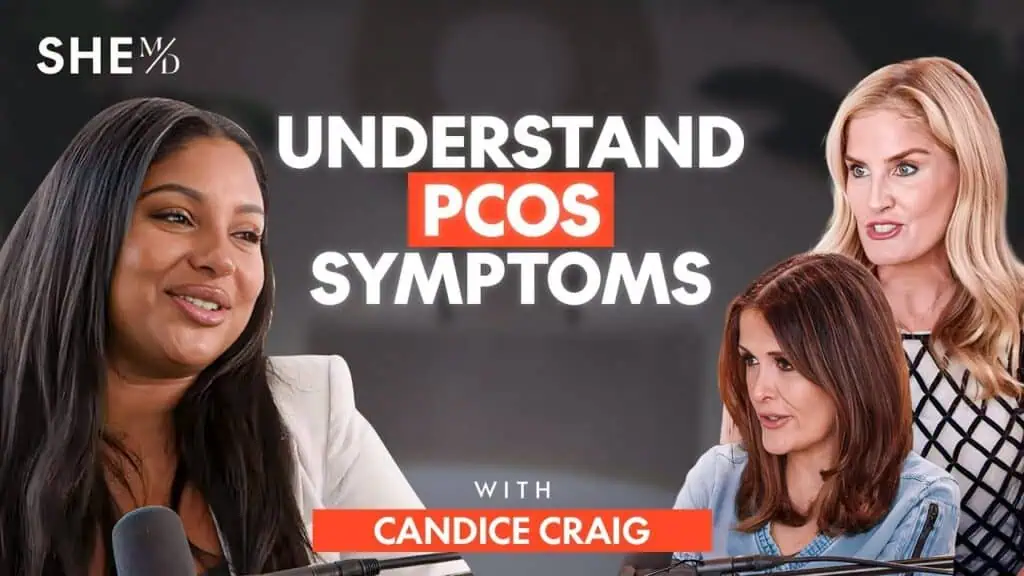
In this interview, Dr. Dominique Fradin-Read sits with Dr. Thais Aliabadi and Mary Alice Haney to discusses how she approaches hormone changes through individualized assessment, symptom tracking, lifestyle foundations, and careful medical decision-making. The central message is reassuring: menopause is a normal life stage, but difficult symptoms deserve informed attention and appropriate care.
Table of Contents
- Understanding the Menopause Transition
- Recognizing Perimenopause Symptoms
- How a Good Perimenopause Assessment Works
- Hormone Therapy: Questions Worth Asking
- Mood, Anxiety, and Brain Fog During Perimenopause
- Weight Gain, Muscle, and Metabolic Health
- Five Practical Steps for Navigating Perimenopause
- When to Contact a Clinician Urgently
- Our Takeaway on Balancing Hormones and Aging Well
Understanding the Menopause Transition
What is the difference between perimenopause, menopause, and postmenopause?
Dr. Fradin-Read: We should use these terms precisely because they describe different stages. Premenopause refers to the reproductive years before the transition. Perimenopause is the transition in which ovarian hormone production becomes less predictable and periods may become irregular. Symptoms can begin even while cycles still occur.
Menopause is technically a point in time, confirmed after 12 consecutive months without a menstrual period. Postmenopause is every stage after that point. This distinction matters because symptoms, hormone patterns, and treatment decisions can differ substantially from one stage to another.
Perimenopause often begins in the forties, although timing varies widely. It may continue for years. Some people have relatively mild changes, while others experience symptoms that affect daily functioning, relationships, work, sleep, and physical health.

Why can perimenopause feel so unpredictable?
Dr. Fradin-Read: Hormones do not usually decline in a smooth, straight line. During perimenopause, estrogen production can fluctuate significantly. Ovulation may still occur in some cycles but not others, and progesterone production can become inconsistent as ovulation becomes less reliable.
That variability helps explain why a person may feel well for several weeks and then suddenly experience poor sleep, breast tenderness, anxious feelings, a heavier period, skipped cycles, or intense warmth. We should think of the transition as dynamic rather than assume every month will look the same.
Hormone levels are only one part of the clinical picture. A single lab result can be difficult to interpret in perimenopause because levels change across the menstrual cycle and can shift quickly. Symptoms, menstrual history, medications, risk factors, and overall health still matter.
Can we still become pregnant during perimenopause?
Dr. Fradin-Read: Yes. Irregular cycles do not necessarily mean ovulation has stopped permanently. Pregnancy is still possible until menopause has been established. Anyone who does not want to become pregnant should discuss contraception with a qualified clinician rather than rely on cycle unpredictability.
Recognizing Perimenopause Symptoms
What are common early signs of perimenopause?
Dr. Fradin-Read: Early symptoms are often not limited to hot flashes. Some people first notice that they cannot sleep as they once did, feel more anxious or irritable, gain weight more easily, retain fluid, or feel unusually tired. Menstrual changes may come later.
Symptoms discussed in this conversation include:
- Changes in cycle timing, flow, or regularity
- Hot flashes, feeling suddenly warm, or alternating between feeling hot and cold
- Night sweats and disrupted sleep
- Fatigue and reduced energy
- Anxiety, low mood, irritability, and a shorter temper
- Reduced motivation or a sense of no longer feeling like ourselves
- Palpitations or awareness of a fast heartbeat
- Weight changes, especially around the midsection
- Skin changes, hair thinning, and changes in body composition
- Lower abdominal discomfort during irregular or non-ovulatory cycles
None of these symptoms is exclusive to menopause. Thyroid disease, anemia, sleep disorders, depression, medication effects, cardiovascular conditions, and other medical issues can overlap. We should not automatically label every symptom hormonal without a medical assessment.
For more support around emotional changes, see this guide to menopause and mood changes, including when mental health care may be appropriate.
Why do hot flashes and night sweats happen?
Dr. Fradin-Read: Vasomotor symptoms, including hot flashes and night sweats, are associated with hormonal changes that affect the body’s temperature regulation. A hot flash can feel like a sudden internal wave of heat, sometimes followed by sweating, chills, or an increased heartbeat.
Triggers can differ from person to person. Warm rooms, alcohol, stress, caffeine, spicy foods, and tight clothing may make symptoms more noticeable for some people. Keeping a brief symptom diary can help us identify patterns and give a clinician a clearer picture of what needs attention.
Night sweats can also fragment sleep and amplify fatigue, mood shifts, appetite changes, and concentration problems. Practical sleep strategies, including a cool bedroom and a consistent sleep schedule, can be useful. More detailed guidance is available in this resource on menopausal sleep disorders.
Are palpitations during perimenopause always caused by hormones?
Dr. Fradin-Read: Hormonal fluctuations and anxiety can contribute to palpitations, but we should never assume a racing heart, chest discomfort, fainting, shortness of breath, or an irregular rhythm is harmless. New or concerning cardiovascular symptoms need medical evaluation.
It is especially important to seek urgent care for chest pain or pressure, severe shortness of breath, fainting, weakness on one side of the body, or symptoms that could indicate a heart attack or stroke. Reassurance is valuable only after appropriate causes have been considered.
How a Good Perimenopause Assessment Works
Should we test hormones to find out whether we are in perimenopause?
Dr. Fradin-Read: Testing can contribute useful information, but it should not replace a thoughtful clinical history. We should begin with the person’s story: cycle timing, sleep, hot flashes, mood, energy, weight changes, medications, pregnancy history, past responses to hormonal medication, family history, and health goals.
In people who still menstruate, timing may matter when testing hormones such as follicle-stimulating hormone, or FSH, estradiol, and progesterone. Dr. Fradin-Read describes using results at more than one point in the cycle to better understand changing patterns. However, there is no single universal blood test that definitively diagnoses perimenopause in every case.
A clinician may also consider broader testing based on symptoms and risk factors. This can include lipid levels, blood pressure, metabolic markers, and evaluation for other explanations for fatigue, hair loss, sleep disruption, or mood changes.
What should we track before a menopause appointment?
Dr. Fradin-Read: A clear record helps us move beyond vague symptoms and identify patterns. For at least several weeks, consider documenting:
- Cycle information: start dates, skipped periods, flow changes, spotting, and pain
- Vasomotor symptoms: timing, severity, frequency, night sweats, and likely triggers
- Sleep: bedtime, awakenings, insomnia, snoring, and daytime fatigue
- Mood and cognition: anxiety, sadness, irritability, concentration, and motivation
- Palpitations: duration, triggers, heart rate if available, and associated symptoms
- Nutrition and movement: protein intake, meal patterns, strength training, aerobic activity, and alcohol intake
- Personal and family history: cancer history, clotting history, cardiovascular disease, migraine, osteoporosis, and current medications
We should bring specific priorities to the appointment. For one person, sleep may be the urgent issue. For another, severe hot flashes, mood symptoms, painful bleeding, or concern about bone and heart health may lead the discussion.
Why is individualization so important in hormone care?
Dr. Fradin-Read: There is no one-size-fits-all menopause protocol. Two people of the same age can have different symptoms, health histories, hormone sensitivity, family risks, and goals. Someone early in perimenopause with fluctuating or relatively high estrogen exposure may need a different approach from someone who is further into the transition with infrequent cycles and low estrogen symptoms.
Symptoms can also change after treatment begins. This is why follow-up, careful dose adjustments, and open communication with a prescribing clinician are essential. Menopause management is often a process of fine-tuning, not a one-time decision.
Hormone Therapy: Questions Worth Asking
Is hormone replacement therapy the right choice for everyone?
Dr. Fradin-Read: No. Menopausal hormone therapy can be an important option for some people, particularly for bothersome symptoms such as hot flashes and disrupted sleep. Yet it should be considered through shared decision-making with a clinician who understands menopause care and the person’s complete medical history.
Important factors include age, menopause stage, symptom severity, whether a uterus is present, personal and family cancer history, clotting history, cardiovascular risk, and personal preferences. The benefits and risks may look different for each person.
For those with a uterus, estrogen therapy is generally considered alongside progesterone or a progestogen to protect the uterine lining. The appropriate regimen, route, and dose must be determined by a prescribing clinician.
What routes of estrogen were discussed?
Dr. Fradin-Read: The conversation included transdermal options, such as skin patches, gels, and creams, as well as individualized compounded preparations in some circumstances. She prefers non-oral estrogen because of her concerns about clotting and cardiovascular effects with oral routes.
We should remember that the right formulation is a medical decision, not a consumer preference alone. Prescription products and compounded hormone preparations are not interchangeable in every situation. If compounded therapy is considered, it should involve a reputable pharmacy and careful clinician oversight.
Anyone comparing approaches can read more about individualized treatment considerations in this clinical guide to menopause nutrition and hormone therapy.
What if we have a history of breast cancer or do not want hormone therapy?
Dr. Fradin-Read: This requires a particularly careful discussion. In some cases, menopause care may involve coordination between a menopause clinician and oncology team. Decisions depend on cancer type, hormone receptor status, treatment history, time since treatment, symptom burden, and individual risk.
We should not start hormones independently after cancer treatment. Nonhormonal strategies and prescription options may be available, and an oncology team can help determine which choices are medically appropriate.
How long can we use hormone therapy?
Dr. Fradin-Read: The answer is individualized. Continuing treatment involves periodically reassessing benefits, symptoms, age-related risk, personal history, and goals. Rather than treating a duration limit as a universal rule, we should have regular, informed conversations with the clinician who prescribes it.
Mood, Anxiety, and Brain Fog During Perimenopause
Can hormone changes affect mood and motivation?
Dr. Fradin-Read: Yes. Mood symptoms can be among the earlier changes in perimenopause. Hormones interact with brain signaling systems involved in motivation, pleasure, calmness, and emotional regulation. Sleep loss, ongoing stress, and changing physical symptoms can make the effect more intense.
We may notice a lower tolerance for everyday frustrations, more anxiety, apathy, less motivation, or a feeling that our usual personality has changed. These experiences are real and should not be dismissed as a lack of resilience or a personal failing.
At the same time, mood changes deserve full assessment. Persistent depression, panic, thoughts of self-harm, inability to function, severe anxiety, or symptoms of mania require prompt mental health and medical support. Hormonal shifts and mental health conditions can coexist, so the safest approach is not to treat them as mutually exclusive.
Are supplements a substitute for medical care?
Dr. Fradin-Read: No. The discussion referenced several supplements and emerging longevity compounds, including low-dose lithium supplements, NMN, and peptides. These products should not be treated as proven replacements for sleep, nutrition, exercise, mental health care, cardiovascular risk management, or evidence-based menopause treatment.
We should be especially cautious with products marketed as “anti-aging” solutions. Quality, dosing, interactions, long-term safety, and regulatory status may vary. Peptide treatments discussed for energy and longevity are not standard care, and some are not FDA-approved for these uses. A qualified clinician should review any supplement or injectable product before we begin it.
Weight Gain, Muscle, and Metabolic Health
Why does weight gain become more common around menopause?
Dr. Fradin-Read: Hormonal change can coincide with shifts in body composition, sleep, insulin sensitivity, hunger, energy, and activity levels. Weight changes around the midsection are a common concern, but we should not reduce this complex process to willpower.
Muscle preservation should be a central goal. Muscle supports strength, function, metabolic health, and long-term independence. A practical plan generally includes adequate dietary protein, resistance or weight-bearing activity, aerobic activity, and consistent meals that support energy and recovery.
This is also why extreme calorie restriction or a strategy that repeatedly skips meals may not be ideal for everyone in midlife. Any eating pattern should be evaluated in the context of total protein intake, muscle maintenance, health conditions, and personal sustainability.
What is the role of protein in midlife health?
Dr. Fradin-Read: Protein intake was emphasized as a key part of protecting muscle mass, hair, skin, strength, and metabolic rate. Instead of relying on one very large meal, some people may find it easier to distribute protein across meals. Individual needs vary with body size, kidney health, activity, appetite, and medical conditions.
Simple options can include eggs, Greek yogurt, fish, poultry, legumes, tofu, cottage cheese, and protein-enriched meals or snacks if tolerated. We should seek personalized guidance from a clinician or registered dietitian if we have kidney disease, an eating disorder history, digestive symptoms, or complex metabolic conditions.
Can GLP-1 medications be used for menopause-related weight gain?
Dr. Fradin-Read: GLP-1 based medications, including semaglutide and tirzepatide, were discussed as prescription tools that may help certain people manage appetite, blood sugar, and weight. They are not a shortcut around nutrition or movement, and they are not appropriate for everyone.
When these medications are used, preserving lean mass remains important. A care plan should include adequate nutrition, protein, resistance exercise, medical monitoring, and attention to side effects. We should never use a medication plan as justification for under-eating or abandoning muscle-supporting habits.
Five Practical Steps for Navigating Perimenopause
What should we do first if we think we are in perimenopause?
Dr. Fradin-Read: We can start with these five practical steps:
- Do not assume we are alone or failing. Perimenopause is common, and difficult symptoms are valid reasons to seek help.
- Strengthen the basics. Review sleep, stress, alcohol, movement, protein, sugar intake, and meal patterns. Lifestyle changes do not solve every symptom, but they can reduce contributors that make the transition harder.
- Track symptoms and cycles. Bring a clear history to an appointment rather than relying on memory during a short consultation.
- Find a clinician with menopause experience. Ask directly about their approach to perimenopause, hormone therapy, nonhormonal options, and follow-up care.
- Expect adjustments. Hormonal transitions are variable. A plan may need time, monitoring, and changes as symptoms and cycles evolve.
What are common mistakes to avoid?
Dr. Fradin-Read: Several mistakes can delay effective care:
- Assuming a normal period means symptoms cannot be related to perimenopause
- Relying on one hormone lab result as the entire diagnosis
- Starting hormones, peptides, or supplements without medical oversight
- Dismissing persistent low mood, severe anxiety, or sleep loss as something we must simply tolerate
- Ignoring palpitations, chest discomfort, unusual bleeding, or severe pelvic pain
- Pursuing rapid weight loss while overlooking protein intake and muscle preservation
- Using alcohol as a sleep aid when it may worsen sleep quality and affect how we feel the next day
When to Contact a Clinician Urgently
Which symptoms should not be attributed to menopause without prompt evaluation?
Dr. Fradin-Read: Menopause symptoms should not prevent us from seeking urgent care when symptoms could signal something more serious. Contact emergency services or seek immediate medical attention for chest pain or pressure, fainting, severe shortness of breath, severe headache with neurological symptoms, new weakness or numbness, or a sustained and concerning rapid heartbeat.
We should also arrange timely gynecologic care for very heavy bleeding, bleeding after menopause, persistent or severe pelvic pain, or bleeding that causes dizziness, weakness, or signs of anemia. Menopause may explain some changes, but it should never become a reason to overlook serious health concerns.
Our Takeaway on Balancing Hormones and Aging Well
Perimenopause is not a single symptom, a single hormone number, or a one-size-fits-all treatment plan. It is a changing physiological transition that can influence the brain, sleep, metabolism, cardiovascular health, bones, and everyday quality of life.
We can approach it with curiosity rather than fear: document changes, protect sleep and muscle, prioritize nourishing meals and movement, moderate alcohol, and find a clinician who listens to our full history. The goal is not to chase a perfect hormone number. It is to build a safe, individualized plan that helps us feel and function better through every stage of menopause.
Concerned About Your Health? Talk to Dr. Aliabadi
Dr. Aliabadi is an expert OB/GYN who is knowledgeable in all aspects of women’s health and well-being. Dr. Aliabadi and her caring, supportive staff are available to support you through PCOS, endometriosis, menopause, childbirth, infertility, or routine gynecological care. We invite you to establish care with Dr. Aliabadi. Call us at (844) 863-6700 or
Perimenopause and Hormone Balance FAQ
Can perimenopause begin while periods are still regular?
Yes. Sleep changes, anxiety, irritability, weight changes, or changes in how we feel can occur before periods become clearly irregular. A clinician can assess symptoms in context.
How is menopause confirmed?
Menopause is generally confirmed after 12 consecutive months without a menstrual period, provided there is no other explanation for the absence of periods.
Do hormone tests diagnose perimenopause?
Hormone tests can sometimes add context, but fluctuating levels make a single result difficult to interpret. Symptoms, cycle history, age, medications, and health history remain central to assessment.
Can perimenopause cause anxiety and irritability?
Hormonal fluctuations, sleep disruption, and stress can contribute to anxiety, irritability, and low mood. Persistent or severe mental health symptoms should be assessed by a qualified medical or mental health professional.
Should we use hormone therapy for menopause symptoms?
Hormone therapy may be appropriate for some people, especially those with disruptive vasomotor symptoms. The decision should be individualized with a clinician who can review risks, benefits, medical history, and alternatives.
Does menopause-related weight gain mean we should eat as little as possible?
No. Restrictive eating that reduces protein intake and compromises muscle mass can work against long-term strength and metabolic health. A sustainable plan should emphasize adequate nutrition, resistance training, aerobic activity, and medical guidance when needed.