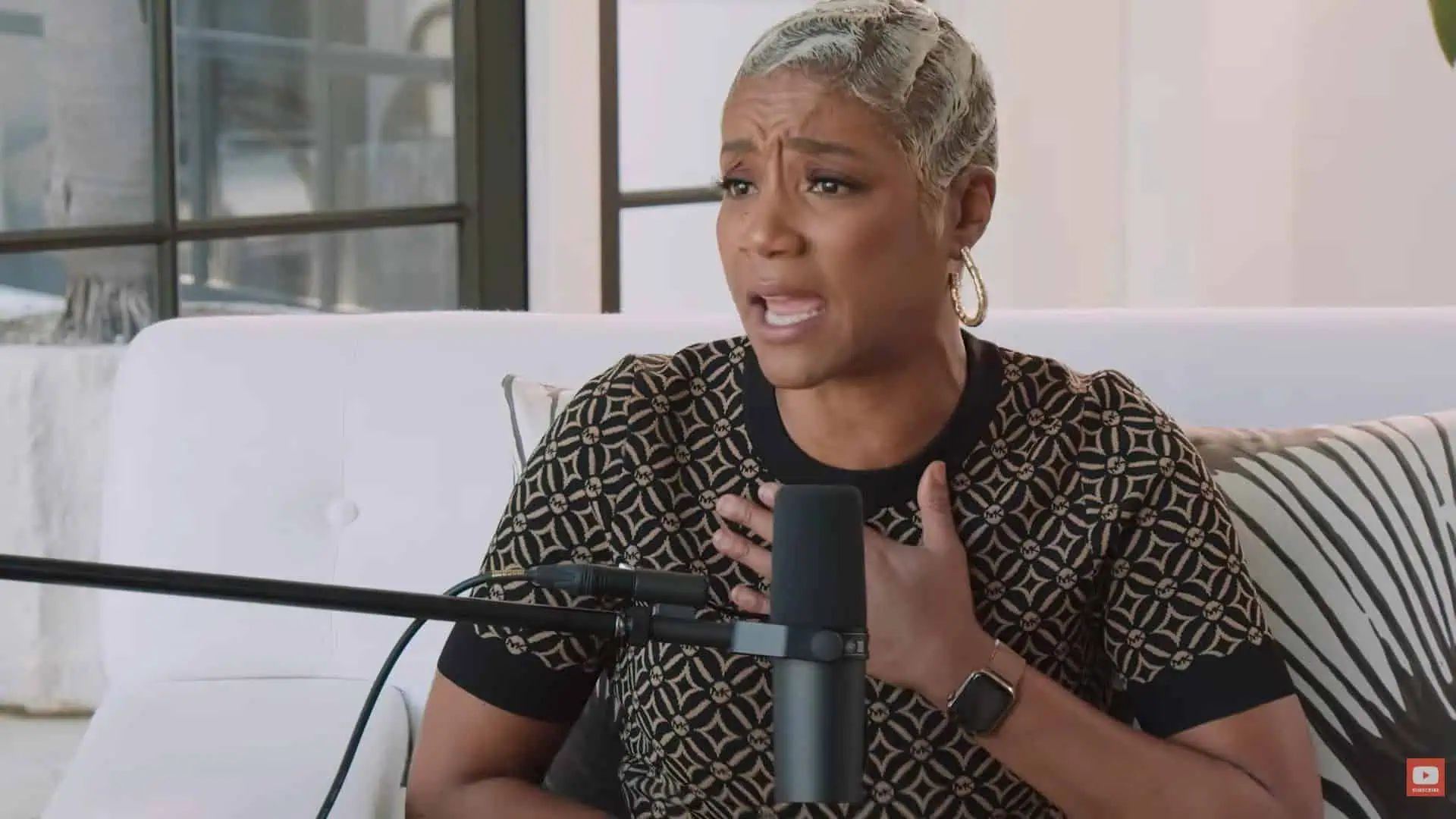
Today, Tiffany Haddish joins Dr. Thais Aliabadi and Mary Alice Haney. Her story brings together several experiences that are too often handled in silence: debilitating period pain, delayed endometriosis diagnosis, recurrent miscarriage, foster care, homelessness, and the long work of building a life with purpose. Her perspective is direct and personal, but it also raises practical questions about how we recognize pelvic pain, seek appropriate medical care, support people after pregnancy loss, and create better opportunities for young people leaving foster care.
This interview-style guide focuses on the health and advocacy lessons that emerge from Haddish’s experience, alongside practical next steps for anyone navigating painful periods, fertility concerns, or the effects of early-life instability.
Table of Contents
- Endometriosis, Miscarriage, and Being Heard in Healthcare
- Pregnancy Loss and the Need for Compassionate Care
- Foster Care, Belonging, and Practical Support
- Comedy, Courage, and Building a Life Beyond Trauma
- Key Takeaways From Tiffany Haddish’s Story

Endometriosis, Miscarriage, and Being Heard in Healthcare
What does Tiffany Haddish’s experience reveal about endometriosis?
Haddish has described living with severe symptoms for years before receiving an endometriosis diagnosis. Her experience included painful periods beginning in adolescence, severe pelvic pain, leg cramping during her cycle, bloating, stress-related symptom flares, and repeated pregnancy loss. Before getting answers, she was given explanations that did not account for the full pattern of her symptoms.
The major lesson is not that every painful period means endometriosis. It is that severe, disruptive, or progressively worsening pain deserves evaluation. Menstrual pain that interferes with work, school, sleep, relationships, movement, or daily activities should not automatically be treated as something a person simply has to endure.
What is endometriosis?
Endometriosis is a condition in which tissue similar to the lining of the uterus grows outside the uterus. These areas can respond to hormonal changes across the menstrual cycle. This may contribute to inflammation, bleeding outside the uterus, irritation of nerves, and pain.
Symptoms can vary considerably. Some people have severe symptoms, while others have few noticeable symptoms. In the discussion, the symptoms associated with endometriosis included:
- Severe menstrual cramps and pelvic pain
- Pain that may extend to the lower back or legs
- Leg cramping during a period
- Bloating
- Painful sex
- Fertility difficulties
- Emotional distress that becomes more difficult to manage when pain is intense
For a fuller overview of symptoms, diagnostic challenges, and treatment approaches, visit this patient guide to endometriosis.
Are painful periods normal?
Mild cramping can be common during menstruation. However, pain is not something we should normalize when it is severe enough to cause vomiting, missed responsibilities, inability to walk comfortably, pain with sex, pain outside menstruation, or reliance on high amounts of over-the-counter pain medication.
Haddish’s account illustrates a common problem: when severe menstrual pain starts young, people may be told that it is just their normal. That can delay investigation of endometriosis and other causes of secondary dysmenorrhea, including fibroids, adenomyosis, ovarian cysts, pelvic inflammatory disease, and adhesions.
A useful rule is simple: if period pain is controlling your life, it is time to ask for a more complete assessment. Learn more about possible causes and treatment options on this page about painful periods and dysmenorrhea.
Can an ultrasound rule out endometriosis?
No. A normal ultrasound does not necessarily rule out endometriosis. Imaging can be useful in evaluating some pelvic conditions, but a normal scan does not mean that a person’s symptoms are not real or that endometriosis is impossible.
This is especially important for people whose symptoms fit a concerning pattern but who have been reassured solely because an ultrasound did not show an obvious abnormality. A clinician should consider the whole picture: symptom history, pelvic examination when appropriate, fertility history, prior surgeries, family history, response to treatments, and any signs of related conditions.

What should we say when asking a clinician about possible endometriosis?
Going into an appointment with a concise symptom history can make it easier to communicate what is happening. We can state the problem directly and ask for a plan.
Examples include:
- “My periods cause pain that prevents me from functioning normally. What could be causing this?”
- “I have pelvic pain along with bloating, pain during sex, back pain, or leg pain. Could endometriosis be part of the evaluation?”
- “My imaging was normal, but my symptoms continue. What are the next steps?”
- “I have had pregnancy losses or difficulty conceiving. Should I have a fertility and gynecologic evaluation?”
- “What treatment options fit my goals, including pain relief and future fertility?”
It can also help to bring a symptom log that records cycle dates, pain severity, bleeding, bowel or bladder symptoms, fatigue, pain with sex, medications used, and whether symptoms disrupt normal activities.
What treatment options may be considered for endometriosis?
There is no single treatment that fits every person. The best approach depends on symptoms, the location and extent of suspected disease, previous treatments, pregnancy goals, medication preferences, and the risks and benefits of surgery.
Options discussed include:
- Pain management: Some people use anti-inflammatory medications, but repeated or excessive dosing can be harmful. Haddish described taking large amounts of ibuprofen when pain was uncontrolled, which is an important reminder to follow a clinician’s guidance rather than escalating doses alone.
- Hormonal suppression: Low-dose hormonal birth control, progestin-based options, hormonal IUDs, and other medications may help suppress endometriosis activity and reduce pain for some patients.
- Surgery: Surgical removal of endometriosis lesions may be considered in selected cases, particularly when symptoms are severe or fertility is a priority.
- Long-term management: Symptoms can recur after surgery, particularly without hormonal suppression when it is medically appropriate. A follow-up plan matters.
- Supportive lifestyle changes: Haddish described modifying sleep, exercise, diet, hydration, and stress management. These adjustments may support overall wellbeing, but they should complement, not replace, medical evaluation for severe pain or fertility concerns.
We should be careful with promises. Endometriosis management can significantly improve pain and quality of life, but no treatment should be presented as a guaranteed cure for every person.
What are common mistakes when trying to manage period pain?
Several mistakes can prolong suffering or create additional health risks:
- Assuming extreme pain is ordinary: Severe symptoms deserve attention even when they have happened for years.
- Accepting dismissal after one test: A normal ultrasound does not end the conversation if symptoms persist.
- Self-medicating beyond recommended doses: Taking excessive pain medication can cause serious harm.
- Focusing on one isolated symptom: Period pain, leg pain, bloating, painful sex, and fertility issues can be clinically meaningful together.
- Delaying care because of past negative encounters: If one clinician is not responsive, seeking a second opinion or specialist assessment may be appropriate.
- Believing pain is a personal failure: Pelvic pain is a medical concern, not evidence that someone is weak, dramatic, or incapable.
Pregnancy Loss and the Need for Compassionate Care
How does recurrent miscarriage affect emotional health?
Haddish spoke candidly about multiple miscarriages and the instinct to isolate while grieving. Her experience reflects how pregnancy loss can bring sadness, anger, shame, anxiety, and a sense of personal failure, even though miscarriage is not a measure of someone’s worth or ability to become a parent.
People grieve differently. Some may want privacy, while others may want help with practical tasks, company at appointments, or someone to check in without demanding conversation. A supportive response is often simple: acknowledge the loss, avoid minimizing language, and ask what support is wanted.
When should someone seek evaluation after miscarriage?
Any pregnancy loss deserves medical attention when there is heavy bleeding, severe pain, fever, fainting, or other urgent symptoms. For people who have had more than one loss, it is reasonable to ask for a focused conversation about recurrent pregnancy loss and a plan for evaluation.
The discussion emphasizes an important point: repeated losses should not be brushed aside. A clinician may consider a range of possible contributors and explain what testing or referrals make sense based on the individual history. We should never assume that a single explanation, especially one offered without a thorough evaluation, tells the full story.
For practical information on symptoms, diagnostic assessment, treatment options, physical recovery, and emotional support, see this resource on miscarriage and early pregnancy loss.
What can friends and family do after a miscarriage?
We can offer support without trying to solve grief. Helpful actions include:
- Say that we are sorry for the loss.
- Ask whether the person wants company, meals, transportation, childcare, or quiet space.
- Continue checking in after the first few days.
- Avoid asking when they will try again.
- Avoid telling them that everything happens for a reason.
- Encourage urgent medical care for concerning symptoms.
- Respect privacy while making it clear that support remains available.
Foster Care, Belonging, and Practical Support
How did foster care shape Tiffany Haddish’s advocacy?
Haddish has spoken about entering foster care after her mother’s serious car accident and being separated from her siblings. She described the instability of moving between homes and carrying belongings in trash bags. A suitcase later became a powerful symbol of dignity, safety, and identity.
That experience informed her work through the She Ready Foundation. Her stated priorities include providing suitcases to foster youth and young people leaving youth detention settings, as well as teaching practical life skills such as opening a bank account, applying for jobs, applying for housing, and understanding borrowing and credit.
Why do suitcases matter for children in foster care?
A suitcase may look like a small practical item, but it can communicate that a child’s belongings matter. When young people move with their possessions in trash bags, the experience can reinforce feelings of disposability and instability. Giving a child durable luggage does not fix the system, but it can restore a measure of respect and ownership during a disruptive transition.
For communities looking to help, this is a specific and accessible model: donate new luggage, backpacks, personal-care items, school supplies, or age-appropriate comfort items through reputable foster-care organizations.
What support helps foster youth prepare for adulthood?
Haddish’s advocacy centers on a crucial idea: care should not end with shelter. Young people also need usable skills, relationships, and pathways to independence. A practical transition program can include:
- Financial literacy: Banking, credit, loans, saving, taxes, and budgeting.
- Employment preparation: Résumés, job applications, interview practice, workplace expectations, and apprenticeships.
- Housing support: Rental applications, tenant rights, household budgeting, and stable transitional housing.
- Food access: Affordable healthy food, cooking skills, and meal planning.
- Education and trades: Exposure to career options and pathways that lead to sustainable work.
- Trusted adults: Mentors who offer steady guidance without judgment.
Her vision for trade education and community employment reflects the value of concrete opportunity. Hope becomes more actionable when a young person can learn a marketable skill, earn income, understand money, and access safe housing.
What changes could improve the foster-care system?
The conversation points to three connected priorities. First, support families before crisis escalates, including access to healthcare, mental-health care, substance-use treatment, food, and parenting resources. Second, prioritize stability and relationships for children who must enter care. Third, create meaningful transition support for young adults who age out of the system.
These needs are not abstract. A young person navigating placement changes may also be navigating school disruption, separation from siblings, grief, trauma, lack of transportation, and uncertainty about where they will sleep after emancipation. Systems work better when they treat these realities as interconnected.

Comedy, Courage, and Building a Life Beyond Trauma
How did comedy become part of Tiffany Haddish’s resilience?
Haddish describes humor as a survival tool. As a child, making people laugh gave her relief, connection, and a temporary sense of control during deeply painful circumstances. A social worker’s choice to send her to comedy camp became a turning point, allowing that instinct to become a craft and eventually a career.
Humor does not erase trauma or replace therapy, safety, medical care, or stable support. But it can be a meaningful coping resource. For Haddish, laughter helped create space between pain and identity. She was not only what happened to her.
What is the difference between confidence and courage?
Haddish makes an important distinction: confidence is not always required before taking action. Courage can mean moving forward while still feeling uncertain, afraid, or wounded.
This distinction can be especially helpful for people facing medical appointments, grief, housing insecurity, foster care transitions, or a new career goal. We do not have to wait until we feel fully prepared. A next step can be as small as making an appointment, telling a trusted person the truth, writing down a goal, or asking a second person for help after the first says no.
What practical advice does her story offer to young people in difficult circumstances?
The clearest advice is to keep looking for the next source of support and opportunity. A difficult childhood or an unstable present does not define what comes next. Asking for help is not weakness, and one person’s inability to help does not mean no one will help.
We can turn that message into a practical personal plan:
- Name one immediate need: safety, food, healthcare, school support, housing, transportation, or emotional support.
- Identify one trusted adult or organization: a counselor, teacher, social worker, clinic, mentor, relative, faith leader, or community group.
- Write down one goal: not a perfect life plan, just one thing to work toward.
- Take one daily action: complete an application, attend a class, save a small amount, call an office, practice a skill, or ask for information.
- Keep asking: if one route fails, try another person, agency, school program, or community resource.
Key Takeaways From Tiffany Haddish’s Story
What should we remember most?
First, severe period pain deserves proper care. Endometriosis and other gynecologic conditions can be missed when symptoms are minimized, especially if testing appears normal but the person remains in pain.
Second, miscarriage is both a medical and emotional experience. Repeated loss should prompt compassionate support and a thorough clinical conversation rather than dismissal.
Third, young people in foster care need more than short-term placement. Dignity, stability, practical life skills, employment opportunity, and continuing relationships can shape what happens after they leave the system.
Finally, we can hold both pain and possibility. Haddish’s story does not romanticize hardship. It shows how advocacy, medical self-advocacy, creativity, community support, and repeated effort can create paths forward.
Concerned About Your Health? Talk to Dr. Aliabadi
Dr. Aliabadi is an expert OB/GYN who is knowledgeable in all aspects of women’s health and well-being. Dr. Aliabadi and her caring, supportive staff are available to support you through PCOS, endometriosis, menopause, childbirth, infertility, or routine gynecological care. We invite you to establish care with Dr. Aliabadi. Call us at (844) 863-6700 or
Frequently Asked Questions
Can endometriosis cause leg pain or leg cramps during a period?
Endometriosis-related pain can sometimes be felt beyond the pelvis, including in the back or legs. Leg pain or cramping can have many causes, so it is important to discuss the timing, severity, and pattern with a healthcare professional.
Does a normal ultrasound mean we do not have endometriosis?
No. A normal ultrasound does not rule out endometriosis. Persistent symptoms should be evaluated using the full medical history and an individualized clinical plan.
When should severe period pain be evaluated?
Seek evaluation when pain interferes with daily life, worsens over time, does not improve with typical measures, occurs with painful sex or bowel and bladder symptoms, or is accompanied by fertility concerns.
What should we do after more than one miscarriage?
Schedule a conversation with an obstetrician-gynecologist or fertility specialist about recurrent pregnancy loss and appropriate evaluation. Seek urgent care for heavy bleeding, severe pain, fever, fainting, or other concerning symptoms.
How can we support foster youth in a meaningful way?
Support can include donating luggage and essential items, mentoring, offering job training, funding life-skills education, helping with housing transitions, and supporting organizations that provide consistent services for foster youth.