We can spend years assuming breast cancer happens to somebody else. Somebody with a family history. Somebody with a lump. Somebody who feels sick. But Hannah Storm’s story is a powerful reminder that breast cancer does not always announce itself, and that following up on a screening can change everything.
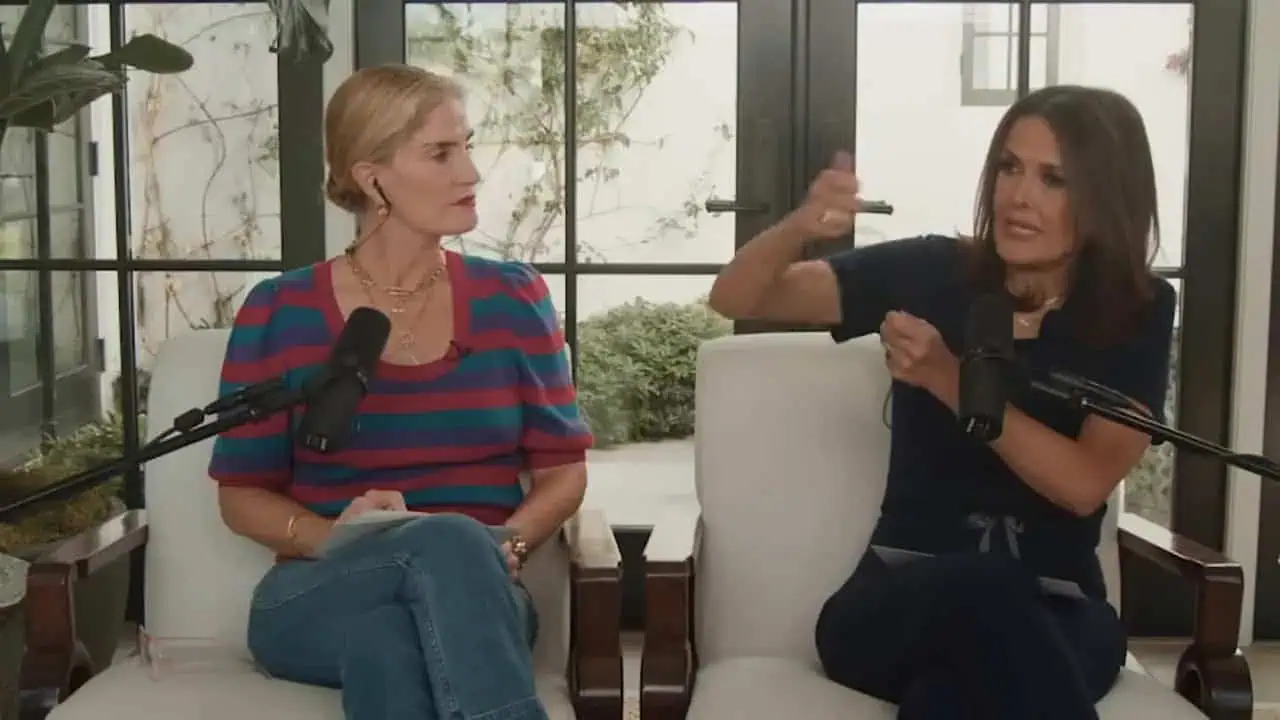
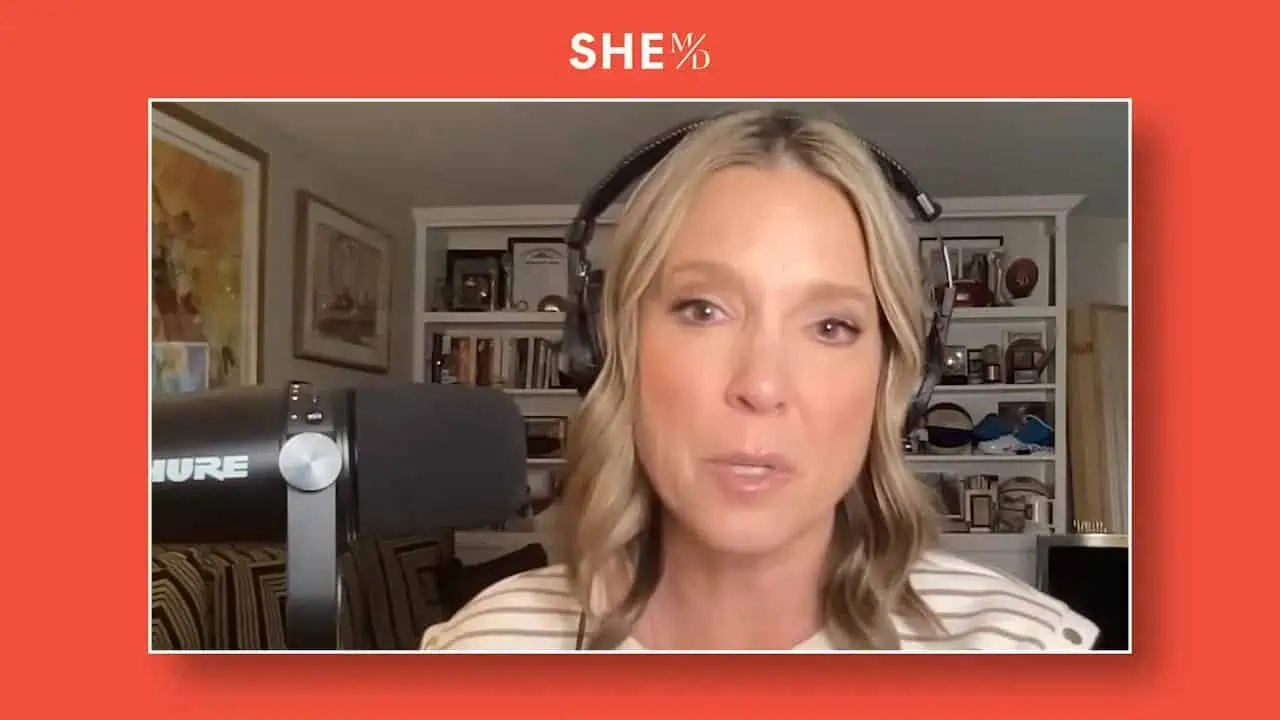
In this conversation, Dr. Thais Aliabadi and Mary Alice Haney talk with Hannah about becoming one of the first women in sports broadcasting, using her platform to advocate for women and veterans with disabilities, and the mammogram, ultrasound, biopsy, and proactive follow-up that led to her early breast cancer diagnosis. We also get honest about dense breasts, genetic testing, tamoxifen, and why women need to stop putting their own health at the bottom of the list.
Table of Contents
- A Trailblazer Learns to Bet on Herself
- Advocacy Means Seeing the People the System Leaves Behind
- The Mammogram That Changed Everything
- Dense Breasts: What They Mean and What to Do Next
- Family History, Genetic Testing, and Personal Risk
- Why Sharing a Breast Cancer Story Can Save a Life
- Career Advice for Women Who Want to Break the Door Down
- Living Intentionally After Cancer
- FAQ
A Trailblazer Learns to Bet on Herself
How did we get the Hannah Storm we know from SportsCenter and ESPN?
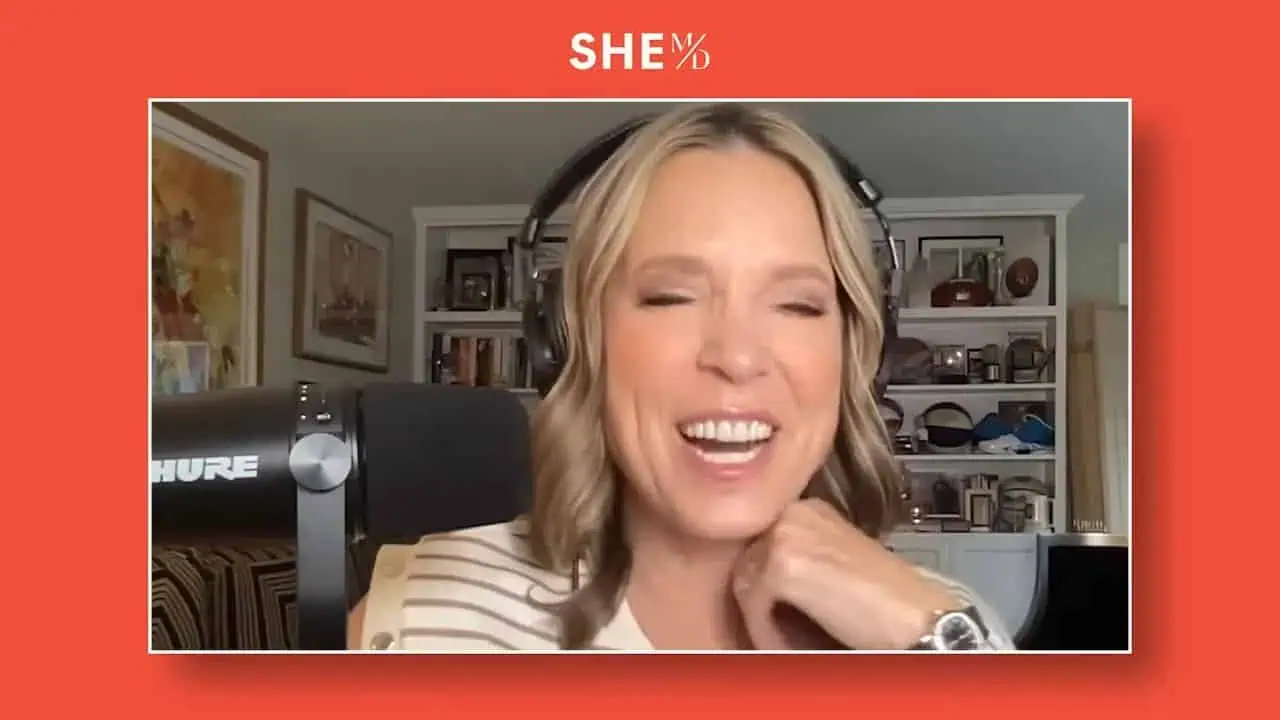
We grew up around sports because our dad was a sports executive. When it was not a school night, we went to basketball games and baseball games. We loved the competition, the psychology of winning and losing, and the question of what makes somebody excel.
At the same time, we were a total ham. We did plays and musicals. So when we got to Notre Dame, we thought, why not combine those two loves? We hosted a radio show, did sports talk, worked as a DJ, and took every local television opportunity we could find. During summers, we interned anywhere that would have us, and we waited tables to help cover school expenses.
But when it came time to find a real job, it was brutal. There were no women routinely talking about sports on television, and the messages we received were not subtle. Some hiring managers said their audience would not accept a woman in sports. Others simply did not want to work with a woman at all.
That is hard to imagine now, but it was the landscape. We sent hundreds of cover letters and audition tapes. Not links, because this was before that. Literal tapes.
What advice helped us keep going through all of those rejections?
Our dad gave us a piece of advice that stayed with us: there are more radio stations than television stations, so the odds are better. We only need one person to say yes.
That was it. We did not need universal approval. We did not need every gatekeeper to suddenly become enlightened. We needed one chance.
We went downtown in Houston, made a couple of radio tapes, answered job listings, and eventually got offers. The job we took was in Corpus Christi, Texas, as a heavy metal DJ. That is where “Storm” came from as an on-air identity. We were spinning Quiet Riot, Def Leppard, Scorpions, and Van Halen in the heart of the headbanger era.
Then we kept answering ads and found a sportscasting job at a rock station in Houston. The path was not linear, polished, or predictable. But it was ours.
Advocacy Means Seeing the People the System Leaves Behind
Why does advocacy for healthcare access matter so deeply to us?
When we share personal health stories, we never know where they will lead. For years, we hosted Veterans Day specials at ESPN and spent time with veterans around the world. Through those relationships and through talking publicly about breast cancer, we learned how difficult it can be for female veterans with disabilities to get routine gynecological care.
For women who use wheelchairs or have other disabilities, something as basic as getting a mammogram can become an obstacle course. Not every facility can accommodate a wheelchair. Not every imaging center has equipment that works for someone with a disability. In some places, even making an appointment is difficult.
That should be unacceptable. Women who have served our country and returned with injured bodies deserve accessible, respectful care. They should never be treated as an afterthought.
For people who want to support this work, Paralyzed Veterans of America is an important resource. We can also ask practical questions when scheduling care: Is the facility wheelchair accessible? Is the mammography equipment accessible? Can staff accommodate specific physical needs?
How does the Hannah Storm Foundation fit into this work?
The Hannah Storm Foundation helps fund surgeries for children with vascular anomalies, including serious birthmarks and vascular conditions that can affect the face, brain, limbs, vision, and quality of life. Some families face enormous financial barriers because insurance coding may label medically necessary procedures as cosmetic or plastic surgery.
That is one of the most frustrating things about healthcare. A condition may cause real pain, functional limitations, or devastating complications, yet families can still be left to fight for coverage. We want to make sure that children and families who have nowhere else to turn are not abandoned by the system.
Why is finding care so difficult for so many women?
We all know the experience of trying to find the right gynecologist, dermatologist, psychiatrist, or primary care physician, especially when children move away to college or start life in a new city. Insurance networks vary from state to state. Mental health care can be particularly hard to access. People can be told their next available appointment is months away while they are actively struggling.
There is a shortage of physicians, and the underlying system is broken. Training is long and grueling. Reimbursement is often inadequate. Many doctors are pushed out of network because they cannot sustain a practice on in-network payment rates. The result is a system where patients cannot get timely appointments and clinicians burn out.
We need more access, more respect for medical professionals, and better systems that do not dismiss women’s symptoms. We also need women to have the tools to speak up. If a provider is not listening, asking questions, requesting records, pursuing follow-up, and seeking another opinion can be life-changing. Our guide to advocating for yourself at the doctor offers practical ways to take that next step.
The Mammogram That Changed Everything
How was Hannah’s breast cancer found?
The timing was extraordinary. Hannah’s close friend, tennis icon Chris Evert, had been navigating ovarian cancer after losing her sister to the disease. Hannah encouraged Chris to speak at a cancer fundraiser for a friend whose brother had died from cancer. Chris suggested bringing her doctor, Dr. Elisa Port, director of the Dubin Breast Cancer Center at Mount Sinai, so they could educate the audience together.
They had a meaningful discussion about cancer, risk, and prevention. Very soon afterward, Hannah had her mammogram. She was normally diligent about annual screening, but this appointment came about 16 months after her previous mammogram rather than 12.
Then she heard nothing. No report. No call to her gynecologist. Just silence.
And that is where the story becomes so important. Hannah did not assume silence meant everything was fine. She tracked down her own results. She learned that she had dense breasts and was supposed to have an ultrasound.
That follow-up ultrasound found an area that needed more evaluation. The recommendation was a biopsy. The early messaging was that it was probably nothing. But Hannah proceeded with the biopsy, and it revealed DCIS, or ductal carcinoma in situ.
What happened after the DCIS diagnosis?
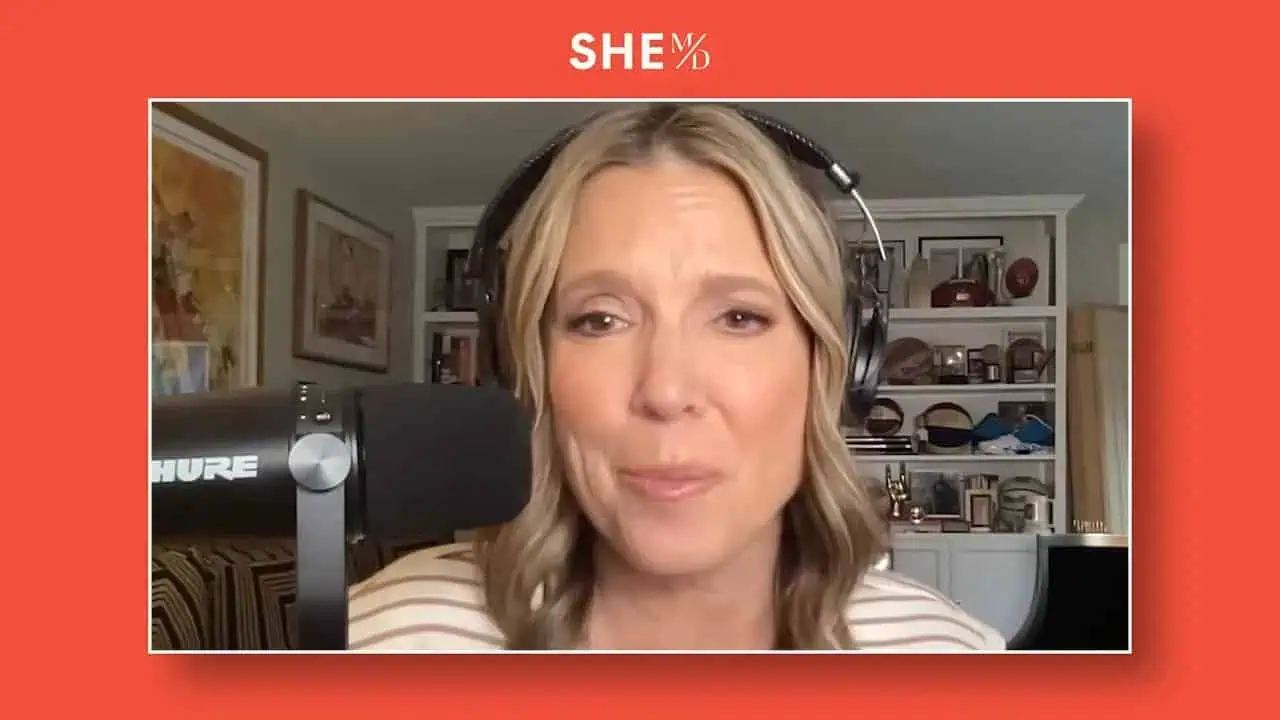
Hannah contacted Dr. Port right away. It was one of those moments where two friends who had just spoken publicly about cancer suddenly found themselves in it together. Hannah underwent a lumpectomy and did not require radiation. She takes tamoxifen as part of her treatment plan.
The crucial point is that she had no lump, no pain, and no symptoms. She had no known family history of breast cancer and no genetic predisposition found on testing. Nothing about how she felt would have told her that breast cancer was there.
That is why mammograms matter. Early breast cancer detection can make an enormous difference, especially when cancer is found at an early stage such as DCIS. Mammograms can be uncomfortable, inconvenient, and easy to postpone. But this is one of those appointments that cannot be treated as optional.
What should we do if we do not receive mammogram results?
We follow up. We ask for the report. We make sure our ordering clinician received it. We confirm whether further imaging, such as an ultrasound or diagnostic mammogram, is recommended.
Silence is not a result. We need the actual report and a clear next step. This is not about creating panic. It is about being appropriately engaged in our own care.
For practical details about scheduling and preparing, including what to bring and how 2D and 3D mammograms differ, read our guide on how to prepare for a mammogram.
Dense Breasts: What They Mean and What to Do Next
What are dense breasts, and can we tell by feeling our breasts?
No. Breast density has nothing to do with breast size, how breasts feel on examination, or whether they look firm. It is a finding on breast imaging, typically noted in a mammogram report.
Breasts contain glandular tissue, connective tissue, and fatty tissue. Dense breasts have a higher proportion of glandular and connective tissue relative to fatty tissue. Younger women often have denser breasts, and breast tissue commonly becomes less dense with age as more of that tissue is replaced by fat.
Dense tissue can make cancer harder to identify on mammography because both dense tissue and many abnormalities can appear white. In simple terms, it is harder to see a white area against a white background.
Why does 3D mammography matter for dense breasts?
A 2D mammogram is a two-dimensional X-ray image, where breast tissue can overlap. A 3D mammogram, also called digital breast tomosynthesis, allows radiologists to evaluate the breast in thin layers, almost like turning the pages of a book. This can make it easier to detect abnormalities hidden by overlapping tissue.
Mammograms remain the first and most important screening tool. They detect about four out of five breast cancers, but some cancers can be missed, especially in people with dense or extremely dense breasts. That is why ultrasound may be added for dense breast tissue.
What breast screening plan may be appropriate for dense breasts?
Individual screening depends on personal risk, breast density, age, family history, genetic testing, and prior imaging findings. But the core message is clear:
- Mammography is the first step. It remains the primary breast cancer screening test.
- Dense breasts may warrant supplemental ultrasound. Ultrasound can help identify findings that mammography may not show clearly in dense tissue.
- High-risk patients may need breast MRI. People with a lifetime breast cancer risk of 20% or greater may need MRI in addition to mammography and ultrasound.
- High-risk imaging can begin earlier. In certain circumstances, screening starts before age 40, sometimes as early as 30.
Dense breasts are common, and having them does not mean we have cancer. It means we need to understand our report and have a conversation about whether additional screening is right for us. More information on density notifications and supplemental screening is available in our resource about breast density after mammograms.
Family History, Genetic Testing, and Personal Risk
Does no family history mean we can skip mammograms?
Absolutely not. This is one of the most persistent and dangerous misconceptions around breast cancer. The majority of people diagnosed with breast cancer do not have a family history. In this discussion, we noted that about 85% of patients with breast cancer do not have a known family history, and fewer than 5% have a gene mutation associated with breast cancer.
Family history is relevant, but it is not the only variable. Age, breast density, reproductive history, height, weight, age at first period, age at first childbirth, ancestry, and other factors can all contribute to an individual risk profile.
It also matters whether cancer comes from the maternal or paternal side of the family. Cancer risk does not only travel through mothers. A paternal aunt, grandmother, cousin, or other relative can be important. Men in the family matter, too. Prostate, pancreatic, colon, and other cancers may affect whether genetic testing is indicated.
How do we assess lifetime breast cancer risk?
Risk assessment tools combine personal and family history to estimate lifetime risk and shorter-term risk. In our practice, we use the Tyrer-Cuzick risk assessment tool. It considers factors including:
- Age, height, and weight
- Breast density
- Age at first period and age at first childbirth
- Family history of cancer
- Ashkenazi Jewish ancestry
- Known BRCA testing results
A lifetime risk of 20% or greater places someone in a high-risk category and may change the age screening begins and the imaging recommended. If a close family member was diagnosed at a young age, screening may need to start 10 years before that relative’s age at diagnosis.
Is genetic testing only about BRCA?
No. BRCA1 and BRCA2 are important, but they are only two among many genes that may be included in hereditary cancer testing. For example, CHEK2 is another gene mutation associated with elevated risks that can include breast, colon, and prostate cancers.
Genetic testing is typically a blood test, and it should be paired with clear guidance about what the results mean for us and our family. A negative result does not erase breast cancer risk. A positive result does not define our future. It provides information that may help guide screening, prevention, and family conversations.
Why Sharing a Breast Cancer Story Can Save a Life
Why did Hannah choose to speak publicly about breast cancer?
Being public about health is hard. It is vulnerable. In sports especially, the old culture was about playing through pain, keeping moving, and not talking about what is happening in your body.
But Hannah wanted to demystify breast cancer. She wrote in detail about her experience for ESPN and Disney employees, spoke with Robin Roberts, participated in a People magazine story, and discussed breast cancer on SportsCenter. There is something incredibly powerful about bringing a topic like breast cancer into a space that has historically focused on scores, highlights, and sports analysis.
We need to talk about what affects women. We need to make room for personal stories without treating women’s health as a niche issue. If a story prompts even one person to schedule a mammogram, follow up on an abnormal result, or ask about dense breasts, it matters.
How can partners, friends, and family members help?
Support can be wonderfully practical. Mammograms are not fun. They require scheduling, transportation, childcare, time away from work, and emotional energy. Partners, friends, siblings, and adult children can help make the appointment, offer a ride, watch the kids, or simply ask whether the screening has been scheduled.
That is not nagging. That is love. Health is not only an individual responsibility. It can be a shared act of care.
Career Advice for Women Who Want to Break the Door Down
What do we tell young women who want to enter a field where they may be underestimated?
Bet on yourself. Take risks. Do things that scare you.
Our first full-time television job involved NASCAR, and at the time we did not even know what NASCAR stood for. But we knew we were a hard worker. We knew we were smart. We believed we could learn stock-car racing.
Years later, Amazon asked us to call play-by-play for Thursday Night Football, becoming the first woman to do NFL play-by-play for a season. It was scary. It felt like jumping off a cliff. It required us to face criticism, including the kind that comes fast and loud on social media.
But the answer is not to become smaller. The answer is to get clear about what we bring.
- What are we good at?
- What are we passionate about?
- What does the world need?
- What can we get paid to do?
Where those things overlap, we often find the work that fits. Passion matters. Effort matters. Adaptability matters. And hard work still matters enormously.
What should we do with criticism on social media?
We have to stop internalizing it. Social media can breed insecurity and make young women more risk-averse, especially when they are considering putting themselves out there. We cannot let strangers with an opinion dictate the size of our dreams.
We do not need to be fearless. We need to be willing to move while we are scared.
Living Intentionally After Cancer
What does health look like after a breast cancer diagnosis?
There is no one perfect formula. For Hannah, it has included being more intentional about everyday choices: reducing microplastic exposure where possible, using a glass water bottle, checking products and food choices through the Yuka app, and becoming more thoughtful about ingredients in skin care and food.
It has also meant meeting with a nutritionist to understand how to eat well while taking tamoxifen, prioritizing fruits and vegetables, continuing exercise, walking, being outside, and spending time in nature.
This is not about perfection. There are chemicals everywhere. There are demands everywhere. The goal is not to become afraid of every choice. The goal is to become more aware and more intentional in the areas we can influence.
What should women taking tamoxifen discuss with their care team?
Tamoxifen is an estrogen receptor modulator used to reduce the risk of breast cancer recurrence in many patients. It blocks estrogen from binding to receptors in breast tissue, but it can stimulate the uterine lining.
That is why gynecologic follow-up matters. In this conversation, Dr. Aliabadi emphasized regular pelvic ultrasounds for patients on tamoxifen, with assessment of the uterine lining and further evaluation, including biopsy, if the lining is thickened or a polyp is present. Patients may take tamoxifen for five to 10 years, so this needs to remain part of ongoing care.
Cancer treatment should also be individualized. Not every patient needs the same medication dose, duration, radiation plan, or follow-up schedule. We need to understand the details of our own cancer and discuss options with the physicians who know our pathology and overall health history.
Every cancer has its own identity. It has features that help determine how aggressive it is, whether it responds to hormones, and what treatment is likely to help. We should ask questions, advocate for individualized care, and listen to our medical team.
FAQs
What is DCIS breast cancer?
DCIS stands for ductal carcinoma in situ. It is an early-stage breast cancer finding in which abnormal cells are located in the milk ducts and have not spread into surrounding breast tissue. Early detection is a major reason regular breast screening matters.
Can we have breast cancer without a lump or symptoms?
Yes. Hannah Storm had no lump, pain, or symptoms. Her DCIS was identified after mammography, ultrasound, and biopsy. Feeling well does not replace recommended screening.
How do we know whether we have dense breasts?
Breast density is determined through imaging, not by breast size or how breasts feel. Check the mammogram report for a statement about breast density and discuss whether supplemental screening is appropriate.
Should we get an ultrasound if we have dense breasts?
Dense tissue can make mammograms harder to interpret, and ultrasound may be recommended as an added screening tool. The right plan depends on individual risk, imaging results, and guidance from a healthcare professional.
Does breast cancer need to run in our family for us to be at risk?
No. Most people diagnosed with breast cancer do not have a known family history. Family history is important, but so are breast density, age, reproductive history, and other individual risk factors.
What should we do if a mammogram report never arrives?
Contact the imaging center and the clinician who ordered the test. Request the report, confirm whether any follow-up imaging is recommended, and do not assume no news means normal results.
Medical note: This conversation is for educational purposes and is not a substitute for personal medical advice. We should speak with our own qualified healthcare professional about breast cancer screening, breast density, genetic testing, symptoms, and treatment decisions.
Concerned About Your Health? Talk to Dr. Aliabadi
Dr. Aliabadi is an expert OB/GYN who is knowledgeable in all aspects of women’s health and well-being. Dr. Aliabadi and her caring, supportive staff are available to support you through PCOS, endometriosis, menopause, childbirth, infertility, or routine gynecological care. We invite you to establish care with Dr. Aliabadi. Call us at (844) 863-6700 or
This article was created from the video Hannah Storm of ESPN: Early Breast Cancer Detection | SHE MD for Dr. Thais Aliabadi’s website.