Mental health is not always one dramatic moment. Sometimes it is a slow accumulation of grief, responsibility, fear, exhaustion, and the pressure to keep functioning when our bodies are begging us to stop.
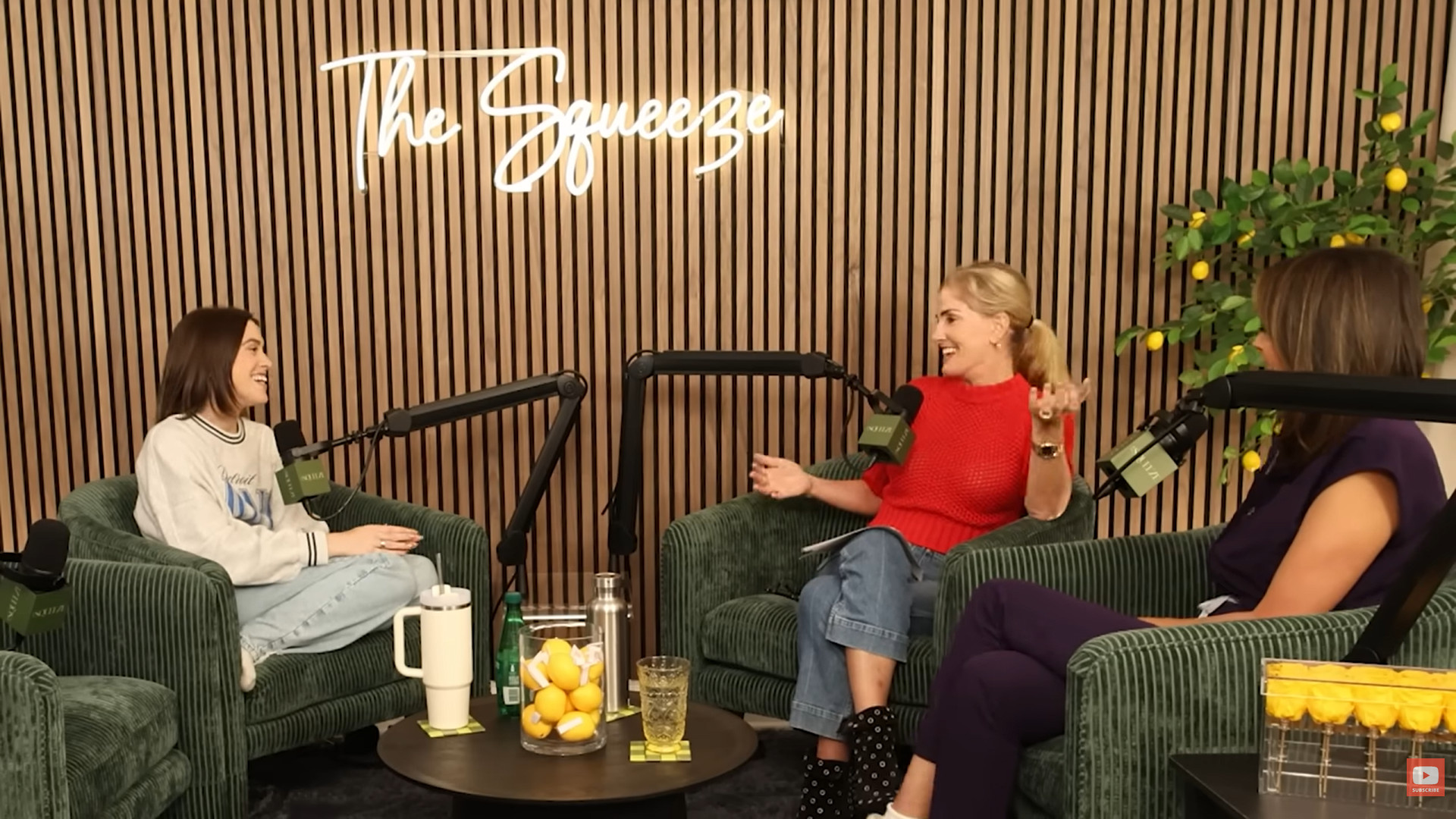
In this candid conversation, Dr. Thais Aliabadi and Mary Alice Haney talk with Tay Lautner about nursing through the COVID-19 pandemic, the PTSD, anxiety, depression, and dissociation that followed, and how those experiences inspired her work with The Lemons Foundation and The Squeeze podcast. We also discuss breast health, hormonal birth control, fertility questions, and the small daily practices that can help us feel present again.
Table of Contents
- From Nursing School to the Front Lines of COVID-19
- Why Community Is Not Optional
- PTSD, Emotional Numbness, and Dissociation
- Turning Lemons Into Lemonade Through Accessible Resources
- A Breast Lump Scare and the Importance of Being Familiar With Our Bodies
- Birth Control, Mood Changes, and Fertility Questions
- Five Simple Ways to Support Our Mental Health
- FAQ
From Nursing School to the Front Lines of COVID-19
Before mental health became personal for you, what did you understand about it?
Tay: Mental health had always been around me, even before I experienced it myself. A lot of my family members have struggled with addiction, and I had seen the devastation that can come with it. I had almost lost family members to heroin overdoses.
Then, after high school, one of my closest friends was diagnosed with bipolar disorder and lost his life during a manic episode. That was one of the first times mental health became very real to me. But even then, I did not think of myself as someone who would one day struggle with depression, anxiety, PTSD, or dissociation.
I went to nursing school, loved it, and started working as a nurse in early 2020. I had originally wanted outpatient work. I loved surgery and the operating room environment, and I thought I would work somewhere with more regular hours and holidays off. Then COVID happened, outpatient centers shut down, and I knew I needed to help.
I applied to a new graduate program at a hospital I admired. I was hired as a cardiac nurse on a telemetry floor. Within months, our floor was caring for COVID patients.
What was it like to work as a young nurse during that period?
Tay: It was overwhelming. My first night working independently, we were already outside normal staffing ratios. Instead of caring for four patients, I had five, and we were short-staffed. We had patients who should have been in the ICU, but the ICU was full. We had complicated respiratory cases, equipment I had not been trained to use, and no room to put people who needed more intensive care.
At the same time, we were all trying to help each other. On days I was off, my manager would call and ask whether I could come in around midnight just to take vital signs. I kept saying yes because I knew what it felt like to be short-staffed. I knew the nurses working needed help.
For three or four months, life became a cycle of night shifts, extra shifts, exhaustion, and emotional overload. There were nights when I cried while walking into patient rooms because I was so overwhelmed. I would go an entire shift without taking a break because that was simply what everyone was doing.
We need to talk about the toll this took on healthcare workers. Nurses, doctors, respiratory therapists, support staff, and everyone who worked in medical settings were carrying enormous trauma. Many were young, under-resourced, and trying to care for people who were scared and alone.
When did you realize that something was wrong with your own mental health?
Tay: It was February 2021. I had worked several night shifts, and my husband looked at me in the car and asked, “Are you actually okay?” I gave the tired answer. I said I was fine, just exhausted. But he asked again, and it was the first time I paused and thought, “Wait, am I okay? What am I feeling?”
That question mattered. We need people who can lovingly check in on us, especially when we are too busy surviving to notice that we are not ourselves.
Later, I got COVID outside of the hospital while visiting my husband on set. I became very sick, needed disability leave, and was out of work for two months. In hindsight, being forced to stop was the intervention I needed. I am not a quitter. I probably would have gone part-time, changed units, or pushed myself in another way. But I needed to be removed from that environment entirely.
Eventually, I was diagnosed with severe PTSD, depression, and anxiety related to my experiences. That was the beginning of my own mental health journey.
Why Community Is Not Optional
What helped you start moving forward after leaving the hospital?
Tay: Community was huge. COVID showed us how isolating life can become. Many people were alone, grieving alone, sick alone, parenting alone, or struggling alone. We are also living in a period where so much can happen virtually. Technology has real benefits, but it cannot replace the feeling of sitting with someone, being heard, and having a person look at us and ask how we are really doing.
I am a bit of an extrovert and introvert at the same time. I do not necessarily need a huge social event. I feel recharged by sitting on the couch with a few close friends and having an honest conversation. We need to make time for that on purpose instead of waiting until we are in crisis.
We also need accountability. That might be a spouse, friend, sibling, parent, therapist, or someone else we trust. A good support person can notice when we are withdrawing, disconnected, or not acting like ourselves.
Therapy is another huge part of the equation. We can love our partners deeply and tell them everything, but they are not trained to guide us through trauma, ask the right questions, or offer clinical tools. A therapist can provide a different kind of support, and we should never be ashamed of needing it.
For more conversations about trauma, loneliness, anxiety, and healing, explore our mental health podcast archive. We also need to take the loneliness epidemic seriously, including its effects on our physical health. Our discussion on loneliness and health offers more context on why connection matters so much.
PTSD, Emotional Numbness, and Dissociation
What did PTSD look like for you after you left nursing?
Tay: Healing was not quick. I initially thought that removing myself from the hospital environment would be enough. I had always seen myself as resilient. I grew up dancing, learned to take criticism, and thought of myself as someone who could stay positive and push through difficult things.
But there were signs that I was not okay. In early 2022, I was in New York with my husband during a movie press tour. It was my first trip there, everything around me was exciting, and I was sitting at dinner with friends. Yet I suddenly realized I could not feel anything. I was in this magical place where I thought I should feel thrilled, but instead I felt numb.
I told my husband I did not feel happy, but I could not explain why. It was frightening because nothing had happened in that exact moment. I was surrounded by people I loved. Still, I felt detached from my own life.
How would you describe dissociation?
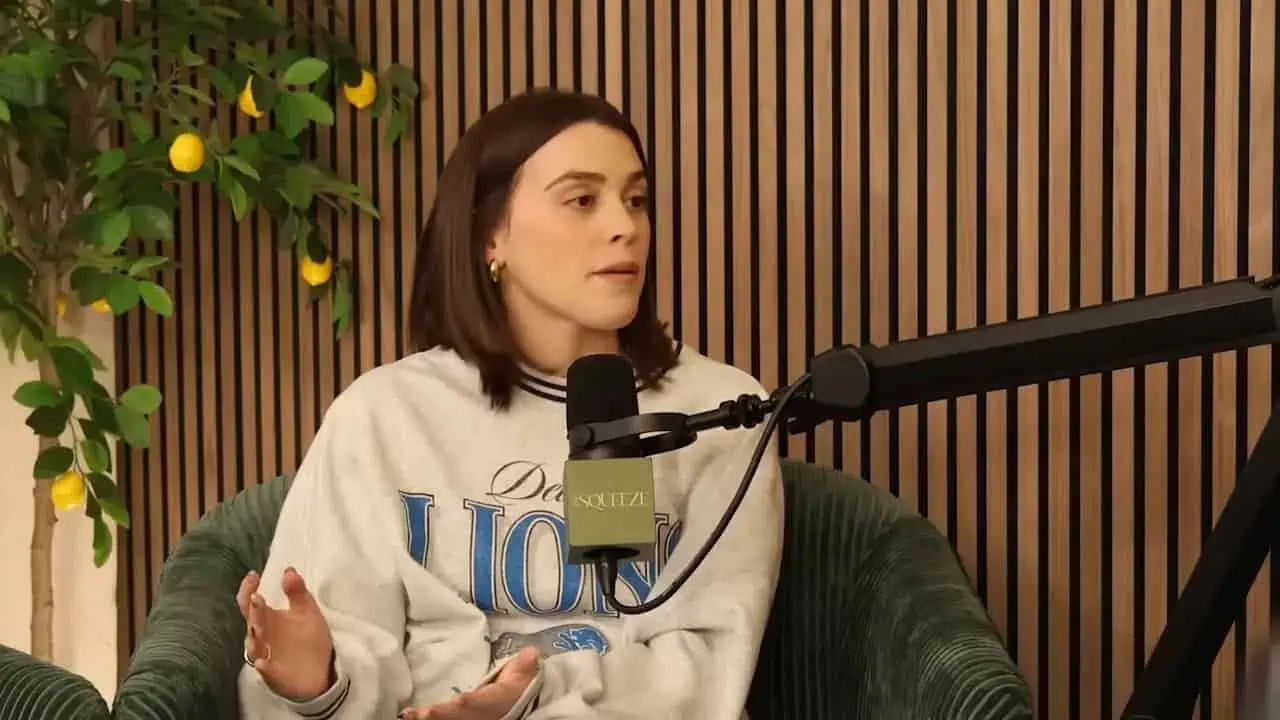
Tay: For me, dissociation felt like being physically present but not really being there. It was like no one was home. I was in the room, but I was not engaged or connected.
It started affecting my memory too. I would forget names of friends or restaurants I absolutely knew. I could recognize that I knew the information, but I could not access it. At one point, my husband mentioned a restaurant, and I knew I had been there, but I could not remember its name, where it was, or anything about it. That was when it began to feel scary.
I worried about what could happen if this occurred while I was driving or in a situation where I needed to be fully alert. It was not just being tired. It felt like my mind was slipping away from me.
What helped you seek treatment?
Tay: I sought out more information because I needed to understand what was happening. I had brain imaging that supported PTSD and depression findings. For me, it was reassuring. It helped me feel less like I was losing my mind and more like there was an explanation for what I was experiencing.
I had started therapy shortly before that, then began EMDR, which stands for eye movement desensitization and reprocessing. EMDR is a trauma-focused therapy that can use eye movements, tapping, or other bilateral stimulation while working through traumatic memories with a trained therapist.
I did about five sessions, virtually, using tapping. It was incredibly meaningful for me. I learned that one of my deepest hurts was feeling as if I had lost my innocence. At 23, I had patients look me in the eyes and ask if they were going to live, while I knew their odds were not good. There is no simple way to carry those moments.
Our experiences do not disappear just because we push them down. Childhood experiences, family addiction, grief, loss, professional stress, illness, and frightening medical events can layer on top of each other. We may be functioning until one more difficult thing pushes us past our capacity. That does not mean we are weak. It means we are human.
Turning Lemons Into Lemonade Through Accessible Resources
How did your mental health experience lead to The Lemons Foundation?
Tay: Once I left nursing, I wanted to give back. COVID was a hard time for so many people, not just healthcare workers. I began sharing small practices that helped me through a blog called Lemons by Tay. It was simple: a nighttime routine, a kindness challenge, a grounding exercise, or a reminder that we could take one small step.
About six months later, that became The Lemons Foundation. The purpose is to make mental health resources more accessible and digestible. When we search something broad like “how do I improve my mental health,” we can be met with so much information that we feel overwhelmed and give up before beginning.
We want to offer small, realistic tools that people can actually try. Through Lemons by Tay, we share:
- Grounding and breathing techniques
- Journal prompts and daily check-ins
- Practical mental health reminders
- Resources related to depression, suicide prevention, domestic violence, and healthcare worker support
- Connections to organizations and nonprofits doing meaningful work
- Community events and outreach opportunities
The work is still growing, but that is okay. It does not have to be huge to matter. A small, accessible reminder can be the first thing that helps someone feel less alone.
A Breast Lump Scare and the Importance of Being Familiar With Our Bodies
You also had a breast cancer scare. What happened?
Tay: I was in the shower alone and felt a lump in my breast. I froze. It was one of those moments where we do not expect to find something unfamiliar in our body, and then suddenly we are scared to move.
I texted a close friend who had experienced a breast lump that turned out to be benign. She encouraged me to make an appointment with a gynecologist or breast center and get it checked. When I told my husband, he went into full protective mode and immediately wanted to help me find the right care.
I was able to see a gynecologist and get an ultrasound at a breast center the following week. Thankfully, everything was fine. I learned that breast tissue can change and feel different, and that not every lump is cancer. But we should never ignore a new finding just because it may turn out to be benign.
What should we know about breast lumps in younger women?
Dr. Aliabadi: Breast tissue contains connective tissue, glandular tissue, and fatty tissue. Younger breasts are often denser because they have more glandular and connective tissue. Density can make breast tissue feel more nodular or firm.
Some common benign explanations for a breast lump can include fibrocystic changes, cysts, and fibroadenomas. Fibrocystic changes can involve lumpy or tender tissue and small cysts. Cysts are fluid-filled sacs. Fibroadenomas are solid benign breast tumors that are common in younger women.
Ultrasound is often a useful test for evaluating a lump in younger patients because dense breast tissue may limit what we can see on a mammogram. Depending on the imaging findings, a clinician may recommend follow-up, drainage, biopsy, or observation.
The most important message is simple: if we notice a new lump or change, we should get it checked. We should become familiar with what is normal for our own breasts, ask about family cancer history, and discuss genetic testing when a clinician believes it is appropriate.
Birth Control, Mood Changes, and Fertility Questions
What happened when you accidentally stopped taking birth control?
Tay: My gynecologist had retired, my prescription renewal lapsed, and I assumed I could just refill it later. Life got busy, I was traveling, and I ended up off the pill for several weeks after having taken it for around 10 years.
During that time, I felt completely unlike myself. I was struggling to sleep, working from bed, crying often, unable to think clearly, and feeling disconnected from my body. I had experienced occasional difficult mental health days before, but this was different because it was happening every day for about two weeks.
Eventually, I realized I had been off birth control and wondered whether the abrupt hormone change was contributing. I was able to get a new prescription, but the experience made me realize how important it is to have informed, individualized conversations about contraception, mood, health history, and family-planning goals.
What should long-term birth control users discuss with their clinician?
Dr. Aliabadi: Birth control can be a very helpful tool, but it should always be individualized. We need to consider why someone is taking it, whether they have migraines or mood concerns, their medical history, and their reproductive goals.
If we have been using hormonal birth control for many years and want future fertility options, we should have a conversation with our gynecologist or fertility specialist about our personal situation. An anti-Müllerian hormone, or AMH, blood test may be used as one part of an ovarian reserve evaluation. It is not a complete test of fertility, and results need to be interpreted carefully by a qualified clinician.
We should not stop a medication suddenly or make contraceptive changes based on one online story. Instead, bring questions to a healthcare professional who can help weigh contraception, symptom management, fertility planning, and mental health support together.
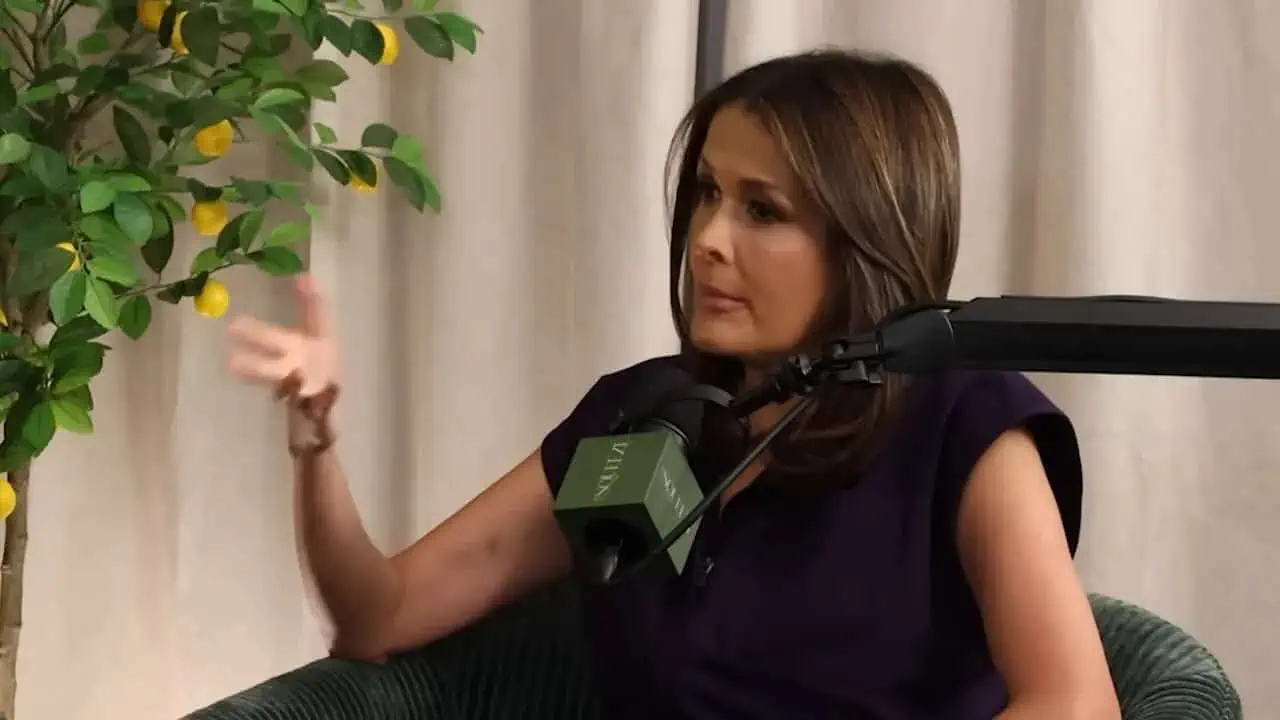
For more context on what can happen after stopping oral contraception, read seven things to know before going off the pill. The most important thing is not panic. It is having the information and medical guidance to make choices that fit our body and goals.
Five Simple Ways to Support Our Mental Health
What are five practical tools that can help when life feels heavy?
Tay: The tools that help are often the things we forget when we need them most. After a particularly difficult month, I woke up early, went to the beach by myself, sat in the sand for two hours, cried, did breathwork, and let myself be still. I came home knowing I needed more of that in my life.
It does not need to be a beach. It can be a backyard, a park, a patch of grass, or even a few minutes in the sun away from a laptop. We can start with these five things:
- Ground ourselves physically. Sit outside, feel our feet on the ground, notice our surroundings, and let our nervous system slow down.
- Practice stillness. We do not have to solve everything immediately. Sometimes we need to sit, cry, breathe, or simply exist without performing.
- Use breathwork. Slow, intentional breathing can help us reconnect to the present moment.
- Take a technology detox. Put the phone down, step away from constant input, and make room for our actual thoughts.
- Focus on what we can control. We cannot control every outside event, but we can choose where we put our energy, who we call, whether we rest, and what small action we take next.

We do not have to do all five perfectly. We can try one. The point is not to become a flawless wellness person. The point is to create moments where we can come back to ourselves.
FAQs
What does dissociation feel like?
Dissociation can feel like being physically present but mentally disconnected. Some people describe feeling numb, detached, unreal, unable to engage, or as though they are observing life from outside themselves. Because these symptoms can have many causes, including trauma, anxiety, depression, sleep deprivation, or medical concerns, we should speak with a qualified healthcare professional if they are recurring or frightening.
Can PTSD develop after working in healthcare?
Yes. Repeated exposure to illness, death, fear, high-stakes decision-making, understaffing, and patient trauma can affect healthcare workers deeply. Support from mental health professionals, trusted people, employee resources, and trauma-informed care can be important.
Should we get a breast lump checked even if we are young?
Yes. Many breast lumps in younger people are benign, but any new lump or concerning breast change deserves evaluation by a medical professional. A clinician can determine whether imaging, follow-up, or other testing is appropriate.
Can stopping birth control affect mood?
Hormonal changes can affect people differently. If we notice significant mood changes after starting, stopping, or changing birth control, we should contact our gynecologist or primary care clinician. Urgent mental health symptoms, including thoughts of self-harm, require immediate crisis support or emergency care.
What is the first step if therapy feels overwhelming or inaccessible?
Start small. We can ask a trusted person for help finding resources, contact a primary care clinician, look for community mental health programs, use reputable nonprofit resources, or begin with one grounding practice. We do not need to have every answer before asking for support.
We all have hard seasons. We all have experiences that change us. But we do not have to carry them quietly, and we do not have to wait until we are completely overwhelmed to seek help. Small tools, honest conversations, qualified support, and real community can make a meaningful difference.
Concerned About Your Health? Talk to Dr. Aliabadi
Dr. Aliabadi is an expert OB/GYN who is knowledgeable in all aspects of women’s health and well-being. Dr. Aliabadi and her caring, supportive staff are available to support you through PCOS, endometriosis, menopause, childbirth, infertility, or routine gynecological care. We invite you to establish care with Dr. Aliabadi. Call us at (844) 863-6700 or
This article was created from the video Tay Lautner’s Mental Health Journey and What Long Term Birth Control Users Need to Know | SHE MD for Dr. Thais Aliabadi’s website.