There is a moment many women know intimately but rarely say out loud. We wake up and realize something in our lives has quietly taken the wheel. Sometimes it is alcohol. Sometimes it is pain. Sometimes it is anxiety, food noise, postpartum depression, trauma, or a hormonal shift that nobody prepared us for. The point is not whether it fits neatly into one diagnosis. The point is that we know something is off.
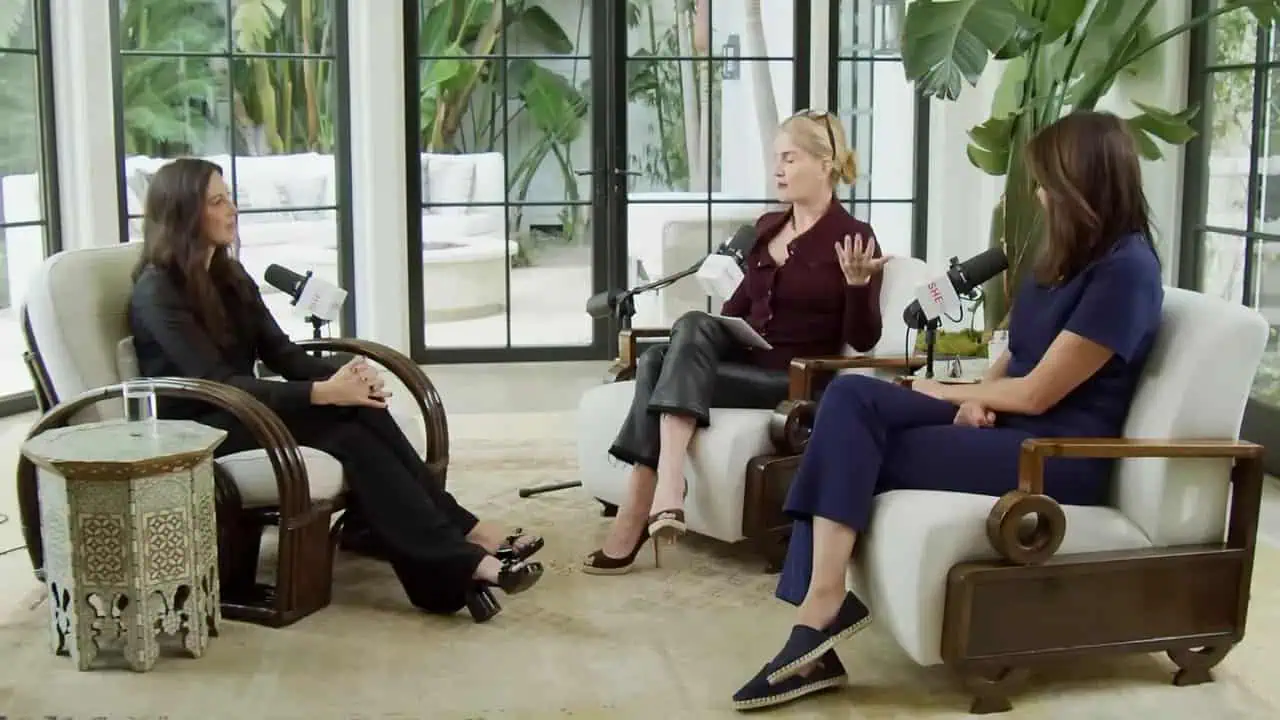
That is why this conversation matters. Dr. Thais Aliabadi and Mary Alice Haney wanted to talk honestly with Dr. Stacy Cohen about addiction in women, why alcohol hits us differently, why so many women are misdiagnosed or dismissed, and why the future of psychiatry is finally starting to look more nuanced, more humane, and more effective.
What emerged was a wide-ranging discussion with Dr. Stacy Cohen about women’s psychiatry, medication assisted treatment, trauma therapies like EMDR, the growing role of GLP-1 medications, and why chronic pain and addiction so often overlap.
- Origins, addiction, and why women need a different lens
- Addiction is a disease, and women deserve evidence based care
- Why alcohol is especially dangerous for women
- Hormones change the story
- Culture, menopause, and the nervous system
- The future of mental health is bigger than antidepressants
- EMDR explained simply
- GLP-1 medications, food noise, and addiction
- Chronic pain, addiction, and pain reprocessing therapy
- Sober curious women and first steps
- FAQ
- Where we go from here

Origins, addiction, and why women need a different lens
What drew you into addiction psychiatry in the first place?
I came into this work because I saw up close how badly medicine handled addiction. Early on, I watched highly educated people in medicine struggle with substance use, and what shocked me most was not that addiction existed. It was that so few people knew what to do about it.
Even in medical settings, addiction was often treated like a moral issue, a private shame, or a professional liability instead of a medical condition. That gap stayed with me. I started in surgery, and while I respected the field deeply, I kept feeling pulled toward something bigger in the mental health space. I wanted to work where the suffering was often invisible but life altering.
When I later worked with addicted healthcare professionals, it clicked. These were people who could do very well with the right treatment. Helping one person could ripple outward into thousands of lives. That gave me enormous hope.
Why did women’s mental health become such a central part of your work?
Because women are not just smaller men with different reproductive organs. Our hormonal systems shape mood, cognition, stress response, sleep, appetite, pain sensitivity, and the way psychiatric symptoms show up across the lifespan.
During training, I spent a year focused on women’s psychiatry. That meant working in perinatal psychiatry, postpartum care, and postmenopausal mental health. It was impossible to miss how much female biology changes the clinical picture.
We still lag behind here. The field often acts as if there is one generic form of depression, one generic form of ADHD, one generic form of addiction. In reality, women often present differently, are underdiagnosed differently, and respond to stressors differently. If we ignore that, we miss the diagnosis and we miss the treatment window.
Can you give an example of how differently conditions can show up in girls and women?
ADHD is a perfect example. Boys are often identified early because their symptoms disrupt the classroom. They fidget, fight, interrupt, and draw attention. Girls often internalize. They may look dreamy, inattentive, disorganized, or quietly overwhelmed. So they slip through the cracks until college or adulthood, when executive function demands finally expose the problem.
The same principle shows up in addiction. Women are often juggling caregiving, work, invisible labor, and their own biology at the same time. Their drinking or substance use may not fit the stereotypes many people still carry in their heads.
Addiction is a disease, and women deserve evidence based care
When a woman thinks she may have a problem with alcohol or another substance, where should she start?
The first thing we want to say is this: do not wait until things are catastrophic. If alcohol has started to feel like something that runs you instead of something you control, that matters. If a medication, painkiller, edible, or nightly wine ritual is quietly becoming nonnegotiable, that matters too.
There is free support available around the world. Alcoholics Anonymous, Narcotics Anonymous, Al-Anon, and many other peer support communities exist in person and online. There are women’s meetings, LGBTQ+ meetings, language specific meetings, and open meetings for people who are not even sure whether they belong there yet.
That kind of access is extraordinary. It means support exists even before someone finds a doctor.
That said, peer support is not the whole answer. We strongly believe women should also see an addiction specialist whenever possible. Primary care doctors can be wonderful entry points, but addiction training in medical education has historically been minimal. Specialist care matters.
Why is it so important to frame addiction as a disease?
Because shame gets in the way of treatment, while biology clarifies the path forward. Addiction is not simply a lack of willpower. It involves the limbic system, the brain circuitry tied to reward, survival, drive, pleasure, and craving. In addiction, that circuitry can hijack executive functioning, the CEO part of the brain that helps us plan, inhibit impulses, and make long range decisions.
Once we understand that, treatment stops sounding like punishment and starts sounding like medicine.
If this broader brain and body connection is interesting, our piece on the complex origin of pain explores a related theme: symptoms can be real, intense, and biologically driven even when the explanation is more complex than people expect.
What medications are actually available for addiction?
There are three major categories of substances for which we have FDA approved medications: alcohol, opioids, and tobacco. That surprises people, because the public conversation still often treats addiction treatment as if it were mostly meetings and talk therapy.
For alcohol use disorder, the main medications include:
- Disulfiram, also known as Antabuse, which creates an unpleasant reaction when alcohol is consumed
- Acamprosate, which can help stabilize recovery but requires multiple daily doses
- Naltrexone, which is commonly used and can also be given as a monthly injectable called Vivitrol
Naltrexone and Vivitrol are especially important because they reduce the rewarding effects that reinforce drinking. Vivitrol is also used for opioid use disorder. It is not an opioid itself. It is an opioid blocker, which makes it a particularly compelling option in some cases.
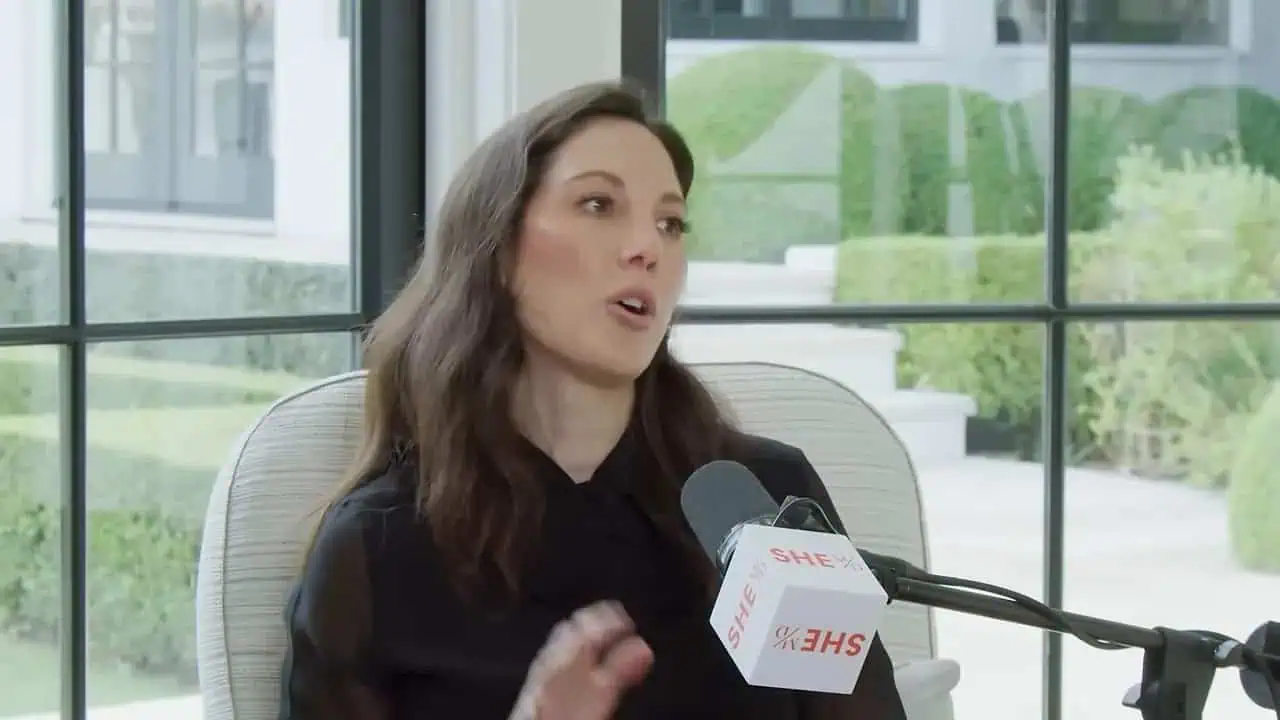
Why are you so passionate about Vivitrol?
Because for the right person, it can be incredibly effective and far easier to stay consistent with than a daily pill. A monthly injection removes a big barrier. In addiction, daily follow through can be very hard precisely because the brain systems that support organization and follow through are under strain.
The side effect profile is also relatively low compared with many psychiatric medications. When side effects do happen, they can include nausea or dizziness, but overall tolerability is often good. We do not say this to oversimplify. We say it because many women have no idea these tools exist.
Should medication replace therapy and support groups?
No. The best standard of care is usually medication plus behavioral treatment. That can mean therapy, peer support, trauma work, recovery coaching, family work, or structured programs depending on the person. Addiction treatment should look more like the rest of medicine. We would never treat diabetes by saying, try hard and good luck. We use medical tools and behavioral tools together.
Why alcohol is especially dangerous for women
You have said very bluntly that alcohol is poison for women. Why?
Because the data is not subtle. Women metabolize alcohol differently than men. We tend to have a higher body fat ratio and lower water content, which affects how alcohol is processed. The same amount can do more damage to us.
The risks are wide ranging. Alcohol raises the risk of breast cancer, liver disease, falls, head injuries, stroke, dementia, and other serious health problems. And when women age, those risks stack on top of lower bone density and increased vulnerability after injury. One fall can become a fracture, a hospitalization, an infection, or a long recovery.
There is also the everyday reality many women understand instantly. Alcohol dehydrates us, disrupts sleep, worsens mood, and accelerates visible aging. Sometimes that is the message that finally lands. If the bigger health statistics feel abstract, the mirror the next morning often does not.
For women thinking seriously about stepping away from alcohol, our article on what happens if you quit smoking by 35 is about smoking, not drinking, but it speaks to a similar truth: the body responds quickly and meaningfully when we remove something toxic.
Why do women drink in the first place?
There is never just one reason. Some women drink because they are exhausted and alcohol feels like a switch that turns the day off. Some drink because they are anxious and want relief. Some are depressed, lonely, disconnected from purpose, or trapped in a painful marriage. Some are trying to manage trauma. Some are coping with symptoms they do not even realize are hormonally driven.
Others are living with chronic pain, endometriosis, sleep deprivation, thyroid problems, or medication side effects. The drinking is real, but so is the driver behind it.
That is why we cannot just ask, “How do we stop the drinking?” We also have to ask, “Why is this person reaching for it?”
Hormones change the story
How do hormones affect addiction, depression, and mental health overall?
More than we tend to admit. Hormonal transitions can reshape mood and behavior dramatically. Postpartum is a clear example. The drop in reproductive hormones after pregnancy can trigger devastating symptoms, and for too long medicine had too few targeted answers. Newer treatments are finally emerging, including newer postpartum specific options, but access and awareness still lag behind the science.
The same is true around menstrual cycles, perimenopause, and menopause. Many women notice their mood destabilizes before a period. Cravings intensify. Anxiety spikes. Depression worsens. The urge to drink or use becomes stronger. These patterns are not imaginary. They deserve careful tracking and treatment.
Where does endometriosis fit into this conversation?
Endometriosis is one of the most important hidden threads in this entire discussion. Chronic pelvic pain is often minimized, misdiagnosed, or simply medicated instead of investigated. Women can spend years being told their pain is normal, exaggerated, stress related, or something they should just live with.
Then they get prescribed opioids.
This is how the medical system can unintentionally help create addiction. A young woman with undiagnosed endometriosis gets pain medication instead of a real diagnosis. Over time, she develops dependence or addiction on top of untreated disease. That is not a personal failure. That is a systems failure.
We have seen this firsthand, and it is why collaborative care matters so much. If someone has addiction and chronic pelvic pain, we cannot treat just one half of the equation.
Do you see this overlap with PCOS and disordered eating too?
Absolutely. PCOS can sit underneath years of body image distress, insulin resistance, weight changes, food preoccupation, and shame. In some teenagers and young women, what looks like a pure eating disorder picture may also include untreated PCOS. That does not reduce the complexity of the mental health piece, but it changes what treatment needs to include.
This is one reason we are paying such close attention to GLP-1 medications. The conversation is not just about weight. It is about insulin resistance, compulsion, craving, and the mental burden of constant food noise.
Culture, menopause, and the nervous system
You made a fascinating point that culture affects menopause. What do you mean by that?
One of the most striking things in women’s mental health is how much symptoms are filtered through the nervous system, and how much the nervous system is influenced by culture, meaning, and fear.
The one truly universal perimenopausal symptom across cultures appears to be vasomotor symptoms like hot flashes. But many other experiences tied to menopause, including anxiety, mood swings, sexual distress, and identity collapse, are shaped by social context.
In cultures where aging women are deeply respected, menopause can carry a very different emotional meaning. In cultures obsessed with youth, beauty, fertility, and productivity, the same biological transition can trigger nervous system overdrive. A hot flash is no longer just a hot flash. It becomes evidence of loss, aging, invisibility, or fear.
That does not mean symptoms are all psychological. It means biology and meaning interact.
So how do you treat perimenopausal mental health symptoms?
There is no one size fits all answer. Some women need hormones. Some need trauma treatment. Some need better sleep, nervous system regulation, or a serious reassessment of their life stressors. Some need a whole constellation of interventions at once.
I often think of the mind like an orchestra. Sometimes one instrument is out of tune. Sometimes the whole environment is off. Sometimes the hormonal section is blaring. Sometimes trauma is distorting the entire sound. Treatment works best when we actually identify what is driving the discord instead of handing everyone the same script.
The future of mental health is bigger than antidepressants
What excites you most about the future of psychiatry?
We are finally expanding our toolbox. For years, psychiatry leaned heavily on a relatively narrow group of medications, especially SSRIs and their close relatives. Those drugs help many people, but they were never going to be the complete answer for trauma, addiction, chronic pain, postpartum syndromes, or the full complexity of women’s mental health.
Now we are seeing real movement. Psychedelic based treatments, ketamine, targeted trauma therapies, and newer biologic interventions are creating entirely new possibilities. We are still early, and that means we need caution. But it is a very exciting time.
How do you think about ketamine and psychedelic medicine?
With both hope and caution. Ketamine can be transformative for treatment resistant depression, trauma, anxiety, and even pain. It can shift mental states rapidly in ways older medications often cannot. But powerful does not mean harmless.
These treatments need to be used in the right hands. We are concerned about cash driven, under supervised clinics that turn complex psychiatric tools into trendy consumer products. A patient who has a severe reaction, a seizure-like episode, a blood pressure spike, or overwhelming traumatic material emerging needs a medically equipped setting, not improvisation.
That is the tension. These therapies are promising, but they also require maturity from the field.
What about psilocybin and MDMA?
They are deeply promising, especially for trauma. But promising and approved are not the same thing. We are still in the stage where research is moving faster than broad clinical access. Many clinicians expected faster regulatory progress, and that has not fully happened yet.
Still, the broader direction is clear. Psychiatry is moving toward treatments that engage fear circuits, trauma pathways, and ingrained patterns more directly than traditional antidepressants do.
EMDR explained simply
For people who have heard of EMDR but do not really understand it, what is it?
EMDR is a trauma treatment that helps the brain reprocess distressing memories so they no longer trigger the same fight or flight response. One way to understand trauma is this: a painful memory gets stored in a part of the brain that is tied to danger and survival instead of being filed away like an ordinary memory.
Then something in the present brushes against that old memory, and the body reacts as if the danger is happening now.
EMDR uses bilateral stimulation, often guided eye movements, tapping, tones, or hand held pulsers, to help the brain process that memory differently. The result is not erasing the past. It is relocating the memory so it stops setting off the alarm system every time it gets touched.
How long does EMDR usually take?
It varies, but it can work surprisingly quickly compared with some other trauma approaches. Once a person feels safe and stable enough with a qualified therapist, a focused course may take around eight sessions, often weekly. Some people need more. Some are ready sooner.
It is not the right intervention at every moment. If someone is in acute panic, actively destabilized, or otherwise too dysregulated, first we have to create enough safety and stability to do the trauma work well.
Do people have to relive their biggest trauma in EMDR?
No, and that is one reason so many people find it approachable. Sometimes working on a smaller memory can help calm the whole nervous system. The target does not always have to be the worst thing that ever happened. That flexibility can be profoundly helpful for people who are too overwhelmed to go straight into their largest wounds.
GLP-1 medications, food noise, and addiction
Why are so many clinicians paying attention to Ozempic and similar medications in psychiatry?
Because we are seeing effects that reach beyond weight. Many patients describe a quieting of food noise, less compulsive thinking about eating, less bingeing, fewer cravings, and in some cases reduced interest in alcohol or other substances.
That is a huge deal. For years, binge eating and related compulsive patterns had limited medication options. Now we are seeing a class of drugs that appears to influence reward and impulse pathways in ways that could be clinically meaningful.
It is still developing science, and we have to respect issues like access, shortages, and patient selection. But the signal is strong enough that we are paying close attention.
We also unpack this emerging area in more detail in our article on the mental health benefits of weight loss medications.
What kinds of mental health improvements are you seeing?
Reduced food obsession is the big one, but we are also seeing improvements in self esteem, anxiety related to eating, and some impulsive behaviors. Clinically, that can be life changing. When the brain is no longer screaming for the next hit of food, alcohol, or comfort, there is finally room for therapy to work, for habits to shift, and for identity to rebuild.
For women with PCOS or insulin resistance, these benefits may be even more meaningful because they address a physiologic driver, not just the downstream behavior.
Chronic pain, addiction, and pain reprocessing therapy
Why are you so interested in pain treatment right now?
Because chronic pain is one of the biggest unsolved human problems in medicine, and it overlaps with mental health constantly. Back pain, headaches, neck pain, period pain, pelvic pain, and diffuse body pain consume enormous amounts of life.
For a long time, we aimed treatment almost entirely at the body part. But newer research is showing that in many chronic pain states, the nervous system itself becomes the driver. The alarm system keeps firing even when there is no ongoing tissue injury that matches the intensity of the pain.
That does not mean the pain is fake. It means the target for treatment changes.
What is pain reprocessing therapy?
It is a structured therapy approach designed to teach the brain and nervous system that certain chronic pain signals are no longer signs of danger. Instead of spiraling into fear, catastrophizing, guarding, and hypervigilance, the person learns to interpret sensations differently.
That shift can interrupt the pain loop itself. In a major back pain study discussed in our conversation, a focused month of this kind of treatment led to dramatic improvements, with many participants becoming pain free and staying that way over time.
The implication is enormous. If we can treat some chronic pain at the level of the nervous system, we may also reduce reliance on opioids and prevent addiction before it starts.
But surely not all pain is just nervous system based, right?
Exactly right. This is where nuance matters. Before reframing chronic pain, we have to rule out structural and medical causes. Young women with severe pelvic pain need evaluation for endometriosis. Patients with hormonal symptoms need hormonal workups. People with new or progressive pain need proper medical assessment.
The mistake would be swinging from one extreme to the other, from “all pain is structural” to “all pain is mind generated.” Neither is true. Good medicine checks the body thoroughly, then treats the person in full.
Sober curious women and first steps
If someone feels sober curious or suspects alcohol is becoming a problem, what practical advice would you give?
First, do not wait for a dramatic rock bottom. If it resonates, it matters.
Second, do not be afraid to be different. The cultural tide is already shifting. More restaurants now offer thoughtful mocktails. More women are questioning the role alcohol plays in their routines, health, relationships, and aging. It is increasingly normal to opt out.
Third, if privacy feels important, start quietly. Join an online women’s support meeting with your camera off and a first name only. Listen. You do not have to declare anything before you are ready. Often the first healing moment is simply realizing you are not alone.
And finally, if there is any chance of pregnancy or current pregnancy, alcohol needs to be taken extremely seriously. The developmental risks are profound. This is one of those areas where clear information matters far more than cultural myths about a harmless glass of wine.
FAQs
Is addiction really a disease and not just a bad habit?
Yes. Addiction involves brain circuitry tied to reward, craving, survival, and impulse control. Habits are part of it, but addiction is a medical condition that benefits from medical and behavioral treatment.
What is the most commonly used medication for alcohol use disorder?
Naltrexone is one of the most commonly used options, and it also has a monthly injectable version called Vivitrol. It helps reduce the rewarding response to alcohol and can be an important part of treatment.
Do women respond to alcohol differently than men?
Yes. Women generally metabolize alcohol less efficiently and face higher risks related to cancer, falls, liver disease, cognitive decline, and visible aging from alcohol use.
Can hormones make addiction or mood symptoms worse?
Absolutely. Menstrual cycles, postpartum changes, perimenopause, menopause, PCOS, and conditions like endometriosis can all affect mood, cravings, pain, and the urge to self medicate.
What is EMDR used for?
EMDR is used to treat trauma. It helps the brain reprocess distressing memories so they stop triggering the same intense danger response in the present.
Are GLP-1 medications helping with addiction too?
Early clinical experience suggests they may help reduce food noise, binge eating, and in some people even interest in alcohol or other compulsive behaviors. Research is still evolving, but the signal is compelling.
What is pain reprocessing therapy?
It is a therapy designed to help the brain reinterpret certain chronic pain signals as non dangerous, which can calm the nervous system and reduce the pain loop in some patients.
Where we go from here
What is the biggest takeaway from all of this?
Women need care that is more curious, more collaborative, and more biologically informed. We need addiction treatment that does not shame. We need psychiatry that understands hormones. We need pain care that does not default to dismissal or opioids. We need trauma treatment that actually addresses the nervous system. And we need to stop pretending one generic model of mental health care fits everyone.
What gives us hope is that the field is moving. Slowly, imperfectly, but undeniably, it is moving.
The more we understand women as whole people instead of disconnected symptoms, the better our care becomes.
Concerned About Your Health? Talk to Dr. Aliabadi
Dr. Aliabadi is an expert OB/GYN who is knowledgeable in all aspects of women’s health and well-being. Dr. Aliabadi and her caring, supportive staff are available to support you through PCOS, endometriosis, menopause, childbirth, infertility, or routine gynecological care. We invite you to establish care with Dr. Aliabadi. Call us at (844) 863-6700 or
This article was created from the video Alcohol, Addiction, and the Future of Women’s Psychiatry with Dr. Stacy Cohen | SHE MD for Dr. Thais Aliabadi’s website.