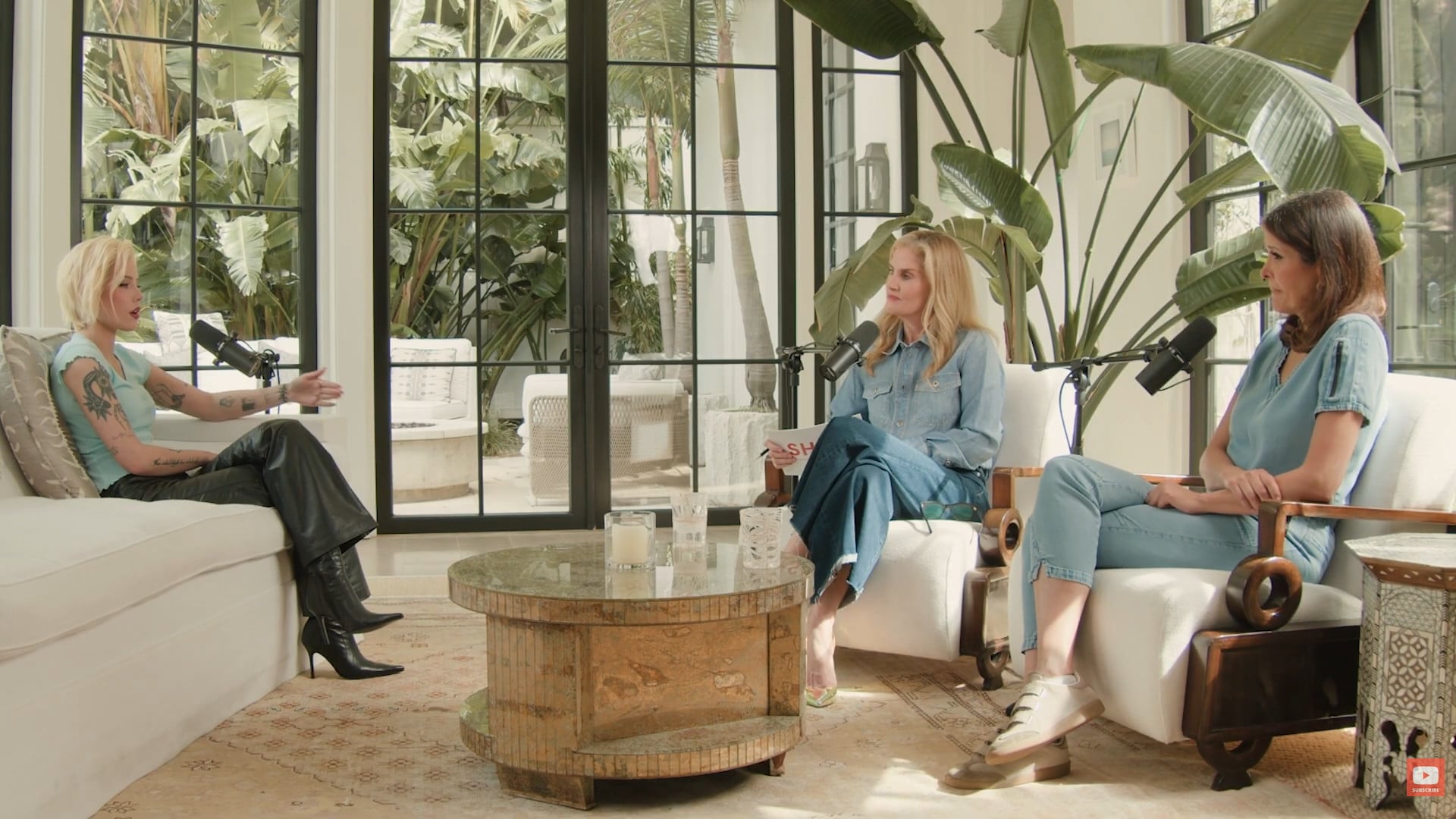
Living with chronic illness can feel like having to become an expert on our own body while fighting to be heard about it. In this conversation, Halsey joins Dr. Thaïs Aliabadi and Mary Alice Haney for an honest discussion about endometriosis, miscarriage, fertility, lupus, a rare T-cell lymphoproliferative disorder, and the difficult work of caring for ourselves without guilt.
We talk about the medical realities, but also the emotional realities: the confusion of being sick when we are young, the frustration of being dismissed, the relief of finally finding answers, and the ongoing effort to build a life that leaves room for healing.
Table of Contents
- Finding Language for Pain That Was Always There
- Miscarriage, Complex Feelings, and Being So Young
- Fertility Is Not Just a Future Problem
- When Postpartum Symptoms Are Dismissed
- Learning the Language of Lupus and Chronic Illness
- Motherhood Without the Impossible Standard
- Important Medical Note
Finding Language for Pain That Was Always There
Mary Alice: You have been very open about your health. What made you decide that these conversations needed to happen publicly?
Halsey: A lot of it began with endometriosis. We can go through so much without having any language for it, any information, or any sense that the pain we are living with is worth investigating. For years, we may hear that heavy periods run in our family, that intense cramping is just part of being a woman, or that we should take an over-the-counter painkiller and get on with our day.
That was my experience from the beginning. My periods were extremely heavy and painful. I stayed home from school. I needed doctor’s notes. Yet nobody was really explaining what might be happening or asking enough questions. I was given a PCOS diagnosis in high school, but it was delivered so casually that I did not understand what it meant or whether it explained what I was experiencing.
When we are young, we often do not know what is normal. If the adults around us have normalized suffering, we can internalize that message too. But pain that disrupts school, work, sleep, relationships, or our ability to function deserves attention. We do not need to wait until it becomes unbearable to seek better care.
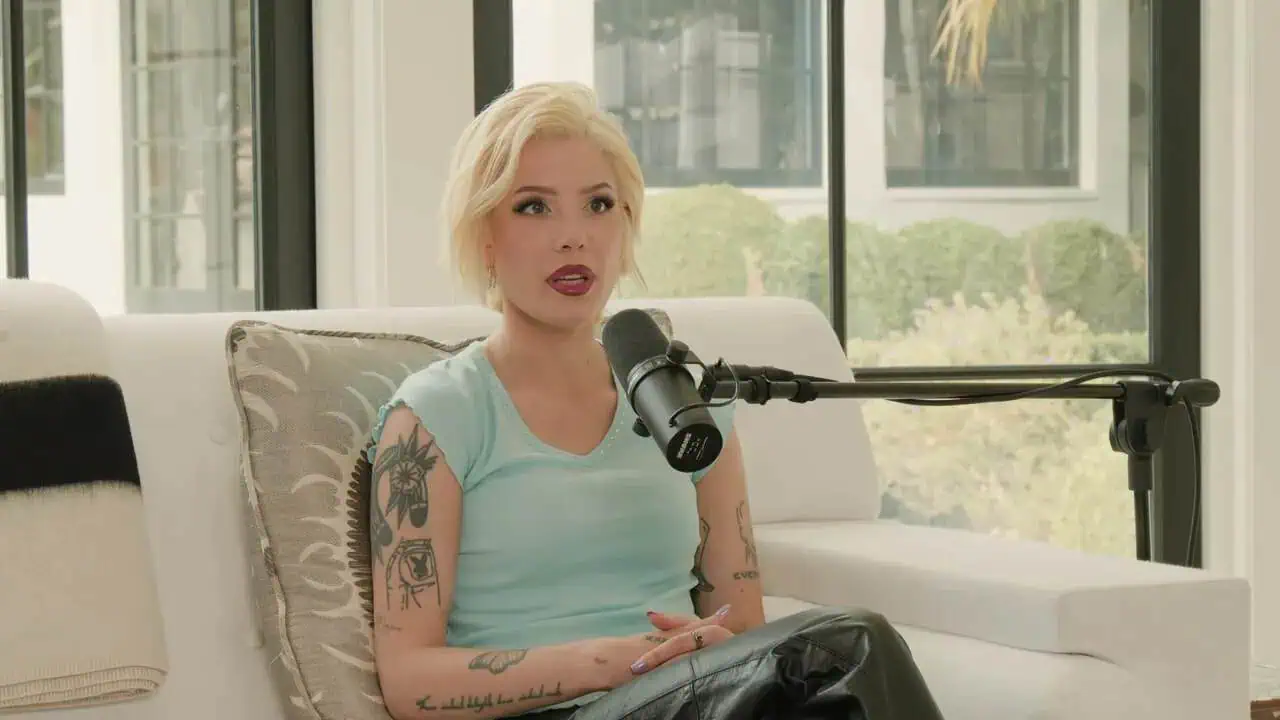
Dr. A: What finally brought you into my office?
Halsey: I had an IUD placed and then developed excruciating pain. I kept calling the doctor and was repeatedly told to take Tylenol, but I felt in my body that something was seriously wrong. I was at an ENT appointment having my vocal cords examined, and I was turning green from the pain. My ENT immediately told me to go see Dr. A.
You saw me that day and found that the IUD had perforated. It was a genuinely dangerous situation. But you also asked me a few questions about my menstrual history and told me you believed I had endometriosis. I had never even heard the word before.
That is one of the reasons self-advocacy matters so much. We can respect doctors while still trusting our own alarm bells. We know when something feels different from our usual pain. We know when the explanation does not fit. And if we are not being heard, we are allowed to seek another opinion.
For practical guidance on communicating clearly, asking questions, seeking another opinion, and following up when symptoms are dismissed, we can learn more about advocating for ourselves at the doctor.
Miscarriage, Complex Feelings, and Being So Young
Mary Alice: You experienced miscarriage at a time when you were early in your career. What was that like?
Halsey: I had two miscarriages within the same year, when I was around 20. One began before a concert. It was early in my career, there were major partners involved in the show, and there were a thousand young people who had been waiting all day. I made the decision to perform, then became sick after leaving the stage and spent the night bleeding and in pain before traveling again the next morning.
It was physically awful, but it was emotionally complicated too. I did not want to be pregnant at that point. I was focused on my career. So there was relief, confusion, guilt, grief, and then this huge fear underneath all of it: Something must be wrong with me.
We need more room for the full emotional complexity of miscarriage. Loss does not have to fit a single story in order to matter. A pregnancy can be unplanned and still bring grief. We can feel relief and sadness at the same time. We can feel unsure what we are grieving, and still deserve support and care.
Dr. A: What did you learn about the connection between endometriosis and fertility?
Halsey: I learned that endometriosis is not simply a reproductive issue or a painful-period issue. It can affect the entire body and can be associated with heavy periods, painful sex, bladder symptoms, inflammation, adhesions, and fertility struggles. I also learned that family patterns matter. I knew that my mother, grandmother, and great-grandmother had heavy periods and difficulty conceiving, but I did not understand that history as a potential clue.
Dr. A: Endometriosis can contribute to miscarriage and infertility. When it progresses, it can lead to pelvic adhesions, reduced egg quality, reduced egg count, and adenomyosis, which is endometriosis-like disease in the muscle wall of the uterus. Earlier recognition matters because treatment can help preserve fertility options.
In Halsey’s case, surgery confirmed endometriosis. During laparoscopy, we removed the implants. We then used hormonal suppression, including progesterone, to suppress the disease and reduce inflammation before trying for pregnancy.
Endometriosis care should be individualized. Some people need pain management, hormonal treatment, surgery, fertility support, or a combination of these approaches. For a fuller overview of symptoms, diagnosis, and treatment options, visit our patient guide to endometriosis.
Fertility Is Not Just a Future Problem
Mary Alice: You wanted to be a mother. What did preparing for pregnancy look like?
Halsey: It took years of work with Dr. A. There were surgeries, hormone suppression, and lifestyle changes. But a major part of it was also changing how I lived. I was profoundly stressed. I worked constantly. I felt like every opportunity might disappear if I did not take it immediately.
At some point, we have to be honest about our priorities. I told Dr. A repeatedly that I wanted to be a mother, and she was honest with me too. She believed I could conceive naturally, but she also told me that I had to make changes.
That meant reducing stress, changing my diet, rethinking my workload, and being more intentional about the relationships and environments I allowed into my life. We cannot always control illness, and stress is not the sole cause of medical conditions. But we can take seriously the ways overwork and chronic stress affect our capacity to heal and function.
Dr. A: What happened after treatment?
Halsey: We expected it could take six to 12 months after I stopped suppression. Instead, I conceived on the first try. I tested positive incredibly early after ovulation, called Dr. A, and came in soon after. There was a heartbeat. It was shocking and beautiful.
Dr. A: When endometriosis implants are removed and the condition is suppressed appropriately, some patients are able to conceive naturally. It is why we should not dismiss severe symptoms for years. Endometriosis is often diagnosed much later than it should be, and delayed care can make fertility more complicated.
Fertility planning is personal, especially for people with chronic conditions. Testing and treatment may include hormone evaluations, ovarian reserve testing, imaging, semen analysis, surgery, medication, egg freezing, or IVF, depending on the individual situation. More information is available in our guide to how fertility testing works.
When Postpartum Symptoms Are Dismissed
Mary Alice: Your health became much more complicated after the birth of your son. What did you notice first?
Halsey: I began losing weight very quickly after having my son, and it kept going after I reached my pre-pregnancy weight. I was getting sick frequently. I had pain that felt deep in my body, recurrent nosebleeds, hair thinning, swollen salivary glands, and exhaustion so severe that I wondered whether I had narcolepsy.
And I kept getting explanations that did not fit. People would say I was breastfeeding, I was a new mom, I was tired, or that I should be grateful for the weight loss. At one point, the concern was framed as though I had an eating disorder. That was devastating because I was not trying to lose weight. I was afraid.
We need to stop treating unexplained weight loss, extreme fatigue, pain, and repeated illness as vanity, anxiety, or simply the cost of motherhood. New mothers can be tired, absolutely. But they can also be sick. Both things can be true.
What led to a lupus diagnosis?
Halsey: A doctor asked me a very important question: how did I feel during pregnancy? I told her I felt better than I had ever felt. I was making an album, shooting a movie, acting, working, and physically active. That became a clue.
She explained that some people with lupus feel better during pregnancy because pregnancy can lower immune activity. In my case, it helped point toward a bigger autoimmune picture. I was eventually referred to rheumatologist Dr. Daniel Wallace, who confirmed systemic lupus erythematosus, or SLE.
I had already been diagnosed with Sjögren’s syndrome, another autoimmune condition that can occur alongside lupus. Then there was a rare T-cell lymphoproliferative disorder to deal with as well. The T-cell condition sounded terrifying on paper, and it required serious investigation, including a bone marrow biopsy. But lupus was in many ways the condition that affected daily life most intensely.
Learning the Language of Lupus and Chronic Illness
Mary Alice: What has it been like to live with more than one major diagnosis?
Halsey: At first, it was overwhelming. We hear words like lupus, leukemia-like disorders, immunocompromise, and bone marrow biopsy, and our minds go to the worst possible place. We have to learn what the diagnosis actually means, how it behaves, what treatment options exist, and what is within our control.
Some treatments can also complicate one another. My medical team had to weigh the treatment plan for lupus alongside the T-cell disorder. I was advised to consider freezing my eggs because there was uncertainty about what might happen in the future. Family planning can become a medical conversation far earlier than we expected, and that is emotionally heavy.
I started lupus treatment, including Benlysta, knowing it could take months to make a meaningful difference. During discussions about future pregnancy, Dr. Wallace described a regimen involving progesterone suppositories, a corticosteroid, and additional medication. It was striking because elements of that plan reflected the support Dr. A had already used in helping me conceive.
Dr. A: What is the broader lesson here for people who feel that their symptoms are being minimized?
Dr. A: We need to listen to people who know their baseline. A patient may not know the diagnosis, but they often know when something has changed. The goal is not to self-diagnose every symptom. The goal is to communicate clearly, ask for appropriate evaluation, and keep seeking care if the explanation does not account for what is happening.
Halsey: Access to compassionate healthcare changed my life. I grew up with very limited access to doctors and dentists. Having people in my corner who knew me, took me seriously, and helped me navigate referrals was life-changing. It is a privilege, and it should not be one.
Motherhood Without the Impossible Standard
Mary Alice: How has illness changed your relationship with motherhood?
Halsey: My son is the light of my life, and I want more children. But there has been grief too. For most of his life, his experience of me has included illness. I worried that I was failing because I could not always be the version of a mother I imagined I would be.
Eventually, I realized the guilt was making me worse. We can make ourselves sick trying to meet an impossible standard. The goal is not to be the best mother in the world. The goal is to be the best mother we are capable of being, honestly and sustainably.
That means being present when we can be present. It means playing, laughing, making eye contact, and letting ourselves rest so we can truly show up rather than burning ourselves out trying to prove something. Our children do not need perfection. They need love, effort, and a parent who recognizes that their health matters too.
What does living well with chronic illness look like now?
Halsey: I am doing significantly better, but chronic illness is not a straight line. There are days when I wake up and feel completely knocked down. At first, every bad day made me fear I was going backward. Now I understand that there is a rhythm to it.
I have learned that some things are outside my control, while other things are not. If I try to cram a two-day music video shoot into one day, I may pay for that choice. I am still learning how to slow down. It is a real practice.
We can be ambitious, talented, loving, and hardworking, and still need rest. We can be sick and still have full lives. We can need help and still be strong. Most importantly, we can believe ourselves.
Important Medical Note
This conversation reflects personal experiences and general education, not individualized medical advice. Heavy bleeding, severe pelvic pain, unexplained weight loss, fainting, persistent fever, severe fatigue, recurrent infections, or concerns during pregnancy and postpartum should be discussed promptly with a qualified clinician. In emergencies or when symptoms feel severe, seek urgent medical care.
Concerned About Your Health? Talk to Dr. Aliabadi
Dr. Aliabadi is an expert OB/GYN who is knowledgeable in all aspects of women’s health and well-being. Dr. Aliabadi and her caring, supportive staff are available to support you through PCOS, endometriosis, menopause, childbirth, infertility, or routine gynecological care. We invite you to establish care with Dr. Aliabadi. Call us at (844) 863-6700 or
Frequently Asked Questions
Can endometriosis affect fertility?
It can. Endometriosis may contribute to inflammation, adhesions, pelvic pain, and fertility challenges. Treatment may include hormonal suppression, laparoscopic surgery, fertility support, or a combination of approaches based on individual goals and symptoms.
Are severe periods normal?
Periods that cause missed school or work, severe pain, heavy bleeding, fainting, vomiting, or major disruption to daily life deserve medical evaluation. Severe symptoms should not simply be accepted as normal.
What symptoms of lupus did Halsey describe?
She described severe fatigue, frequent illness, progressive weight loss, joint and body pain, hair thinning, nosebleeds, swelling around salivary glands, and deep internal pain. Symptoms vary significantly from person to person.
What should we do if a doctor dismisses our symptoms?
We can document symptoms, explain how they affect daily functioning, ask what else could be causing them, request appropriate follow-up, and seek a second opinion when needed. Persistent or worsening symptoms deserve continued attention.
How can we manage guilt when chronic illness affects parenting?
We can focus on sustainable presence rather than perfection. Rest, treatment, support systems, and realistic expectations are not selfish. They help us protect our health and remain emotionally available for the people we love.