For far too long, women have been taught that the goal is to take up less space. Be smaller. Burn more calories. Never look too muscular. Never lift too heavy.
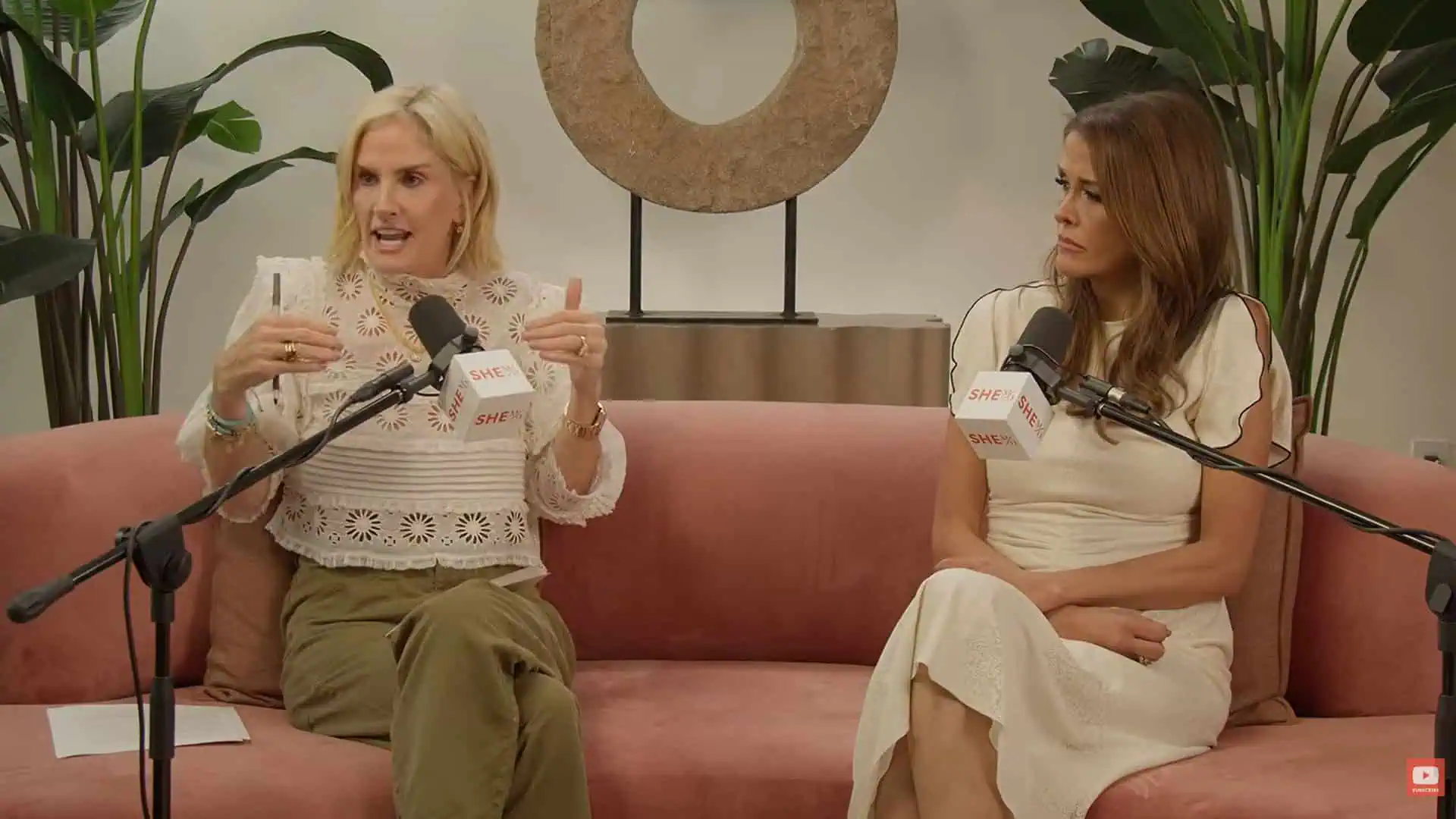
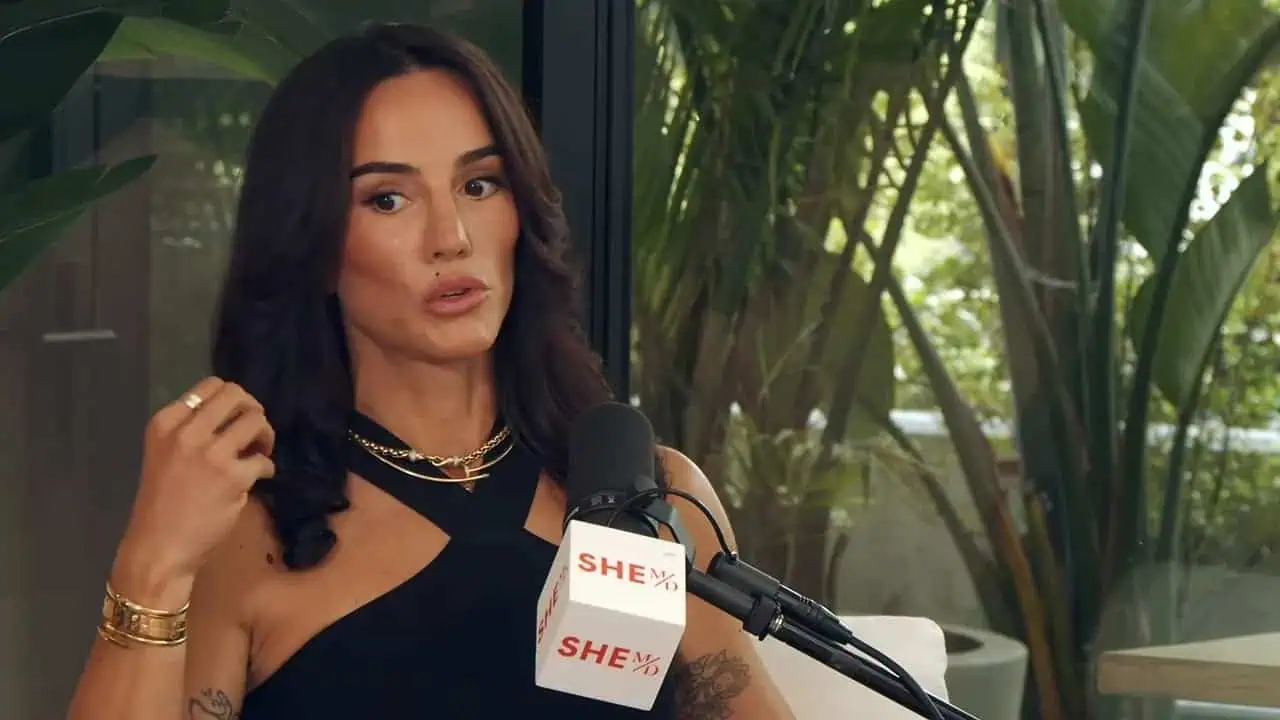
Senada Greca joins Dr. Thais Aliabadi and Mary Alice Haney with a message that is the complete opposite: we do not move to punish our bodies. We move to build them. Strength training is not about becoming someone else. It is about trusting ourselves, protecting our future health, and recognizing that femininity and strength absolutely belong together.
Table of Contents
- From Shrinking Ourselves to Building Ourselves
- Why Women Are Still Afraid of Heavy Weights
- How to Start Strength Training Without Feeling Intimidated
- Progressive Overload: How We Actually Get Stronger
- Muscle Is a Long-Term Investment in Our Health
- Protein, Carbohydrates, and Creatine Without the Anxiety
- Farmer’s Carries, Squats, and the Strength That Carries Into Life
- A Better Reason to Move
From Shrinking Ourselves to Building Ourselves
Your approach to fitness is deeply personal. Where did it begin?
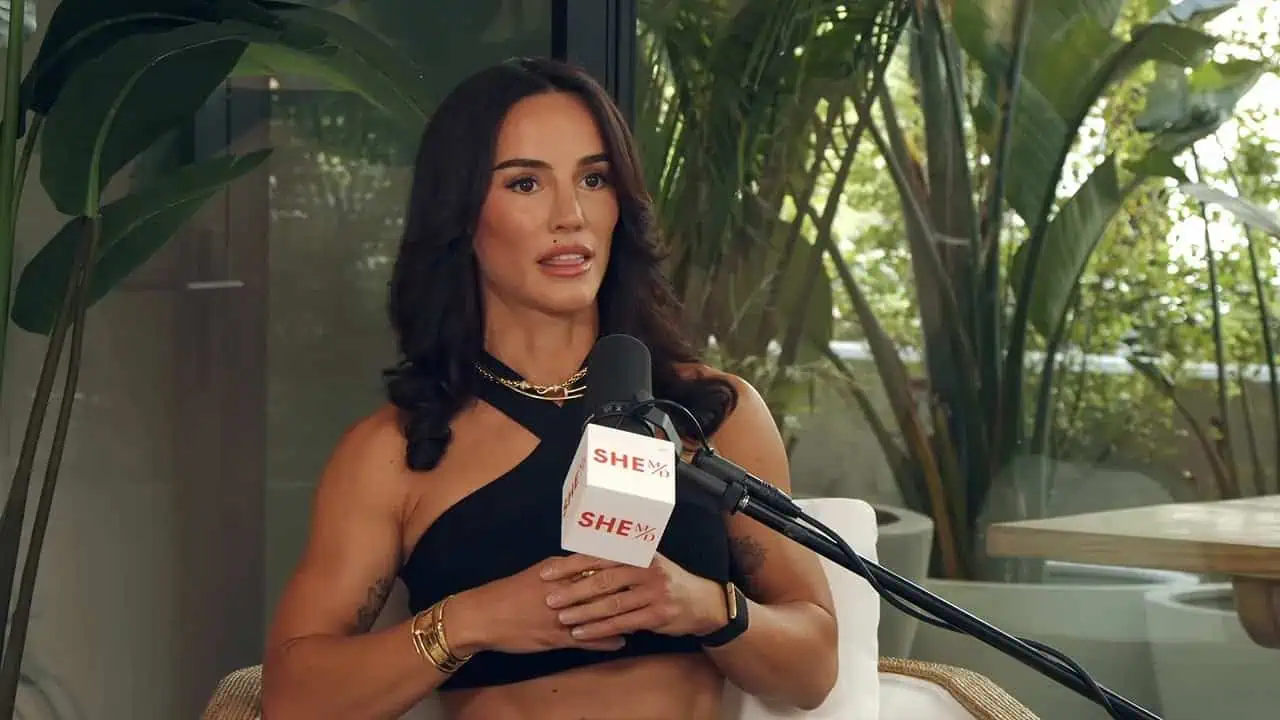
It began from a place of needing to help ourselves through a very difficult period. When we moved from Albania to a new country at 14, we were adapting to a new language, culture, responsibilities, and the cruelty that can come with being visibly different. We were trying to fit in while carrying the pressure of being the family member who could communicate in English.
At that age, our bodies are changing, hormones are shifting, and we are stepping into womanhood. When life feels uncontrollable, trying to control food or body size can feel like the one thing within reach. That is where anorexia, binge eating, anxiety, and depression entered the picture.
For years, activity became a way to burn calories. Sports that once brought pure joy, like soccer, tennis, basketball, and simply being outside, became part of an effort to make ourselves smaller. Movement became punishment instead of play.
That mindset can be relentless. Even at a point of being far too thin, the thought was still that it was not enough. That is the danger of tying our worth to shrinking. There is never a finish line, because the problem was never truly our body.
What helped change your relationship with movement?
In our early 20s, there was finally a recognition of what this pattern was doing to the body and what it could mean long term. A doctor who was also a marathon runner helped reframe exercise. Instead of using movement to make ourselves less, we could use it to build strength and help support mental well-being.
Running offered helpful endorphins and helped during seasons of anxiety and depression. But the real shift happened upon entering the gym with the intention to strength train. Building muscle required nourishment. We could not train with weights and continue to treat food like the enemy.
That was the turning point: movement was no longer a tool to shrink. It became a tool to become stronger, more capable, more grounded, and more trusting of ourselves.
That distinction matters, especially for anyone with a history of disordered eating or body image distress. Fitness can be supportive, but it should never become another form of control or self-punishment. Reaching out to a qualified health professional and trusted support system is an important part of getting help.
The language we use around our bodies also matters. When we criticize ourselves out loud, that message reaches daughters, sisters, mothers, friends, and the women around us. A harsh thought that feels private can become a belief passed down through generations. For more support in building a gentler inner voice, read why we should stop being so hard on ourselves.
Why Women Are Still Afraid of Heavy Weights
Kim Kardashian trains with heavy weights five times a week. Why did that surprise so many people?
Because many of us grew up with the exact same message: cardio, cardio, cardio. We were told that lifting weights would make women bulky, masculine, or less feminine. The objective was supposedly to become as skinny as possible.
But the fear is often not really about the dumbbell. It is about what we believe lifting represents. Are we afraid of becoming bigger? Are we afraid of taking up space? Are we worried that strength is somehow incompatible with femininity?
We need to question where those beliefs came from. Were they rooted in reality, or did they come from a culture that made women feel safer when they stayed small, quiet, and controllable?
Strength is not a masculine quality. A woman can be strong, soft, ambitious, feminine, nurturing, powerful, stylish, and deeply herself. None of these things cancel one another out.
Will lifting weights make women bulky?
No. Building significant muscle takes consistency, intentional training, nutrition, recovery, and a tremendous amount of effort. Women do not have the same testosterone profile as men, and we do not suddenly become bulky by picking up weights.
After more than a decade of lifting, Senada’s perspective is straightforward: if someone begins to feel they are developing in a way they do not prefer, they can adjust their training. But more often, women discover that they like the shape, posture, confidence, and physical capability that strength training creates.
Muscle is also about far more than aesthetics. The strength we build in the gym carries into the rest of life. It affects how we walk into a room, how we trust ourselves, how we carry groceries, how we get up from the floor, how we catch ourselves if we stumble, and how we move through the world.
We are not trying to become smaller versions of ourselves. We are building a body that can carry us through life.
How to Start Strength Training Without Feeling Intimidated
If we have never lifted weights before, where do we start?
We start by moving. If movement is not part of life right now, a five-minute walk is an excellent start. Five minutes may sound too simple, but creating a repeatable habit is powerful. We do not need to begin with a dramatic gym routine to become someone who moves consistently.
Once movement is established, we learn basic patterns. This is the order:
- Move. Build the habit through walking or another approachable form of daily movement.
- Move mindfully. Learn the fundamentals with body weight, support, or very light weights.
- Move heavy. Gradually add resistance when form is secure and the movement feels controlled.
We do not walk into a gym for the first time and try to squat 150 pounds. We take the first small step. Then another. We are not trying to jump over Mount Everest.
Which movements should beginners learn first?
The most useful foundation comes from basic, functional movements that translate into everyday life. Depending on the individual, that can include:
- Bodyweight squats or squat-to-sit movements
- Supported lunges
- Bulgarian split squats
- Assisted pull-ups
- Farmer’s carries
- Simple pushing and pulling movements
A squat-to-sit is exactly what it sounds like: lowering to a chair or seat and standing back up. For many people, this basic movement is surprisingly difficult without pushing off with the hands. That does not mean we have failed. It simply tells us where to begin.
We can hold onto a chair, couch, or another stable surface while practicing. From there, we progress to bodyweight movement without support, then to added resistance. The goal is confidence through repetition, not perfection on day one.
What does good form matter more than heavy weight?
Because the first goal is to move well. We assess how someone squats, lunges, carries, and controls their body. If there is a form issue, we work on it before adding load. Weight is relative. What feels heavy for one person may be very light for another.
Heavy does not mean choosing the biggest dumbbell in the room. It means choosing a resistance that challenges our body while allowing us to maintain control and quality movement.
There is no prize for rushing. The strength that lasts is built gradually.
Progressive Overload: How We Actually Get Stronger
What is progressive overload?
Progressive overload is the practice of gradually asking a muscle to do a little more over time. That might mean adding a few pounds, improving control, increasing the difficulty of a movement, or working toward the same number of repetitions with better form.
Senada’s preferred approach is efficient and intentional. Rather than spending endless time doing high repetitions with a very light weight, we can choose a weight that brings us close to fatigue within a moderate repetition range.
A practical target is often eight to 12 repetitions. If we are aiming for eight repetitions, the weight should feel challenging enough that we could likely only complete one or two more repetitions with good form. This is the point close to muscular failure.
We may start with only one set as beginners, then build over time. The key is not to chase exhaustion for its own sake. The point is to give the muscles a meaningful signal to adapt while protecting form.
Can you give a simple example?
Take bicep curls. We might start with five-pound weights and work toward eight controlled repetitions. When eight repetitions become easy and we could keep going indefinitely, it may be time to try 10 pounds, then 12, then 15, as appropriate.
That is progression. We do not need to make a giant leap. We ask a simple question each week: Can we add a little more while maintaining the same good form?
Progress can also mean slowing down. A mindful squat, where we feel the glutes and quads working and control every phase of the movement, may be more valuable than a fast, careless repetition. The mind-muscle connection is part of training with intention.
How should we warm up and how long do workouts need to be?
A warm-up is valuable, but it does not need to be a long cardio session. A better strategy is often to prepare for the exact movements we are about to perform. For a lower-body workout, that may mean dynamic bodyweight squats, high knees, light carries, or other lower-body movements.
Five to 10 minutes is generally enough. After training, static stretching or a short yoga sequence can be a lovely way to cool down.
Workout length depends on the person and the season of life. A 45-minute to one-hour session can be effective. So can a focused 30-minute workout. Time is precious, and a short, thoughtful session is far more valuable than an elaborate plan we cannot sustain.
For most women, strength training at least three times each week can be very effective. Some of us may enjoy moving daily, with one or two slower recovery days. Others may only have time for three purposeful sessions. Both approaches count.
Consistent, well-designed movement is what matters. Explore more practical ways to build a sustainable routine through our women’s health exercise resources.
Muscle Is a Long-Term Investment in Our Health
Why is strength training especially important as we age?
Because muscle and strength are not only about how we look today. They are closely connected to how independently and confidently we can live later.
Bone density, muscle mass, balance, and physical capability become increasingly important as we get older. Bone health can begin to change in our 30s, with more noticeable shifts in the late 30s and 40s. Menopause can intensify those changes.
We may be able to see muscle, but we cannot always see what is happening beneath it. Building strength supports the body we rely on to walk, climb stairs, lift, stabilize, and recover from the inevitable demands of life.
Movement in general, and strength training in particular, is also discussed as an important protective tool for brain health and for reducing risk factors related to cognitive decline. Since women make up a substantial share of people living with Alzheimer’s disease, that conversation matters deeply.
We should not wait for fear to motivate us. But it is reasonable to think about protecting our future selves from falls, fractures, frailty, loss of independence, and cognitive decline.
Does training need to change during perimenopause and menopause?
The foundation does not need to change. We still prioritize moving well, then moving heavy in a way that is appropriate for our own body and experience. But nourishment becomes even more important as hormones shift.
Training, protein, carbohydrates, healthy fats, recovery, and possibly creatine are all parts of a bigger support system. What we could get away with in our 20s may no longer serve us in our late 30s, 40s, and beyond.
Strength training is not only for athletes or celebrities. It is for women in perimenopause, menopause, and every stage before and after. For more age-specific exercise guidance, visit getting in shape after 60.
Protein, Carbohydrates, and Creatine Without the Anxiety
Why is protein non-negotiable when we strength train?
Protein supports muscle building, strength, recovery, and many essential processes throughout the body. As we age, the body may not process protein as efficiently, which makes adequate intake especially important.
A general guideline shared in this conversation is roughly 0.8 to 1 gram of protein per pound of body weight, with some people choosing to go somewhat higher depending on their needs and goals. Individual nutrition needs vary, so it is always wise to speak with a qualified healthcare professional or registered dietitian for personalized guidance.
More important than obsessing over the perfect timing is consistently reaching the daily protein goal. We do not need to create anxiety around whether protein must happen at the exact right minute before or after a workout. Getting enough across the day is the major win.
What could a simple high-protein day look like?
Senada often starts the day with about 30 grams of protein, sometimes in water, coffee, or matcha. For someone who trains first thing in the morning and is not hungry, a protein drink may feel more manageable than a full meal.
After a workout, protein and carbohydrates can work together well. Carbs have been villainized for far too long, but they are not the enemy. Carbohydrates support energy, hormonal health, and overall well-being.
A simple day can include:
- Morning: Protein powder in coffee, matcha, or water, followed by eggs with feta, avocado, sweet potatoes or quinoa, and blueberries.
- Lunch: A large salad with vegetables and a protein source such as chicken, salmon, or steak.
- Snack: Yogurt mixed with protein powder and berries.
- Dinner: Vegetables, greens, protein, and a satisfying carbohydrate source. Sweet potato nachos with favorite toppings are one approachable option.
- Sweet option: Protein bark or homemade protein ice cream can help satisfy a sweet tooth without treating food as all-or-nothing.
The point is not to require a private chef, complicated recipes, or perfection. Most of us need meals that are simple, accessible, satisfying, and supportive of our goals.
What about creatine for women?
Senada uses five grams of creatine daily and sees it as especially useful for women who may not eat much red meat, one natural food source of creatine. Creatine was also discussed in relation to strength, muscle support, and cognitive health.
Supplement decisions are personal. Anyone considering creatine, especially those with a medical condition, pregnancy, breastfeeding, or medication concerns, should speak with their clinician first.
Farmer’s Carries, Squats, and the Strength That Carries Into Life
What is one exercise every woman should consider doing?
Farmer’s carries. This is a simple but incredibly useful exercise: we hold weights at our sides and walk with control. The load is divided between both hands, and we build gradually.
We might begin with about 30 percent of body weight divided between the hands, then progress over time. The goal can be working up to a minute or two of steady walking, but the starting point should match our ability.
Farmer’s carries challenge grip, upper-body strength, lower-body strength, posture, gait, and core stability. More importantly, they translate into real life. They help with carrying groceries, carrying a child, lifting everyday objects, and feeling more capable in our own body.
What is a goblet squat with raised heels?
A goblet squat is performed by holding a weight close to the chest, like holding a goblet, with the elbows tucked in. The weight stays near the center of gravity as we squat.
Raising the heels with a wedge or elevated surface can shift more focus toward the quadriceps. It is one variation of the squat, not a requirement for every person. Kim Kardashian may not love this exercise, but she does it because building strong legs and quads is part of embracing strength rather than avoiding it.
Is cardio necessary?
Cardio is not the enemy either. Running can be joyful, mentally restorative, and a great way to change up movement. But cardio used only to burn calories should not be the primary strategy, especially when we are thinking about longevity, muscle, bone health, and hormonal well-being.
Strength training should be the anchor. Cardio can be a valuable addition for the heart, the mind, and enjoyment. We do not have to eliminate runs, walks, cycling, Pilates, yoga, or anything we love. We simply stop treating strength work as optional.
A Better Reason to Move
If we could change only three things about how we move, what would they be?
Move. Move mindfully. Move heavy.
Then add one more principle: move from a place of love. Move to protect the future version of ourselves. Move to build self-trust.
Our body is our one true earthly home. It is the vehicle that carries us through every chapter of life. We care for our homes. We care for our cars. We should care for the one body that carries us through it all.
Strength is not just a workout goal. It is a decision to stop shrinking, stop apologizing for taking up space, and start investing in the powerful life we want to live.
Femininity and strength are not mutually exclusive. They are both our birthright.
Concerned About Your Health? Talk to Dr. Aliabadi
Dr. Aliabadi is an expert OB/GYN who is knowledgeable in all aspects of women’s health and well-being. Dr. Aliabadi and her caring, supportive staff are available to support you through PCOS, endometriosis, menopause, childbirth, infertility, or routine gynecological care. We invite you to establish care with Dr. Aliabadi. Call us at (844) 863-6700 or
Frequently Asked Questions About Strength Training for Women
How many times per week should women strength train?
Three intentional strength-training sessions per week can be highly effective. Some women may enjoy additional movement or recovery-focused activity, but consistency matters more than an overly demanding schedule.
Should beginners lift heavy weights right away?
No. Beginners should first learn foundational movements with body weight, support, or light resistance. Once form is controlled and confident, resistance can gradually increase through progressive overload.
What rep range helps build muscle?
A range of eight to 12 repetitions is a practical and efficient target. The weight should feel challenging enough that only one or two more repetitions may be possible with good form.
Will lifting weights make women bulky?
No. Significant muscle growth requires sustained, intentional training and nutrition. Women do not typically build muscle in the same way as men, and training can always be adjusted to individual preferences and goals.
Why should women prioritize protein when strength training?
Protein supports muscle building, recovery, and many essential body processes. A general guideline discussed is about 0.8 to 1 gram of protein per pound of body weight, though individual needs should be discussed with a qualified clinician or dietitian.