Breast cancer does not always arrive with a family history, obvious symptoms, or a feeling that something is wrong. Sometimes it is found because we make an appointment we nearly skipped.
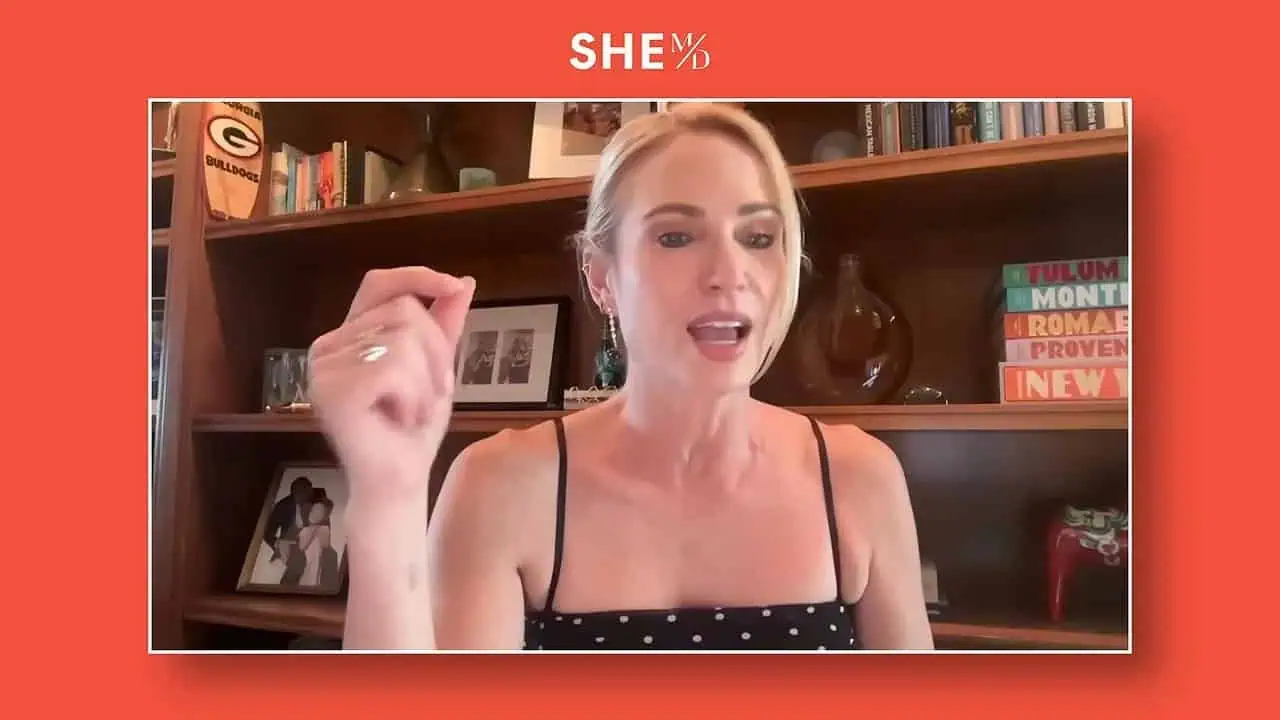
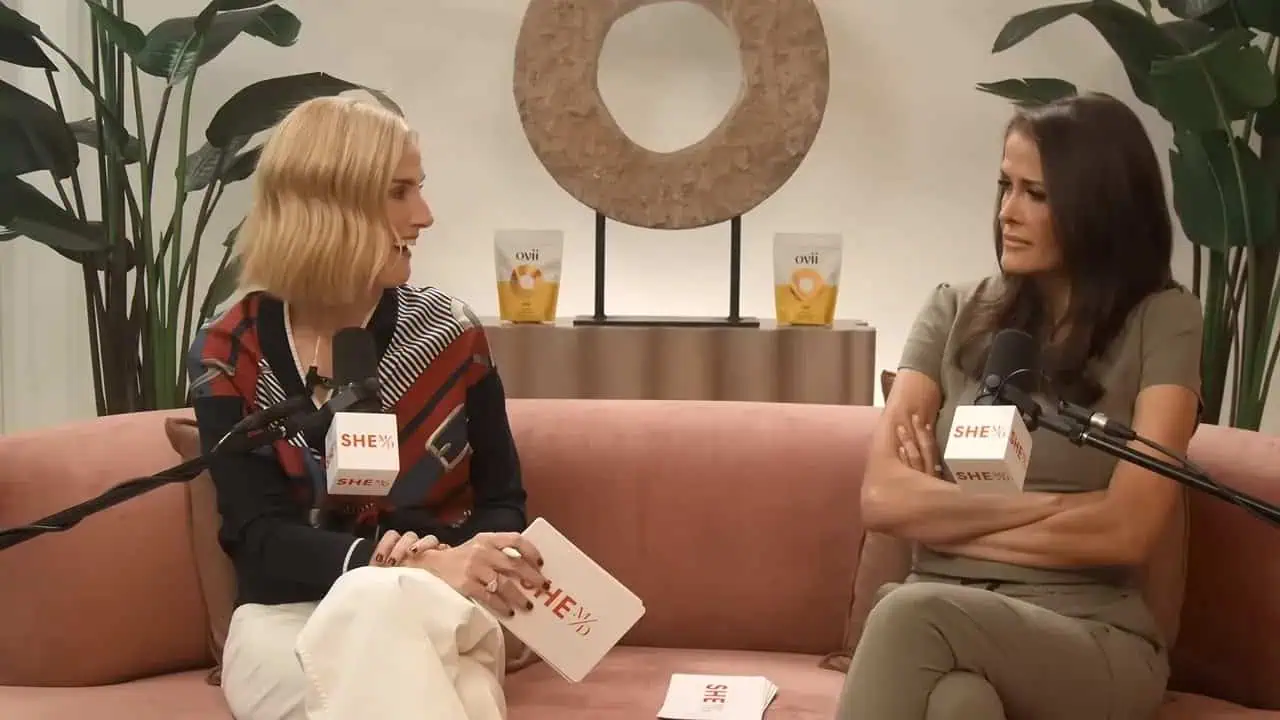
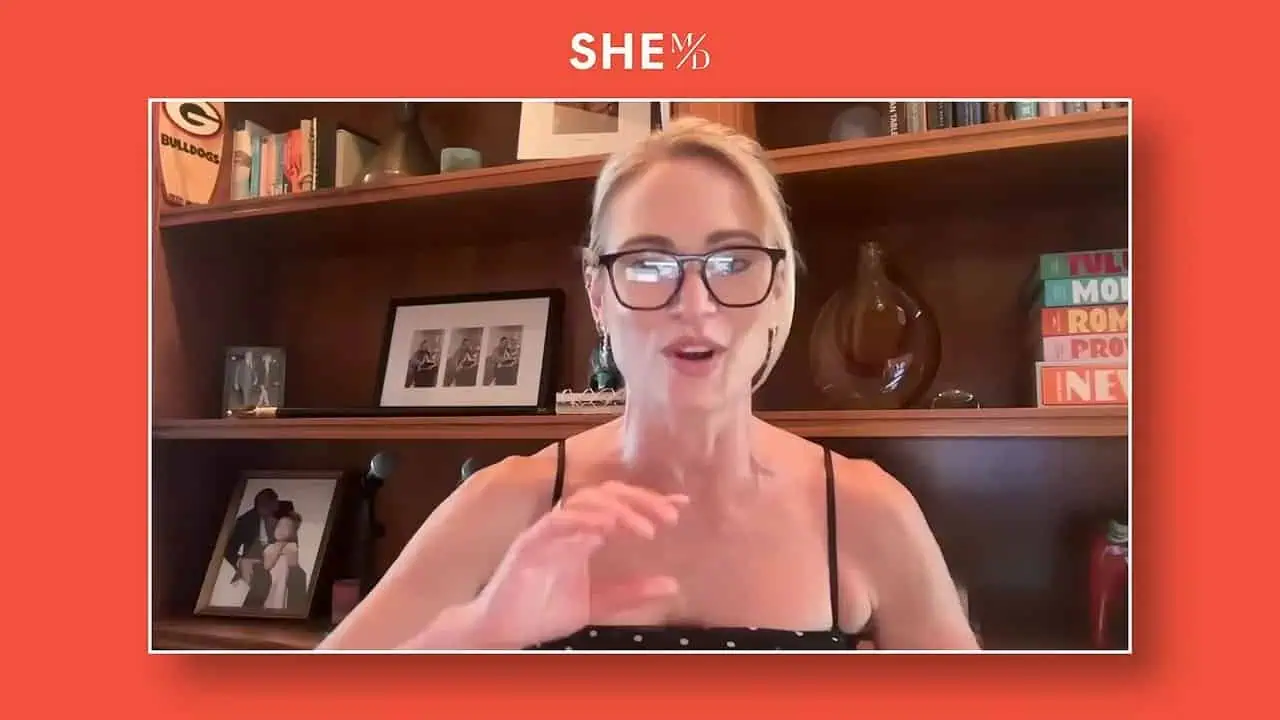
That is what happened to Amy Robach. She sits down with Dr. Thais Aliabadi and Mary Alice Haney to tell her story. At 40, Amy agreed to a mammogram on live television because she hoped it might encourage someone else to get screened. She did not believe cancer could happen to her. There was no breast cancer in her family, no genetic red flag she knew of, and no warning sign she could feel.
That mammogram ultimately led to a diagnosis of stage II breast cancer. What began as a message about screening became a deeply personal journey through fear, treatment, surgery, recurrence concerns, and the unexpected strength that can come from surviving something we once believed would break us.
Table of Contents
- A Conversation About Mammograms, Early Detection, and Finding Strength After Breast Cancer
- FAQ
- We Are Not Alone
A Conversation About Mammograms, Early Detection, and Finding Strength After Breast Cancer
Why did breast cancer feel impossible to imagine before your diagnosis?
We can convince ourselves that cancer belongs to someone else, especially when we have no family history. That was absolutely our mindset. Amy came from large families on both sides, and at the time of her diagnosis, her grandparents were still alive. Breast cancer simply was not part of her family story.
There was very little cancer in her family at all, so she felt invincible. She was healthy, young, active, and only 40 years old. In her mind, she did not match the image she had been taught to associate with breast cancer.
That belief is incredibly common, and it is exactly why it can be dangerous. No family history does not mean no risk. As Dr. Thaïs Aliabadi explained, many factors can contribute to a person’s lifetime breast cancer risk, including dense breasts, early menstruation, later menopause, not having children, family history, genetic mutations, and a history of atypical cells. But even without those factors, simply being a woman carries risk.
Dr. Aliabadi emphasized that the average lifetime breast cancer risk is about 12.5%, or one in eight women. She also noted that approximately 85% of women diagnosed with breast cancer do not have a family history of the disease. That single fact should dismantle the idea that family history is the only reason to take screening seriously.
Risk assessment is personal, and it should be an ongoing conversation with a medical professional. For a deeper explanation of the factors clinicians consider, read our guide to how breast cancer risk assessments work.
What made you agree to a mammogram on live television?
At the time, Good Morning America asked Amy to get a baseline mammogram in a mammography van in Times Square, on live television. Her first reaction was laughter. She had no intention of doing it.
She believed the screening recommendation at that time did not apply to her. Without a family history, she felt she could wait. She also had another concern that had nothing to do with cancer: the optics. As a journalist, she had spent decades telling other people’s stories. Being the subject, particularly for something so personal, felt uncomfortable. She worried people would see it as a stunt or a ratings moment.
Then Robin Roberts, a breast cancer survivor, gave her a perspective she could not ignore. Robin told her that she was exactly the person who should get the mammogram because she represented so many women who believed cancer could not happen to them.
The purpose was simple: show that getting a mammogram is manageable, not unbearable, and worth prioritizing. Amy believed she was doing it to help another woman take action. She had no idea it would save her own life.
What was the mammogram experience actually like?
Before the appointment, Amy was nervous about being exposed emotionally and visually, not about the possibility of cancer. She chose not to wear a microphone during the mammogram because she did not want anyone to hear her breathing heavily or reacting if the compression hurt. Keeping the microphone off gave her one small sense of control.
The mammogram itself was not as bad as she feared. She later told women honestly that it was not terribly painful. Initially, only one breast was imaged for television timing. As she was leaving, the technician reminded her that she had not completed imaging of the other breast.
She returned, not because she was worried, but because her journalistic instinct told her that saying she had a mammogram after imaging only one breast would not be authentic. That decision, made almost casually, changed everything.
Her experience is an important reminder that a mammogram is a medical exam, not a performance test. It can feel awkward, and it may be uncomfortable, but it is brief and designed to detect cancers before they become more advanced. If an appointment is coming up, our practical guide on how to prepare for a mammogram can help make the process feel more manageable.
When did you learn that something might be wrong?
A few days after the mammogram, Amy started receiving calls from the mammography van. She missed them and did not listen to her voicemail. About a week later, her assistant told her that the technicians were trying to reach her.
When Amy finally called back, the message was cautious: the images showed something interesting or suspicious, but it might be nothing. They wanted the images sent to her OB-GYN so the next steps could be determined.
Her OB-GYN also described the finding as suspicious but possibly benign, perhaps calcium deposits. Out of caution, she recommended repeat imaging at NYU’s cancer center. Amy’s response was not fear. It was annoyance.
She thought the callback was proof that younger women with dense breast tissue should avoid mammograms because they could lead to false positives and unnecessary stress. She delayed the follow-up for nearly 30 days because she was so convinced it could not be serious.
That delay is part of why this story matters. A callback does not automatically mean cancer. It does mean we need to follow through. More imaging, ultrasound, and sometimes biopsy are how clinicians clarify what they are seeing. The goal is not panic. The goal is answers.
What happened at the follow-up appointment?
Amy expected to be in and out quickly so she could return to work. Instead, one hour became two, then three. The care team wanted more images, followed by an ultrasound.
During the appointment, a technician asked whether Amy had felt the area in question. She guided Amy’s fingers to a spot on her right breast, and there was a lump. Amy had not felt it before because she had not been doing self-exams.
That realization carried its own weight. We can be hard on ourselves in moments like this, but shame does not help us. What matters is getting evaluated when something is found. The team moved quickly and arranged a biopsy.
Five hours later, a radiologist came in with the results and asked whether there was someone Amy could call to be with her. In that instant, she knew the news would not be benign.
What was it like to hear that the mass was malignant?
There is no polished version of receiving a cancer diagnosis. Amy described the moment as surreal. The words did not make sense. Being told the sky was green might have sounded more believable than hearing that the mass in her breast was malignant.
She sobbed, heaved, and had a panic attack so severe that a mental health professional was brought in to help her calm down. That response is not dramatic. It is human. Cancer instantly changes the future we thought we had mapped out.
At 40, Amy was also trying to get pregnant. Her diagnosis suddenly affected not only her health and treatment decisions, but also how she thought about family planning and the possibility of another child. For many younger women, breast cancer intersects with career, fertility, relationships, body image, and plans that can feel suddenly uncertain.
We should never minimize that shock. Nor should we assume someone has to process it alone. A diagnosis is medical, emotional, practical, and deeply personal all at once.
Why does early detection matter so much?
Early detection can dramatically change the options available to us. Amy was diagnosed with stage II breast cancer, and Dr. Aliabadi had stage I breast cancer. Both understood how fortunate they were to receive an early-stage diagnosis when many people are not given that opportunity.
After Amy’s double mastectomy, the surgical team found a second malignant tumor on her chest wall. It had not been detected by mammogram, ultrasound, or MRI. Her surgeon discovered it during surgery by physically examining the chest wall. Her cancer had also spread to lymph nodes.
This is why screening and follow-up matter, but it is also why we need humility around testing. Mammography is a vital tool, yet no single test catches everything. A personalized screening plan may include mammography and other imaging based on individual risk, breast density, symptoms, and clinical judgment.
Ultrasound can be helpful in certain situations, but it does not replace mammography. Learn more about when it may be used in our article, Do You Need Annual Breast Ultrasounds?.
Dr. Aliabadi stressed that screening recommendations should be based on personal risk, not only age. In her practice, she advocates for baseline imaging earlier than age 40 for some patients, particularly when a person has elevated lifetime risk or a known genetic mutation. Those decisions must be made individually with a trusted clinician.
What is one of the biggest misconceptions about breast cancer?
The biggest misconception is believing breast cancer only happens to women with a family history. Amy did not think she was susceptible because she did not know anyone she was related to who had breast cancer.
Another misconception is that breast cancer only affects women in their 60s and 70s. The discussion highlighted research cited from the American Cancer Society estimating that 16% of women diagnosed with breast cancer in 2024 were under age 50. The rate of increase among younger women has also become steeper in recent years, although researchers do not fully understand why.
We cannot look at someone’s age, appearance, fitness level, or lifestyle and know whether breast cancer is possible. Women who are young, vibrant, healthy, and thriving can still receive this diagnosis. That is why we need to know our risk, ask questions, and show up for appropriate screening.
How does cancer change life after treatment ends?
We often imagine a clean finish line. Treatment ends, the doctor says there is no evidence of disease or that we are in remission, and everyone expects a celebration. But emotionally, it is not always that simple.
Amy explained that cancer stays with us mentally, even when it has been removed physically. A breast cancer diagnosis can change how we eat, drink, spend time, and make decisions. It can bring recurrence anxiety and an ongoing need to manage fear. It can also make us aware of how much courage we are capable of.
After a double mastectomy and reconstructive surgery, Amy lives with physical reminders. She described numbness, occasional shooting pain, and the sensation of having foreign objects attached to her body. She does not forget what she has been through, and she does not necessarily want to forget it.
That new normal deserves compassion. The physical effects of treatment are real. The mental toll is real too. We should make space for both without demanding that anyone feel grateful, brave, or positive every moment of every day.
How can fear of recurrence affect someone with early-stage breast cancer?
Even after early-stage breast cancer treatment, the concern about recurrence can remain front and center. Amy described receiving an Oncotype score and hoping it would be in the single digits. When it came back at 21, representing a moderate risk of recurrence, it frightened her deeply.
The score made her wonder whether she could ever feel completely at ease and whether there was more she should be doing. Those questions can be relentless: What else can we change? What should we ask? How do we live fully while carrying uncertainty?
A Novartis poll of people with early-stage breast cancer found that two-thirds shared similar concerns. That matters because recurrence anxiety is not a personal failure or an overreaction. It is a common part of survivorship.
We can channel that anxiety into practical advocacy: understanding our treatment plan, asking our care team what follow-up looks like, reporting new symptoms, keeping appointments, and seeking emotional support when the worry becomes overwhelming. Empowerment is not pretending fear does not exist. It is knowing we are allowed to ask for the information and care we need.
Why is community such a powerful part of breast cancer survivorship?
A breast cancer diagnosis can feel isolating even though so many people have experienced it. We may feel alone in our fear of dying, our fear of losing a part of ourselves, and our fear that treatment will alter our appearance, fertility, sexuality, or sense of identity.
Amy found strength in women who had already gone through it. Robin Roberts and Hoda Kotb were friends and colleagues who had walked that path before her. Seeing women emerge healthy, strong, and joyful gave Amy a mental lifeline as she faced the physical reality of treatment.
That is the heart of the Breast Cancer Unscripted partnership with Novartis. The campaign shares conversations with women from different backgrounds and at different stages of their breast cancer journeys. These are not stories designed to make us feel hopeless. They are candid stories about treatment, recovery, recurrence fears, body changes, and finding purpose in a new normal.
There is a sisterhood in being able to say, “We understand.” Sometimes that is what makes an impossible season feel survivable.
What does being your own health advocate look like?
It starts with refusing to dismiss ourselves. We should know our personal and family history, discuss risk with our clinicians, schedule recommended screenings, and follow up when imaging requires another look.
It also means asking direct questions. If we are diagnosed, we can ask about the specific kind of breast cancer we have, treatment options, goals of treatment, side effects, fertility considerations, recurrence risk, supportive care, and what follow-up will involve. There is no prize for pretending we understand when we do not.
Advocacy may also mean seeking another opinion, bringing a trusted person to appointments, writing questions down in advance, and asking for clarification until the plan makes sense. It is our body and our life. We deserve to be fully included in decisions about both.
For practical strategies that can help us speak up in medical settings, explore our guide to advocating for yourself at the doctor.
How can sharing one story make a real difference?
Not everyone wants to speak publicly about breast cancer, and that choice deserves respect. No one is obligated to turn their diagnosis into an identity or a public campaign.
But Amy’s experience shows how powerful storytelling can be. After sharing her diagnosis, she heard from dozens of women who made appointments because of her story and then learned they had early-stage breast cancer. Her willingness to speak became part of someone else’s early detection.
We do not need a national platform to have an impact. Sharing an experience with a friend, family member, coworker, faith community, or small circle can be enough to prompt someone to schedule the exam they have been putting off.
One voice can create action. One appointment can create an earlier diagnosis. One honest conversation can remind someone that breast cancer is not only a disease that happens to other people.
FAQs
Can we get breast cancer without a family history?
Yes. Amy Robach had no family history of breast cancer, and Dr. Aliabadi noted that about 85% of women diagnosed with breast cancer do not have a family history. Family history is important, but it is only one part of personal breast cancer risk.
Does a callback after a mammogram mean cancer?
No. A callback means additional evaluation is needed to better understand an imaging finding. It may involve more mammogram views, ultrasound, or sometimes biopsy. The important step is completing the recommended follow-up promptly.
Why did Amy Robach get a double mastectomy?
Amy underwent a double mastectomy as part of her breast cancer treatment. During surgery, her team found a second malignant tumor on her chest wall that had not been identified through mammogram, ultrasound, or MRI.
Can cancer anxiety continue after treatment ends?
Yes. Fear of recurrence, changes in body image, physical effects of surgery or treatment, and uncertainty about the future can persist long after active treatment. Support from oncology teams, mental health professionals, and other people with lived experience can be an important part of survivorship.
What is the most important message from Amy Robach’s breast cancer story?
We should not assume breast cancer cannot happen to us because we are young, healthy, or without a family history. Know your individual risk, talk with your clinician, follow through on recommended screening and imaging, and remember that we do not have to face a diagnosis alone.
We Are Not Alone
Breast cancer changes the way we understand time. It can sharpen our gratitude, rearrange our priorities, and make ordinary mornings feel precious. It can also leave fear that never fully disappears.
But life after breast cancer is not over. It is different. It is a new normal that can hold grief, strength, pain, joy, advocacy, and deep connection all at once.
Amy’s story began with a mammogram she almost refused. It became a reminder that early detection matters, family history is not the whole story, and our voices can help someone else take the step that protects their health. We deserve to ask questions, insist on answers, and be active participants in our own care.
Medical disclaimer: This article is for educational and informational purposes only and is not a substitute for personalized medical advice. Discuss breast cancer risk, screening, symptoms, and treatment decisions with a qualified healthcare professional.
Concerned About Your Health? Talk to Dr. Aliabadi
Dr. Aliabadi is an expert OB/GYN who is knowledgeable in all aspects of women’s health and well-being. Dr. Aliabadi and her caring, supportive staff are available to support you through PCOS, endometriosis, menopause, childbirth, infertility, or routine gynecological care. We invite you to establish care with Dr. Aliabadi. Call us at (844) 863-6700 or
This article was created from the video No Family History, No Warning Signs: Amy Robach’s Breast Cancer Story | SHE MD for Dr. Thais Aliabadi’s website.