Table of Contents
- Talking honestly about PCOS, endometriosis, Hashimoto’s, fertility, and self advocacy
- FAQ
- Final thoughts
Talking honestly about PCOS, endometriosis, Hashimoto’s, fertility, and self advocacy
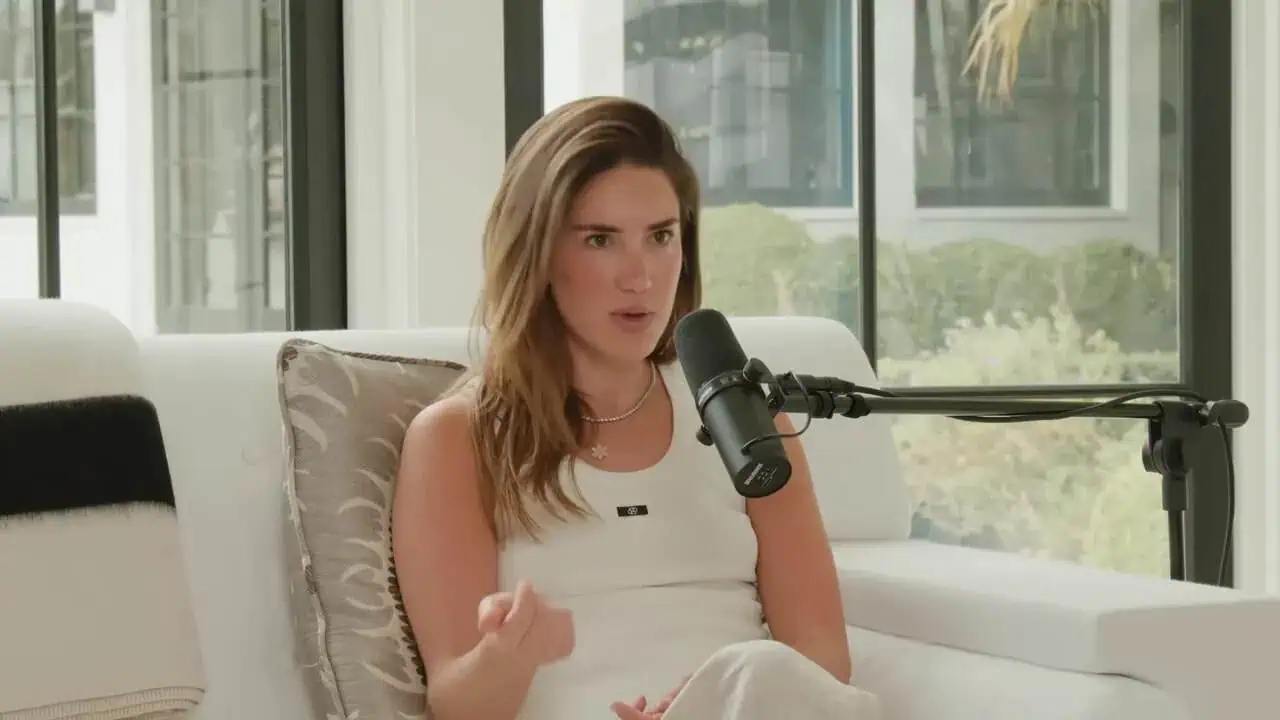
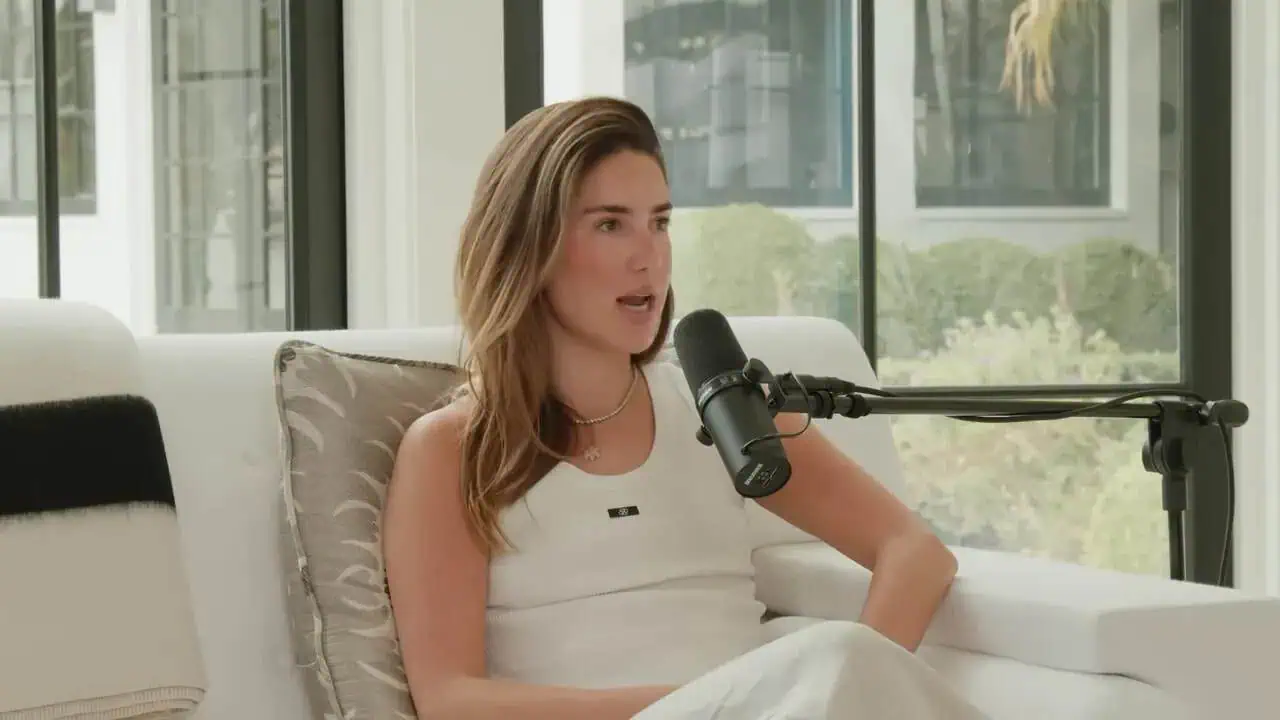
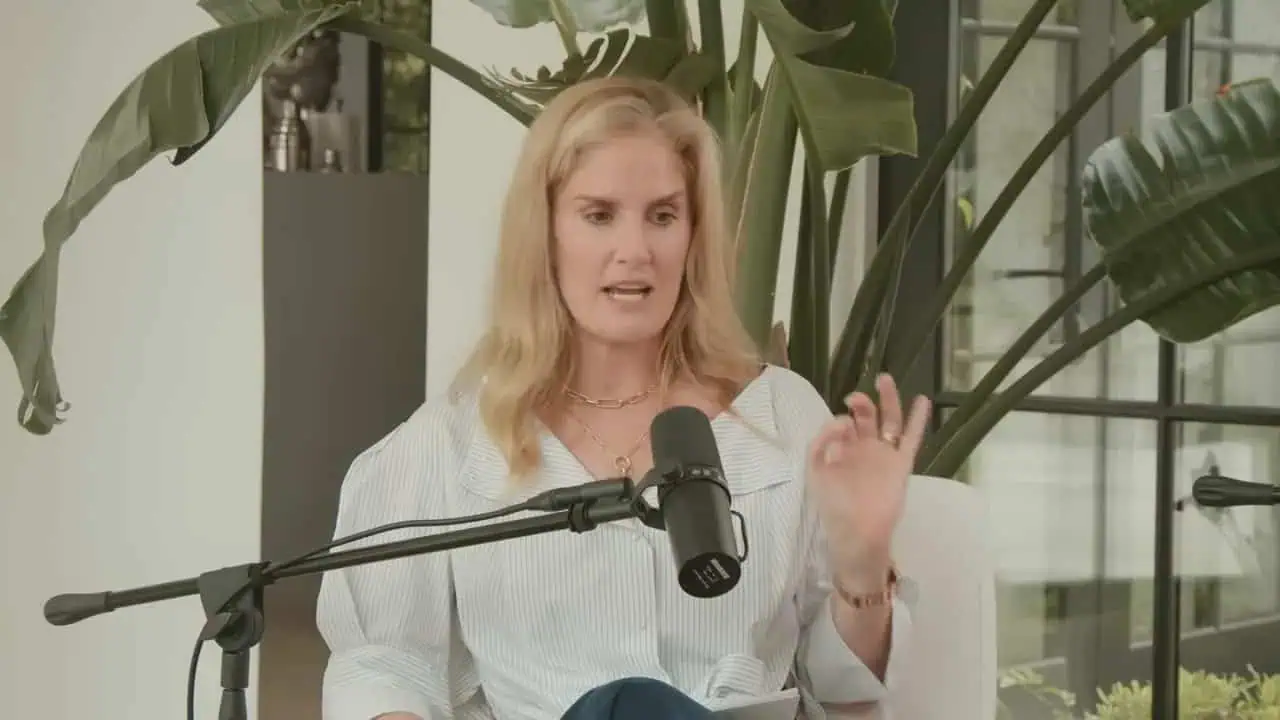
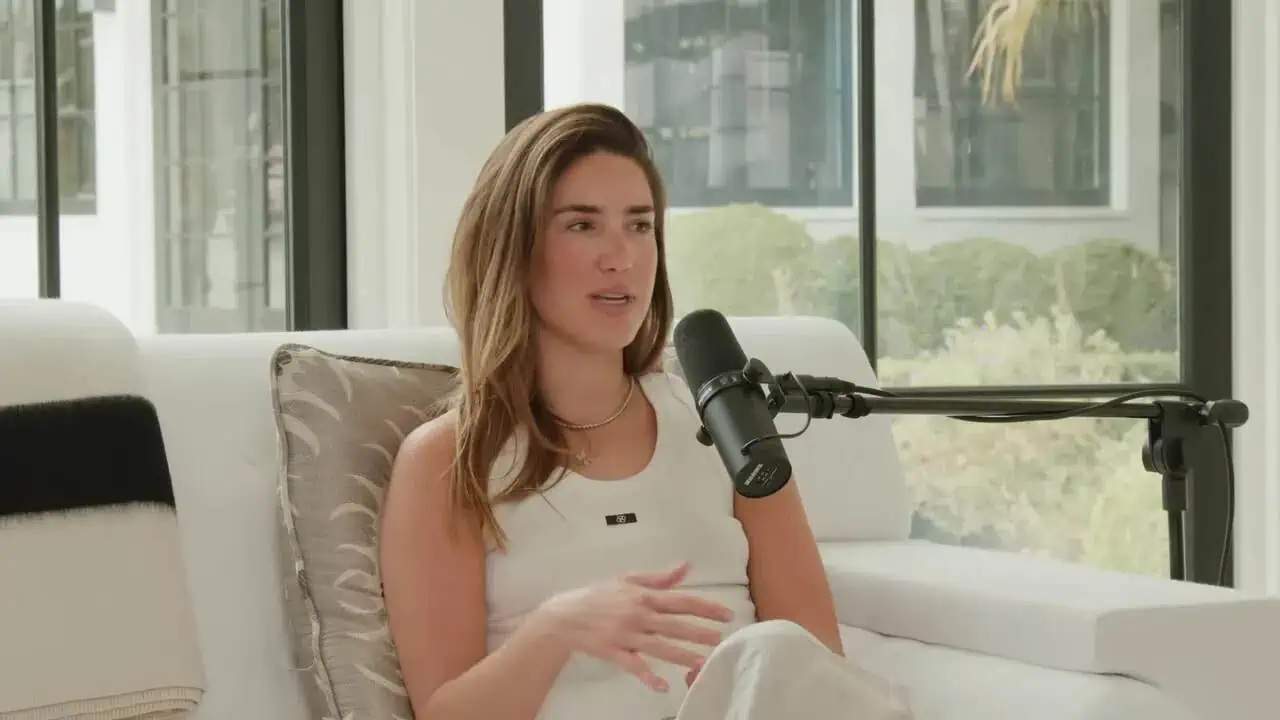
Some health conversations change everything the moment we stop whispering about them. Influencer Tinx sits with Dr. Thais Aliabadi and Mary Alice Haney to discuss a wealth women’s health issues.
That is what makes this one so important. We are talking about the kind of symptoms women are often told to brush off. Irregular cycles. Acne. Hair thinning. Facial hair. Painful periods. Pain during sex. Weight changes that make no sense. Fatigue that feels bigger than simple tiredness. Anxiety that seems to ride alongside all of it.
For far too many women, those symptoms get separated into little boxes, treated one by one, or worse, dismissed entirely. What makes this conversation so powerful is the reminder that these things are often connected. When we understand the bigger picture, we can stop feeling confused, ashamed, or dramatic and start asking better questions.
We also spend time on another part of the story that matters just as much. How do we trust ourselves when something feels off? How do we find a doctor who listens? How do we make peace with decisions around treatment, fertility, and timing when our lives do not fit into anyone else’s script?
This interview is about all of it.

You have become such a recognizable voice for women. How did that begin?
It started in a season of uncertainty.
After moving to Los Angeles at the end of 2019, there was a sense of being in between chapters. Graduate school was done. Work felt unstable. Life did not look the way it was supposed to look on paper. Then the pandemic hit, which only amplified that feeling of being untethered.
Out of that chaos came a strange kind of freedom. If life felt uncertain anyway, why not experiment? Why not try the app everyone was talking about? That small decision to start posting short videos turned into a major turning point.
The appeal was immediate. Short form content felt natural. There was humor in it, creativity in it, and an ease that had been missing elsewhere. Instead of forcing a path that did not fit, there was finally a medium that did. More than anything, there was connection. Not the polished, distant kind. Real connection.
That sense of connection is a thread that runs through everything. It shows up in funny posts, in advice, in live conversations, and in the kind of openness that makes women feel less alone.
Why do women respond so strongly to that kind of advice and honesty?
Because women are often carrying the same questions in private.
There is immense power in female friendship, in shared experience, and in passing information from one woman to another. In spaces where women feel safe enough to be honest, someone almost always has insight that can help someone else. One person names the thing. Another says, me too. A third says, here is what helped me. That exchange is powerful.
It is also why conversations about health matter so much. When we talk openly about our bodies, symptoms, fears, and treatment decisions, we chip away at the silence that keeps women stuck.
That same spirit shows up across the SHE MD podcast archive, where women’s health topics are unpacked with the kind of directness that is still missing in too many exam rooms.
When did the health side of your story start to feel impossible to ignore?
For many women, it is not one dramatic moment. It is a pileup.
Maybe we go off the pill and our cycle never settles. Maybe we are dealing with brutal periods. Maybe our skin changes, our hair changes, our weight changes, and we cannot make sense of it. Maybe we hear vague things in appointments but leave without a clear plan.
That is what makes this story so relatable. There were signs for years, but not enough explanation. After coming off birth control in the late twenties, there was a long stretch without a period at all. Then there were extremely painful periods. There were symptoms that pointed toward PCOS, but not the kind of care that turned a diagnosis into a strategy.
That gap is where many women live. We are told something is wrong, or maybe that nothing is wrong, yet we are still left figuring it out ourselves.
What made the difference once you found the right doctor?
Being heard.
That sounds simple, but it changes everything. When a doctor listens carefully, asks follow up questions, connects symptoms instead of isolating them, and explains what is happening in plain language, the whole experience shifts.
Instead of feeling like a problem to be managed quickly, we begin to understand our own bodies.
That was especially important here because the pain had become a normal part of life, even though it should never have been accepted that way. When someone is living at an eight or nine out of ten pain level for days or weeks of every month, that is not just inconvenient. That is life altering.
And yet many women normalize it because they have been told for so long that painful periods are just part of being female. They are not.
That is one of the clearest takeaways from this whole conversation. Severe period pain is not something we should be expected to endure without investigation.
If we suspect a provider is minimizing symptoms, practical self advocacy becomes essential. There is a useful companion read on advocating for yourself at the doctor that reinforces many of the same themes discussed here.
Can we break down the difference between PCOS and endometriosis? They are often talked about together.
Yes, and that distinction matters.
PCOS, or polycystic ovary syndrome, is a hormonal and metabolic condition. It often shows up through signs of androgen excess and insulin resistance. Common symptoms include:
- Irregular or missing periods
- Acne
- Facial hair or excess body hair
- Hair thinning or hair loss
- Weight gain or difficulty losing weight
- Skin changes such as skin tags
- Anxiety or mood struggles
- Fertility challenges
Endometriosis is different. It is strongly associated with pain, especially pain related to the menstrual cycle. It can also cause painful sex, pelvic pain, and infertility.
This is where many women get confused, because it is possible to have both. In fact, a significant number do. But painful periods are not considered a classic PCOS symptom. When someone has PCOS and severe period pain, that should raise concern for something else, including endometriosis.
That distinction can be easy to miss in rushed care. We hear “you have PCOS” and assume every symptom belongs under that label. Sometimes it does not.
What does PCOS actually feel like in everyday life?
PCOS can affect almost every part of how we move through the world.
On the surface, it may look like cosmetic issues or cycle irregularity. But beneath that, it can touch confidence, energy, mood, fertility, and relationship with food.
One striking point raised in the conversation is how often anxiety appears alongside PCOS. That matters because women are frequently made to feel as though they are dealing with separate unrelated problems. The reality is that hormonal imbalance can shape emotional well being too.
There was also a thoughtful discussion about disordered eating. When someone gains weight easily, struggles with insulin resistance, and compares herself to peers who can eat similarly without the same result, it can create an intense sense of failure. That can begin very young.
So PCOS is not just about ovaries. It can affect how we see ourselves, how we eat, and how we interpret our worth.
For a fuller medical overview of symptoms, diagnosis, risks, and treatment options, this detailed resource on PCOS is a helpful next step.
Why are so many cases of PCOS missed or diagnosed late?
Because too much of women’s medicine is still symptom management without context.
If someone reports acne, they may get a skin treatment. If someone reports irregular periods, they may be given birth control. If someone reports weight gain, they may be told to exercise more. If someone reports anxiety, that may be treated in isolation too.
But when those symptoms cluster together, they tell a different story.
Another reason PCOS goes overlooked is that there is no single universal presentation. Not every woman has every symptom. Some have more obvious skin or hair symptoms. Others struggle primarily with cycles or weight. Others do not realize insulin resistance is part of their picture at all.
That is why education matters so much. Once women know what the syndrome can look like, they are better equipped to push for evaluation instead of accepting fragmented care forever.
How is PCOS treated when there is no cure?
The key idea is that treatment is symptom based and individualized.
Because PCOS can present differently from person to person, the plan has to match the symptoms. That may include:
- Birth control pills to help regulate bleeding and manage hormone related symptoms
- Metformin to improve insulin sensitivity
- Spironolactone for acne and excess hair related to androgen activity
- Minoxidil for hair thinning or hair loss
- GLP-1 medications in some cases of obesity or severe weight related struggle
- Mental health support for anxiety, depression, or body image issues
The bigger point is that treatment works best when women understand why they are taking something. A prescription without explanation is easy to abandon. A plan built on education is easier to follow because we understand the logic behind it.
What role did the IUD play in this story?
It ended up being a major turning point.
There was hesitation at first, which is common. A lot of women are wary of hormones, and often for understandable reasons. Sometimes that fear comes from prior experiences. Sometimes it comes from mixed messaging. Sometimes it comes from not fully understanding how one option differs from another.
In this case, the decision was made to try a hormonal IUD, specifically because it could help manage symptoms in a more targeted way. After giving it time, the difference was significant. Pain levels dropped from debilitating to much more manageable. Month to month life improved in a real, measurable way.
That is worth underlining. The right treatment does not always feel perfect instantly, and it does not look the same for everyone, but finding the right fit can make a huge difference.
Why was metformin part of the plan?
Because insulin resistance is central for many women with PCOS.
When cells are resistant to insulin, the body does not process carbohydrates and sugar efficiently. That can contribute to weight gain, cravings, fatigue, and a general sense that the body is working against us.
Metformin helps improve insulin sensitivity. Put simply, it helps the body respond better to insulin. That can be useful not only for PCOS, but also for those with a family history of diabetes or other signs of metabolic dysfunction.
This is one reason PCOS deserves serious medical attention. It is not just about periods and skin. It has important metabolic implications too.
There was also a thoughtful conversation about birth control pills. What was the concern there?
The conversation was nuanced.
It was not that birth control pills are bad across the board. Many women do very well on them. But for some patients with PCOS, there are reasons to consider alternatives.
One concern is mood. Since many PCOS patients already experience anxiety or mood symptoms, a systemic hormonal method may not always be the best fit.
Another concern discussed was long term ovarian suppression in a small subset of patients using continuous birth control pills for many years. That does not mean no one should use them long term, but it does mean fertility planning should be thoughtful. Monitoring ovarian reserve can become part of that conversation, especially if someone expects to delay pregnancy for a long time.
That leads naturally to another topic that came up: egg counts and fertility planning.
How did the fertility conversation unfold?
With honesty, clarity, and no performative certainty.
One of the most refreshing parts of this discussion is that it does not force a neat answer to the question of whether someone wants children. Sometimes the truthful answer is that we do not know yet.
That uncertainty can feel uncomfortable because women are so often pressured to have a plan. Freeze eggs now. Decide now. Know now. But not everyone experiences that decision in the same way.
Here, the feeling was very clear: egg freezing is an amazing technology, and for many women it offers meaningful flexibility and peace of mind. But it was not the right choice personally. There was sensitivity to the physical process, sensitivity to medication, and a deeper emotional resistance that mattered too.
That kind of clarity is important. We do not have to choose something simply because it is available. We are allowed to make the decision that aligns with our bodies, our values, and our current reality.
There was also a healthy perspective on alternatives. If pregnancy becomes the goal later, there may be other routes. IVF may be an option. Adoption may be an option. Life does not have to follow one rigid template to be meaningful.
Let’s talk about endometriosis. Why is it still so commonly missed?
Because women are trained to downplay pain, and medicine often meets that pain with minimization.
When a teenager or young woman is told that painful periods are just part of life, she starts doubting her own instincts. If she misses school, lies in bed for days, or ends up in the emergency room, she may still be told she is overreacting.
That is one of the most frustrating realities around endometriosis. The delay to diagnosis can stretch close to a decade. During that time, women may move from doctor to doctor, trying medications without explanation, wondering if they are somehow weak for not coping better.
They are not weak. The system is often failing them.
Endometriosis deserves the same baseline public awareness we give to other major health conditions. People should know the name. Families should know the signs. Teachers should know that a girl missing class because of severe period pain may not be exaggerating. Employers should understand it too.
For a deeper look at symptoms, diagnosis, surgery, and treatment options, the endometriosis resource page here is useful: endometriosis.
Why do PCOS and endometriosis sometimes appear together?
There is still a lot we do not know.
Both conditions appear to have genetic influences. If they run in the family, the odds go up. Beyond that, one possible explanation discussed involves irregular cycles. When someone goes long stretches without a period and then has very heavy bleeding, menstrual blood may flow backward through the tubes into the pelvis instead of leaving the body normally. That backward flow is one proposed mechanism by which endometrial tissue implants can form and grow.
Those implants then respond to estrogen, which helps explain why symptoms often worsen over time.
What matters most for patients is not memorizing every theory. It is recognizing that having one diagnosis does not rule out another.
What is the standard treatment for endometriosis?
The gold standard discussed here is laparoscopic excision surgery paired with hormonal suppression afterward, often using progesterone based treatment.
That is important because surgery alone may not be enough. If endometriosis tissue is removed but hormone driven stimulation continues unchecked, symptoms can come back. In some women, recurrence can happen surprisingly fast.
At the same time, surgery is not always the first step. Treatment may begin with:
- Progesterone only pills
- Hormonal IUDs
- Other hormone suppressing medications that reduce estrogen activity
These approaches aim to calm the disease, reduce pain, and preserve quality of life. But the right choice depends on symptoms, fertility goals, treatment response, and tolerance for side effects.
There was also an important note about surgery itself. Endometriosis surgery is highly specialized. Implants can be near the bowel, bladder, ureters, or other delicate structures. Not every surgeon is trained to recognize all forms of the disease or remove it completely.
That matters because endometriosis does not always look dramatic. Sometimes it appears as obvious dark lesions. Other times it can be subtle, with pale or streaky changes that are easy to overlook unless the surgeon knows exactly what to search for.
What about painful sex? Why is that part of the conversation?
Because it is common, and women still feel embarrassed saying it out loud.
Pain with sex can absolutely be a symptom of endometriosis. When it is present alongside severe period pain, pelvic pain, or other related symptoms, it deserves attention. This is another place where many women hesitate, either out of shame or because they assume discomfort is something to tolerate.
It is not.
Bringing it into the open is part of better care. If we never say it, it never gets evaluated.
Hashimoto’s came up too. How does that fit into the overall picture?
Hashimoto’s is an autoimmune condition that affects the thyroid. When thyroid function is off, symptoms can include fatigue, sluggishness, weight gain, feeling cold, and a general sense of low energy.
Part of the complexity here is overlap. Those same symptoms can also show up in PCOS. That is why comprehensive lab work matters. If we only assume one condition is responsible, we may miss another.
This discussion also highlighted something many women experience. We may be diagnosed with a thyroid issue, started on medication, and still not feel dramatically better. Sometimes the reason is that the thyroid was only part of the story. Sometimes the symptoms we blamed on Hashimoto’s were also being driven by PCOS and the inflammation tied to it.
That is why hormone panels and full evaluation matter. Bodies are not one note.
What bigger message should women take from all of this?
That a diagnosis is not the end of the story.
PCOS is manageable. Endometriosis is treatable. Hashimoto’s can be monitored and treated. But none of that happens well when women are dismissed, rushed, or made to feel silly for asking questions.
We need care that explains. Care that connects symptoms. Care that treats the whole person. And until that is standard everywhere, we need to keep advocating for ourselves and for each other.
There is also a subtler message here that matters just as much. We do not need to force ourselves into someone else’s timeline. Not for motherhood. Not for treatment decisions. Not for career. Not for what happiness is supposed to look like.
There are many ways to build a good life. There are many ways to be strong.
How does this connect to the broader idea of women’s empowerment?
Health advocacy and personal power are deeply connected.
When women know their worth, they are less likely to stay silent in bad relationships, less likely to accept poor care, and more likely to insist on answers. That does not mean the process becomes easy. It means we stop assuming our discomfort is the price of being agreeable.
One of the most moving themes in this conversation is the belief that women’s power is enormous, and that we are still only beginning to use it fully. Not just socially, but structurally. In medicine, leadership, business, and public life, women’s presence changes outcomes.
That same force shows up on a personal level. Every time a woman asks one more question in an appointment, pushes for a workup, seeks a second opinion, or shares her story so another woman recognizes herself, that is power too.
FAQs
What are common symptoms of PCOS?
Common symptoms include irregular or missing periods, acne, facial or body hair growth, hair thinning, weight gain or difficulty losing weight, insulin resistance, anxiety, and fertility challenges. Not every woman has every symptom.
Are painful periods normal?
Mild discomfort can happen, but severe pain that disrupts school, work, sleep, or daily life is not something we should brush off. That level of pain may point to conditions such as endometriosis and deserves evaluation.
Can someone have both PCOS and endometriosis?
Yes. A meaningful number of women have both. PCOS is more closely tied to hormonal and metabolic symptoms, while endometriosis is often more associated with pain, especially painful periods and painful sex.
What does metformin do for PCOS?
Metformin helps improve insulin sensitivity. For many women with PCOS, that can support better metabolic function and help address symptoms linked to insulin resistance.
Is an IUD a good option for PCOS or endometriosis?
For some women, yes. A progesterone based IUD can be especially helpful when pain and bleeding are major issues. It is not the right fit for everyone, but it can make a major difference for the right patient.
How is endometriosis definitively treated?
A common gold standard approach is laparoscopic excision surgery performed by an experienced surgeon, often followed by hormonal suppression to reduce recurrence risk. Some women also try medication first, depending on symptoms and goals.
What are symptoms of Hashimoto’s?
Common symptoms can include fatigue, weight gain, low energy, feeling cold, and sluggishness. Because these symptoms overlap with other hormonal conditions, proper testing is important.
What should we do if we feel dismissed by a doctor?
We should keep pushing for answers. Ask follow up questions, document symptoms, request testing when appropriate, and seek a second opinion if needed. Feeling unheard is a sign that more support may be necessary.
Final thoughts
What stands out most from this conversation is not just the list of diagnoses. It is the shift from confusion to clarity.
So many women are living in bodies that are asking for help while the world tells them to be less dramatic, less needy, less sensitive, less everything. But being tuned in to our symptoms is not weakness. It is wisdom.
When we understand that irregular periods can matter, that acne can be hormonal, that hair loss can have a root cause, that painful periods are not simply bad luck, and that fatigue is worth investigating, we give ourselves a better chance at getting real care.
And when we share that knowledge with each other, we change more than one life at a time.
Concerned About Your Health? Talk to Dr. Aliabadi
Dr. Aliabadi is an expert OB/GYN who is knowledgeable in all aspects of women’s health and well-being. Dr. Aliabadi and her caring, supportive staff are available to support you through PCOS, endometriosis, menopause, childbirth, infertility, or routine gynecological care. We invite you to establish care with Dr. Aliabadi. Call us at (844) 863-6700 or
This article was created from the video Tinx Talks Endometriosis, PCOS, and Hashimoto’s | SHE MD for Dr. Thais Aliabadi’s website.