When our bodies are asking for help, it is easy to miss the signs until they all arrive at once. We can be busy, ambitious, working late, trying to keep up, and telling ourselves that fatigue, weight changes, acne, missed periods, or intense bloating are just part of life. But sometimes they are not.
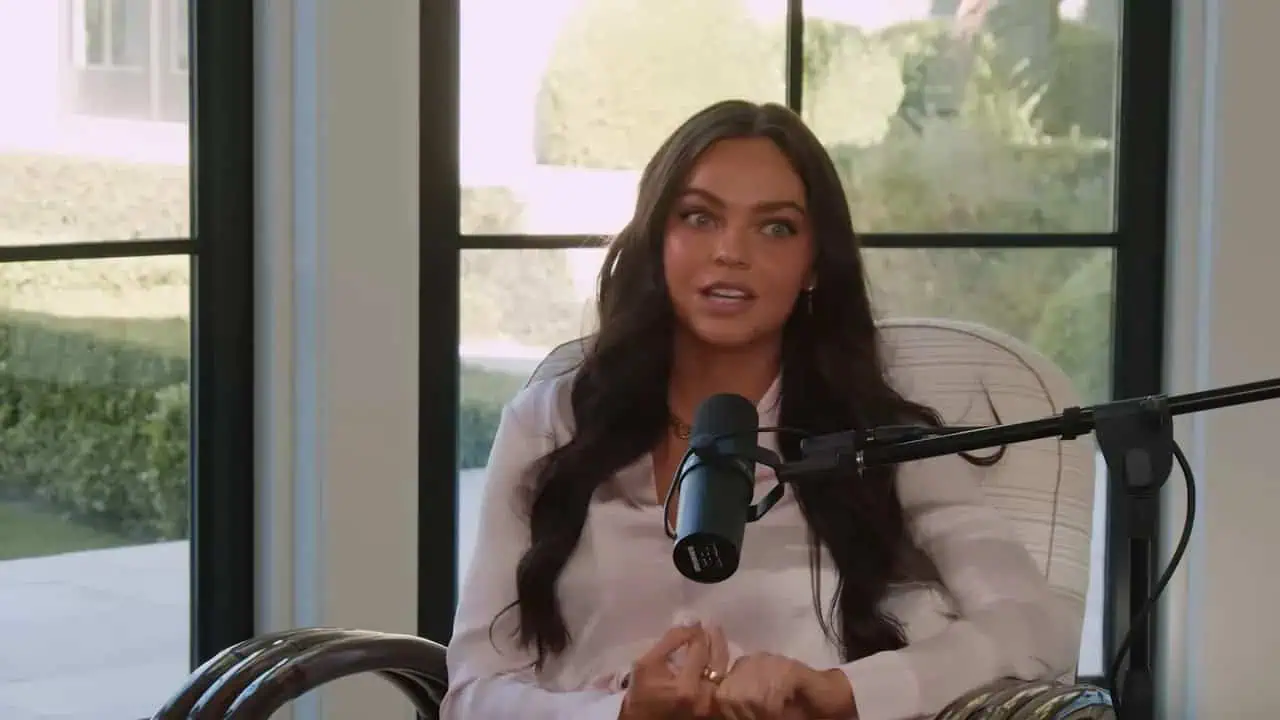
Gracie Norton joins Dr. Thais Aliabadi and Mary Alice Haney to talk about this deep experience. In her early twenties, a combination of rapid weight gain, hair loss, missed periods, hormonal acne, exhaustion, and sadness led her to pursue answers. Her eventual PCOS diagnosis became the start of a long, patient process of understanding her body, changing her lifestyle, and building a version of wellness she could actually sustain.
Table of Contents
- A PCOS Journey That Started With Symptoms We Could Not Ignore
- Getting a Diagnosis and Feeling Validated
- Healing PCOS Naturally Through Sustainable Lifestyle Changes
- Understanding Insulin Resistance in PCOS
- Natural Approaches and Medication Both Have a Place
- PCOS, Fertility, Painful Periods, and Endometriosis
- Why We Need More Compassion Around PCOS
- Gracie Norton’s Five Practical PCOS Wellness Tips
- FAQ
A PCOS Journey That Started With Symptoms We Could Not Ignore
What first made you realize that something was wrong?
For us, the hardest part can be recognizing symptoms while we are in the middle of a busy life. Gracie’s changes did not feel dramatic at first because they developed gradually. In college, she was dealing with extreme bloating and fatigue. Then, during class, she experienced severe pain that she later understood to be connected to a ruptured ovarian cyst.
She did not immediately seek care, partly because her periods were still regular at the time and partly because it was easy to minimize what was happening. After another rupture, she knew something felt off, but her life continued moving quickly.
Her routine changed substantially when she moved to Los Angeles for work. Late nights, inconsistent meals, a demanding schedule, disrupted sleep, and ongoing stress created a situation where her health slowly became less of a priority. Then the symptoms became impossible to dismiss.
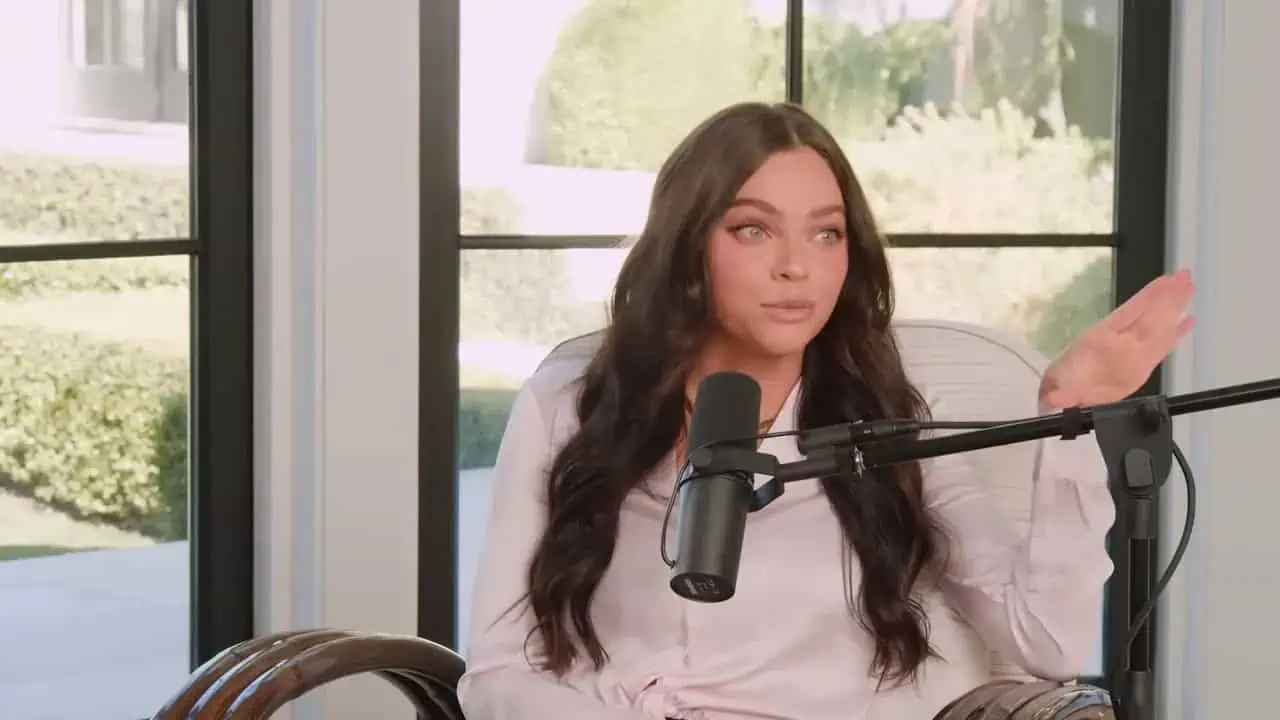
Within three months, Gracie gained about 30 pounds. Her hair was falling out. She had not had a period in three months, though it took time to notice because she was so busy. She also developed hormonal acne along her jawline, constant fatigue, and a feeling that even small tasks required enormous effort.
Perhaps the most difficult symptom was emotional. She did not feel like herself. She describes herself as naturally bubbly and fun-loving, but her energy had disappeared. That is an important reminder for all of us: hormonal health symptoms are not only physical. They can affect mood, confidence, motivation, and our sense of identity.
Why can PCOS be hard to recognize?
PCOS, or polycystic ovary syndrome, has a broad range of symptoms. Some people experience irregular or absent periods, acne, weight changes, hair thinning, facial or body hair growth, fatigue, difficulty with fertility, or mood changes. Others may not fit every expected pattern.
The name itself can be misleading. Polycystic ovaries do not mean someone necessarily has painful ovarian cysts. The term more accurately refers to having many follicles in the ovaries. Some people with PCOS have ovaries that appear normal on ultrasound, while some people without PCOS may have ovaries that look polycystic.
That is why diagnosis requires a thoughtful clinical conversation, not just one symptom or one image. It also explains why it is so important to speak up when something feels wrong. For a fuller overview of symptoms, diagnosis, long-term risks, and treatment options, see this guide to polycystic ovary syndrome.
Getting a Diagnosis and Feeling Validated
What was the process of being diagnosed with PCOS like?
Before receiving a diagnosis, Gracie saw several doctors and did not feel heard. She was told she sounded stressed, that bodily changes were normal at her age, and that she might consider options such as birth control, metformin, or spironolactone.
Those treatments can be appropriate and life-changing for many patients. But Gracie had previously not responded well to birth control and wanted to better understand what was happening in her body before choosing a path.
Eventually, a friend referred her to a gynecologist who performed an ultrasound. Gracie remembers seeing what looked like pearls surrounding her ovaries and learning that her ovaries were enlarged. In that moment, she felt both scared and relieved. Scared because she had questions about her body and future fertility. Relieved because there was finally a reason for what she had been experiencing.

That sense of validation matters. Many people with PCOS describe feeling as though they are doing everything “right” but are still gaining weight, dealing with acne, losing hair, or feeling exhausted. Being told only to eat less and exercise more can feel dismissive when there is an underlying metabolic and hormonal condition that needs a different approach.
What does self-advocacy look like when we feel dismissed?
Self-advocacy does not mean we need to diagnose ourselves or reject medical care. It means we keep asking questions when our symptoms are not being addressed. It means tracking menstrual cycles, changes in weight, pain, mood, digestion, sleep, acne, hair loss, and family history. It means seeking a second opinion when the explanation does not fit our experience.
Gracie’s turning point was deciding that she would make healing her priority. She moved home, found an integrative medicine doctor, and began with blood work. Rather than taking every supplement recommended online, she wanted a plan based on her own results and needs.
That is a grounded approach. Wellness does not need to mean doing everything. It can mean learning what is relevant to us, creating a realistic plan, and revisiting it with qualified support over time.
Healing PCOS Naturally Through Sustainable Lifestyle Changes
What changes did you make first?
Nutrition came first. Blood work also identified gut-related concerns, and Gracie found that the nutritional changes she made for PCOS supported her broader digestive goals too. Initially, she reduced refined sugar and temporarily removed gluten and dairy.
At first, the changes felt overwhelming. When we hear that certain foods need to be reduced or removed, it can feel like joy is being taken out of eating. Gracie’s approach became more practical over time. Instead of framing food as deprivation, she experimented with recipes and alternatives that still felt satisfying.
She used options such as maple syrup, coconut sugar, honey, and other ingredients to make meals and desserts enjoyable while reducing refined sugar. This eventually inspired her to share recipes and co-write Cooking Up Wellness.
We should be careful not to assume that one person’s food sensitivities are universal. Gluten and dairy were part of Gracie’s individualized plan at that time, not a universal requirement for every person with PCOS. The bigger principle was learning how her own body responded and making changes that felt maintainable.
How did you change your exercise routine?
One of the biggest shifts was moving away from punishing exercise. After gaining weight, Gracie thought she needed to work out harder, sometimes twice a day. Instead, all that intense effort made her feel more stressed and inflamed.
She shifted toward lower-impact movement:
- Walking regularly
- Hot yoga
- Strength training
- Movement that left her feeling energized instead of depleted
Her body began responding differently. She noticed less inflammation, more energy after exercise, and more enjoyment. The goal was no longer to burn as many calories as possible. It was to create a routine she could keep doing.
This is not an argument against all high-impact activity. Gracie later found she could run comfortably after building a healthier foundation. It is about understanding our stress load and choosing movement that supports us in the season we are in. For more practical options, including walking, strength work, yoga, and cardiovascular exercise, explore this resource on PCOS diet and exercise.
Why was stress management such a major part of your recovery?
Stress was not an extra wellness task. It was foundational. When we are living in fight-or-flight mode, it can become so normal that we no longer recognize how much it is affecting us. Gracie had been working late, sleeping inconsistently, exercising intensely, drinking a lot of coffee, and feeling deeply anxious about the unexplained changes in her body.
Her lifestyle changes included slowing down, improving routines, reducing stress where possible, hydrating, and making wellness feel more supportive than restrictive. She also learned that support from a partner, family, or trusted community can lower the emotional burden of healing.
There is no perfect stress-free life. But we can create small systems that make our days feel less chaotic: a wind-down routine, a nourishing breakfast, a walk, a consistent bedtime, or simply asking for help.
Understanding Insulin Resistance in PCOS
What is insulin resistance, and why does it matter in PCOS?
Insulin resistance is a central part of many PCOS experiences. When we eat carbohydrates or sugar, our bodies break them down into glucose. The pancreas releases insulin, which helps move glucose from the bloodstream into cells to be used for energy.
With insulin resistance, the body’s cells do not respond as effectively to insulin. Glucose remains in the bloodstream, and the body produces more insulin in response. Higher insulin levels can promote fat storage and, in PCOS, can stimulate the ovaries to produce more androgens such as testosterone.
Elevated androgens can contribute to irregular periods, acne, hair thinning, facial or body hair growth, and other symptoms. That is why the conversation cannot stop at weight. Weight changes can be a symptom of the underlying metabolic issue, not evidence that someone simply lacks discipline.

What lifestyle steps helped your insulin resistance?
For Gracie, the most helpful changes worked together rather than operating as one magic fix. Her nutrition shifted toward a more balanced, protein-forward breakfast. Before making changes, she often started the day with smoothies filled with berries and bananas. While fruit can be part of a healthy diet, that breakfast did not work well for her individual needs.
She swapped it for meals that included protein, vegetables, healthy fats, and fiber. One example was chicken sausage, vegetables, avocado for omega-3 fats, and quinoa for fiber. The goal was not perfection. It was to avoid starting the day with a blood sugar spike that left her feeling worse.
Her key habits included:
- Prioritizing protein early in the day.
- Reducing refined sugar.
- Taking regular walks.
- Choosing exercise that did not create more stress.
- Reducing excess caffeine and addressing chronic stress.
- Building meals that included protein, fiber, and nourishing fats.
Movement can support insulin sensitivity because active muscles help pull glucose into cells. This is one reason a simple walk can be meaningful. We do not need to turn every health decision into an extreme challenge.
Natural Approaches and Medication Both Have a Place
Can PCOS always be managed naturally?
No. This is one of the most important points in the entire conversation. PCOS exists on a spectrum. Some people see dramatic improvement through nutrition, movement, stress management, and other lifestyle changes. Others may improve partially. Some have insulin resistance or symptoms that are severe enough that medication is an essential part of care.
Medication is not a failure. Lifestyle care is not a moral test. We should not tell someone with significant symptoms to simply “try harder,” especially if they have already tried everything they can and are still struggling.
Metformin and other clinician-guided treatments can improve insulin sensitivity and help manage symptoms for some patients. Birth control and spironolactone may also be appropriate depending on the person’s concerns, goals, health history, and plans for pregnancy. The right treatment is individualized.
Gracie’s experience shows what was possible for her, not what everyone should be expected to achieve in the exact same way. The best message is that we deserve a care plan that treats the actual condition, respects our preferences, and gives us more tools instead of more shame.
How long did healing take?
It took time. Gracie spent about a year in trial and error before finding the changes that worked with her integrative doctor. Once she implemented that plan, she began noticing results in roughly two to three months. But reaching and maintaining a weight that felt normal for her took about two years, including the earlier year of searching for answers.
That timeline matters because wellness culture often promises a dramatic transformation in weeks. Real healing can be slower. It can include setbacks, adjustments, and seasons when progress is harder to see. The aim is not a quick fix that lasts a month. It is a way of caring for ourselves that can last for years.
Over time, Gracie was able to reintroduce foods she had temporarily removed. She now follows what she calls an 80-20 approach, enjoying dairy, gluten, and some sugar while relying on the systems that help her feel good. This reintroduction was gradual, not an immediate return to old habits.
PCOS, Fertility, Painful Periods, and Endometriosis
What should we understand about PCOS and fertility?
PCOS can affect ovulation and fertility, but it does not mean pregnancy is impossible. In fact, many people with PCOS have a high follicle count. Anti-Müllerian hormone, or AMH, is released by follicles and can help clinicians estimate ovarian reserve.
However, an egg count does not measure egg quality. The discussion emphasized that egg quality declines with age, and fertility decisions should consider personal goals, age, partnership status, finances, and medical history.
For patients with PCOS who do not plan to try for pregnancy until later, it can be worthwhile to discuss fertility testing and possible egg or embryo freezing with a reproductive endocrinologist. The conversation suggested beginning those discussions in the late twenties, especially for people who expect to delay childbearing. These decisions are personal, and a fertility specialist can explain what makes sense for an individual situation.
Why should painful periods not be ignored?
PCOS and endometriosis can overlap, and painful periods deserve attention. Endometriosis occurs when tissue similar to the uterine lining grows outside the uterus. Common symptoms can include severe menstrual pain, bloating, pain with deep penetration during sex, bladder symptoms, recurrent urinary symptoms with negative cultures, and pelvic pain.
Not everyone with PCOS has endometriosis. But a history of intense periods, pelvic pain, or suspected ruptured cysts is worth discussing with a clinician. Endometriosis may affect egg quantity and quality, making early recognition especially important for people with fertility goals.
Read more about the diagnostic challenges and emerging options in this article on a blood test to diagnose endometriosis.
Why We Need More Compassion Around PCOS
How can PCOS affect mental health and body image?
PCOS can be emotionally exhausting. When we are gaining weight unexpectedly, struggling with acne, losing hair, missing periods, and receiving vague advice, it can become very easy to blame ourselves. Mood disorders, anxiety, and depression are also common concerns for people with PCOS.
That combination can create a dangerous cycle. A person feels unwell, is told to eat less or exercise more, sees little change, becomes more anxious, and may begin restricting food or overexercising. Young people with undiagnosed PCOS can be especially vulnerable to disordered eating patterns when no one explains the underlying condition.
We need to replace judgment with curiosity. Instead of assuming a person is not doing enough, we should ask what symptoms they are experiencing, whether their cycles are regular, whether they are sleeping, how their mood is, whether they have pain, and whether they feel heard by their healthcare team.
What has sharing your story taught you?
Sharing vulnerable photos and details of her experience was difficult for Gracie, especially because this was not a period of life she wanted documented. But when she began openly discussing her weight gain, acne, symptoms, diagnosis, and lifestyle shifts, messages started arriving from people who recognized themselves in her story.
That is the power of honest health conversations. They remind us that we are not alone, and they can help us find language for what we are experiencing. One person’s story may encourage another person to track symptoms, ask better questions, seek a second opinion, or make a first appointment.
Gracie Norton’s Five Practical PCOS Wellness Tips
What are your top five recommendations for someone starting a PCOS wellness journey?
- Prioritize protein and reduce refined sugar. Start with simple changes, especially at breakfast. A more balanced meal can be an approachable first step.
- Reduce alcohol when possible. This can support broader wellness goals and may make it easier to recognize how our body feels.
- Remember that less can be more with exercise. We do not need to punish ourselves with exhausting workouts. Walking, strength training, and lower-impact movement can be powerful.
- Make stress management part of the plan. Create a wind-down routine, protect sleep, build small rituals, and find ways to make healthy habits enjoyable.
- Choose discipline and patience over motivation. Motivation will come and go. Sustainable routines are what carry us through the days when we do not feel inspired.
We would add one more: give yourself grace. Healing is not linear, and no one should have to earn compassion through perfect habits. If it takes time, it takes time. The small choices we repeat can build a life where we feel more informed, more supported, and more at home in our bodies.
FAQs
What are common symptoms of PCOS?
Common symptoms can include irregular or absent periods, acne, hair thinning, excess facial or body hair, weight changes, fatigue, mood concerns, and fertility difficulties. Symptoms vary widely, so a clinician should evaluate the full picture.
Does PCOS mean we have ovarian cysts?
Not necessarily. The term PCOS can be confusing. It does not mean everyone has painful ovarian cysts, and some people with PCOS have normal-appearing ovaries on ultrasound. Diagnosis involves symptoms, hormone patterns, medical history, and sometimes imaging.
Can diet and exercise improve PCOS symptoms?
For many people, nutrition, movement, sleep, and stress management can improve insulin resistance and PCOS symptoms. Results vary, and some patients also need medication or other medical treatment. A personalized plan with a qualified clinician is important.
Should we avoid all sugar if we have PCOS?
Not necessarily. Gracie focused on reducing refined sugar and building balanced meals rather than pursuing permanent restriction. Individual needs differ, so a physician or registered dietitian can help create an approach that is nourishing and sustainable.
Should painful periods be checked for endometriosis?
Severe or worsening period pain, pelvic pain, bloating, pain during sex, or recurrent urinary symptoms are worth discussing with a healthcare professional. Endometriosis can present differently from person to person, and early evaluation may be important, especially when fertility is a concern.
When should we seek medical care for PCOS symptoms?
Seek care when periods become irregular or stop, when rapid weight changes, acne, hair loss, unusual hair growth, severe fatigue, or pelvic pain occur, or whenever symptoms are disrupting daily life. If we do not feel heard, it is reasonable to seek another opinion.
Medical note: This conversation is educational and is not a substitute for individualized medical advice. We should consult a qualified healthcare provider about symptoms, medications, fertility planning, supplements, nutrition changes, and any treatment plan.
Concerned About Your Health? Talk to Dr. Aliabadi
Dr. Aliabadi is an expert OB/GYN who is knowledgeable in all aspects of women’s health and well-being. Dr. Aliabadi and her caring, supportive staff are available to support you through PCOS, endometriosis, menopause, childbirth, infertility, or routine gynecological care. We invite you to establish care with Dr. Aliabadi. Call us at (844) 863-6700 or
This article was created from the video Healing PCOS Naturally: Gracie Norton’s Journey to Wellness | SHE MD for Dr. Thais Aliabadi’s website.