Some conversations stay with us because they carry two stories at once. This one does exactly that.
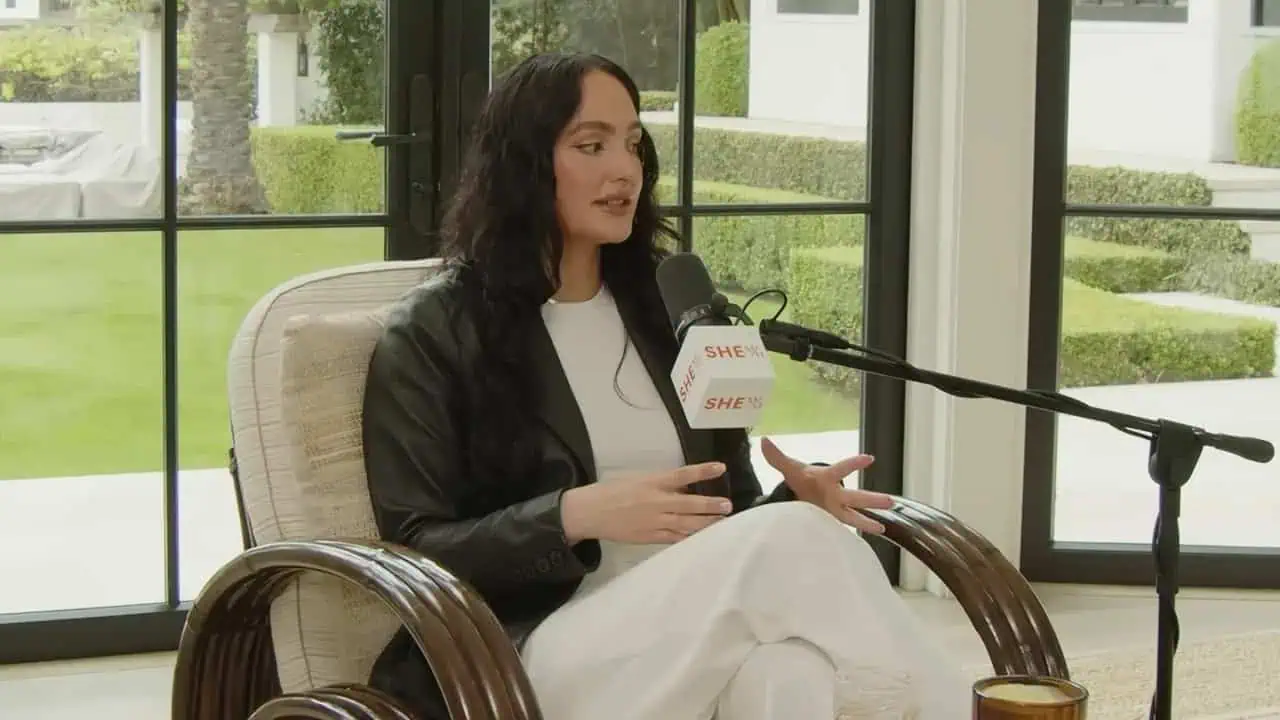
On one side, we have Ash K Holm, one of the most in-demand makeup artists in Hollywood, a woman who built an extraordinary career from sheer discipline, instinct, and relentless work ethic. On the other, we have a woman who spent years living in pain, bleeding heavily, feeling dismissed, and wondering why no one could explain what was happening inside her body.
Her experience with PMOS, formerly called PCOS in the language used at the time of the recording, and endometriosis is painfully familiar to so many women. Crushing cramps. Long, heavy periods. Bloating. Facial hair. Acne. Fatigue. Mood changes. Depression. Weight struggles. Being told it is stress, or age, or simply bad luck.
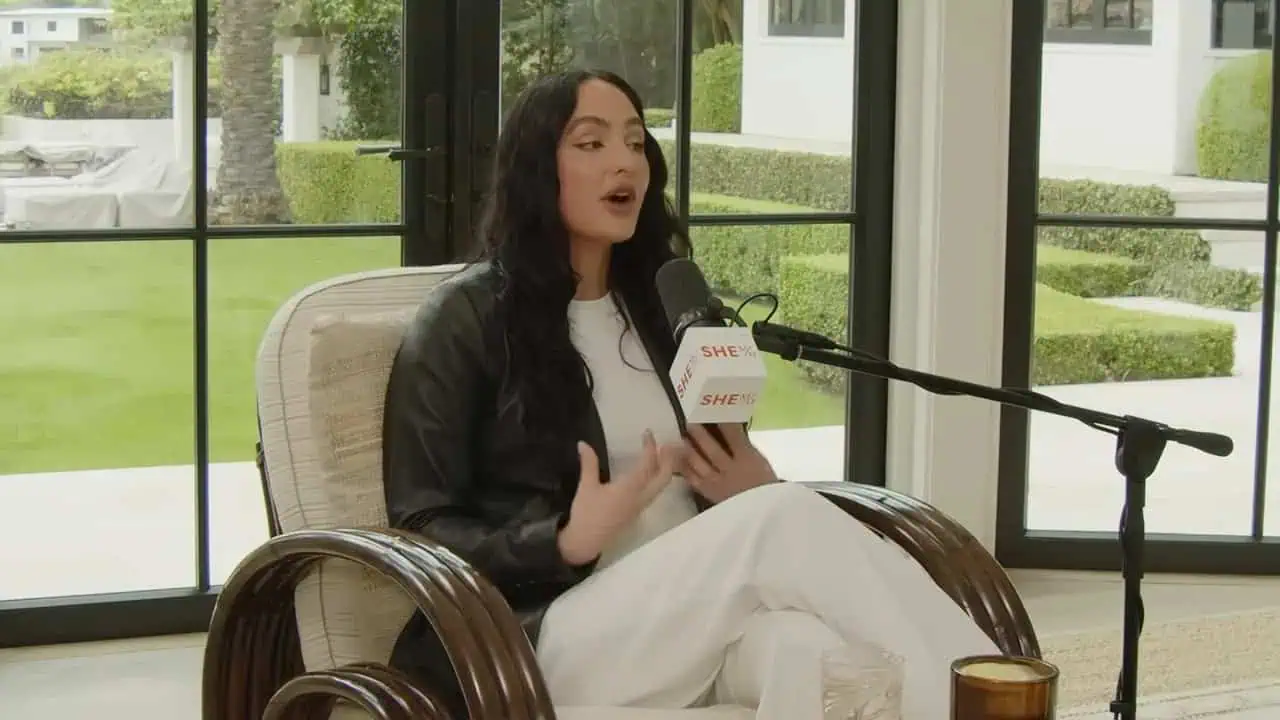
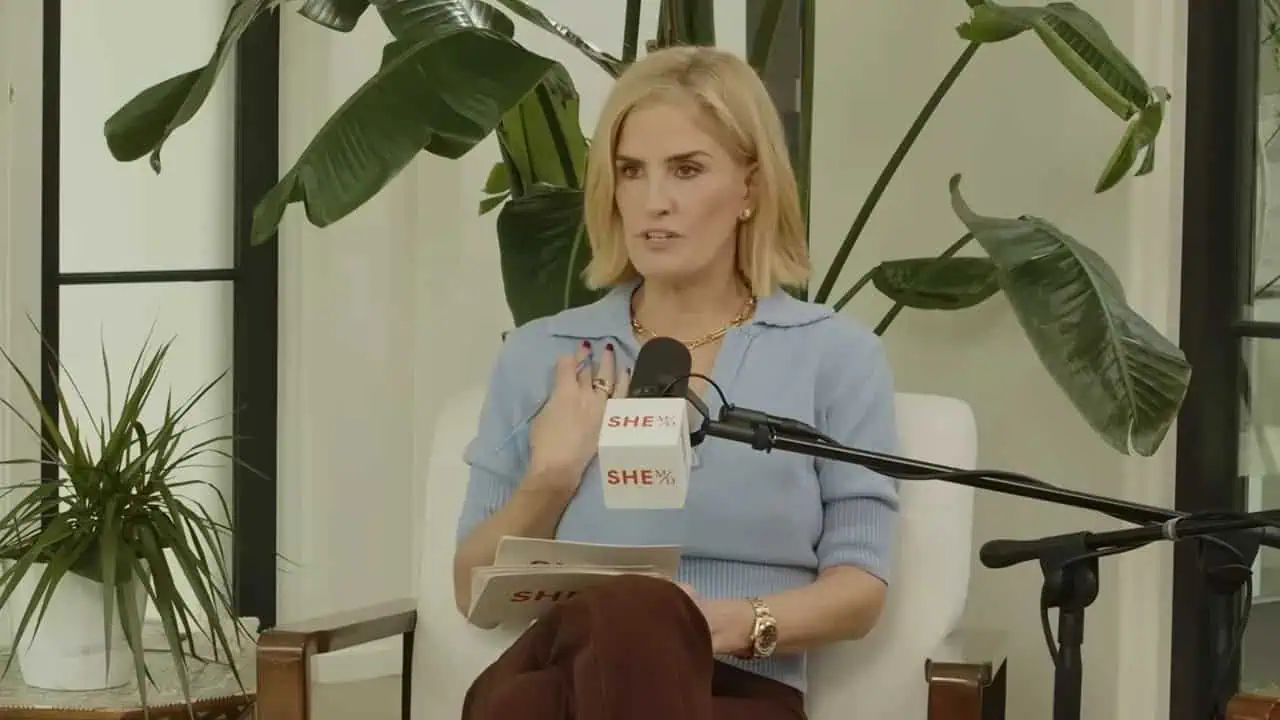
What makes this conversation so important is not only Ash’s honesty, but also the clarity Dr. Thais Aliabadi brings to what gets missed in women’s health every single day. Together, we get a real look at how delayed diagnosis happens, what proper evaluation should include, how treatment can change a life, and what it looks like to go from feeling broken to becoming a mother.
Table of Contents
- Career, health, and the hidden cost of pushing through
- When “bad periods” are not just bad periods
- The turning point: finally getting answers
- Why PMOS can affect your mood, energy, and mental health
- The treatment plan that changed everything
- Getting pregnant with PMOS and endometriosis
- Pregnancy, scoliosis, and why planning mattered so much
- Pregnancy risks with PMOS and endometriosis
- Postpartum hormones, recovery, and rebuilding
- Family history, breast cancer risk, and the power of knowing
- The softer side of the conversation: ambition, artistry, and motherhood
- What every woman should take from Ash’s story
- FAQ
Career, health, and the hidden cost of pushing through
How did Ash build such a major career with no real connections?
Ash’s career story is a reminder that talent matters, but it is rarely enough on its own. She knew very early that she wanted to work in beauty, but she did not have a shortcut into the industry. No built-in network. No map. No glamorous pipeline into celebrity work.
She started by trusting what she already knew about herself. She loved artistry. She loved makeup. She had spent years doing her own makeup and helping other people with theirs. So she left college, convinced her parents to let her attend cosmetology school, and began building from the ground up.
That meant working at MAC in Houston for years, helping enormous numbers of customers every day, learning to work with all kinds of skin concerns, troubleshooting in real time, and developing speed, confidence, and consistency. She also pushed herself into education, public speaking, and training, because she wanted to be more than technically good. She wanted to be excellent and useful.
When she did not get a coveted internal training role, she made a move that would define the rest of her career. She bet on herself. She used Instagram early as a business tool, posted her work consistently, grew her freelance presence, and said yes to every opportunity she could get. She built from local work to lesser-known celebrity clients, then bigger names, then eventually to Khloé Kardashian, Kris Jenner, Kim Kardashian, Ariana Grande, Jennifer Lopez, and more.
The lesson she keeps coming back to is simple and powerful: your reputation carries you. Skill matters. Strategy matters. Timing matters. But being kind, professional, consistent, and trustworthy matters just as much.
What does her career have to do with her health story?
Everything.
High-achieving women are often incredibly good at functioning while unwell. Ash described a lifestyle many women will recognize immediately. Constant travel. Long days. Taking care of everyone else first. Showing up polished. Performing at a high level. Ignoring the body because there is always another client, another deadline, another plane, another responsibility.
That kind of pushing through is often celebrated from the outside. But inside, the cost can be enormous.
Ash had been dealing with painful periods since she was a child. Severe cramps. Heavy bleeding. Embarrassment. Hormonal symptoms. She missed school because the pain and bleeding were overwhelming. But because her mother and other women in her family had similar symptoms, everyone assumed this was simply hereditary and normal for them.
That is one of the most dangerous ways women’s suffering gets minimized. If multiple women in a family struggle, the suffering can become normalized instead of investigated.
When “bad periods” are not just bad periods
What symptoms was Ash dealing with before she was diagnosed?
Her symptom list was classic, but for years it went unconnected.
- Excruciating menstrual cramps
- Very heavy bleeding
- Periods that stretched from already-long to 11 days
- Bloating for much of the month
- Gut discomfort
- Facial hair and other signs of androgen excess
- Acne
- Exhaustion and weakness
- Depression and mental health decline
By the time she finally found the right care, she felt physically depleted and emotionally worn down. She was thriving professionally, but privately she felt miserable. That contrast is important. Looking successful and functioning well in public does not mean someone is healthy.

Why are so many women told this is normal?
Because women’s pain is still too often filtered through convenience instead of curiosity.
When Ash sought care from multiple OB/GYNs, she was repeatedly brushed off. She was told some women just have worse periods. Fibroids might be mentioned, but not explained. Her hormones were not meaningfully evaluated. Her symptoms were not connected into a whole picture.
That pattern is exactly why conditions like endometriosis and PMOS are so often delayed. Patients start to question themselves. If enough doctors dismiss them, they may begin to believe they are overreacting or imagining it.
But as Dr. Aliabadi made clear, women usually know when something is wrong. The problem is not that patients are failing to communicate. The problem is that too often no one is truly listening.
If painful, heavy periods, bloating, irregular ovulation, androgen symptoms, and mood changes are part of your life, that deserves evaluation. It is not enough to be told to tough it out.
For a deeper overview of how endometriosis is diagnosed and treated, we recommend this endometriosis resource, which explains symptoms, evaluation, and treatment options in more detail.
The turning point: finally getting answers
How did Ash finally get diagnosed?
Like many women, she found her way to the right doctor through another woman she trusted.
After exhausting appointments that left her in tears, Ash reached out to her longtime friend Lilly Ghalichi, who urged her to see Dr. Thais Aliabadi. That referral changed everything.
For the first time, she felt heard. For the first time, her symptoms were taken seriously. And for the first time, the pieces were connected: PMOS, endometriosis, fibroids, and gut issues that made sense in the larger inflammatory and hormonal picture.
She describes the moment of diagnosis not as frightening, but as validating. Knowledge gave shape to years of suffering. Once she knew what she was dealing with, she could finally build a plan.
What should evaluation actually look like for suspected PMOS or endometriosis?
Dr. Aliabadi’s answer was refreshingly direct. First, listen to the patient. That alone is often enough to strongly suspect what is going on. A woman telling you she has painful, heavy periods, disabling cramps, and monthly disruption is already giving you important diagnostic information.
Then, support that clinical suspicion with proper workup:
- A careful history. Symptoms matter. Pattern matters. Duration matters.
- Pelvic ultrasound. This can reveal fibroids, adenomyosis, and ovaries that look consistent with PMOS.
- Hormone and ovarian reserve testing. In Ash’s case, her AMH and egg count were strikingly high, something commonly seen in PMOS.
- Assessment of androgen-related symptoms. Facial hair, acne, and cycle irregularity all matter, even if one lab value is not dramatically abnormal.
That approach sounds straightforward because it is. The tragedy is that many women never receive even this basic level of investigation.
For anyone trying to understand the bigger hormonal and metabolic picture of PMOS, this PMOS and PCOS education page is a helpful place to start.
Why PMOS can affect your mood, energy, and mental health
Is PMOS just a reproductive condition?
No, and that is one of the biggest takeaways from this discussion.
At the time of the recording, the language used was PCOS, polycystic ovary syndrome. The updated framing in this conversation is PMOS, which reflects a shift away from focusing only on ovarian cyst-like follicles and toward understanding the metabolic dysfunction at the center of the condition.
Dr. Aliabadi explained that this is not merely about periods or fertility. PMOS affects inflammation, insulin signaling, testosterone production, ovulation, mood, cravings, sleep, and even the emotional centers of the brain.
When insulin resistance is present, the body struggles to handle sugar effectively. Insulin spikes rise. The ovaries, which remain sensitive to insulin, are stimulated to produce more testosterone. That elevated testosterone can interfere with follicle development and ovulation. Meanwhile, inflammation and hormone disruption affect mood regulation, emotional stability, and motivation.
That means the anxiety, depression, irritability, cravings, brain fog, and emotional volatility many women experience are not random character flaws. They can be part of the biology of the condition.
That reframing matters deeply. It takes women out of shame and puts them into understanding.
The treatment plan that changed everything
What helped Ash start feeling better?
Her treatment was not one magic fix. It was layered, strategic, and personalized.
Dr. Aliabadi first focused on hormonal suppression to give Ash’s body a break from the constant cycle-related suffering. She started on Lo Loestrin, which helped regulate things and reduced the chaos her periods were causing. Later, she transitioned to a Kyleena IUD, which took time to settle but ultimately helped suppress the endometriosis-related inflammation and dramatically improved her pain.
At the same time, they addressed the metabolic piece with metformin, which Ash described as life-changing. As her insulin sensitivity improved, so did many of her symptoms.
Outside the prescription plan, Ash made major lifestyle changes:
- She learned to cook for herself
- She shifted toward higher-protein, lower-carb meals
- She reduced processed foods and inflammatory oils where possible
- She became more intentional about lower-sugar fruit choices
- She worked on slowing down, meditating, and reducing stress
None of this was about perfection. It was about finally understanding what her body needed and building daily habits that supported it.
What role did stress play?
A major one.
Ash was very honest about how cortisol and a high-pressure lifestyle can worsen everything. The body does not separate emotional stress from physical consequences. If your nervous system is constantly activated, inflammation, insulin resistance, and hormone disruption are harder to control.
That does not mean women should blame themselves for being stressed. It means stress management is not optional self-care fluff when you have a condition like PMOS or endometriosis. It is part of treatment.
For Ash, that meant making space for quieter habits that helped her regulate. She was still ambitious. She was still working. But she became more protective of her internal state.
Getting pregnant with PMOS and endometriosis
Did Ash think she might need IVF?
Yes. She was hopeful, but realistic.
She knew both PMOS and endometriosis can affect fertility. She also knew women in her family with similar symptoms had been able to have children, which gave her some optimism. But she understood IVF might become part of the journey if needed.
What changed her odds significantly was that her care plan addressed both conditions before she started trying.
The endometriosis had been suppressed. The metabolic dysfunction driving PMOS had been treated. Her cycles became more regular. Her body had a much better chance of ovulating effectively.
After removing the IUD, it took about a year for her to conceive, which in the context of her history was a very good outcome.
Why do both diagnoses matter when someone is trying to conceive?
Because treating only one and missing the other can leave a woman stuck.
PMOS can impair ovulation, largely through insulin resistance and excess ovarian testosterone production. Endometriosis can create inflammation, scarring, tubal issues, implantation problems, and miscarriage risk. If you address only ovulation but ignore pelvic inflammation, you may still struggle. If you suppress endometriosis but ignore insulin resistance, ovulation may still be inconsistent.
That is why a full fertility evaluation matters, especially if symptoms have been ignored for years. If you need more guidance on how PMOS and endometriosis intersect with reproductive planning, this infertility overview explains common causes, testing, and treatment pathways.
Pregnancy, scoliosis, and why planning mattered so much
What happened during Ash’s pregnancy that made her switch doctors?
Late in pregnancy, she ran into a completely different but equally serious issue.
Ash had scoliosis surgery as a child and has major spinal hardware in her back. Because of that history, she knew ahead of time there could be challenges with epidural placement. She wanted what any reasonable patient would want: an anesthesia consultation before delivery.
Instead, she was told the hospital would figure it out when she arrived in labor and that she should just bring her old X-rays. That was not reassuring. It was terrifying.
She worried about all the things women in complicated pregnancies worry about: what if the epidural did not work, what if someone inexperienced was on call, what if she needed an emergency C-section, what if no one had a plan?
Once again, she turned to a trusted woman in her circle and was directed back to Dr. Aliabadi. Dr. Aliabadi immediately recognized what should have happened all along. This was not a case to improvise. It was a case to plan.
Why was an anesthesia consult so important?
Because the issue was not simply pain tolerance. It was safety.
With rods and prior spinal surgery, scar tissue and altered anatomy can make epidural placement difficult or impossible. In an emergency, lack of planning could force a rushed decision about anesthesia. Dr. Aliabadi explained that a spinal for a planned C-section might still be feasible, but that requires thought, imaging review, and an experienced anesthesiologist.
She arranged that consultation at Cedars-Sinai with an experienced anesthesia team, reviewed the risks, and helped Ash make an informed decision to proceed with a planned C-section. On delivery day, the spinal was placed successfully on the first attempt.
That outcome did not happen by luck. It happened because someone took her history seriously and planned for the worst case instead of hoping for the best.
Pregnancy risks with PMOS and endometriosis
How do these conditions affect pregnancy care?
Dr. Aliabadi explained that once pregnancy begins, PMOS and endometriosis still matter, but in different ways.
With PMOS, the concern is often metabolic risk. These patients can have higher odds of gestational diabetes, larger babies, preeclampsia, and sometimes preterm delivery related to metabolic complications. Because of that, Dr. Aliabadi said she screens her PMOS patients earlier for glucose issues and often repeats testing later.
With endometriosis, the concern leans more inflammatory. There can be increased risk of miscarriage and spontaneous preterm birth, likely related to the inflammatory environment affecting implantation and placental function.
That means prenatal care should not be generic. It should be more attentive. Blood pressure, weight gain, glucose metabolism, fetal growth, and signs of preterm birth all deserve close follow-up.
What did Ash do during pregnancy to support her health?
She stayed very intentional without becoming rigid. She was especially mindful about foods that might spike insulin and worsen her risk profile. She did not approach pregnancy as a free-for-all. She approached it with gratitude and caution, wanting to nourish her baby while respecting what she knew about her body.
That balance is important. Pregnancy does not require fear around food, but in women with PMOS, thoughtful metabolic support matters.
Postpartum hormones, recovery, and rebuilding
What was postpartum like for Ash?
Real. Emotional. Messy. Beautiful. Hard.
She breastfed and pumped for about three months, but pumping was especially demanding and physically draining. Her body was not handling it well. She developed rashes, felt emotionally overwhelmed, and eventually needed to stop. That decision is a deeply personal one, and her story is an important reminder that postpartum recovery is not one-size-fits-all.
She also spoke honestly about how long hormonal recovery can take. At five months postpartum, she was feeling better, but she did not pretend everything snapped back at six weeks. In fact, she pointed out something many women need to hear: in many parts of the world, postpartum recovery is understood as a process measured in years, not weeks.
What helped her start feeling more like herself again?
She returned to foundational support.
That included metabolic support, exercise when she could manage it, and continuing to pay attention to mood, bloating, weight regulation, acne, and androgen-related symptoms. She described this stage not as “solved forever” but as a lifelong journey of staying on top of PMOS rather than letting it silently take over again.
That framing is important because many women feel discouraged when symptoms fluctuate after pregnancy. The truth is that postpartum hormone shifts, sleep deprivation, and stress can all intensify existing vulnerabilities. Recovery is rarely linear.
Family history, breast cancer risk, and the power of knowing
What else came up in this conversation that women should not ignore?
Family history.
Ash shared that two of her maternal aunts had breast cancer. That prompted a broader conversation about genetic testing and risk calculation, and it was one of the most practical parts of the discussion.
Dr. Aliabadi stressed that women should not avoid genetic testing out of fear. Information does not create risk. It reveals risk that is already there and gives you a chance to respond intelligently.
That may mean:
- Understanding whether you carry a known cancer-associated mutation
- Calculating your lifetime breast cancer risk
- Starting screening earlier than the standard age cutoff
- Adding MRI to mammogram and ultrasound if your risk is high enough
- Considering preventive strategies if your risk is very elevated
One especially important point was that a “negative” genetic test does not always mean there is no genetic contribution in a family. It may simply mean current testing has not yet identified the specific mutation. That is why family history itself still matters.
For women with strong family history, waiting until 40 for breast imaging may not be appropriate. Risk-based screening is the better conversation.
The softer side of the conversation: ambition, artistry, and motherhood
What was Ash’s favorite red carpet moment?
When the conversation lightened, Ash shared that one of her most meaningful career highlights was working on Ariana Grande’s first Met Gala, which was also her own first Met. She described the Met as the beauty and fashion Olympics, the kind of moment makeup artists dream about because it requires artistry, precision, collaboration, and nerves of steel.
She also talked about how red carpet glam really works. It is not a quick, effortless reveal. It is hours of planning, boards, fittings, revisions, team coordination, and creative problem-solving. The best result comes from collaboration with the client, stylist, and the entire glam team.
That same mindset appears everywhere in her life. Preparation. Discipline. Flexibility. Care.
What advice did she give to people trying to build something from scratch?
Her formula was beautifully simple:
- Be consistent
- Be disciplined
- Be resilient
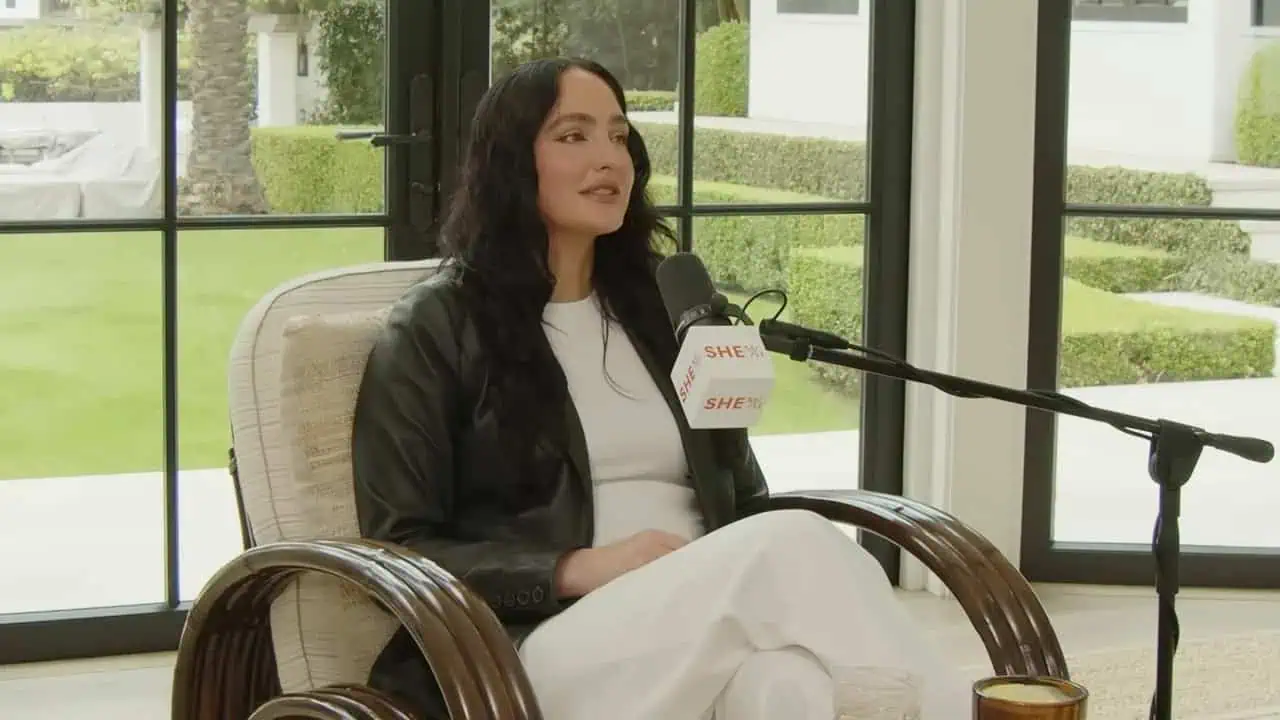
And Mary Alice Haney added an equally important truth: follow passion, not just money. The people who last tend to be the ones who love the work enough to stay with it before it pays off.
What every woman should take from Ash’s story
If a woman feels dismissed, what should she remember?
Ash’s answer was the emotional center of this entire conversation.
Listen to yourself. Trust your intuition. If something feels off, keep going until someone takes you seriously.
That does not mean self-diagnosing recklessly. It means refusing to disappear inside someone else’s indifference. If your periods are debilitating, if your mood has changed dramatically, if your bleeding is excessive, if your body feels inflamed or out of rhythm, if your symptoms are affecting your life, that is worthy of care.
Too many women are taught to downplay what hurts. Too many are told they are stressed, sensitive, dramatic, or simply unlucky. What this conversation makes clear is that real suffering often has real biology behind it, and real biology deserves real investigation.
Ash’s life today includes a thriving career, a beautiful daughter, and a much clearer relationship with her own health. But that outcome was not the result of luck or positive thinking alone. It came from persistence, self-advocacy, skilled medical care, and a willingness to change how she was living.
That is why her story matters. Not because it is glamorous, but because it is recognizable.
So many women are still somewhere in the middle of that journey.
FAQs
What is PMOS?
In this conversation, PMOS is used as updated language for what has long been called PCOS. The change reflects a better understanding that the condition is deeply tied to metabolism and insulin resistance, not just ovarian appearance.
Can painful heavy periods be a sign of endometriosis?
Yes. Severe cramps, heavy bleeding, pelvic pain, bloating, pain that interferes with daily life, and symptoms that begin early can all point toward endometriosis. These symptoms should never be automatically dismissed as normal.
What symptoms can point toward PMOS?
Common signs include irregular or very long periods, acne, facial or body hair growth, bloating, trouble with weight regulation, insulin resistance, fertility issues, mood changes, and high ovarian follicle counts on ultrasound.
What tests should women ask about if they suspect PMOS or endometriosis?
A thorough history is essential. Beyond that, pelvic ultrasound and hormone testing can be extremely helpful, especially when symptoms suggest ovulatory dysfunction, fibroids, adenomyosis, or androgen excess.
Can women with PMOS and endometriosis still get pregnant naturally?
Yes, many can, especially when both conditions are properly identified and treated. Improving insulin sensitivity, supporting ovulation, and reducing endometriosis-related inflammation can make a major difference.
Why was Ash’s scoliosis history important during pregnancy?
Because prior spinal surgery and rods can complicate epidural placement. That made advance anesthesia planning essential, especially in case of C-section or labor complications.
Does family history of breast cancer change screening recommendations?
Yes. Strong family history can raise lifetime breast cancer risk and may mean earlier or more intensive screening, including MRI in addition to mammogram and ultrasound.
What is the biggest message from this interview?
If you feel that something is wrong in your body, keep advocating for yourself until you find someone who listens. Being dismissed does not mean nothing is wrong. It often means the right doctor has not entered the picture yet.
Concerned About Your Health? Talk to Dr. Aliabadi
Dr. Aliabadi is an expert OB/GYN who is knowledgeable in all aspects of women’s health and well-being. Dr. Aliabadi and her caring, supportive staff are available to support you through PCOS, endometriosis, menopause, childbirth, infertility, or routine gynecological care. We invite you to establish care with Dr. Aliabadi. Call us at (844) 863-6700 or
This article was created from the video What Doctors Miss About PMOS and Endometriosis ft. Celebrity Makeup Artist, Ash K Holm | SHE MD for Dr. Thais Aliabadi’s website.