Menopause care has been underserved for far too long. Too many women are told their symptoms are just something to tolerate. Too many are handed a sleeping pill for insomnia, an antidepressant for anxiety, or a vague reassurance that what they are feeling is “normal,” without anyone stepping back to connect the dots.
That is exactly why this conversation with Dr. Thais Aliabadi, Mary Alice Haney, Dr. Mindy Goldman, and Joanna Strober matters so much. Together, they are reshaping what menopause care can look like, especially for women with complex histories like breast cancer, clotting concerns, heavy perimenopausal bleeding, or difficult sexual health symptoms.
Joanna is the founder and CEO of Midi Health, a virtual platform built to expand access to expert menopause care. Dr. Goldman is Midi’s Chief Clinical Officer, a nationally recognized OB-GYN, and an expert in menopause care for breast cancer survivors and women at high risk for breast cancer. What comes through so clearly in this discussion is that both women are deeply committed to individualized, science-based care.
We talked about where menopause medicine went wrong, what the research actually says now, and how women can think more clearly about hormone therapy, breast cancer risk, non-hormonal options, testosterone, and timing.
Table of Contents
- How Midi Health began
- Hormone therapy and breast cancer risk: what women are still getting wrong
- What about women with atypia, very high risk, or preventive tamoxifen discussions?
- How Midi Health works
- Hormone therapy and blood clot risk
- How breast cancer survivors can get relief without being dismissed
- Non-hormonal options for hot flashes, sleep, brain fog, and vaginal dryness
- Can you use estrogen on your face?
- When should hormone therapy start, and does it need to stop?
- Patch or gel? Which estrogen delivery method is better?
- Testosterone and libido in women
- What the future of menopause care should look like
- FAQ
- A better standard for menopause care
How Midi Health began
What led you to create Midi Health?
Joanna Strober explained that Midi Health grew out of her own frustrating experience trying to get competent hormone care. She was dealing with symptoms like poor sleep and anxiety, yet no one was recognizing the bigger picture. Instead of someone saying, “This may all be perimenopause,” she was pushed toward isolated treatments for isolated complaints.
Eventually, she found high-quality care, but it required driving an hour and a half, seeing a concierge specialist, and paying a significant amount out of pocket. Within two weeks of getting the right treatment, she felt dramatically better. That experience made something obvious: this level of care should not be reserved for women with time, money, and access.
Midi was built to democratize menopause care and make expert treatment available nationally, with insurance coverage whenever possible.
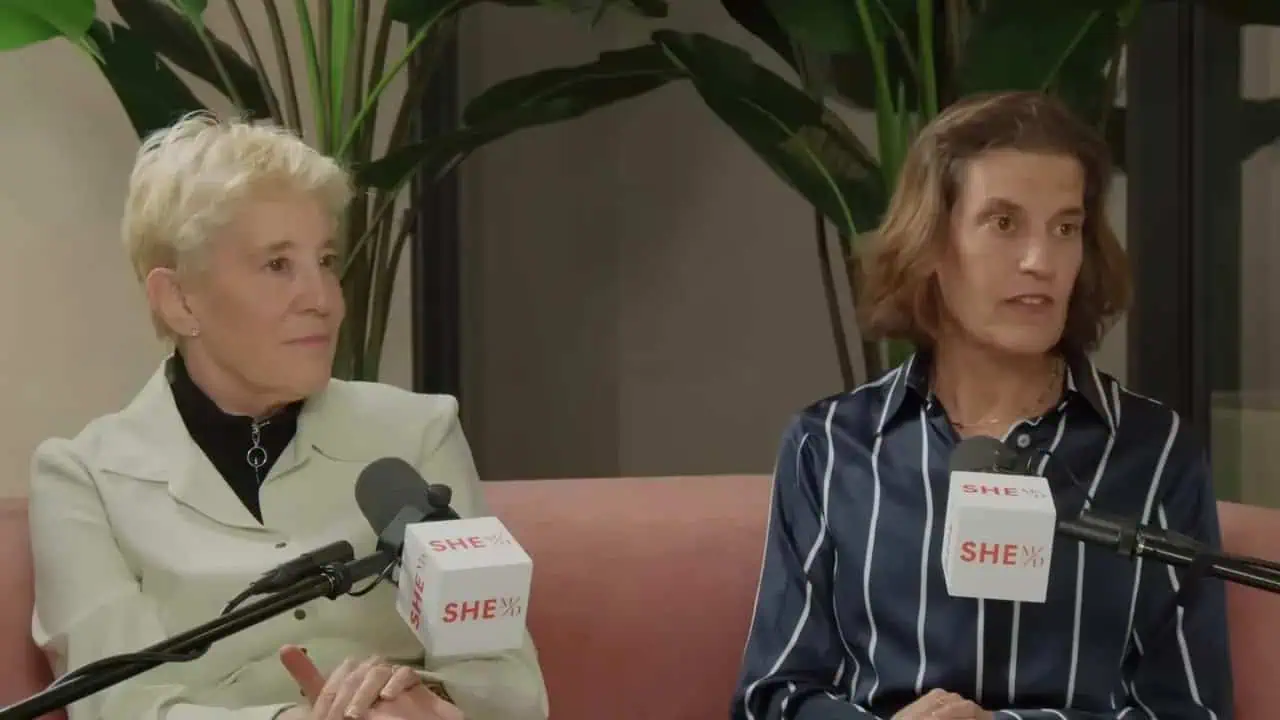
Dr. Goldman, how did your work become so focused on breast cancer survivors and menopause?
Dr. Goldman’s path was both professional and deeply personal. She trained as a general OB-GYN and spent years in academic medicine, with a strong interest in education. After losing a close friend to breast cancer at a young age, she shifted her work toward breast cancer patients and eventually practiced side by side with oncologists and breast surgeons.
What she discovered was a striking lack of evidence-based guidance for the gynecologic and menopausal issues these women faced. Patients were being thrown into menopause by chemotherapy, oophorectomy, hysterectomy, tamoxifen, or aromatase inhibitors, and clinicians often had few answers.
Over time, she helped develop a field that bridges gynecology and breast oncology. She has worked on guidelines for the American College of Obstetricians and Gynecologists and the National Comprehensive Cancer Network. But joining Midi gave her a way to scale that expertise and reach women directly.
One of the most powerful ideas she shared is this: women who survive cancer should not simply be told to feel grateful they are alive and accept a poor quality of life. They deserve treatment for the symptoms that follow survivorship.
Hormone therapy and breast cancer risk: what women are still getting wrong
If a woman has a family history of breast cancer or a genetic mutation, can she still use hormone therapy?
According to Dr. Goldman, many women at elevated risk are still being told flatly not to use hormones because they will supposedly increase their breast cancer risk even more. She believes that guidance is outdated.
The first issue, she explained, is that we have to stop speaking about “hormones” as if all formulations are interchangeable. Much of the fear around hormone replacement therapy came from the Women’s Health Initiative, the landmark study published more than 20 years ago. That study deeply influenced medical training and public understanding, and it led countless women to stop hormone therapy almost overnight.
But the formulations used in that study were not the same as many of the bioidentical options commonly used today.
Dr. Goldman emphasized a few key distinctions:
- Estrogen is generally the hormone that relieves many menopause symptoms.
- Progesterone is added in women with a uterus to protect against uterine cancer.
- The progesterone-related risk signal in older data appears tied largely to synthetic progestins, not necessarily to micronized bioidentical progesterone.
- Current bioidentical formulations may be more breast-neutral than older synthetic regimens.
Her view, based on the literature she reviewed, is that the stronger breast cancer concern in older studies was linked to the synthetic progestin component, not to estrogen alone.
Does hormone therapy add extra risk on top of a woman’s existing breast cancer risk?
Dr. Goldman said the majority of the available literature suggests that if there is any hormone-related risk, it appears to be an independent risk, not a multiplying one. In practical terms, that means a family history or a mutation does not automatically mean hormone therapy is off the table.
That does not mean these women should be casual about surveillance. Quite the opposite. They still need thoughtful screening and prevention strategies, including:
- Regular exercise, especially interval cardio
- Minimizing alcohol
- Maintaining a healthy body weight
- Appropriate imaging such as 3D mammography
- MRI when indicated based on risk level
But the blanket statement, “You have a family history, therefore you cannot take hormones,” is not supported as clearly as many women have been led to believe.
How can estrogen sometimes be framed as risky if estrogen-only therapy showed lower breast cancer rates in some research?
This was one of the most interesting parts of the conversation because it forces us to move beyond oversimplified narratives.
In the Women’s Health Initiative, women who had undergone a hysterectomy received estrogen-only therapy. That group actually showed a lower risk of developing breast cancer and a lower risk of dying from breast cancer over long-term follow-up.
That finding suggests the relationship between hormones and breast cancer is much more nuanced than “estrogen causes cancer.”
Dr. Goldman explained that anti-estrogen medications like tamoxifen and aromatase inhibitors are used after a woman has hormone receptor-positive breast cancer to modify the tumor environment. That is not the same thing as saying estrogen in a healthy woman causes breast cancer. Those are very different biological situations.
This is where nuance matters. We cannot simply take what is true in tumor treatment and assume it applies identically to preventive hormone use in someone without cancer.
What about women with atypia, very high risk, or preventive tamoxifen discussions?
If a woman is being offered tamoxifen to reduce breast cancer risk, doesn’t that imply estrogen would be dangerous for her?
That is a very reasonable question, and it was asked directly in the discussion. Dr. Goldman’s answer was that biology is more complicated than common sense might suggest.
Tamoxifen and other selective estrogen receptor modulators do not simply “turn off estrogen everywhere.” They act differently in different tissues. Meanwhile, estrogen-only therapy in healthy women has shown protective signals in some data. So the fact that a drug like tamoxifen can lower risk in some settings does not automatically prove that menopausal estrogen therapy straightforwardly raises risk.
The key message was this: risk reduction in a high-risk person and hormone therapy for symptom relief are not mirror-image concepts.
What about women with atypical hyperplasia or other precancerous breast changes?
Dr. Goldman discussed an especially interesting option for some higher-risk women: Duavee. This medication combines estrogen with bazedoxifene, a selective estrogen receptor modulator that acts as a protective agent for the uterus instead of using traditional progesterone.
Why is that exciting? Because preliminary studies suggest it may have a role in women with conditions such as:
- Atypical ductal hyperplasia
- Atypical lobular hyperplasia
- Ductal carcinoma in situ, or DCIS
These are abnormal or precancerous breast tissue findings that increase the risk of invasive breast cancer. Duavee is already FDA-approved for menopausal symptom treatment and bone protection. It is now being studied further in high-risk populations for possible breast-protective effects as well.
That does not mean it is right for every high-risk woman. It does mean the conversation is evolving, and there are more tools than many clinicians were taught to consider.
How Midi Health works
What actually happens when someone becomes a patient at Midi?
Joanna described a system designed to be practical and accessible. Women visit the Midi website, enter their state and insurance information, and book a virtual appointment. The initial consultation is typically about 30 minutes and includes a detailed review of symptoms, health history, and family history, including breast cancer risk where relevant.
From there, treatment is personalized. That may include medications, supplements, symptom monitoring, and follow-up adjustments.
One thing both Joanna and Dr. Goldman emphasized is that Midi is not a pill mill. The goal is not to push one therapy. The goal is to help women understand their options and then fine-tune a plan over time.
For complicated cases, they have a “complex care” approach that allows multiple experts to weigh in. A woman with concerns involving cancer history, bone health, internal medicine, or clotting risk may have several clinicians reviewing her case before recommendations are finalized.

That multidisciplinary setup is part of why Dr. Goldman said she feels she has become a better physician since joining. The team has built protocols not just around menopause itself but around overlapping topics like psychiatry, bone health, hair thinning, cardiovascular risk, and blood clot history.
That kind of broad thinking matters because menopause rarely arrives as one neat symptom. It shows up as sleep issues, anxiety, urinary symptoms, low libido, weight changes, bleeding changes, vaginal dryness, brain fog, and often all of them at once. If you are looking for a broader overview of symptoms and treatment pathways, this menopause and perimenopause resource is a helpful place to start.
Hormone therapy and blood clot risk
Can women with a history of blood clots ever use hormone therapy?
Yes, in some cases. Dr. Goldman made an important distinction between oral estrogen and transdermal estrogen, such as patches and certain gels.
Oral estrogen can increase the risk of blood clots. Transdermal estrogen, on the other hand, is supported by a large body of evidence suggesting it does not significantly increase clot risk in the same way.
That does not mean every woman with a clotting history should automatically receive hormones. It means the situation deserves a careful review. Midi evaluates whether the clot was provoked, whether it was related to hormones, and whether the patient has an underlying clotting disorder.
The larger point was that menopause medicine is still catching up to updated evidence. Some national recommendations remain conservative because large organizations move slowly. But clinicians who stay current with the literature can often offer more nuanced guidance.
How breast cancer survivors can get relief without being dismissed
What do you do for women who have already had breast cancer?
Dr. Goldman was very clear that “breast cancer” is not one single disease. Roughly two-thirds of breast cancers are hormone-sensitive, while about one-third are not. That distinction changes the conversation.
For women with hormone-negative breast cancer who have been disease-free for a meaningful period of time, hormones may still be considered because the evidence does not clearly show that hormone therapy increases recurrence risk in that group.
For women with hormone-positive breast cancer, the standard approach is to start with non-hormonal options first. But Dr. Goldman also said there are situations where shared decision-making becomes appropriate, particularly for women many years out from diagnosis who are suffering substantially and understand where the gaps in the literature still are.
That is an important phrase: shared decision-making. Not fear. Not blanket denial. Not gatekeeping. A thoughtful review of what is known, what is unknown, and what the patient is willing to accept.
Can breast cancer survivors use vaginal estrogen?
Yes, and this is one of the biggest misconceptions in menopause care.
Dr. Goldman explained that there is strong evidence showing that vaginal hormone use does not increase the risk of dying from breast cancer. That includes a large systematic review published recently.
For women taking aromatase inhibitors, there is more caution because those drugs suppress estrogen so aggressively. Even then, certain low-absorption vaginal estrogen formulations, especially rings and suppositories, are considered reasonable options when over-the-counter measures fail.
Examples discussed included:
- Estring
- Vagifem
Creams are more controversial in this setting because they may expose more surface area and theoretically lead to greater absorption, though the concern is still more theoretical than definitively proven.
For women struggling with dryness, irritation, urinary discomfort, or painful sex, this topic deserves more attention than it usually gets. If this is your main issue, this guide on menopause and vaginal dryness offers a useful overview of both hormonal and non-hormonal strategies.
Non-hormonal options for hot flashes, sleep, brain fog, and vaginal dryness
If a woman cannot or does not want to use hormones, what options are available?
Dr. Goldman approaches this symptom symptom by symptom. Hormone therapy is broad and often helps many issues at once. When hormones are not being used, treatment needs to be more targeted.
Here are some of the non-hormonal tools she discussed:
For hot flashes and night sweats
- Cognitive behavioral therapy, or CBT
- Weight loss in women with obesity
- Low-dose antidepressants
- Older medications such as clonidine
- Oxybutynin, which can also help with overactive bladder symptoms
- Fezolinetant, sold as Veozah, a newer drug that targets hot flash pathways in the hypothalamus
Veozah was highlighted as especially interesting because it specifically targets the neural pathways involved in hot flashes instead of repurposing a medication developed for something else.
For sleep disruption
- Magnesium glycinate
- Lavender for sleep-related anxiety
- Ashwagandha in some cases
- Blended supplements like Cortisol Manager for middle-of-the-night waking
- Gabapentin for women whose hot flashes are worst at night
- Sleep studies when sleep apnea is suspected
She also made a very practical point: a lot of “brain fog” is actually the downstream effect of chronic poor sleep. If hot flashes are waking someone up every night, it is no surprise that concentration, motivation, and mood start falling apart.
For vaginal dryness and genitourinary symptoms
- Vaginal moisturizers
- Lubricants
- Oils
- Targeted local vaginal estrogen when appropriate
For women dealing specifically with hot flashes and night sweats, this resource on hot flashes and night sweats goes into more detail on triggers, self-care, and medication options.
Can you use estrogen on your face?
Does topical estrogen help the skin?
This part of the discussion was fun, but also surprisingly useful. Yes, studies are showing the benefits of topical estrogen for skin, especially around epidermal thickness, moisture, blood flow, and collagen support.
But Dr. Goldman made an important distinction between estradiol and estriol.
- Estradiol is the stronger estrogen made by the ovaries and commonly used in vaginal products.
- Estriol is a weaker estrogen that appears in dermatology literature and is often used more appropriately for facial skin formulations.
So while some women are taking vaginal estrogen cream and applying it to the face, that is not really the intended or preferred approach. If the goal is skin support, estriol is generally the more appropriate topical estrogen to consider.

When should hormone therapy start, and does it need to stop?
What is the best timing for starting hormones?
Dr. Goldman explained the “timing hypothesis,” which is one of the core concepts women should understand. The biggest cardiovascular benefits of hormone therapy seem to occur when treatment is started:
- Within 10 years of the final menstrual period, or
- Before age 60
When hormones are started during that window, benefits often outweigh risks for healthy women, and those benefits may include:
- Relief of menopausal symptoms
- Protection against bone loss
- Possible cardiovascular benefit
- Potential cognitive benefit, though that area is less certain
The idea is that estrogen may help preserve healthier blood vessel function if given before atherosclerotic plaque has already developed. Once plaque is established, that benefit appears less likely.
Can women start hormones during perimenopause, even if they are still getting periods?
Yes. This was stated very clearly.
If a woman is still menstruating but has hot flashes, night sweats, sleep disruption, vaginal dryness, or brain fog, hormone therapy may still help. The important caveats are:
- Hormone therapy does not provide contraception
- It may not control irregular or heavy bleeding
That is why some clinicians combine an estrogen patch with a progesterone IUD in women who are still perimenopausal and also need birth control or help with heavy periods. Dr. Aliabadi noted that she uses this strategy frequently, and Dr. Goldman agreed that it can be an excellent option.
Do women need to stop hormone therapy after a certain age or after five years?
Not automatically.
Older teachers often said to use the lowest dose possible and stop after five years or by age 60. But Dr. Goldman pointed out that major menopause guidelines have changed. Age alone is not a reason to stop hormones.
What matters is whether the woman is still benefiting and whether she has developed any health issues that would change the risk calculation, such as stroke or another major contraindication.
In healthy women, continuing hormone therapy beyond age 60 may still be appropriate.
What if a woman is already more than 10 years past menopause and still suffering?
This is another place where nuance matters. Women beyond the 10-year window may no longer receive the same cardiovascular protection from hormones, but that does not mean hormones are automatically unsafe.
Dr. Goldman discussed ways to assess cardiovascular risk more directly, including lipid analysis and coronary artery calcium scoring. If a woman does not appear to have significant coronary artery disease, treatment may still be considered after a thoughtful risk-benefit discussion.
Patch or gel? Which estrogen delivery method is better?
Do you prefer estrogen patches or gels?
Dr. Goldman said patches are usually first line, largely because they are more commonly covered by insurance and because much of the safety data on transdermal estrogen comes from patch studies.
That said, not everyone tolerates patches. Around 10 percent of women may have skin sensitivity or irritation. In those cases, gels can be a very reasonable option.
The larger philosophy was consistent throughout the discussion: use what works, use what is affordable, and individualize treatment rather than forcing everyone into one method.
Testosterone and libido in women
Does testosterone help female libido?
Yes. Dr. Goldman said the best evidence for testosterone in women is for improving low libido in postmenopausal women.
She also clarified something many people do not realize: for premenopausal women with low desire, there are already FDA-approved medications available, including flibanserin and bremelanotide. Testosterone may still be used in some situations, but the strongest, clearest evidence is in postmenopausal sexual dysfunction.
What else might testosterone help with?
There is emerging evidence that testosterone may support:
- Muscle mass
- Bone health
- Metabolic health
But Dr. Goldman was careful here. Those benefits are better established in men. In women, the evidence is still emerging, so patients should understand that the data are not as strong.
Why is testosterone treatment in women so controversial?
Because there is no FDA-approved testosterone product specifically for women in the United States. That creates a few problems:
- Insurance usually does not cover it
- It is a controlled substance
- Prescribers have to work around products designed for men
- Many women end up using compounded creams
Compounded testosterone can be very helpful, but quality control matters. Dr. Goldman stressed the importance of using compounding pharmacies that perform third-party testing for purity and consistency.
What about pellets?
This was one area where the concern was particularly strong. Both Dr. Aliabadi and Dr. Goldman described seeing women with severe side effects after testosterone pellet therapy, including:
- Acne
- Facial hair growth
- Hair loss
- Excessively high testosterone levels
- Anxiety and other symptoms from overdosing
The problem with pellets is that once they are inserted, they cannot be easily removed, and absorption may be unpredictable. Creams are generally preferred because dosing can be controlled and adjusted much more safely.
Do you test testosterone levels before treating?
Yes, but symptoms still matter most. Dr. Goldman said they generally do not treat numbers in isolation. They treat the patient. Lab testing is used to establish baseline information and then monitor to make sure levels stay within an appropriate female range rather than drifting into a supraphysiologic range associated with side effects.
What the future of menopause care should look like
Where do you hope menopause medicine goes from here?
Dr. Goldman’s answer was simple and important: first, we need to get past the reflexive fear generated by old interpretations of the Women’s Health Initiative. Medical trainees need better education on who benefits from hormones, who does not, and how to counsel women responsibly.
After that, the future should be personalized hormone therapy.
That means understanding that different women may need different regimens based on their symptoms and risk profile. A woman with irregular bleeding may need a different progesterone strategy than a woman whose main issue is sleep. A woman with clotting concerns may be a better candidate for a transdermal route. A woman with low libido may need a separate sexual health conversation instead of a generic menopause script.
The broad message from this entire interview was incredibly refreshing: hormones are not universally dangerous, and women deserve individualized, evidence-based care rather than fear-based rules.
FAQs
Can women with a family history of breast cancer take hormone therapy?
In many cases, yes. Dr. Goldman explained that family history or even a genetic mutation does not automatically rule out hormone therapy. The risk discussion is more nuanced than many women have been told, and care should be individualized with appropriate screening and follow-up.
Is estrogen-only therapy associated with breast cancer?
In long-term follow-up from the Women’s Health Initiative, women who used estrogen-only therapy after hysterectomy showed lower rates of breast cancer and lower breast cancer mortality. That is one reason experts now emphasize that the relationship between hormones and breast cancer is complex.
Can breast cancer survivors use vaginal estrogen?
Often, yes. Low-dose vaginal estrogen is supported by strong evidence showing no increase in breast cancer mortality. Certain formulations, such as vaginal rings and suppositories, are often preferred, especially in women on aromatase inhibitors.
What are good non-hormonal treatments for hot flashes?
Options discussed included cognitive behavioral therapy, low-dose antidepressants, gabapentin, oxybutynin, and the newer medication Veozah, which targets hot flash pathways in the brain. Lifestyle changes and weight management may also help.
Can hormone therapy start during perimenopause?
Yes. Women can benefit from hormone therapy even if they are still having periods, as long as treatment is individualized. It is important to remember that standard menopausal hormone therapy does not provide contraception and may not control irregular bleeding.
Do women need to stop hormone therapy at age 60?
No. Age alone is not considered a reason to stop hormone therapy. If a woman is healthy, benefiting from treatment, and does not develop a contraindication, continuing beyond age 60 may be appropriate.
Does testosterone help libido in women?
Yes, particularly in postmenopausal women with low libido. Dr. Goldman said this is the best-supported use of testosterone in women, though treatment requires careful dosing and monitoring because there is no FDA-approved testosterone product specifically for women in the United States.
Are testosterone pellets a good option?
Dr. Goldman and Dr. Aliabadi expressed caution about pellets because dosing can be unpredictable, and the pellets cannot be removed once inserted. Cream formulations are generally easier to adjust and safer to monitor.
What is Midi Health?
Midi Health is a virtual care platform focused on perimenopause and menopause. It offers insurance-covered consultations in all 50 states, individualized treatment planning, and access to more complex multidisciplinary review when needed.
A better standard for menopause care
What makes this conversation so important is not just the information, though there was a lot of that. It is the mindset behind it. Menopause care should not be based on outdated panic, and it should not be reduced to one-size-fits-all answers.
Women deserve clinicians who understand the difference between oral and transdermal estrogen, between synthetic progestins and micronized progesterone, between hormone-positive and hormone-negative breast cancers, between systemic hormones and local vaginal therapy, and between high testosterone and therapeutic testosterone.
Most of all, women deserve to feel better.
Joanna shared a story about a physician who had breast cancer years earlier, underwent a double mastectomy, was suffering badly, and finally found life-changing relief after a thoughtful discussion about hormone therapy through Midi. That story captures the spirit of this work. The goal is not to push every woman toward hormones. The goal is to make sure no woman is left suffering because no one took the time to explain her options.
That is the future we want for menopause medicine. Better science. Better listening. Better personalization. And far fewer women are being told to just live with it.
If you want to learn more about Midi Health, Joanna shared that women can visit joinmidi.com to explore care options and insurance coverage nationwide.
Concerned About Your Health? Talk to Dr. Aliabadi
Dr. Aliabadi is an expert OB/GYN who is knowledgeable in all aspects of women’s health and well-being. Dr. Aliabadi and her caring, supportive staff are available to support you through PCOS, endometriosis, menopause, childbirth, infertility, or routine gynecological care. We invite you to establish care with Dr. Aliabadi. Call us at (844) 863-6700 or
This article was created from the video Navigating Menopause & Hormone Therapy with Dr. Mindy Goldman & Joanna Strober | SHE MD for Dr. Thais Aliabadi’s website.