Wellness can become wildly overwhelming. We are told to fast, lift heavy, cold plunge, wear a monitor, eliminate half the grocery store, meditate perfectly, and somehow do it all while raising children, running businesses, and getting through a normal Tuesday.
Dr. Thais Aliabadi and Mary Alice Haney sat for a conversation with Lisa Odenweller, founder and CEO of Kroma Wellness, and Kadee Sweeney, Master Pilates trainer and founder of KadeeFit, that came back to something far simpler: food is medicine, movement is medicine, and we need to become the CEO of our own health.
That does not mean doing everything at once. It means listening to our bodies, learning what supports us, and building sustainable rituals that make us feel energized, strong, stable, and joyful.
Table of Contents
- Food and Fitness as Insurance for Our Future Health
- Nourishment, Not Starvation
- Pilates as the Foundation for Intelligent Movement
- Why More Stretching Is Not Always the Answer for Back Pain
- Intermittent Fasting, Sleep, and Daily Rhythms
- Our Most Practical Wellness Takeaways
- Be the CEO of Your Health
Food and Fitness as Insurance for Our Future Health
Lisa, what brought you into the wellness world and the food-as-medicine conversation?
Lisa Odenweller: It really started with a moment of truth. We can grow up healthy, exercise, avoid obvious junk food, and still reach a point where we do not feel like ourselves. For me, that happened around age 38. I was inflamed, gaining weight, losing hair, dealing with brain fog and gut issues, had no sex drive, and my workouts no longer felt good.
When we brought those concerns to a doctor, the answer was essentially, “Welcome to getting older.” That response was unacceptable. We do not need to accept feeling terrible as an inevitable part of aging without asking more questions.
That experience made us want to understand how much influence we actually have over our health. We started learning about nutrition, studying food, reading everything we could, experimenting in the kitchen, and looking more carefully at what our family was eating every day.
The biggest lesson was that wellness is not necessarily as complicated as we make it. What we eat, drink, think, how we move, how we sleep, and how we manage stress all matter. Genetics are part of the story, but our daily choices still give us meaningful agency.
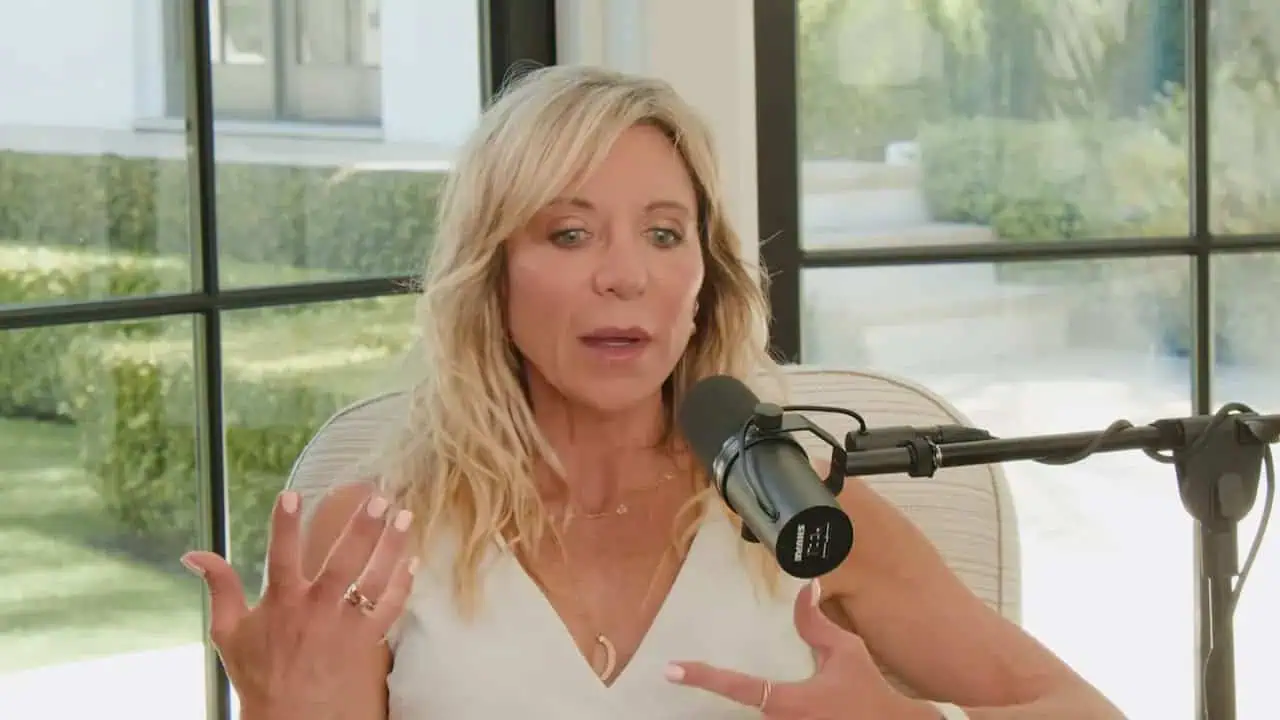
You also made major changes to your family’s nutrition. What did that teach you?
Lisa Odenweller: It taught us that ingredients matter and that we have to be curious. At the time, we were feeding our kids foods that were marketed as healthy, including processed snack foods that happened to contain ingredients such as artificial colors and added sugar.
When we began removing more processed foods and paying attention to things that can be inflammatory triggers for some people, including sugar, gluten, dairy, highly processed foods, and lower-quality meats, we noticed changes in how our family felt.
Our daughter had been placed on ADD medication after several doctors said that was the only option. The medication helped her focus, but it also created serious mood changes. We felt strongly that there had to be another way to support her. After changing the family’s food environment and removing many processed foods, she was able to come off the medication within two weeks under medical guidance.
This is not about claiming that food is a replacement for medical care or that one approach works for every child. It is about asking better questions. Nutrition should be part of the conversation. We deserve practitioners who will look at the whole person, not just offer a prescription and send us on our way.
That is why knowing our family histories, symptoms, and patterns matters. If something feels off, we need to keep advocating for ourselves. For more guidance on when symptoms warrant medical attention, read these signs that it may be time to call an OB/GYN.
Nourishment, Not Starvation
What makes the Kroma 5-Day Reset different from a conventional cleanse?
Lisa Odenweller: We love food. The goal was never deprivation, starvation, or making ourselves miserable for five days. So many cleanses leave us unable to work out, unable to focus, exhausted, irritable, and counting the minutes until they are over. That is not a meaningful reset.
The Kroma approach is centered on nourishment. It includes foods, superfoods, adaptogens, nutrients, and flexible additions that help us feel fed rather than deprived. We can add protein, vegetables, nuts, or other supportive foods depending on activity level, age, goals, appetite, and what our bodies are asking for.
It is meant to help us step away from the cycle of skipped meals, sugar crashes, and grabbing whatever is nearby because we are starving. The bigger win is not a quick fix. It is discovering a few things we genuinely enjoy and can keep using after the reset is over.
Maybe that means finding a matcha ritual we love. Maybe it is porridge with nuts and seeds, a nourishing smoothie, or bone broth when we need something quick. The best healthy routine is the one that actually fits into real life.
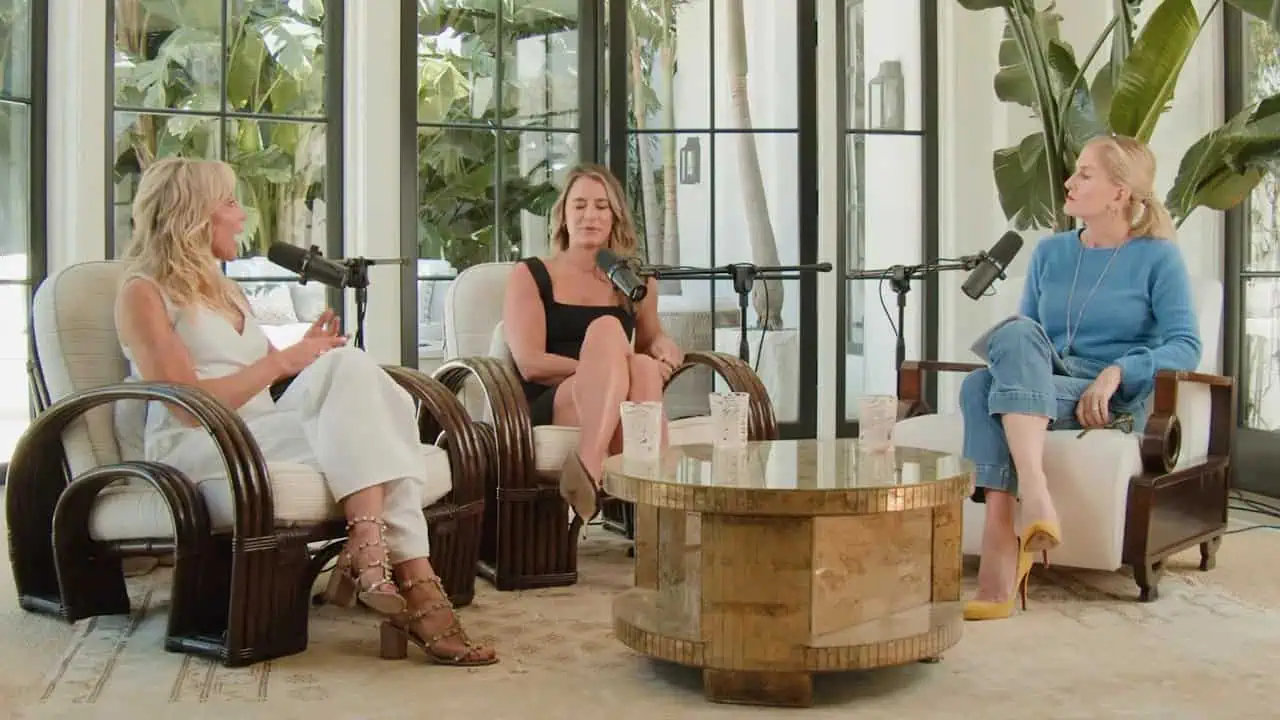
What foods should we be most mindful about?
Lisa Odenweller: Sugar is the first one. That does not mean we can never enjoy dessert, chocolate, wine, or a beautiful meal. It means we need to stop pretending that a high-sugar diet is harmless.
Sugar can become a cycle. The more we eat, the more we crave it. When we reduce it, the cravings often begin to quiet down. We can still enjoy simple pleasures, but we can be intentional about them. A piece of beautiful chocolate with a meaningful meal is very different from running on sugar all day.
Gluten is also individual. We do not live by rigid “shoulds.” We listen to our bodies. Not every gluten-containing food is equal, and not every person reacts the same way. The question is not whether we need to fear a certain food forever. The question is whether we are eating it mindlessly, how frequently we eat it, where it came from, and how we feel afterward.
Quality matters. We can choose protein-forward meals, vegetables, whole foods, and ingredients we recognize more often. Then we can enjoy the special meal, the pizza, the bread, or the glass of wine when it is truly worth it.
How do stress, alcohol, and gut health fit into this picture?
Lisa Odenweller: Stress may be the biggest inflammatory trigger of all. We can eat beautifully, but if we are chronically stressed, never sleeping, and pushing our nervous systems to the limit, it will show up somewhere.
Gut health is deeply connected to the rest of the body, including mood, hormones, digestion, and how we feel day to day. But it is complicated. There is no magic probiotic, supplement, or quick fix that works for everyone. Antibiotics, travel, surgeries, stress, infections, and diet can all affect the gut environment.
Probiotics may be helpful for some people, but the right choice depends on the person and the situation. Conditions such as SIBO require individualized medical evaluation, and certain supplements may not be appropriate. We have to stop treating complex health issues like a one-product problem.
Alcohol is another choice worth examining honestly. There is a difference between saying we can never have fun and recognizing that alcohol does not serve our health. We can decide what feels realistic, such as having it less often, saving it for a special meal, or choosing options we feel better with. Awareness is the point.
Pilates as the Foundation for Intelligent Movement
Kadee, why do you believe Pilates should be the basis for all movement?
Kadee Sweeney: Pilates teaches us how to move intelligently. We can be dancers, golfers, runners, lifters, or people who simply want to get through the day without pain. Either way, we need body awareness, control, stability, mobility, and good alignment.
I came from dance, gymnastics, cheerleading, and yoga. Pilates was the thing that made the entire movement picture click. It gave me knowledge and confidence in the body. It is not just about doing a hard workout. It is about understanding how we sit, stand, stabilize, bend, strengthen, and move through life.
Early in my career, I worked with an older population and with people managing shoulder, hip, and back issues. At first, it felt like the less glamorous side of fitness. But it taught me that the real skill is not simply pushing someone harder. The skill is helping them move safely when they have limitations, pain, injuries, or changing needs.

How should women think about strength training and exercise as they get older?
Kadee Sweeney: We need to consider the person in front of us. What does daily life look like? Are we at a desk all day? In the car? On the phone? Sitting for long stretches? Most of us live in a forward position, with the shoulders rounded and the body folded in.
That is why posture, back strength, core stability, mobility, balance, and opening the front of the shoulders can be so important. During perimenopause and menopause, weight-bearing exercise becomes especially relevant. We also want to maintain joint mobility, build strength, and develop balance because falls become more consequential as we age.
Circular joint movements can help us avoid feeling stiff and locked up. Think of the Tin Man. We do not want to wait until our joints feel rusty before we start moving them.
There is no universal ideal workout. Some people love heavy weights. Some people hate gyms. Some people prefer free weights, walking, Pilates, dance, or body-weight training. The best plan is the one we can do consistently and safely.
Weight-bearing work does not require a barbell or a gym membership. Our own body weight is resistance. Pilates can create meaningful strength through controlled movement, stability work, single-leg work, and intentional positioning. For additional ideas on building a balanced movement habit, explore our women’s exercise resources.
Why More Stretching Is Not Always the Answer for Back Pain
What is one of the biggest misconceptions about back pain?
Kadee Sweeney: People often assume that pain means they need to stretch more. But for many people, especially those who sit most of the day, more stretching can recreate the problem rather than fix it.
Picture the pelvis as a bowl with the spine resting inside it. When we sit with the pelvis tucked under, we lose the natural curve in the lower back. The muscles get pulled long and may become weak. If we keep aggressively stretching those already-lengthened muscles, we may stay stuck in the pain cycle.
Again, this is not true for every kind of back pain, and pain should always be evaluated appropriately. But a common issue is lack of stability, not lack of flexibility.
We often need to strengthen the following areas:
- The deep core muscles
- The muscles of the back
- The lateral glutes
- The inner thighs
- The stabilizers that help keep the pelvis aligned
We still need mobility and flexibility. We can get injured from being too stiff, but we can also get injured when we are strong without mobility or flexible without stability. The goal is balance.
What should we do when an exercise does not feel right?
Kadee Sweeney: Listen to the body. No pain, no gain is not a useful rule. If something feels wrong, we can reduce the range of motion, slow down, modify it, or stop. We need to separate the feeling of healthy muscular effort from pain that signals something is off.
That is especially important in group fitness. An instructor can guide us, but we are still responsible for our bodies. We do not win anything by forcing a movement that causes pain or by chasing the most extreme version of every exercise.
For people who have relied on intense cardio, running, or high-stress workouts for years, adding Pilates, mobility work, and restorative movement can be transformative. We may still love our cardio, but we can build in the strength, control, and recovery that keep us doing what we love longer.
Intermittent Fasting, Sleep, and Daily Rhythms
What is your approach to intermittent fasting for women?
Lisa Odenweller: A 12-hour overnight eating break can be a realistic baseline for many people. It may be as simple as eating dinner earlier and having breakfast the following morning. This can support digestion, sleep, and a more consistent rhythm without turning fasting into another source of stress.
But fasting is not one-size-fits-all, particularly for women. Hormonal cycles, activity level, stress, gut issues, adrenal concerns, and overall health can all affect how fasting feels. A longer fasting window may not be appropriate for active women or for people who are already under significant stress.
We do not need to be rigid. If dinner runs late because we are traveling or enjoying time with friends, we do not need to punish ourselves by waiting until late morning to eat. Wellness is supposed to support our lives, not make us anxious about every meal.
If we are considering major dietary changes, have a medical condition, are pregnant, have a history of disordered eating, or are using medication that affects appetite or blood sugar, we should speak with a qualified clinician first.
What helps with sleep when stress and hormones are working against us?
Kadee Sweeney: Movement helps. Regular exercise can make a significant difference in sleep quality. But we also need a wind-down routine. A bath, music, candles, a quiet ritual, reduced stimulation, and time to transition out of the day all matter.
We also want to avoid late-night sugar spikes. Going to bed after a sugar-heavy snack can cause glucose swings that may wake us up later. Magnesium may be useful for some people, but individual needs vary, especially when medications and medical conditions are involved.
Sleep disruptions during perimenopause and menopause can be particularly challenging. Hot flashes, hormone shifts, anxiety, and conditions such as sleep apnea may play a role. For more support, see our guide to menopausal sleep disorders and treatment options.
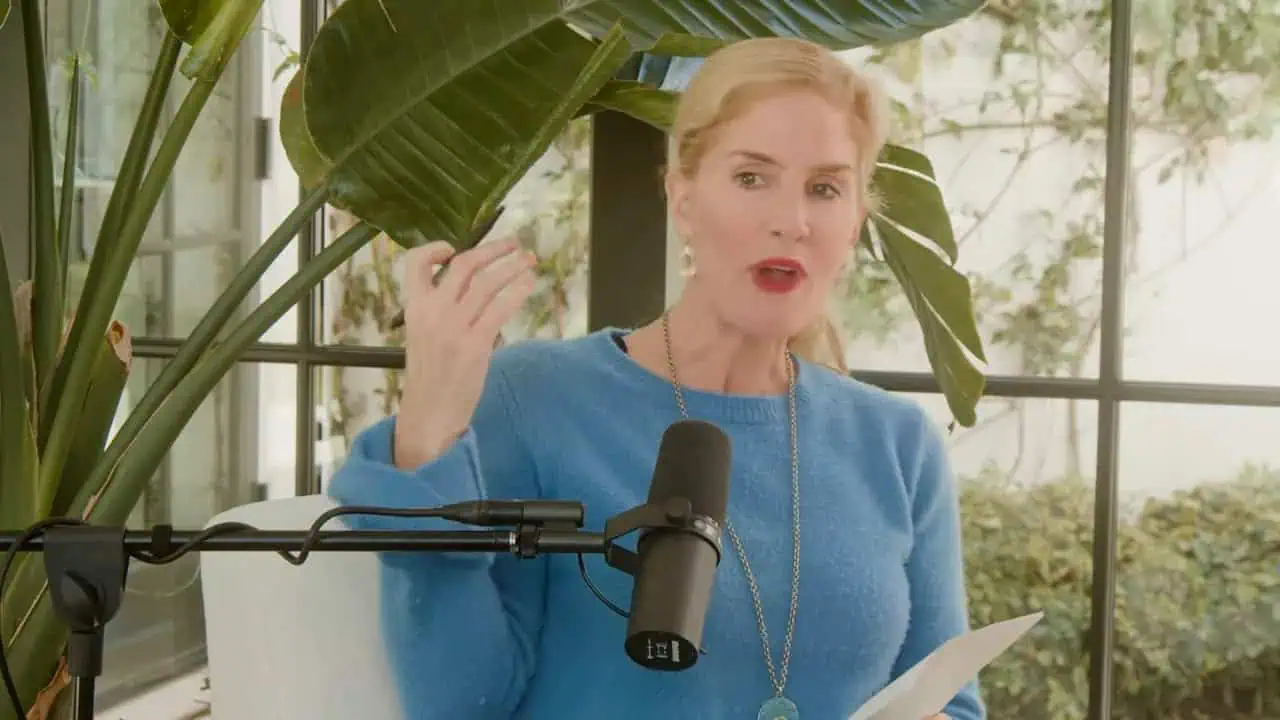
Our Most Practical Wellness Takeaways
If we are overwhelmed and do not know where to start, what are the most important things to do?
Lisa Odenweller: Start somewhere. Do not wait for the perfect diet, perfect routine, perfect supplement stack, or perfect season of life. Start with one thing we can actually sustain.
Our most important takeaways are:
- Choose joy and laughter. Being with people we love, laughing, and having friendships that fill us up are not extras. They are part of health.
- Move in ways we love. Pilates, walking, strength training, dance, nature walks, and mobility work all count. The most effective movement is the movement we will keep doing.
- Get outside. Nature, sunshine, and a change of scenery can be deeply grounding when life feels overloaded.
- Nourish rather than punish. Focus on reducing highly processed foods and added sugar while finding food that tastes good and supports energy.
- Make self-care non-negotiable. No one is going to remove all our responsibilities and announce that it is time to rest. We have to create that space ourselves.
Kadee, what are your everyday movement and wellness essentials?
Kadee Sweeney: A morning routine is huge. It does not have to look like anyone else’s routine. It can be prayer, reading, music, meditation, or simply a few quiet minutes to set our hearts and minds before the day begins.
Then there is a simple Pilates bridge. Lying on the back with the feet on the floor and lifting the hips can help strengthen and stabilize the pelvis. It is one of the most useful foundational movements we can practice.
Hydration matters. Water, electrolytes when needed, and the simple habit of carrying a water bottle can change how we feel. We also need mindful breathing. When we are stressed, we tend to take short, shallow breaths. Taking a few slow, deep breaths helps bring oxygen to the brain and can interrupt the stress spiral.
Finally, make time for friendships, massage, quiet, movement, and nature. Women are so used to serving everyone else. We need to serve ourselves, too.
Be the CEO of Your Health
What is the one message you most want women to take away?
Lisa Odenweller: Be the CEO of your health. That means asking questions when something does not feel right. It means getting support from good doctors, having hormones and thyroid evaluated when appropriate, and making use of medical care when we need it.
It also means remembering that many powerful habits are in our control. Our food, movement, sleep, stress management, friendships, hydration, breath, and joy all add up.
We do not need to be militant. Diet culture fails because it is often miserable, unrealistic, and disconnected from real life. We can take baby steps. We can start by cutting back on sugar. We can add a daily walk. We can do a short mat Pilates class. We can go to bed a little earlier. We can make one nourishing meal instead of skipping it.
Health is not about perfection. It is about learning to feel at home in our bodies again.
Concerned About Your Health? Talk to Dr. Aliabadi
Dr. Aliabadi is an expert OB/GYN who is knowledgeable in all aspects of women’s health and well-being. Dr. Aliabadi and her caring, supportive staff are available to support you through PCOS, endometriosis, menopause, childbirth, infertility, or routine gynecological care. We invite you to establish care with Dr. Aliabadi. Call us at (844) 863-6700 or
Frequently Asked Questions
Is Pilates enough for strength training?
Pilates can build meaningful strength, stability, body awareness, and control, especially through body-weight and single-leg work. Individual needs vary, and many people may also benefit from other forms of weight-bearing exercise based on their goals, health status, and preferences.
Should we stretch when our backs hurt?
Not always. Some back pain can be related to weakness and a lack of stability, particularly after long periods of sitting. Aggressive stretching may worsen the issue for some people. Persistent, severe, or new pain should be assessed by a qualified medical professional.
Is a 12-hour fasting window safe for everyone?
A 12-hour overnight break from eating may be manageable for many people, but fasting should be individualized. Women who are highly active, under significant stress, pregnant, managing medical conditions, or taking certain medications should discuss fasting with a clinician.
What is the first dietary change to make for better wellness?
Start by becoming more aware of added sugar and highly processed foods. Rather than aiming for perfection, choose more whole foods, protein, vegetables, nourishing snacks, and meals that help us feel stable and energized.
How can we start exercising when we feel intimidated?
Start with a simple, accessible movement practice, such as a beginner mat Pilates class, walking, gentle mobility work, or basic bridging. Building confidence and body awareness makes strength training and other workouts feel far less intimidating over time.