Women have been expected to make high-stakes health decisions with surprisingly little information. We scrutinize food labels, research skincare ingredients, and ask questions about what goes into our homes, yet supplements often remain a black box. Katerina Schneider built Ritual around changing that, and she sat down to discuss it with Dr. Thais Aliabadi and Mary Alice Haney.
Her story begins with pregnancy, a prenatal vitamin, and a realization that the products marketed for some of women’s most important life stages did not always meet the standard she wanted for her own body. What followed was a mission centered on science, traceable sourcing, better regulation, and a bigger belief that women deserve more than vague labels and marketing claims.
Table of Contents
- From Personal Frustration to a Health Company
- Ingredient Traceability: Knowing What Is Actually in a Supplement
- Prenatal Vitamins: What They Support Before, During, and After Pregnancy
- Better Supplement Regulation Requires More Than Marketing
- How to Evaluate a Prenatal Vitamin or Daily Supplement
- Building a Company Without Taking Shortcuts
- What Comes Next for Ritual and Women’s Health?
- For the Real Bodybuilders
- FAQ
From Personal Frustration to a Health Company
What made us decide the supplement industry needed to change?
Katerina Schneider: We had wanted to build something for a long time, but we had not found the idea that kept us up at night. We came to the United States from Ukraine as a refugee and grew up seeing entrepreneurship through our father, who built a business after we arrived. That gave us a very real picture of the American dream.
Still, starting a company felt intimidating. We had worked in finance, music, media, and venture capital, and we were surrounded mostly by men. When we looked at the people building billion-dollar businesses and raising venture capital, they were usually men too. There was a little voice telling us we were not good enough, that we did not have the right idea, even though we had the hunger and the passion.
Pregnancy changed that. We have cared about health our entire lives, and when we became pregnant, we started looking closely at prenatal vitamins. We did not find products we felt comfortable taking every day. We saw concerns around heavy metals, missing nutrients, and formulas that did not feel designed with enough care for women during essential stages of life.
It became much bigger than one prenatal. We felt an urgency to help reset expectations for the supplement industry through traceable science, traceable sourcing, and a refusal to take shortcuts.

Why did Ritual begin with one multivitamin instead of a huge product line?
Katerina Schneider: It was completely intentional. We were inspired by John Maeda’s book The Art of Simplicity, which is about reductionism. Building a company is like building a house. We need to get the foundation right before adding more rooms.
Ritual launched with one multivitamin for women 18 and older. That product was our opportunity to earn trust. We brought in scientists and asked a basic but important question: what nutrients are people actually missing?
The answer was not simply “everything.” Many people get enough of certain nutrients through the average American diet. The challenge is that the nutrients people may need are often missing from multivitamins, or included in forms and amounts that do not reflect the research. We wanted to make a product based on that distinction.
The category had also expanded dramatically, from roughly 4,000 supplements to around 90,000, without a major parallel update in oversight. That leaves women doing the work of inspecting labels, comparing brands, and deciding what is safe for themselves, their children, and their families. We call that person the chief health officer of the household because she is often making every one of those calls.
Ingredient Traceability: Knowing What Is Actually in a Supplement
What does 100% ingredient traceability mean?
Katerina Schneider: “Clean” is one of those words that can mean almost anything. We have become so focused on what products are made without that we can lose sight of what they are made with.
Traceability means giving people meaningful information about where an ingredient came from, who supplied or manufactured it, and where final manufacturing happened. It is the ability to look beyond a supplement bottle and understand its journey.
We can often identify the pasture where eggs were laid or the farm where kale was grown. Yet for a product we take every day, we frequently cannot answer basic questions: Where does this vitamin D come from? Where did the omega-3s originate? What is the source of the folate?
That lack of visibility did not make sense to us, especially for products used during pregnancy and postpartum. At Ritual, we have worked to show the supply chain down to the source. Examples include omega-3 from microalgae in Nova Scotia, vitamin D3 derived from lichen, and a fourth-generation folate sourced from Pisticci, Italy. Traceability is not only about naming a location. It is also about explaining why an ingredient is there and what role it plays in the body.

Why does transparency matter so much for women’s health?
Katerina Schneider: Women deserve to know what they are putting in their bodies and why. That should not be controversial. It should be the standard.
Pregnancy especially makes this personal. We are suddenly told to take a prenatal, but many of us are not initially told what each nutrient does, which ones matter most, how early to start, or how to assess the quality of the product. Transparency gives us a way to be informed participants in our own health rather than simply trusting a front label.
Prenatal Vitamins: What They Support Before, During, and After Pregnancy
Why do clinicians recommend prenatal vitamins before pregnancy?
Dr. Thaïs Aliabadi: Prenatal vitamins are important even before conception. We generally recommend starting when someone begins trying to conceive, and ideally about three months before pregnancy.
One major reason is folic acid. It helps reduce the risk of neural tube defects. The neural tube develops into the brain and spinal cord, and problems with its development can have devastating consequences. Conditions can include defects in spinal closure, such as spina bifida, or severe abnormalities affecting brain development. The earliest weeks of pregnancy are especially important, which is why waiting until a positive pregnancy test may not be ideal.
There are other key nutrients as well:
- Omega-3 fatty acids: support fetal brain development.
- Calcium and vitamin D: support bone development and help protect maternal bone health as the fetus draws calcium from the mother.
- Iron: can help address the increased risk of anemia as blood volume expands during pregnancy.
- Folate: is particularly critical in early pregnancy for neural tube development.
During prenatal care, we often check for anemia early and again around 24 weeks because hemoglobin can drop as blood volume increases. Iron may be needed, but it should also be individualized. Pregnancy hormones can cause constipation, and iron can make it worse. Some women may need a stool softener or adjustments from their care team.

Should we continue prenatal vitamins after delivery?
Dr. Thaïs Aliabadi: Postpartum needs depend on the individual. If there was significant blood loss during delivery, additional iron may be needed during the first month. If hemoglobin is normal and there was not major blood loss, extra iron may not be necessary, particularly if constipation is an issue.
Generally, we recommend continuing vitamins while breastfeeding. The preconception, pregnancy, postpartum, and breastfeeding periods are connected. The body is doing a tremendous amount of work across all of them.
For practical, patient-centered guidance about food, nutrients, and supplements during pregnancy, our resource on nutrition during pregnancy is a useful complement to an individualized conversation with an OB-GYN.
Better Supplement Regulation Requires More Than Marketing
Is the supplement industry regulated?
Katerina Schneider: It is important to be precise here. Supplements are regulated. The issue is enforcement and whether the FDA has adequate funding and oversight to carry out the level of protection consumers deserve.
We want more FDA oversight, not less. This is a public-health issue. As a company, we have worked on a policy roadmap that focuses on three reforms we believe should be foundational.
What are the three policy initiatives Ritual is advocating for?
Katerina Schneider: The first is mandatory product and ingredient listing. Consumers should be able to know what products are on the market and what is in them. Other countries already do this. It should not be a radical proposition.
The second is health-protective measures for heavy metals. We need clear, transparent standards that define meaningful limits for contaminants such as lead. Heavy metals exist in many parts of our environment, including water and food, so fear-based messaging alone is not helpful. The amount matters. What matters most is having protective thresholds and communicating results honestly.
Botanical and plant-based products can be a particular concern because they may concentrate ingredients grown in soil. Some research has found elevated heavy metal exposure among people who use botanical supplements, and certain prenatal products have raised concerns about lead. We cannot simply assume a product is safer because it is plant-based or because its marketing feels wellness-oriented.
For its plant-based protein, Ritual published heavy-metal test results because testing and visibility are part of accountability.
The third initiative is establishing a meaningful definition for “clinically studied.” Right now, the phrase can be used loosely. A company may say it has clinically studied ingredients even if the exact form or dosage in its final product does not match the clinical research.
The best standard is a human clinical study on the finished product, because that measures the formula as it is actually consumed. The highest standard is a finished-product clinical study that has also been peer-reviewed and published.
How is Ritual approaching clinical research?
Katerina Schneider: We have committed to having human clinical studies on every Ritual product by 2030. We already have several underway. The purpose is not just to advance a product. It is to add to the research base around women’s health.
One area we care deeply about is maternal nutrition and infant development. For example, choline is an essential nutrient that is not present in many prenatal vitamins. Research by Dr. Marie Caudill has examined choline intake during the third trimester and followed children to age seven, identifying an association with improved processing speed. That kind of work helps show why nutrient selection and dosage matter.
How to Evaluate a Prenatal Vitamin or Daily Supplement
What should we look for when choosing a prenatal vitamin?
Katerina Schneider: We come back to two things: safety and efficacy. Given the current framework, we have to be our own advocates.
For safety, look for independent, third-party testing and validation. It is not enough for a brand to say “trust us.” Certifications can offer a useful layer of confirmation.
- Clean Label Project: evaluates products for more than 200 environmental toxins and contaminants, including heavy metals and glyphosate.
- USP: helps validate that a product contains what the label says it contains.
- NSF: is another certification that can help verify product quality and label accuracy.
For efficacy, look for clinical studies. At a minimum, check whether the ingredients have been studied in the same forms and dosages used in the product. The better standard is a finished-product clinical trial. The holy grail is a finished-product study that has been peer-reviewed and published.
Those questions can feel like a lot, but they are worth asking. Supplements are not decorative. We take them because we expect them to do something in the body.
Can we apply this framework beyond prenatal vitamins?
Katerina Schneider: Absolutely. Whether we are considering a multivitamin, probiotic, plant-based protein, stress support product, or fertility supplement, the framework holds: What is in it? Where did it come from? Has it been independently tested? Is there evidence for the specific form and dosage? Has the finished product been studied?
We do not need to become scientists to ask better questions. We need enough information to make an informed choice and the confidence to expect companies to provide it.
Building a Company Without Taking Shortcuts
What has been the most meaningful part of building Ritual?
Katerina Schneider: We feel immense gratitude that people trust the brand during important stages of their lives. Building this has required so much work, investment, and care. We have had to build the right team, invest in science and traceability, and make decisions brick by brick.
There were times when we wondered whether doing the hard thing was worth it. There are always shortcuts, especially in a category where the details can be invisible to consumers. But every difficult decision we have made around quality has been the right decision.
We were also told at one point by an investor that we could start a family or start a business, but not both. That kind of statement can become fuel. Women can build businesses, raise families, carry pregnancies, and do extraordinary things. Never discount a woman and expect her not to prove you wrong.
How do science, design, and technology come together in a vitamin?
Katerina Schneider: We do not see those things as separate. The science matters, but so does how a product tastes, feels, looks, and fits into daily life. If a product is difficult to take, it is harder to build a consistent habit around it.
That is why product design became part of the innovation. We cared about citrus or mint flavors that women may find more appealing during pregnancy. We cared about the visual experience, including the distinctive look of the vitamins. And we cared about delivery technology, because ingredients need to get where they are intended to go in the body.
For a probiotic, for example, delivery to the colon matters because that is where the bacteria are intended to thrive. This is not the flashiest part of a supplement conversation, but it is important. Ritual recently received three patents related to delivery technology, which was a meaningful milestone for us.
None of this happens alone. The magic comes from talented people with different expertise coming together, from scientists to designers to operators. A great company is not only one person’s vision. It is the collective work of people who care deeply about getting the details right.
What Comes Next for Ritual and Women’s Health?
Where is Ritual focusing next?
Katerina Schneider: We are staying focused and doubling down on women’s health. Women’s health has been understudied and underfunded for far too long. Pregnancy, postpartum, fertility, and menopause are sometimes treated as niche categories, but together they represent the full lived experience of millions of women.
We want to put more funding into research that advances not only Ritual products but women’s health more broadly. We think about what kind of legacy we want to leave for our daughters, and that is the answer: more knowledge, more evidence, more choices, and more respect for women’s health at every stage.
That same spirit is at the heart of the conversations we continue to have through the SheMD podcast, where women’s health is discussed with candor, expertise, and none of the unnecessary shame.
Which Ritual products are personal favorites?
Katerina Schneider: We take many of the products, but a recent favorite is Ritual’s stress support formula. Parenting, work, and the general pace of life can mean we are managing a lot. The product contains ashwagandha, L-theanine, and saffron, and we took testing of the botanical ingredients seriously before entering that category.
We also looked at how cortisol tends to spike in the morning and developed an in-house delivery approach intended for use earlier in the day. We take it in the morning, not at night, because that is how it was designed.
Another favorite is HyaCera, an ingestible skincare product for hydration and fine lines. It combines lower-molecular-weight hyaluronic acid from Japan with a phytoceramide oil from France. Ritual reported clinical study results showing a reduction in crow’s feet. We love the idea of science-backed internal support for skin, especially for people who prefer fewer invasive approaches.
We are also proud of Ritual’s fertility product because it addresses more than egg health alone. The formula was developed to support follicular health, egg health, and ovarian health, using dosages aligned with clinical research. Fertility can feel deeply out of our control. Offering evidence-informed support and a sense of agency matters.
For the Real Bodybuilders
What is the idea behind the podcast For the Real Bodybuilders?
Katerina Schneider: The name grew out of Ritual’s protein product and a bigger question: who are the real bodybuilders? Women are building bodies in every sense. Think about that phrase over a pregnant belly. It is powerful.
We wanted to extend that idea into a space for candid, sometimes TMI, conversations about women’s health. The goal is to ask the questions people may feel too nervous to ask about fertility, pregnancy, postpartum, menopause, and everything that affects our bodies across a lifetime.
We want leading experts in the room, but we also want it to feel light, real, and human. Women’s health does not need more silence. It needs more honest conversation.
FAQs
When should we start taking a prenatal vitamin?
We generally recommend discussing prenatal vitamins with an OB-GYN when trying to conceive, ideally around three months before pregnancy. Folate is particularly important before and during the early weeks of pregnancy because neural tube development happens very early.
What nutrients are commonly important in a prenatal vitamin?
Folate, omega-3 fatty acids, calcium, vitamin D, and iron are among the nutrients discussed in prenatal care. Individual needs vary, especially for iron, so personalized guidance from a medical provider matters.
What is ingredient traceability in supplements?
Ingredient traceability means providing visibility into where ingredients originated, who supplied or manufactured them, and where final production occurred. It allows us to understand not only what is on a label but also where those ingredients came from.
How can we evaluate whether a supplement is safe?
Look for independent third-party testing and reputable certifications. Clean Label Project can test for contaminants such as heavy metals and glyphosate, while USP and NSF can help validate that a product contains what its label claims.
What does clinically studied mean for a vitamin or supplement?
The phrase is not consistently defined across the industry. The strongest evidence comes from a human clinical study on the finished product, ideally one that has been peer-reviewed and published. Research on individual ingredients may be useful, but the forms and dosages should match what is actually in the product.
Should we keep taking vitamins while breastfeeding?
Dr. Aliabadi recommends continuing vitamins throughout breastfeeding, with postpartum iron needs adjusted based on blood loss, hemoglobin levels, and individual tolerance. Always discuss the appropriate regimen with a medical provider.
Medical note: This conversation is for educational purposes and is not a substitute for personal medical advice. We should consult a qualified healthcare professional about supplements, pregnancy, fertility, postpartum recovery, breastfeeding, medications, and individual health needs.
Concerned About Your Health? Talk to Dr. Aliabadi
Dr. Aliabadi is an expert OB/GYN who is knowledgeable in all aspects of women’s health and well-being. Dr. Aliabadi and her caring, supportive staff are available to support you through PCOS, endometriosis, menopause, childbirth, infertility, or routine gynecological care. We invite you to establish care with Dr. Aliabadi. Call us at (844) 863-6700 or
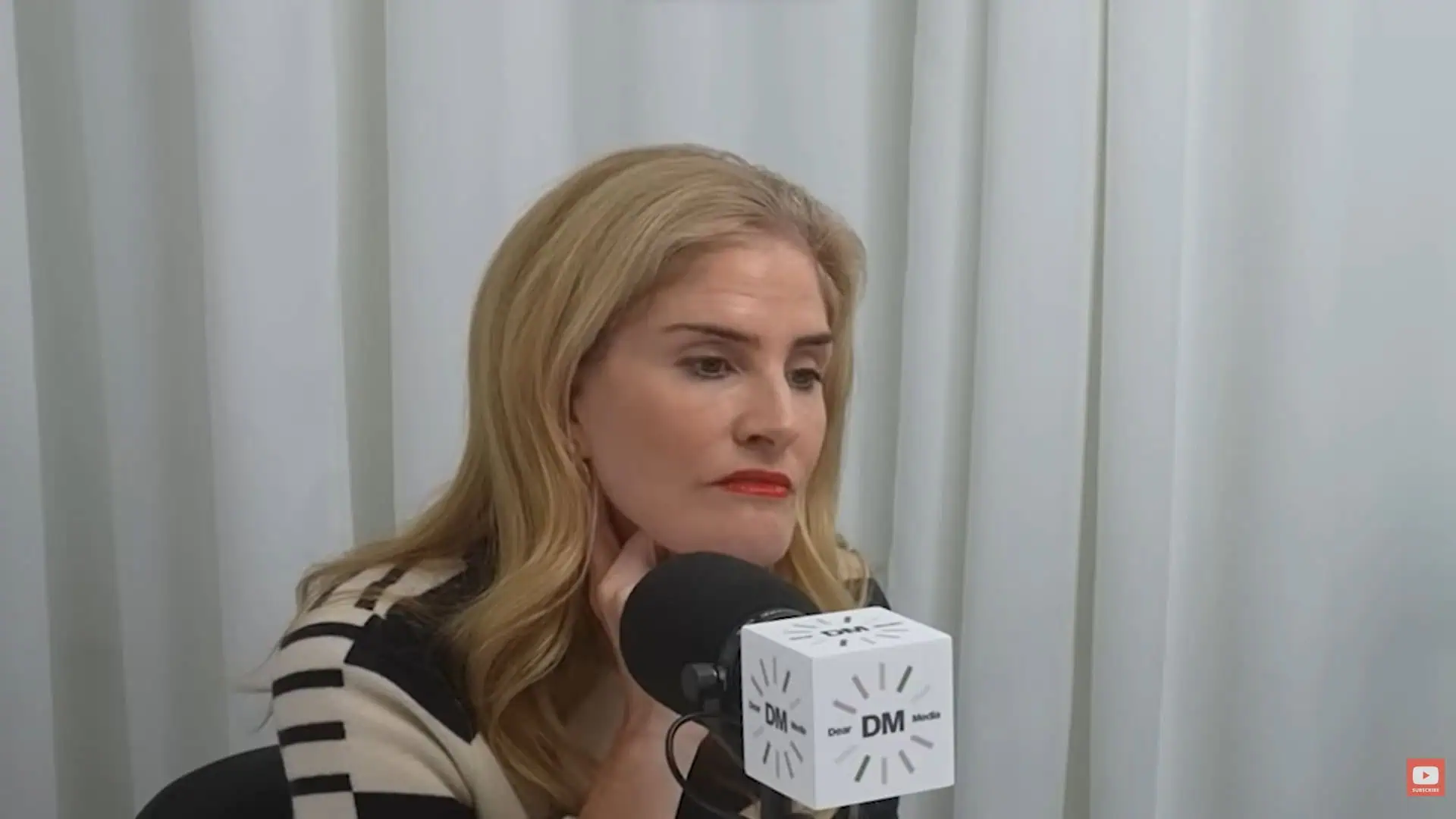
This article was created from the video Ritual’s Fight for Better Standards in Health with CEO Katerina Schneider | SHE MD for Dr. Thais Aliabadi’s website.