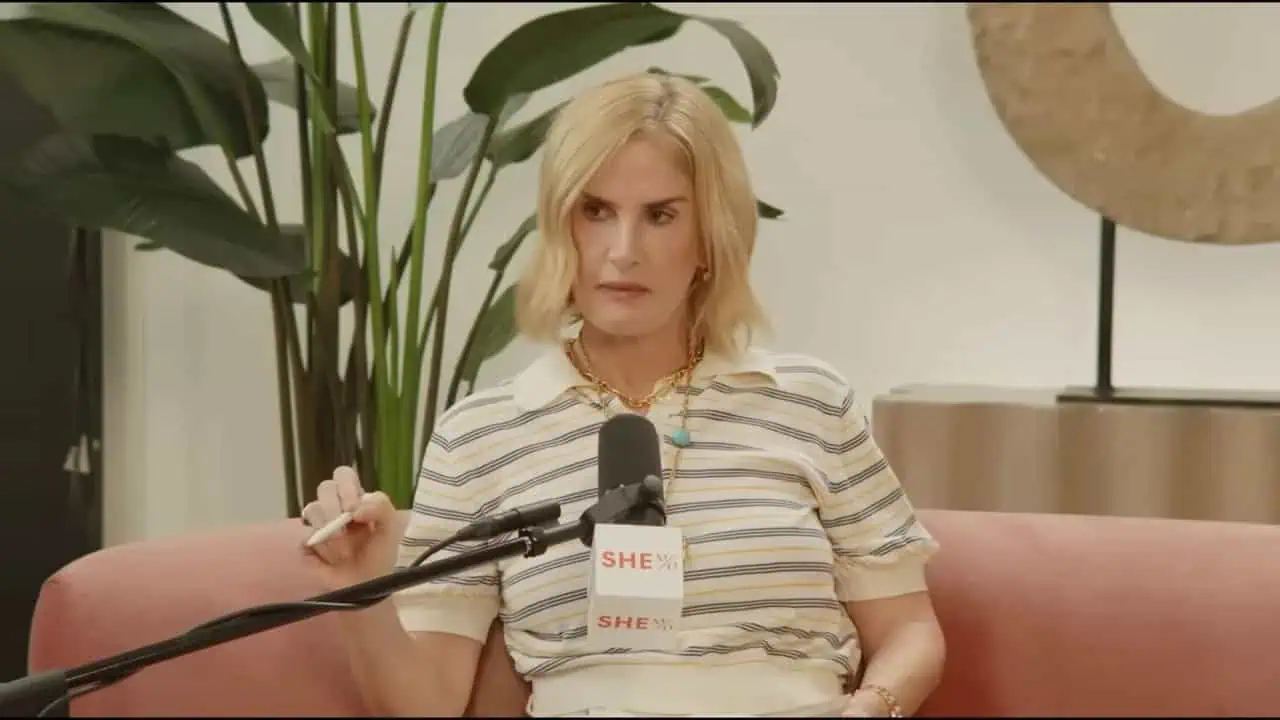
We hear plenty about healthy aging, but very little about what is actually happening inside our cells as we move through our 30s, 40s, and beyond. That is where this conversation gets interesting. Dr. Catharine Arnston has spent years studying two microalgae that she believes deserve much more attention in everyday health conversations: spirulina and chlorella. Today she joins Dr. Thais Aliabadi and Mary Alice Haney to discuss them.
Her core philosophy is simple and memorable: aging is part of life, but losing function does not have to be. What follows is a wide ranging conversation about cellular energy, mitochondria, menopause, brain fog, sleep, mood, toxins, sourcing, and why these tiny algae tablets have become such a major part of her work.
Table of Contents
- Origins, Algae Basics, and Why This Topic Matters
- Spirulina, Energy, and Mitochondria
- Brain Fog, Mood, Sleep, and the Case for Chlorella
- Dosing, Timing, and Who Might Use What
- Weight Loss, GLP-1 Support, and Muscle Preservation
- Safety, Chemotherapy Questions, and Sourcing Standards
- Iron, Oxidative Stress, and Menopause
- Beauty, Skin, Hair, Kids, and Family Use
- What Are the Big Takeaways?
- FAQ

Origins, Algae Basics, and Why This Topic Matters
What first led us into the world of algae?
It started with family. When Dr. Arnston’s sister was diagnosed with breast cancer in Canada years ago, her oncologist suggested shifting toward a more plant centered, alkaline eating pattern to support healing during treatment. The advice was meaningful, but it was not especially practical. What did that diet actually look like day to day? Which foods mattered most? How could someone going through chemotherapy realistically follow it?
That question sent her down a deep research path. She paused a long corporate career, studied plant based nutrition, and found that the literature kept circling back to two foods that many people in North America still barely know: spirulina and chlorella.
Her sister changed her diet, completed chemotherapy, and recovered. But the bigger effect was on Dr. Arnston herself. She became convinced that many people know they should eat more nutrient dense foods, yet real life gets in the way. Vegetables spoil. Kids reject them. Some people do not tolerate them well. Others do not have access, time, or budget. So she began looking for something that could deliver concentrated nutrition in an easier form.
That search led to algae.
Why does she believe algae deserves more attention?
Her case is that microalgae are not fringe wellness products. She describes them as deeply researched, nutrient dense foods with an unusually long history of use. In her telling, spirulina and chlorella stand out because they combine protein, pigments, antioxidants, minerals, and other compounds in a form the body recognizes as food, not as a synthetic supplement.
She also points to the scale of scientific interest around them, the longstanding use of algae in parts of Asia, and endorsements from organizations often cited in this space, including NASA and the United Nations. Whether every claim around algae needs more nuance is a fair question, but her main point is hard to miss: most of us have heard of collagen, fish oil, greens powders, and probiotics, while algae rarely enters the conversation, even though she believes it deserves a seat at the table.
What is the difference between macroalgae and microalgae?
This distinction matters. When most people hear algae, they picture the slimy material washing up on a beach. That is usually macroalgae, such as seaweed, kelp, or dulse. Dr. Arnston says macroalgae can still be useful, largely because of its fiber and iodine content, but it is not the same thing as the microalgae she focuses on.
Microalgae are tiny single celled organisms. The two major forms sold in this category are:
- Spirulina, a blue green microalgae
- Chlorella, a green microalgae
She stresses that these are not interchangeable. In her framework, spirulina is primarily about nourishment, cellular energy, and mitochondrial protection, while chlorella is more about detoxification, gut health, mood support, and recovery.
Should we worry about algae being contaminated?
Yes, and this is one of the strongest practical points she makes. She warns against lumping all algae together. Some algae that appear in natural bodies of water can accumulate whatever is present in that environment. That is exactly why she says sourcing matters so much.
Her explanation is that spirulina and chlorella meant for human use should be grown in controlled freshwater environments, not gathered from random lakes or oceans. Because algae can absorb toxins, it is not enough to buy any product with the word algae on the label and assume it is the same.
That emphasis on clean sourcing becomes especially important later when she explains how her company uses freshwater ponds in Taiwan, triple filtered water, careful low temperature processing, and third party testing.
Spirulina, Energy, and Mitochondria
What makes spirulina different from a stimulant?
Dr. Arnston is adamant on this point. She does not describe spirulina as a buzz, rush, or fake pick me up. Instead, she frames it as a cellular energy food.
Her distinction is this: stimulants like caffeine, sugar, or certain chemicals create a quick lift by pushing the system. Spirulina, in her view, works lower down in the machinery by supporting how cells generate energy in the first place. So instead of a spike followed by a drop, the goal is steadier fuel.
She says people often notice that as feeling more refreshed, alert, or clear rather than wired.

How does she explain spirulina’s protein advantage?
One of her most repeated points is that spirulina is remarkably high in protein. More than that, she emphasizes that its protein is already broken down into amino acids, making it easier for the body to use.
Her argument is that when we eat animal protein, the body still has to digest and dismantle it before using the amino acids. Spirulina, by contrast, arrives in a form she says is more immediately available. She also highlights its B vitamins, which she says help convert those amino acids into usable energy.
That is part of why she sees spirulina as useful for people who:
- skip meals
- want more protein without a heavy meal
- need support while exercising
- feel afternoon energy dips
- are trying to preserve muscle mass while eating less
For those dealing with brain fog or menopause related fatigue, this is where she believes spirulina becomes especially relevant.
What role do mitochondria play in this conversation?
This is really the center of her whole framework. Mitochondria are the energy generating structures inside our cells. When they are functioning well, we have the fuel required for everything from brain function to digestion to muscular work. When they are damaged or reduced in number, the system starts to drag.
Her argument is that as we age, two things happen:
- we tend to have fewer mitochondria
- the mitochondria we do have are more vulnerable to damage
That damage contributes to inflammation and poor cellular performance. She connects this decline to many of the symptoms people associate with getting older, especially reduced mental clarity and energy.
For more on the cognitive symptoms many women notice during midlife, this overview of menopausal memory and concentration changes offers helpful context around brain fog and practical support strategies.
What is the antioxidant she says matters most here?
She spends a lot of time on one antioxidant enzyme: superoxide dismutase, often shortened to SOD. Her explanation is that energy production naturally creates free radicals as a byproduct. SOD helps neutralize that damage and protect mitochondria from wear and tear.
According to her, our own SOD production declines with age. For women, the problem intensifies around perimenopause and menopause because estrogen also has antioxidant effects in mitochondria. So when estrogen falls and the body’s own SOD support also weakens, the result is what she describes as a double hit.
That is one reason she believes women often feel this life stage so intensely.

Why does she think menopause hits women harder than men?
Her answer is not simply hormones in the broad sense. She gets more specific. In her view, mitochondrial protection declines in everyone with age, but women lose an additional layer of defense when estrogen drops. Since the brain is packed with mitochondria, she connects that to the very symptoms so many women describe in midlife:
- brain fog
- low mood
- fatigue
- poor focus
- reduced resilience
She references emerging conversations around mitochondrial health in psychiatry and neurology to support the idea that brain energy and mood are tightly linked.
How soon does she think spirulina can be felt?
She makes a distinction between immediate and longer term effects. For energy, she says some people notice a difference quickly, sometimes within the same day when taking a meaningful amount. For mitochondria themselves, she says the timeline is longer because these structures need time to regenerate.
In her estimate, cellular renewal begins to show up after roughly 10 to 15 days of consistent use. That is why she repeatedly emphasizes consistency rather than treating this as a one off biohack.
Brain Fog, Mood, Sleep, and the Case for Chlorella
If spirulina is for energy, what is chlorella for?
She calls chlorella the sister to spirulina, but a very different one. In her model:
- Spirulina nourishes and energizes
- Chlorella clears, supports, and restores
Chlorella has a tough cell wall, and she says that is what gives it an important function. Instead of being primarily about quick nourishment, she sees it as a binder and cleanup agent. Her analogy is memorable: if toxins are blocking the parking space, chlorella is the tow truck that removes them so the good stuff can get in.
What kinds of toxins does she believe chlorella helps with?
She lists heavy metals, pesticides, herbicides such as glyphosate, aluminum, and even radiation among the substances chlorella may help escort out of the body. The central idea is that modern life exposes us to far more environmental stressors than our systems were built for, and that accumulated burden interferes with normal function.
Whether someone is focused on gut health, fat loss, or mental clarity, her view is that it is hard to feel well if cellular receptors are crowded by toxins.
How does she connect chlorella to gut health and mood?
This is where her explanation becomes especially relevant for women in midlife. She says chlorella is rich in tryptophan, which the body uses to produce serotonin. Since most serotonin is made in the gut, she frames chlorella as a gut first way to support mood.
Her logic goes like this:
- estrogen declines in menopause
- that can affect serotonin pathways
- serotonin is strongly tied to mood and wellbeing
- supporting serotonin production may help mood and emotional steadiness
She also points out that serotonin supports bowel motility, which is why she believes chlorella can be helpful for constipation as well.
That gut brain connection comes up often in menopause care. Readers dealing with mood changes during this phase may also find this page on depression and mood disorders in women useful for understanding symptoms and treatment options.
Why does she recommend chlorella at night?
Because she connects serotonin to melatonin. In her explanation, the same pathway that influences mood also supports sleep. Chlorella is not meant to sedate or knock us out. Instead, she says it may help the body more naturally move into deeper sleep.
That is why she recommends taking chlorella before bed for people who are struggling with sleep quality, especially during menopause when restorative sleep often becomes frustratingly hard to get.
Sleep disruption is one of the most common complaints in perimenopause and menopause. This guide to menopausal sleep disorders covers other common causes too, including night sweats, anxiety, and sleep apnea.
What about chlorophyll? Why is that important to her?
She describes chlorella as having exceptionally high chlorophyll content. In her telling, chlorophyll matters because its structure resembles hemoglobin in meaningful ways, making it relevant to blood building, cleansing, and tissue support.
She also emphasizes that chlorophyll is fat based, which in her view helps support cell membranes much like certain fat soluble nutrients do. Add in chlorella’s glutathione content, and she sees it as particularly liver friendly and well suited for recovery support.
Dosing, Timing, and Who Might Use What
How does she suggest taking spirulina and chlorella?
Her basic rhythm is straightforward:
- Spirulina in the morning or early afternoon for nourishment and energy
- Chlorella before bed for detox support, mood pathways, bowel motility, and sleep
She says the tablets can be swallowed, chewed, or crushed into a smoothie. She repeatedly underscores that because they are food, not synthetic supplements, they tend to be easy on the stomach.
What doses does she talk about?
Her dosing advice varies depending on goals:
- For basic nutritional insurance: about 10 to 15 tablets of each
- For older adults or those wanting more therapeutic support: about 30 spirulina and 30 chlorella daily
- For athletes or heavier performance use: much higher intakes are sometimes used
She also says there is no meaningful upper limit in the way people think of one for a drug, because she considers both products food. Still, anyone with medical conditions, especially cancer treatment, should bring supplement and food decisions into conversation with their clinician.
Does she think algae can replace meals or supplements?
She presents spirulina as a possible meal stand in when needed, mostly because it is high in protein and low in calories. She also argues that algae may reduce the need for multiple separate products, at least in some routines, since spirulina and chlorella contain a wide range of vitamins, minerals, pigments, fats, and amino acids.
That said, she does not frame them as magic. Her pitch is more practical: if we are trying to simplify a wellness routine and close nutritional gaps, algae may help make that easier.

Weight Loss, GLP-1 Support, and Muscle Preservation
How does she connect spirulina to weight loss?
First, through satiety. Because spirulina is high in protein and other nutrients, she says it can take the edge off hunger in a way that supports calorie control without leaving someone undernourished.
Second, through metabolism. Since she sees mitochondria as central to metabolic function, anything that improves mitochondrial health could theoretically support a more efficient metabolism. That is why she talks about spirulina as useful for people trying to lose weight without feeling depleted.
Why does she mention GLP-1 medications?
She argues that people taking GLP-1 drugs should pay special attention to maintaining protein intake and muscle mass. Her concern is that appetite suppression can make it easier to under eat, especially when protein is not prioritized.
In that context, she sees spirulina as a simple way to add concentrated protein and nutrient density while calories are lower.
How does chlorella fit into a fat loss plan?
Her explanation is interesting. She says the body often stores toxins in fat tissue as a protective strategy. So when fat loss begins, those compounds may be released. In her view, chlorella helps capture and escort those released toxins out, reducing the chance that they simply circulate and settle elsewhere.
She also suggests that as toxic burden comes down, the body may feel less need to hang onto some of that protective fat.
Safety, Chemotherapy Questions, and Sourcing Standards
What does she say about taking algae during chemotherapy?
She draws an important distinction here. Her position is that spirulina can generally be continued because she does not see it as acting like a detox binder in the same way. Chlorella, however, is where she urges more caution around timing.
Her recommendation is to ask the oncology team, and if chlorella is used, consider taking it after treatment rather than right before, so it does not potentially interfere with therapies meant to remain active in the body.
That caution is worth underlining. Even when something is categorized as food, context matters. Cancer treatment plans are too individualized for shortcuts.
Why is she so focused on sourcing in Taiwan?
This is where she gets especially specific. She says her company grows algae in Taiwan in freshwater ponds fed by carefully filtered mountain spring water. She contrasts that with lower cost products she says may come from less controlled operations in China or India, where water quality and processing standards may differ.
Her emphasis is not only on where the algae are grown, but how they are dried. High heat, she says, can damage important compounds, including enzymes and pigments she considers central to algae’s benefits. That is why she stresses low temperature processing and repeated testing.
What does she mean by medical grade food?
She uses that phrase to suggest a level of care beyond ordinary supplement manufacturing. In practice, she appears to mean controlled growing conditions, careful drying methods, third party testing, and a product line focused only on algae rather than a broad catalog of unrelated supplements.
Whether a reader uses the term medical grade or prefers more conventional quality language, her practical advice is clear: if we are considering algae, we should care where it came from, how it was processed, and what testing backs it up.
Iron, Oxidative Stress, and Menopause
What is the iron issue she says women should know about?
One of the more unusual parts of the conversation is her discussion of stored iron. She explains that women before menopause regularly lose blood through menstruation, which naturally lowers iron stores over time. Once periods stop, that built in release valve disappears.
Her point is that iron is useful, but too much stored iron may contribute to oxidative stress. She uses the image of rusting metal to explain how excess iron can interact with oxygen in damaging ways. In menopause, she says, women begin to resemble men more in this area because stored iron can rise after menstruation ends.
She then ties that increase to higher inflammation and more oxidative stress at the cellular level.
How does she say algae helps with that?
She brings up manganese as a mineral involved in pathways that may help reduce some of the oxidative burden associated with iron. Her larger message is that menopause is not only about hot flashes and changing periods. It is also about shifts in mitochondria, antioxidant protection, serotonin pathways, sleep quality, and oxidative stress.
That broader systems view is part of why her algae framework appeals to many women who feel that their symptoms are interconnected rather than isolated.
Beauty, Skin, Hair, Kids, and Family Use
Does she see spirulina as a beauty product too?
Yes, although she comes at beauty from the inside out. She says spirulina supports skin, hair, elastin, and collagen related pathways because of its nutrient profile. For that reason, she created a second brand presentation of the same spirulina product with more feminine packaging, aimed at women who connected more strongly with a beauty angle than with a blue green algae science pitch.
Her point is less about branding and more about accessibility. If changing the packaging helps more women use a food she believes can support healthy aging, she is willing to do it.
What does she say about giving algae to kids or pets?
She describes spirulina as gentle enough for children because it is easy to absorb and tends not to upset the stomach. Her rough rule for kids is to scale the dose to age, sometimes using about half the child’s age up to the full age in tablets per day, and moving toward adult amounts in the early teen years.
She also mentions pets, again treating the products as concentrated foods rather than pharmaceuticals. Even so, whenever children, pregnancy, cancer, or chronic illness are part of the picture, extra caution is wise.
What Are the Big Takeaways?
If we had to reduce her entire message to a few main ideas, what would they be?
Here is the framework she keeps returning to:
- Spirulina is the nourishment and energy algae
- Chlorella is the detox, gut, mood, and recovery algae
- Women in perimenopause and menopause may need more support because mitochondrial protection and estrogen decline at the same time
- Brain fog, low mood, poor sleep, and fatigue may have more to do with cellular energy than most of us realize
- Sourcing matters because algae can absorb what is around it
- Consistency matters because cells are not repaired overnight
Whether or not we embrace every claim at full strength, the larger insight is useful: midlife health is not just about managing symptoms one by one. It is about supporting the systems underneath them, including sleep, inflammation, nutrition, detox pathways, gut function, and mitochondrial health.
FAQs
What is the difference between spirulina and chlorella?
Dr. Arnston describes spirulina as the microalgae mainly associated with energy, protein, and mitochondrial support, while chlorella is the one she connects more with detoxification, gut health, serotonin support, bowel regularity, and sleep quality.
When does she recommend taking spirulina and chlorella?
Her preferred timing is spirulina in the morning or afternoon and chlorella before bed. She says spirulina is better suited for energy and satiety, while chlorella may better support mood pathways, detoxification, and deeper sleep when taken at night.
Can algae help with menopause symptoms?
She believes algae may be useful for common menopause concerns such as fatigue, brain fog, mood changes, constipation, and poor sleep. Her explanation centers on mitochondrial support from spirulina and serotonin, melatonin, gut, and detox support from chlorella.
Is algae safe for people with sensitive stomachs?
She says spirulina is generally easy on the stomach because it is a food and is quickly absorbed. She presents it as less likely than many supplements to cause nausea. Still, personal tolerance varies, so starting gradually can make sense.
Should someone use chlorella during chemotherapy?
She advises checking with the oncology team first. Her general view is that chlorella may be better timed after treatment rather than before, because its detox oriented role could raise timing questions. She presents spirulina as less of a concern in that context, but clinician guidance remains essential.
Why does sourcing matter so much with algae?
Because algae can absorb contaminants from the environment where it is grown. She strongly prefers controlled freshwater cultivation, careful low heat processing, and third party testing over products that may come from less controlled or poorly monitored conditions.
Can spirulina replace a meal?
She says it can serve as a light meal replacement in a pinch because it is high in protein and nutrient dense while remaining low in calories. Her broader point is that it may help support busy days without leaving us feeling completely unfed.
How long does she think it takes to notice a difference?
For energy, she says some people notice benefits the same day. For deeper cellular changes related to mitochondrial renewal, she suggests giving it at least 10 to 15 days of regular use.
Concerned About Your Health? Talk to Dr. Aliabadi
Dr. Aliabadi is an expert OB/GYN who is knowledgeable in all aspects of women’s health and well-being. Dr. Aliabadi and her caring, supportive staff are available to support you through PCOS, endometriosis, menopause, childbirth, infertility, or routine gynecological care. We invite you to establish care with Dr. Aliabadi. Call us at (844) 863-6700 or
This article was created from the video Aging Is Natural, Declining Is Not: The Algae Science Most Doctors Miss | SHE MD for Dr. Thais Aliabadi’s website.