Jet lag is not just feeling tired after a long flight. For many of us, it is the whole package: exhaustion, bloating, constipation, swollen legs, a sore back, disrupted sleep, brain fog, and that strange feeling that our body has landed but the rest of us has not caught up yet.
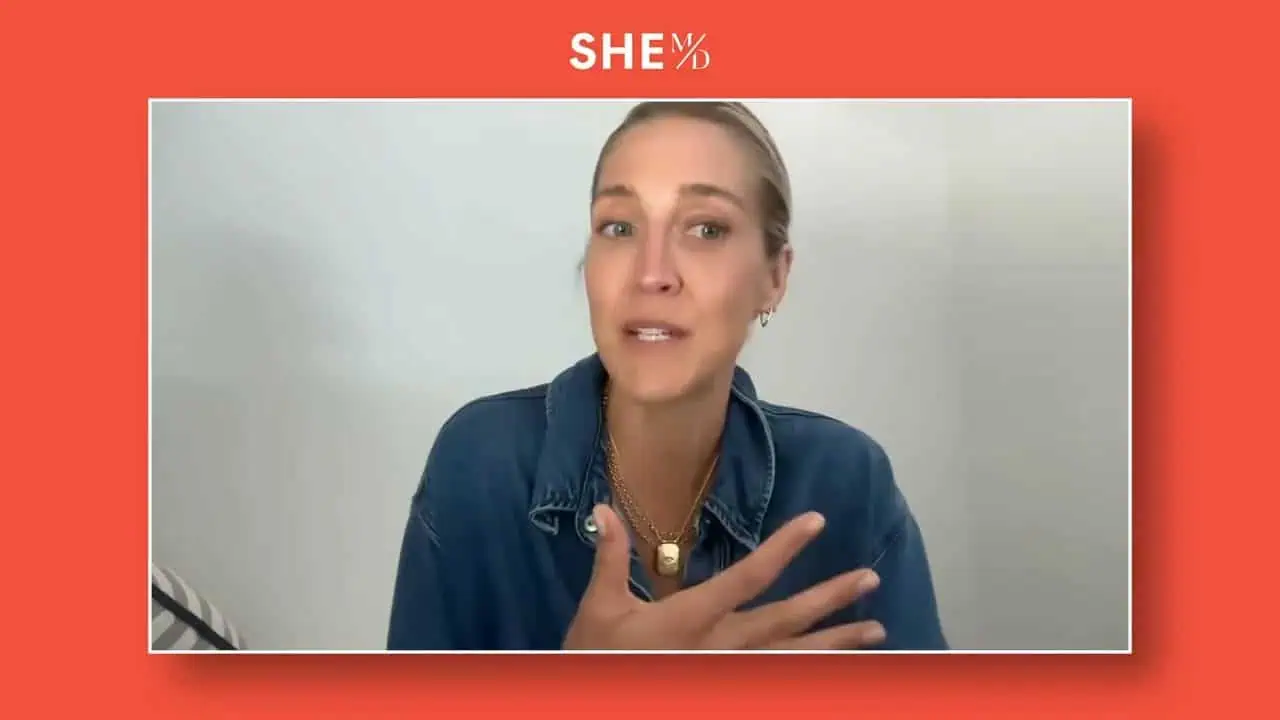
We do not have to accept feeling completely wrecked every time we travel. Nutrition expert Sarah Wragge and Pilates instructor Kadee Sweeney join Dr. Thais Aliabadi and Mary Alice Haney with a refreshingly simple takeway: travel goes better when we protect the routines that help us feel good at home. We hydrate, eat intentionally, move regularly, support sleep, and stop treating an airplane seat like a place where our posture and circulation no longer matter.
Table of Contents
- Jet Lag Begins Before We Board
- Hydration, Digestion and the First Meal After Landing
- Sleep Support and Medical Considerations for Long Flights
- Why Our Back Hurts After Flying
- Simple In-Flight Movements That Help Us Feel Better
- The Jet Lag Recovery Workout After Landing
- The First Thing to Do in a Hotel Room
- Our Practical Jet Lag Plan
- FAQ
Jet Lag Begins Before We Board
What is the biggest mistake we make before and during a flight?
Sarah Wragge: We often decide that travel is the moment when all our healthy habits can disappear. We order the drink, eat whatever meal is handed to us, snack because we are bored, sit for hours, and then wonder why we arrive bloated, inflamed, constipated, and exhausted.
We do not need to be rigid or make travel joyless. We just need to be realistic. A trip may include pasta, dessert, a beautiful dinner, or a treat with our kids. But the flight itself does not have to become a free-for-all that makes the first days of a trip harder.
The first choice matters. If we board already hydrated, well fed, and prepared to move, we are setting up a completely different experience than if we arrive at the gate starving and rely on airplane food and alcohol.
What should we eat before a flight?
Sarah Wragge: The simplest approach is to eat a real meal before getting on the plane. Prioritize protein, vegetables or another fiber source, and healthy fat. This can be at home or at the airport if needed.
When we are eating at an airport restaurant, perfection is not the goal. We can modify. Find a salad with protein, ask for what works, and do the best we can with the options in front of us. We may not be getting the ideal quality of every ingredient, but a protein-forward meal with vegetables is still a much stronger choice than boarding hungry and eating heavy food in the air.
Sarah also recommends continuing the structure that supports us at home. For her, that can mean a 12 to 14 hour overnight fast, a protein-forward first meal, a small bridge between lunch and dinner, and a blood-sugar-balancing dinner. Even when fries are on the table, she keeps them as the final part of the meal, after the greens and protein.
That is the energy we want to bring to travel: not deprivation, just order. Food choices can be flexible without becoming chaotic.
Why does eating in flight make so many of us feel awful?
Sarah Wragge: Digestion can feel more difficult when we are in the air, especially as cabin pressure changes. Heavy meals can leave us bloated and uncomfortable. Her number one travel nutrition rule is simple: eat before boarding instead of relying on an in-flight meal.
She also avoids alcohol on planes and focuses on water. This is not about being “perfect.” It is about noticing what helps us land feeling more like ourselves. If we are going to enjoy a meal, it is often better to save that experience for our destination, when we are seated comfortably, hydrated, and able to walk around afterward.
Before a red-eye flight, Sarah likes to eat, then walk around the airport until she is ready to sleep. That simple airport walk can help us avoid boarding with restless energy and can make it easier to settle in for a short overnight flight.
Hydration, Digestion and the First Meal After Landing
What should we drink while traveling?
Sarah Wragge: Water needs to be the baseline from wheels up to wheels down. We can pack electrolyte support if that works for us, but the non-negotiable is regular hydration. Kadee Sweeney has a very practical trick: she buys several bottles of water, chooses an aisle seat, and drinks enough that she has to get up and use the restroom.
It is almost funny because it is so obvious, but it works. Drinking water supports hydration while also giving us a reason to stand, walk the aisle, stretch, and change position. That supports circulation, keeps our body from locking into one posture, and interrupts hours of sedentary travel.
If sleep is a concern, it helps to think about our broader sleep routine too. Our guide to getting a good night’s sleep includes practical ways to protect rest through consistent routines, light exposure, and a sleep-supportive environment.
What should our first meal be after we land?
Sarah Wragge: Hydrate first, then make the first meal protein-forward with plenty of vegetables. We do not need to “make up” for travel with an extreme cleanse. We simply need to return to foods that feel grounding, familiar, and easy to digest.
For Sarah, that may look like a large serving of protein with a lot of vegetables. After returning from Europe, she sometimes spends a day focusing mostly on cooked and raw vegetables such as squash, beets, turnips, and leafy greens. It is a gentle reset, not a punishment.
We can also remember that travel constipation is common. Hydration, vegetables, fruit, and routine movement all matter. Sarah notes that an apple on an empty stomach can sometimes help get things moving. The idea is not to create a complicated protocol. It is to make digestion easier by returning to fiber-rich whole foods and water.
What is the truth about fiber supplements when we travel?
Sarah Wragge: Fiber is important, but a fiber supplement can make us feel worse if we take too much too quickly or do not drink enough water. Fiber absorbs water, so inadequate hydration can leave us feeling bloated, gassy, or constipated instead of relieved.
Sarah prefers simple organic psyllium husk and recommends starting smaller than the label may suggest. A teaspoon, even taken every other day, may be enough for some people. The point is to start gently and pay attention to how our body responds.
Dr. Aliabadi also emphasizes that our food pattern matters. When vegetables and salads are already a meaningful part of our routine, we may need less supplemental fiber. During travel, when our routine changes and meals become richer, additional fiber may be more useful.
Sarah’s everyday target for clients is 30 to 50 grams of fiber daily. That number is not a mandate to suddenly overload our system. We build it gradually through vegetables, fruit, beans, whole foods, and adequate fluid intake.
Sleep Support and Medical Considerations for Long Flights
How should we think about sleep when crossing time zones?
Dr. Aliabadi: It is normal for sleep to take adjustment after travel. We can make it easier by setting our routine around the local time as soon as we arrive, getting morning sunlight, moving our body, eating nourishing meals, and protecting our sleep window.
For people using hormone replacement therapy, Dr. Aliabadi advises discussing timing adjustments with the prescribing clinician. Since progesterone can promote sleepiness, changing its timing to the nighttime of the destination may be relevant for some patients. This should always be individualized with medical guidance.
Supplements and short-term sleep medications may also be appropriate for certain people, but they are not universal travel necessities. Magnesium, L-theanine, melatonin, trazodone, and other sleep aids all come with individual considerations. We should review medications, supplements, pregnancy status, hormone therapy, health history, and potential interactions with a qualified healthcare professional.
What should we know about blood clots and long flights?
Dr. Aliabadi: Long periods of sitting can increase concern about blood clots, particularly for people who are pregnant, postpartum, have recently had surgery, have autoimmune conditions, have a personal or family history of blood clots, or have other risk factors.
Hydration and regular movement are important. Walking the cabin when permitted, changing position, and activating the calf muscles can all help us avoid being still for hours. However, whether aspirin or any blood-thinning medication is appropriate is a personal medical decision. We should never begin aspirin solely for travel without asking our own clinician, especially if we are pregnant, take other medications, have a bleeding disorder, have stomach or kidney issues, or have been told to avoid it.
We want to treat this as a serious but manageable conversation. If we have risk factors, talk to our provider before travel and create a plan that is specific to us.
Why Our Back Hurts After Flying
Why is spinal alignment such a big part of travel recovery?
Kadee Sweeney: Because we spend hours in weird positions. We cross our legs, tuck under, curl forward to sleep, lean to one side, and lose the natural curves of the spine. Then we get off the plane and think jet lag is the whole problem, when part of what we are feeling is simply that our body has been unsupported for hours.
Our spine has natural curves in the neck, thoracic area, and low back. The goal is not to hold a tense, exaggerated posture. It is to find a supported neutral position as often as we can. Sit tall, draw the shoulders back, gently engage the abdomen, let the head rest back, and aim to keep a natural curve in the low back.
This requires more effort than we might expect. Sitting in a neutral position activates the support muscles around the spine. But that muscular work can prevent the collapsing posture that leaves us miserable when we land.

Why can stretching our low back sometimes make it worse?
Kadee Sweeney: When we slouch, we often move into what is called a posterior pelvic tilt. The pelvis tucks under, the normal curve of the low back flattens, and the low-back muscles are already being stretched for a long period of time.
When we stand up and feel pain, our instinct may be to stretch that area even more. But if the muscles have been lengthened and underactive for hours, they may need support and activation rather than more stretching. The answer may be to sit upright, reconnect to the sit bones, gently activate the core and glutes, and restore better pelvic alignment.
This is why long periods of sitting are difficult whether we are on a plane, in a car, or at a desk. For more ideas on breaking up sedentary time and adding varied rest positions, read our article on the health hazards of sitting.
How do we find a neutral pelvis in an airplane seat?
Kadee Sweeney: Think of the pelvis as a bowl with the spine sitting inside it. If the bowl tips too far forward, we overarch. If it tips too far backward, we flatten the lumbar curve and tuck under. We are looking for the middle.
Try this in the seat:
- Shift the soft tissue underneath the hips slightly back so we can feel the two bony points beneath us, our sit bones.
- Place our weight evenly on those sit bones.
- Lengthen through the crown of the head without gripping the shoulders.
- Gently draw in the lower abdomen.
- Let the shoulders come back and down.
- Use a small lumbar pillow if the seat provides no support.
Kadee keeps a small foam lumbar pillow in her car and recommends bringing one on a flight. It can make neutral alignment much more accessible, especially on a long international trip.
Simple In-Flight Movements That Help Us Feel Better
How often should we move on a long flight?
Kadee Sweeney: As often as we reasonably can. Getting up every 30 minutes to an hour is a great goal when possible. We do not need a complicated workout in the aisle. We need movement, circulation, and a break from the same seated position.
When we stand, we can walk to the restroom, take a few moments to lengthen up, and move through a simple sequence. Kadee recommends calf raises, gentle spinal side bends, easy rotation, a good-morning-style hinge, and a little bouncing or hopping if there is space and it is appropriate.
Even a few minutes changes the way the body feels. The point is not intensity. The point is telling the body, “We are still here. We still move.”
What can we do without leaving our seat?
Kadee Sweeney: We can do much more than we think. First, breathe. Inhale through the nose and exhale through the mouth. As we inhale, grow tall and let the shoulders lift slightly. As we exhale, roll the shoulders back and settle onto the sit bones.
This creates a reset for posture, helps bring attention back into the body, and may be especially helpful if we are anxious flyers. We can pair that breathing with simple muscular activation:
- Glute squeezes: Gently squeeze the buttocks, hold briefly, then release. Prolonged sitting can make the glutes feel like they have switched off.
- Pelvic floor activation: Lightly engage and release, similar to a Kegel exercise.
- Calf pumps: Lift and lower the heels or alternate pressing the feet into the floor to encourage movement through the lower legs.
- Hip mobility: If space allows, cross one ankle over the opposite knee and gently rock to create a mild piriformis stretch.
- Shoulder rolls: Lift the shoulders, roll them back, and release tension from the upper body.
Can we elevate our legs on a plane?
Kadee Sweeney: If we can elevate our feet comfortably and without interfering with anyone else, it can feel good to change the position of the legs. Even pulling one leg in for a moment or giving the hip a gentle stretch can help.
Not every seat makes this practical, and we always need to be respectful of the people around us. But the larger principle stands: avoid one fixed position for the entire flight. Shift, stand, stretch, and restore circulation whenever we can.
The Jet Lag Recovery Workout After Landing
What should we do on the first morning after we arrive?
Kadee Sweeney: Get morning sunlight and move. Morning light helps signal the body that it is time to reset to the local rhythm. Then give the body movement that restores what travel took away: alignment, extension, pelvic stability, breathing, and muscle activation.
The goal is not to punish ourselves with an intense workout after a long flight. In fact, Kadee’s approach is the opposite. We want a workout that helps us feel healed rather than more inflamed or depleted.
Here is the structure she used to help Mary Alice feel dramatically better after travel:
- Restore neck movement: Use a neck roller if available and gently turn the head side to side, supporting natural cervical movement.
- Stabilize the pelvis: Use bridges and inner- and outer-thigh work to reconnect the muscles that support pelvic stability.
- Reverse the rounded travel posture: Lie over a foam roller or on the floor in a way that opens the front of the body and moves the spine away from its airplane curl.
- Add spinal extension and rotation: Gentle extension, twisting, and breath-based movement can counter the stiffness of sitting.
- Strengthen the glutes: Side-lying glute work helps turn on supportive muscles without creating a punishing workout.
- Finish with breath: Breathing helps connect the physical work with a calmer nervous system.

What about trampolines and vibration plates?
Kadee Sweeney: Rebounding on a mini trampoline can be a simple way to move after travel. Dr. Aliabadi also uses a vibration plate morning and night while brushing her teeth or doing her skin care. For her, it is a practical way to create movement, support circulation, and build a calming ritual into an already busy routine.
If we are new to a vibration plate or sensitive to the sensation, start low and build gradually. Some people may experience itching or feel overstimulated at higher settings. A lower vibration level and a shorter exposure can be a more comfortable entry point.
There are expensive options and more accessible versions, but none of this equipment is required. The foundation remains the same: walk, breathe, stand tall, activate the muscles that support us, and make movement easy enough that we actually do it.
Are electric muscle stimulation workouts right for everyone?
Kadee Sweeney: No. Electrical muscle stimulation may be useful in certain settings, including targeted support for muscle activation, but it is not automatically the right fit for every body. Start very lightly, use a qualified instructor, communicate clearly about how it feels, and be especially cautious if we are sensitive to stimulation or prone to feeling inflamed.
Dr. Aliabadi’s experience is an important reminder that results alone are not the only measure of a good workout. A program may create visible changes and still add stress. If we dread the session, feel anxious beforehand, or feel more activated than supported afterward, it may not be the right approach for us.
The First Thing to Do in a Hotel Room
What is Kadee’s immediate hotel-room reset?
Kadee Sweeney: Lie on the floor or bed, put the legs up against a wall or headboard, and stay there for about 10 minutes. This is a restorative yoga-style position that can feel incredibly good after hours of sitting and retaining fluid during travel.
We get the benefit of changing our position, elevating the legs, and giving the nervous system a clear signal to slow down. It is not complicated, it does not require equipment, and it can be the first thing we do before unpacking a bag or answering another message.
Travel does not require us to choose between enjoying life and taking care of ourselves. The real shift is recognizing that caring for ourselves is what makes the trip more enjoyable in the first place.
Our Practical Jet Lag Plan
If we remember only a few things, what should they be?
Sarah Wragge: Keep it simple. Do not eat on the plane. Hydrate from takeoff through landing. Make the first meal at the destination protein-forward and rich in vegetables.
Kadee Sweeney: Protect alignment, get up and move, breathe intentionally, and activate the glutes and core. When we land, get morning light, do restorative movement, and make our workout feel like support instead of another stressful obligation.
We do not have to do every strategy perfectly. We can choose the ones that fit our trip, our health needs, and our real life. A water bottle, an aisle seat, a small lumbar pillow, a nourishing pre-flight meal, a few calf raises, and ten minutes with our legs up can make a surprisingly big difference.
FAQs
Should we eat on the plane to prevent jet lag?
Sarah Wragge’s recommendation is to eat a balanced meal before boarding and avoid eating in flight when possible. She finds that hydration and a protein-forward meal before travel can help us land feeling less bloated and uncomfortable.
What is the best food to eat after a long flight?
Start with water, then choose a protein-forward meal with plenty of vegetables. A simple meal that feels familiar and easy to digest can help us return to our routine without extreme restriction.
How can we reduce back pain on an airplane?
Sit on the sit bones, maintain a gentle natural curve in the low back, bring the shoulders back, and use lumbar support if needed. Stand and walk regularly, and avoid staying slumped or twisted in one position for hours.
What exercises can we do in an airplane seat?
We can use glute squeezes, gentle pelvic floor activation, calf pumps, shoulder rolls, slow breathing, and small posture resets. When permitted, getting up to walk and perform calf raises is also helpful.
Should we take aspirin to prevent blood clots during a flight?
Do not start aspirin for travel without individualized medical advice. Long flights can be a concern for people with specific blood clot risk factors, so speak with a qualified healthcare professional before travel to determine the safest plan.
What is the fastest way to feel better after landing?
Get morning sunlight, hydrate, eat a nourishing meal, walk or do gentle restorative movement, and try lying down with the legs elevated for about 10 minutes. The goal is to restore circulation, posture, digestion, and sleep rhythm without overdoing it.
For more expert conversations on movement, metabolism, nutrition, and women’s health, explore the SheMD fitness podcast archive.
Medical note: This article is for educational purposes only and is not a substitute for personal medical advice. Speak with a healthcare professional about medications, supplements, pregnancy, clot risk, hormone therapy, sleep concerns, or any symptoms that feel severe or unusual.
Concerned About Your Health? Talk to Dr. Aliabadi
Dr. Aliabadi is an expert OB/GYN who is knowledgeable in all aspects of women’s health and well-being. Dr. Aliabadi and her caring, supportive staff are available to support you through PCOS, endometriosis, menopause, childbirth, infertility, or routine gynecological care. We invite you to establish care with Dr. Aliabadi. Call us at (844) 863-6700 or
This article was created from the video How to Beat Jet Lag: Nutrition, Fitness & Sleep Tips | SHE MD for Dr. Thais Aliabadi’s website.