What should longevity actually mean for women?
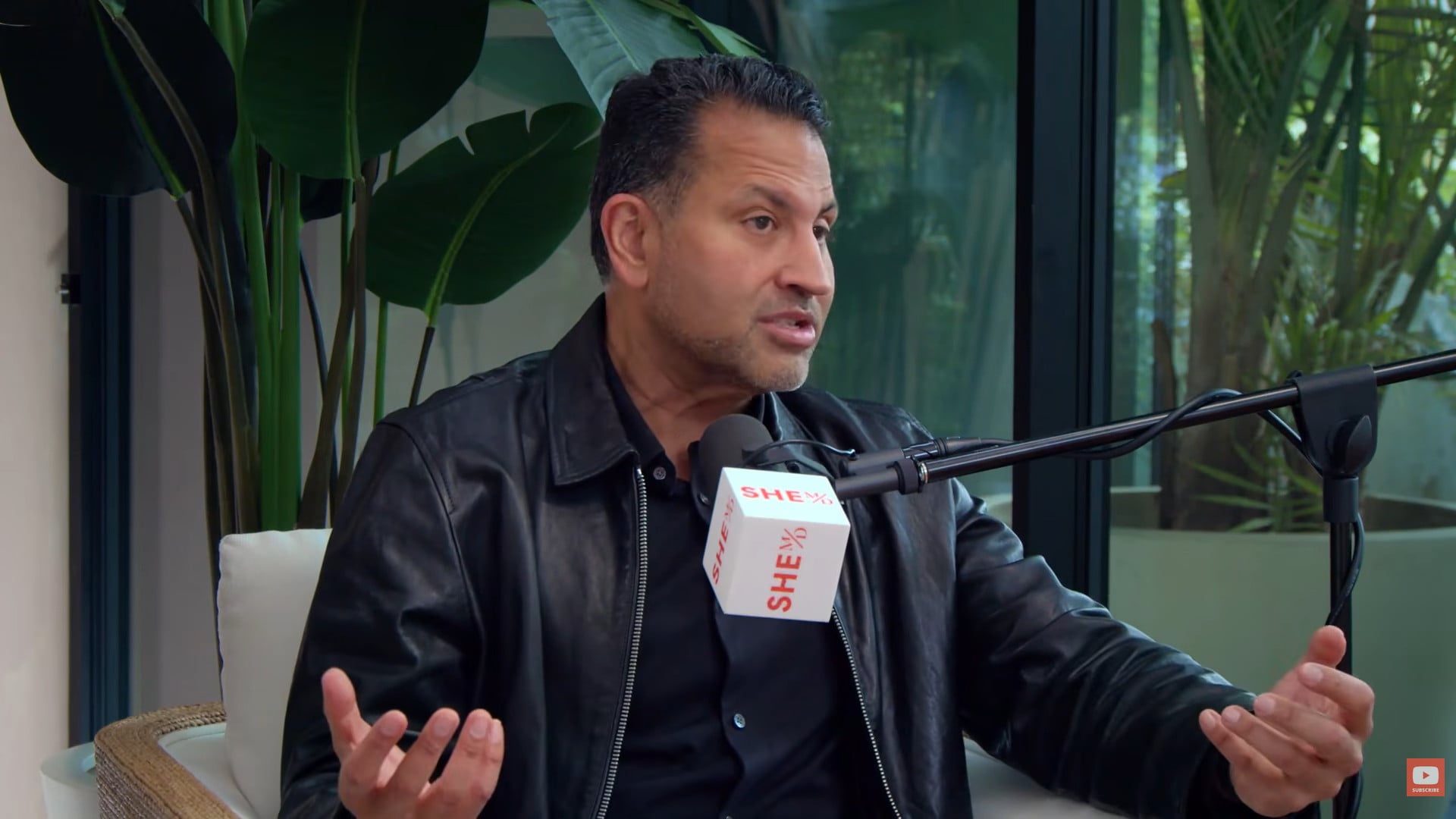
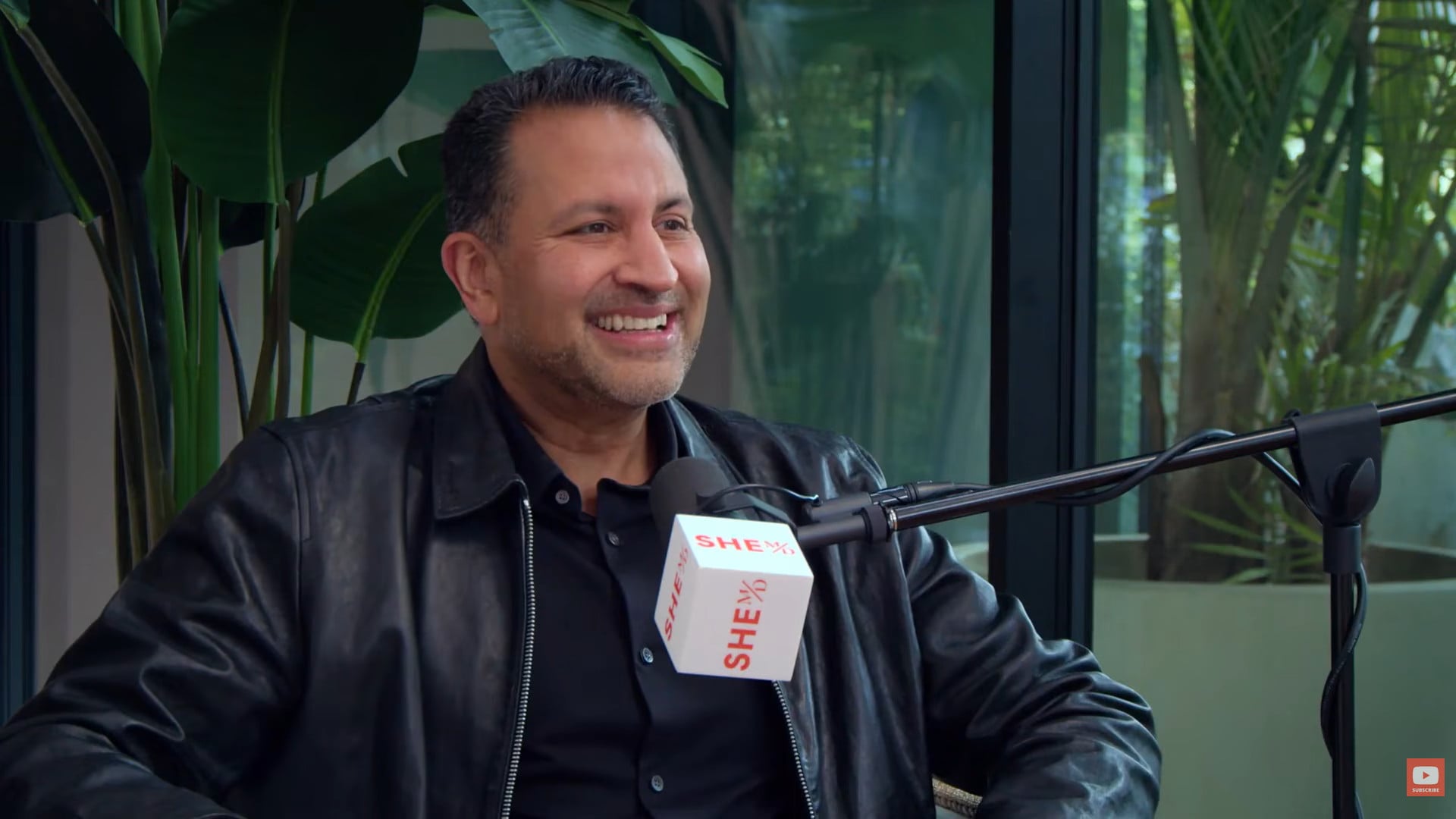
Dr. Darshan Shah joins Dr. Thais Aliabadi and Mary Alice Haney to discuss. We should start with the life we want to live, not simply the age we want to reach. We want to keep our minds, move comfortably, enjoy our families, and participate in life right up to the end. Reaching 100 sounds wonderful, but the meaningful question is how we feel and function along the way.
That is the difference between lifespan and healthspan. Lifespan is how long we live. Healthspan is how much of that time we spend healthy and capable. Our goal is to bring those two closer together.
We can be excited about future science without waiting for a breakthrough. We already have opportunities to identify risk earlier, build strength, improve metabolic health, and address habits that contribute to chronic disease. We cannot promise a particular number of extra years. We can make preserving our quality of life the priority now.
When we begin a preventive health program, where do we start?
We start by measuring, but we do not stop at blood work. Biomarkers include laboratory results, physical strength, balance, and cognitive performance. Together, those measurements give us a more useful picture than a single number or a general impression that we feel fine.
In our practice, we combine blood testing with a physical and cognitive assessment. We also use an AI-supported model, described as a digital twin, to organize information and help personalize our approach. That technology supports the conversation. It does not eliminate the need for clinical judgment.
The point is personalization. We should not assume that the same nutrition plan, exercise prescription, or supplement routine works equally well for everyone.
We also need to separate an extensive clinic assessment from essential care. We do not all need thousands of measurements. We need relevant information, a clear explanation of what it means, and a plan for what we will do next.

Which metabolic health biomarkers deserve a conversation with our doctor?
Metabolic health is about how effectively we use and store energy. It is a major starting point because it connects with so many other aspects of health.
Two measurements we discuss are:
- Hemoglobin A1C: This estimates average blood glucose over approximately three months. An A1C of 5.7% enters the prediabetes range, while 6.5% is a diabetes threshold that requires appropriate clinical interpretation and confirmation.
- Fasting insulin: This can add information about the insulin our bodies need to manage glucose.
In our optimization approach, we discuss A1C values around 5.2% to 5.4% and fasting insulin below 10. Those are practice targets, not a substitute for individualized interpretation, laboratory units, or a diagnosis.
The useful question is not simply whether a result is flagged. We want to understand its direction and what changes in nutrition, movement, and sleep might improve it. A measurement becomes valuable when it helps us make a better decision.
Why do ApoB and inflammation belong in the same cardiovascular conversation?
We want to look beyond a basic statement that our cholesterol is high or normal. Apolipoprotein B, or ApoB, helps assess the burden of particles involved in plaque formation. It gives us another way to understand cardiovascular risk.
But we should not reduce heart health to one laboratory result. We also consider metabolic health and inflammation. High-sensitivity C-reactive protein, usually written as hs-CRP, is one marker we use to assess inflammation and decide whether further evaluation is needed.
We also discuss lipoprotein(a), an inherited cardiovascular risk factor that many people have never been tested for. The broader message is that we should know which risks apply to us before a heart attack or stroke forces the conversation.
Our treatment targets need to reflect our overall risk. Lowering ApoB can be important, but no single ApoB value guarantees that cardiovascular disease cannot occur. Prevention is a coordinated plan, not immunity conferred by one number.
How do hormones fit into a longevity assessment?
We need a wider lens than estrogen alone. Depending on symptoms and history, our assessment may include estrogen, progesterone, testosterone, thyroid function, and cortisol-related concerns.
For women, perimenopause and menopause make this especially important. Sleep disruption, anxiety, brain fog, and changes in physical function deserve attention rather than dismissal. We should connect those symptoms with the rest of our health picture.
Estrogen is an important part of that discussion because of its relationship with multiple tissues, including bone and the brain. But hormone therapy is not automatically appropriate for everyone. A history of breast cancer, for example, can change the decision substantially.
We should seek individualized menopause care, not interpret a single hormone result in isolation or assume hormone replacement is a proven dementia-prevention treatment. For women who cannot use hormones, we still have meaningful work to do through cardiovascular care, metabolic health, exercise, sleep, and mental health support.
What should we do for gut health before buying another probiotic?
We should begin with what we eat consistently. The microbiome is the community of bacteria, viruses, and fungi that lives with us, including within the gut’s mucus layer. Supporting that environment starts with giving it the right inputs.
Our first priorities are straightforward:
- Include fiber-rich foods.
- Include fermented foods when appropriate and tolerated.
- Reduce reliance on ultra-processed foods and excessive sugar.
- Evaluate ongoing digestive symptoms rather than endlessly adding supplements.
We discuss inflammation testing and serum zonulin in our clinical approach, but we should not treat either as a standalone explanation for every gut complaint. A result needs context.
Probiotics are not mandatory for everyone. We are interested in research on organisms such as Akkermansia and in companies that invest in studying their products. L-glutamine also comes up as a possible supportive intervention. Still, the sequence matters: food and habits first, targeted supplementation when there is a reason for it.
How do we evaluate supplements without getting overwhelmed by marketing?
We need to distinguish a popular ingredient from a well-made product. “Microbiome,” “probiotic,” and “longevity” attract attention, and attention attracts businesses. An appealing label does not tell us enough.
We look for research, clarity about ingredients, and information about what is actually in the product. Certificates of analysis and independent evaluation can help us ask better questions about quality.
We also need to ask whether we have a reason to take the supplement at all. Even a high-quality product can be unnecessary for a particular person.
The goal is not to collect the largest supplement routine. We want a manageable plan that fits our diet, laboratory findings, medications, and preferences. Whenever we add something, we should understand what benefit we expect and how we will judge whether it is worth continuing.
What do genetic testing and environmental testing add?
We are interested in information we can act on. Broad genome sequencing can produce a tremendous amount of data without necessarily providing a useful next step.
Our practice focuses on selected genetic variants, often called SNPs, that may inform cardiovascular risk, cancer risk, or other clinical decisions. We discuss tests from 3X4 Genetics, Color, and Invitae because they address different questions.
We also use urine testing for selected environmental exposures, including heavy metals, pesticides, and other chemicals. These are elements of our practice, not a universal shopping list for everyone seeking preventive care.
Before ordering a test, we should ask: What question are we trying to answer? How reliable and useful is the result for that question? What would we change afterward? More testing is not automatically better care. Actionable testing, interpreted thoughtfully, is the objective.
Why does women’s cognitive health need more attention?
Women account for roughly two-thirds of people with Alzheimer’s disease. That alone should make brain health a central part of the longevity conversation, not an afterthought.
We also hear concerns long before a dementia diagnosis: memory lapses, brain fog, anxiety, and changes around menopause. We need to take those concerns seriously without assuming they all mean the same thing.
Family history matters. So can genetic risk, including APOE4. But increased risk is not a diagnosis or a prediction of certainty. Knowing our risk should help us build a plan, not leave us feeling defeated.
Our approach brings together cognitive function, cardiovascular and metabolic health, inflammation, sleep, and hormonal context. We should not separate the brain from the body. The same health issues we address for our heart and metabolism can also be relevant when we evaluate cognitive concerns.
What tools are available to assess cognitive health?
We can look at several different layers rather than relying on memory complaints alone.
In our practice, we discuss blood biomarkers such as p-tau217 and an amyloid ratio. These tests relate to Alzheimer’s-associated biology, but their interpretation and appropriate use require clinical expertise. A changing biomarker is not, by itself, proof that a treatment prevents or reverses dementia.
We also use standardized computerized testing to assess memory, executive function, and reaction speed. Repeating an assessment can help us understand change over time.
Other tools discussed include EEG measurements of electrical activity and approaches to assessing brain blood flow. SPECT imaging and MRA answer different questions: overall perfusion is not the same as imaging individual blood vessels. We also discuss infrared-based technology from Kernel.
These are not interchangeable tests, nor does everyone need all of them. We want a coherent evaluation that connects symptoms, function, risk factors, and appropriate specialist care.

If we are concerned about cognitive decline, what comes before advanced treatments?
We start with the big priorities: nutrition, exercise, sleep, cardiovascular health, metabolic health, and mental health. Those are the foundations, even when advanced technology is available.
We discuss the multidomain approach associated with Dr. Dale Bredesen’s ReCODE program, which addresses multiple potential contributors to cognitive impairment. The useful principle is that we should not expect one intervention to address every contributor. We still need to distinguish promising reports from a guarantee of disease reversal.
Nutrition includes an adequate intake of important nutrients, with attention to omega-3s, vitamin D, and B vitamins when appropriate. Our discussion of foods that support brain health offers another way to keep the focus on everyday eating rather than supplements alone.
We can investigate sophisticated options without making them prerequisites. Lack of access to a longevity clinic does not mean we lack access to meaningful preventive action.
Why are heavy weights the longevity tool we keep coming back to?
Because muscle is not just about appearance. It is central to movement and metabolism, and it acts as an endocrine organ, producing signaling molecules called myokines.
Our practical recommendation in this conversation is strength training at least three times a week. The important distinction is effort. If every repetition feels easy and we never progress, we are not providing much reason for our muscles to adapt.
We emphasize sets in which the final repetitions are genuinely challenging. That does not mean everyone should immediately lift maximal weights or push through unsafe technique. We need to match the challenge to our ability and health status.
The larger point is that a heavy set of weights can deserve more attention than another fashionable longevity purchase. We want to preserve the strength that allows us to move through ordinary life and remain engaged with our families. That is healthspan in practical terms.
Where does VO2 max training fit alongside strength training?
We need cardiovascular fitness as well as muscle strength. VO2 max reflects our capacity to use oxygen during intense exercise, and we use it to help guide training.
We discuss high-intensity interval training three times weekly, with short periods of hard effort separated by recovery. One example is a minute of sprinting followed by two minutes of rest, repeated in intervals.
That is an example of a training structure, not a universal starting prescription. We should adjust intensity, duration, and repetitions to our fitness and medical circumstances rather than jump straight into a demanding sprint session.
Strength training and aerobic training address different needs. We do not have to choose one as the only exercise that matters. The aim is to build a sustainable routine that develops both the muscular and cardiovascular capacity we want to retain as we age.
How should we approach sleep, especially during perimenopause?
We should treat sleep as an ongoing part of care, not something we fix once and forget. Time asleep matters, but so do sleep quality, our routine, and our environment.
We discuss aiming for approximately seven to eight hours and using wearable information to identify patterns. Sleep supports the brain’s clearance processes, which is one reason it belongs in a brain-health plan. Wearable estimates can support a conversation, but we should not turn a nightly sleep-stage score into a diagnosis.
Medication sometimes has a role. Trazodone and dual orexin receptor antagonists come up in our discussion, along with magnesium and L-theanine. We should individualize those decisions with our prescriber rather than label any option universally safest or change a dose ourselves.
We also keep improving the basics. For most of us, the phone does not need to sleep beside us. Our guide to getting a good night’s sleep explores routines and environmental changes we can work on consistently.
How can we reduce environmental exposures without becoming afraid of everything?
We use the Pareto principle as a prioritization tool: focus on a small number of repeatable actions with potentially meaningful benefits. We do not need to overhaul our entire home in a weekend.
We organize the conversation into four areas:
- Air: Consider appropriate air filtration where we spend the most time, especially the bedroom and workplace. Check outdoor air quality when considering ventilation.
- Water: Review our drinking-water filtration. We discuss reverse osmosis and using glass containers.
- Food: Reduce dependence on ultra-processed foods and consider packaging alongside overall food quality.
- Personal care: Review products we use repeatedly. Apps such as Yuka or Think Dirty can prompt ingredient questions, though a rating is not a medical assessment.
We should avoid promising complete “detoxification” or a precise percentage of exposure reduction. The useful idea is habit design. We can choose one manageable change each week, then let that choice become routine instead of making environmental health another source of constant stress.
What should we understand about EECP and hyperbaric oxygen?
We discuss these as advanced modalities, not replacements for foundational care.
Enhanced external counterpulsation, or EECP, uses medical compression equipment coordinated with the cardiac cycle. It is not the same as ordinary compression boots at home. Our interest in the conversation is its potential role in circulation and microvascular health.
Hyperbaric oxygen therapy involves oxygen delivered under increased pressure. Medical systems differ from the lower-pressure home chambers commonly marketed for wellness.
Protocols depend on the condition being treated. During our discussion, a personal experience of temporary blurred vision after an intensive postsurgical course makes an important point: these are medical interventions with potential adverse effects, not harmless upgrades.
We should not interpret a general frequency mentioned in conversation as proof of safety for everyone. Whether either treatment belongs in a cognitive-health plan requires individual evaluation, including an honest discussion of evidence, risks, and alternatives.
How do mental health care, TMS, and plasma exchange enter the discussion?
We should not separate emotional health from brain health. Therapy, working through trauma, positive relationships, time in nature, and meaningful practices all deserve attention. Our discussion of loneliness and health reinforces why connection belongs in preventive care.
Transcranial magnetic stimulation, or TMS, uses magnetic stimulation and has clinical applications in mental health. We discuss Exomind as one device offered in our practice. We also acknowledge that there is no established universal session count for cognitive optimization.
Plasma exchange is a different intervention. Blood components are separated, plasma is removed, and replacement fluid is provided. We discuss the AMBAR study as part of the interest in Alzheimer’s research.
We must distinguish established medical uses from longevity applications. A treatment’s history in hospitals does not automatically establish its benefit for healthy aging or make it a routine dementia-prevention recommendation.
Do sauna and cold plunges deserve equal enthusiasm?
We treat them differently because the evidence is different. We are more enthusiastic about the sauna research discussed in relation to cardiovascular and brain health.
The conversation references hot sauna sessions around 170°F or above for 20 to 30 minutes, with several sessions weekly in the research being discussed. Those figures describe an exposure, not a recommendation for everyone to pursue that heat or duration without considering medical suitability.
Cold plunging has a less certain longevity story. We discuss its use for localized recovery, the invigorating feeling some people enjoy, and theories involving inflammation and cold-shock proteins. We do not have the same confidence about broad systemic or longevity benefits.
There may also be value in learning to manage our response to a stressful stimulus. But if we hate the experience, we do not need to force it simply because it is fashionable. Optional wellness practices should remain optional.
What makes creatine interesting for women, and which supplements make the basic list?
Creatine stands out because it has a substantial research history in muscle performance and strength. We discuss approximately 5 grams daily for muscle-related goals and interest in higher amounts, around 8 to 10 grams, in cognitive research.
We should keep those claims separate. Emerging findings involving cognition or sleep deprivation do not make creatine a replacement for sleep or establish it as a dementia-prevention treatment. Dosing should fit the person and purpose.
Powder can be more practical than pills when a pill routine delivers only a small amount. Product quality still matters.
For a basic supplement discussion, our list includes:
- Vitamin D3 with K2.
- Magnesium.
- An omega-3 supplement.
- Creatine.
- For some people, methylated B vitamins and folate.
That is a starting conversation, not five mandatory purchases. We still need to consider our intake, results, medications, and preferences.
What do we know, and not know, about NAD?
We know NAD is involved in cellular energy metabolism. We also discuss research showing that certain supplementation approaches can increase NAD levels.
The important distinction is between changing a biological measurement and demonstrating a meaningful health outcome. More intracellular NAD does not automatically establish better energy, longer life, or protection from disease.
We discuss IV NAD and oral precursors such as NMN and NR. There is human research, but we explicitly do not have evidence establishing that NAD supplementation extends human lifespan.
That is where we need intellectual honesty. A plausible mechanism can justify further research. It should not become a proven longevity claim simply because the mechanism sounds compelling. We can remain interested while asking what benefit has actually been demonstrated.
How should we think about peptides and the safety of injectable products?
Peptides are short amino-acid chains that can act as biological signals. Insulin and medicines such as semaglutide and tirzepatide show that peptide-based treatments can have major clinical value.
But “peptide” is not a quality certification. We need to distinguish approved medicines from compounded preparations and unapproved products sold for research use. Those categories do not have equivalent evidence or oversight.
We discuss BPC-157, TB-500, and growth-hormone-related peptides, but clinical enthusiasm and personal experience are not substitutes for adequate human safety data. Compounding also does not make an unapproved use FDA-approved.
Our strongest practical message is transparency. We should know exactly what we are receiving, why, where it came from, and what monitoring is planned. A “proprietary” injection should not remain a mystery to the patient or another treating physician.
We should not buy research peptides online and hope for the best. A cancer history warrants particular caution when safety data are missing.
What does personalized monitoring mean when a treatment is still emerging?
We discuss “N of 1” medicine as an individualized approach: define what we are trying to improve, identify a meaningful measurement, and reassess whether the intervention is helping or causing problems.
That principle can apply to a sleep routine as well as a treatment. We should know what outcome we expect rather than continue indefinitely because something sounded promising.
Personal improvement stories can generate questions, but they do not establish that an intervention works for everyone. Our discussion of autoimmune disease includes personal experience, not proof of a general treatment effect. Likewise, considering TB-500 for endometriosis is not the same as establishing safety or recommending it as standard care.
Monitoring matters, but it cannot remove every uncertainty. We need the appropriate specialist involved, particularly when managing an existing disease or considering a treatment with limited evidence.
Where do stem cells and red light therapy fit?
We should be curious without treating these as interchangeable longevity solutions.
With stem cells, sourcing, manufacturing, handling, and transport matter enormously. We discuss cells obtained from a person’s own body and donated umbilical-cord sources. Poor handling can leave a product ineffective, while inadequate manufacturing can create infection and complication risks.
Research interest and reports of benefit do not establish that commercial stem cell treatments extend human life. We should be particularly cautious about traveling for procedures when we cannot independently assess the product or follow-up care.
Red light therapy raises a different quality question. We discuss potential effects involving circulation, nitric oxide, and collagen. But a device emitting visible red light is not necessarily delivering the parameters used in research.
We should examine the manufacturer’s specifications and relevant evidence rather than assume every mask, panel, or bed offers the same benefit.
Can intermittent fasting work against our goals, and what should we prioritize next?
Yes. We can follow a popular eating schedule while unintentionally reducing protein, feeling depleted, becoming more stressed, or eating more later. Fasting may suit some people, but we should judge it by the outcome rather than the label.
That brings us back to the broader message: we do not need the most elaborate routine. We need the right priorities, repeated consistently.
We can begin by understanding our cardiovascular and metabolic risk, taking menopause symptoms seriously, building strength, improving aerobic fitness, protecting sleep, and addressing mental health. We can then use follow-up measurements to refine the plan.
The exciting possibility in preventive medicine is not that we can guarantee freedom from disease. It is that we can stop waiting for disease to become advanced before paying attention. We want more years of participating fully in our lives. A challenging set of weights and a thoughtful conversation with our doctor are excellent places to start.
This interview is educational and is not a substitute for individualized medical advice. We should discuss testing, supplements, medications, and advanced treatments with our medical providers, including their evidence, risks, and suitability for our health history.
Concerned About Your Health? Talk to Dr. Aliabadi
Dr. Aliabadi is an expert OB/GYN who is knowledgeable in all aspects of women’s health and well-being. Dr. Aliabadi and her caring, supportive staff are available to support you through PCOS, endometriosis, menopause, childbirth, infertility, or routine gynecological care. <br><br> We invite you to establish care with Dr. Aliabadi. <br>Call us at (844) 863-6700 or