Acne is one of those issues that can make us feel like we are doing everything right and still losing the battle. Then add perimenopause, menopause, hormones, supplements, makeup, sunscreen, stress, and possible PCOS into the mix, and skin can start to feel less like a routine and more like a mystery.
That is why this conversation matters. Dr. Thais Aliabadi and Mary Alice Haney are talking with Danielle Gronich and Kayleigh Christina about acne that shows up in the teenage years, acne that arrives in adulthood, acne that comes roaring in after stopping birth control, and acne that starts to overlap with concerns about fine lines, barrier health, and aging. The core idea is simple but powerful: we do not have to choose between clear skin and healthy skin.
Table of Contents
- Origin stories and why this work became personal
- The root cause approach to acne
- Acne, aging, and why those two needs usually clash
- PCOS and the skin connection
- How the CLEARSTEM line was formulated
- Supplements, boys with acne, and the clean beauty myth
- Clinical trials, education, and why routine matters more than hype
- Daily habits that help or hurt acne prone and aging skin
- Top practical takeaways
- FAQ
Origin stories and why this work became personal
How did CLEARSTEM begin?
It started with frustration, persistence, and a refusal to accept that recurring acne was just something we had to live with.
Danielle’s experience with acne was intense and long running. It ran strongly in her family, and it did not fade after adolescence the way many people expect. It stayed into adulthood and kept resisting the usual interventions. She cycled through dermatology visits, esthetic treatments, prescription topicals, spironolactone, lasers, peels, and multiple rounds of isotretinoin. Even after all of that, the breakouts returned.
Instead of accepting defeat, she leaned into science. With a background in biology, genetics, immunology, and cellular biology, she began studying skin more seriously. The fastest way to get practical knowledge was to enroll in esthetician school while still working in consulting. What began as a search for answers became a calling. She eventually opened San Diego Acne Clinic and built a reputation for a detailed, root cause approach.
Kayleigh came in from a different angle, but with the same desperation. She had been prescribed birth control as a young teen for acne and mood issues, and later was also put on medication for anxiety. After years on both, she decided to stop them. Not long after, severe cystic acne erupted across her face and neck. She tried elimination diets, integrative health protocols, retail products, drugstore acne lines, home remedies, and anything she could get her hands on.
When none of it worked, she finally considered isotretinoin. Right before starting, one last search led her to Danielle. That changed everything.
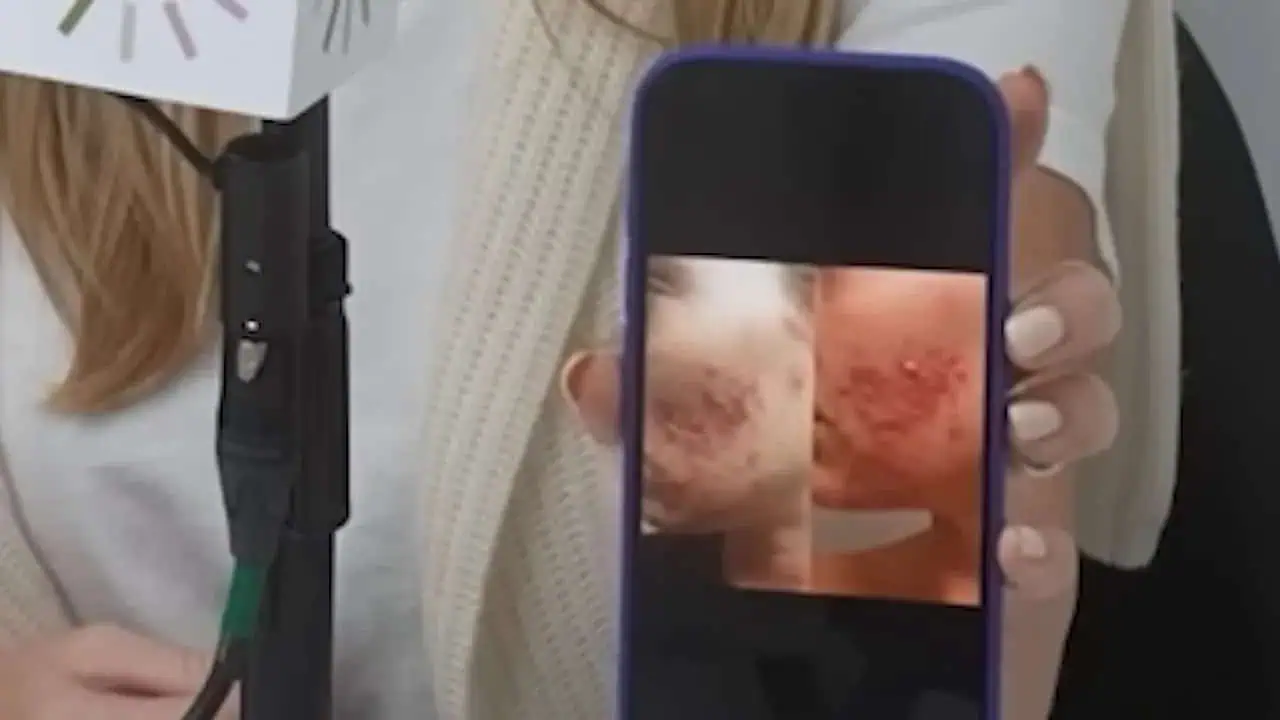
Under Danielle’s guidance, the changes were surprisingly straightforward. She removed pore clogging skincare and makeup, cut back key food triggers, and stopped overusing supplements that were likely pushing hormones in the wrong direction. Within about two months, her skin cleared dramatically.
That experience shaped the heart of the brand. The mission was never just to sell skincare. It was to help people feel seen, especially because acne affects confidence, mental health, and daily life in ways outsiders often underestimate.
Why is empathy such a big part of the approach?
Because acne is not cosmetic in the casual sense people like to pretend it is. It can influence how we show up at work, in relationships, and in our own heads. When we have tried everything and still break out, we do not need judgment. We need clarity.
That is why the CLEARSTEM philosophy is built around education and empathy. People who have struggled with acne often arrive exhausted, skeptical, and overwhelmed. A root cause approach only works well when it is paired with the kind of support that helps us keep going.
The root cause approach to acne
What happens in an acne consultation?
The process is far more detailed than a quick glance at the skin. Danielle described spending about 40 minutes going through lifestyle, skincare, makeup, and supplement use.
Not just the active ingredients, either. The full ingredient list matters. That is a major distinction. Many people focus only on whether a product contains salicylic acid or retinol, while the actual breakout trigger may be hidden in the base, texture agents, oils, or fillers.
They also review supplements and vitamins in detail. Labels matter. Dosages matter. Timing matters. Diet matters. Even caffeine habits and what we consume first thing in the morning can become relevant clues.
What are pore clogging ingredients, and why are they such a big deal?
According to Danielle, if we had to name one issue that drives a huge amount of acne, it would be pore clogging ingredients. This is the foundation of the whole method.
Some ingredients are common in moisturizers, sunscreens, conditioners, and makeup because they are inexpensive, stable, and make formulas feel silky or rich. The problem is that some of them can sit in the pore, harden, and create the environment for clogs and breakouts.
Examples mentioned include ingredients like ethylhexyl palmitate and isopropyl myristate. Even ingredients with a healthy or natural image can be a problem. Coconut oil was one example. Just because something is natural or part of “clean beauty” does not mean it is acne safe.
This is a crucial distinction, especially for anyone trying to treat breakouts with expensive serums while still applying a clogging moisturizer or sunscreen every day. We can have balanced hormones and still keep breaking out if our products continue creating congestion.

What role do vitamins and supplements play?
Supplements are often treated like harmless wellness extras, but this conversation made the opposite case. Some supplements can aggravate acne, especially when they contain very high doses or influence hormones.
Vitamin B12 came up as one potential trigger for some women, especially at extremely high percentages of daily value. Zinc was also discussed as something that can shift testosterone in certain cases. The broader point is that more is not always better. A heavily stacked supplement routine can backfire.
This is especially relevant for anyone deep in a wellness phase, taking powders, green blends, protein powders, adaptogens, and targeted hormone support all at once. Sometimes the skin is reacting not to one dramatic problem, but to a compounded load.
How does diet fit in without creating food fear?
The goal is not lifelong restriction. It is testing intelligently.
Danielle described using elimination periods followed by purposeful reintroduction. Eggs were mentioned as a particularly common trigger, both for her and for Kayleigh. Dairy and gluten also came up as frequent concerns, though reactions differ from person to person.
The key is to remove a suspected trigger for a set period, then bring it back intentionally and see what happens. That tells us far more than guessing.
If hormonal breakouts are part of the picture, it may also help to understand broader patterns behind them. This guide on hormonal acne offers useful background on common triggers and treatment approaches.
Acne, aging, and why those two needs usually clash
Why do acne products and anti-aging products so often work against each other?
Because traditional acne care tends to be drying and aggressive, while many anti-aging products rely on rich textures and filler ingredients that can clog pores.
That creates a frustrating tradeoff. We either use harsh acne products that compromise the barrier, increase irritation, and can make skin more vulnerable, or we use anti-aging moisturizers and oils that feel luxurious but may trigger new breakouts.
This is the space CLEARSTEM set out to address. Their formulas are designed to be both anti-acne and anti-aging at the same time, which sounds obvious in hindsight but has not been the norm in skincare.
They talked about combining known over the counter acne actives such as sulfur and salicylic acid with ingredients that support healing and reduce inflammation, including botanicals and growth factor focused ingredients. The idea is to correct without wrecking the skin.
Why can skin become more acne prone again during perimenopause or menopause?
Because hormones keep shifting throughout life. Teen years are only the beginning.
Hormonal stages can influence where acne appears and how it behaves. Forehead acne in adolescence can later show up along the chin and jawline in adulthood. Pregnancy, breastfeeding, starting birth control, stopping birth control, stress, perimenopause, and menopause can all change the skin’s behavior.
At the same time, our tolerance for certain products can change. Something that caused no issue during one phase of life may become a problem later if our skin becomes more acne prone again.
That is why skin routines often need updating over time instead of being treated as permanent.
PCOS and the skin connection
How closely is acne linked to PCOS?
Very closely in many cases, especially when acne appears along the jawline, is paired with irregular cycles, or shows up with signs of elevated androgens.
During the conversation, Dr. Thais Aliabadi emphasized how underdiagnosed PCOS remains and how often people with acne are dismissed before anyone investigates the underlying pattern. Acne may be one of the first visible signs, but it can sit alongside hair thinning, unwanted facial or body hair, irregular periods, fertility concerns, and metabolic issues.
That matters because treating only the skin can miss the bigger health picture. Acne may be the symptom that gets us to seek help, but it may not be the whole story.
For anyone wondering whether breakouts might be tied to a deeper hormonal pattern, this overview of PCOS is worth reading.
What should estheticians, skincare professionals, and patients look for?
The conversation highlighted a few common clues:
- Irregular or infrequent periods
- Jawline or lower face acne
- Facial or body hair growth
- Hair thinning in a male pattern distribution
- Weight changes or insulin resistance patterns
- Body acne alongside facial breakouts
The point was not that every person with acne has PCOS. It was that acne can be an important gateway symptom, and many people deserve a more complete evaluation than they receive.
Can acne be driven by issues beyond hormones and products?
Yes. Kayleigh also discussed how deeper internal issues can show up in the skin. She mentioned patterns they have seen in lab work involving infections, gut issues such as H. pylori, mold exposure, and heavy metal burden.
The broader takeaway is that persistent acne is rarely random. It often has drivers. Sometimes there are several. Products, diet, hormones, and systemic stressors can all overlap.
How the CLEARSTEM line was formulated
What makes the products different?
The products were built from clinic experience rather than trend chasing. Danielle had years of seeing what people were using, what kept breaking them out, and what textures or formulas people actually enjoyed using.
That matters more than it may seem. A product can have impressive actives on paper and still fail if it smells bad, feels sticky, pills under makeup, or leaves the skin irritated and flaky.
The formulation philosophy included a few core goals:
- Keep formulas free of pore clogging fillers
- Support acne reduction without damaging the barrier
- Add anti-aging benefits into acne friendly formulas
- Make products pleasant enough to use consistently
They also created an acne safe oil, which is unusual because many face oils are too heavy or use ingredients that can trigger congestion. The product came from years of requests by people who wanted something that felt nourishing, absorbed well, worked with makeup, and could be used for facial massage without creating breakouts.

What does the recommended routine look like?
For most acne prone people, they recommend starting by removing pore clogging products first. After that, the basic routine centers around the Clear Kit.
From there, they described a simple structure:
- A gentle physical exfoliation step
- Mandelic acid for chemical exfoliation and pore clearing
- A serum aimed at healing and scar support
- A moisturizer that supports the skin without clogging pores
Mandelic acid got special attention. It was described as a standout option for acne because it helps unclog pores effectively while being less irritating than some other acids. That balance makes it especially appealing for people who need correction without constant peeling.
What about acne scars?
The scar conversation was especially interesting because Kayleigh’s earlier acne was severe enough that lingering pitted scars might have been expected. She credited the Cell Renew serum as a major reason she did not end up with lasting scar damage.
That formula was described as a growth factor focused serum with ingredients chosen to support repair, calm inflammation, and improve skin texture. Microneedling came up as something she later enjoyed for anti-aging, but not as the main reason her scars improved.
Do teens and perimenopausal women need totally different routines?
Not necessarily at the base level. The kit was presented as a good starting point across ages. The difference comes in what we add to it depending on our goals.
For a teenager with active breakouts, a sulfur based spot treatment or mask might make sense. For someone focused more on dryness, fine lines, and menopausal skin changes, the additions might include a peptide serum or the acne safe oil for extra nourishment.
In other words, the foundation stays fairly consistent, while the finishing pieces become more personalized.
Supplements, boys with acne, and the clean beauty myth
What supplement did they highlight most for acne support?
The standout internal product in the conversation was MindBodySkin, described as a supplement intended to support acne prone skin through multiple pathways, including hormone metabolism, digestion, liver support, lymph support, and inflammation.
It includes ingredients such as DIM, B5, vitamin A, turmeric, and glutathione support. Kayleigh described it as life changing for her, especially after years of feeling that nothing worked.
They also noted that for those with PCOS, it may be used alongside PCOS targeted support rather than replacing it.
Do boys and girls tend to have different acne triggers?
Often, yes. The conversation drew a useful distinction.
For boys, acne can be driven heavily by hormones and by food triggers, especially the high protein habits common during training or bulking phases. Whey protein was singled out as a major issue. Eggs and dairy were also named as frequent triggers.
For women, hormones matter too, but product overload is often a larger factor because many of us use more skincare, more makeup, more sunscreen formulas, and more hair products.
This is part of why simplifying a routine can be such a powerful reset.
Does clean beauty automatically mean acne safe?
Absolutely not. This was one of the clearest warnings in the conversation.
Ingredients can be clean by one standard and still be terrible for acne prone skin. Shea butter, coconut oil, algae derived oils, and various rich natural emollients can all sound appealing while still creating congestion for some people.
So the question is not just whether a product is marketed as clean. It is whether the formula is functional for acne prone skin and free of ingredients likely to clog pores.
That is a valuable point for anyone who has switched to “natural” products expecting automatic improvement and then ended up more broken out than before.
Clinical trials, education, and why routine matters more than hype
What did their clinical testing show?
They described testing skincare alone and skincare plus supplements. Both groups improved, but the combination approach performed better, with a particularly strong response in those using both.
What makes that result interesting is that participants were not necessarily receiving the full coaching and lifestyle education people would get through the clinic. So even without extensive hand holding, the system performed well.
That fits with a larger theme from the conversation: products matter, but education multiplies results.
Why do they emphasize education so much?
Because for the first years of the brand, there were very few products. If someone only had one serum, then education had to do the heavy lifting. That meant teaching people about root causes, common trigger ingredients, supplement pitfalls, dietary clues, and how to stop accidentally sabotaging their own progress.
This is a big reason the brand resonates with so many acne prone people. It is not just about what to buy. It is about how to think.
Daily habits that help or hurt acne prone and aging skin
Should we wash our face in the morning and at night?
The answer was more nuanced than a hard yes.
For many people, especially those focused on barrier health and anti-aging, a morning splash with cool water may be enough. That helps preserve moisture and supports the skin barrier. If the products used overnight are acne safe and non occlusive, a full cleanse may not be necessary in the morning.
For oilier skin types or active inflamed acne, especially in teens, a medicated morning cleanse may be more helpful.
At night, cleansing is non negotiable. Makeup, sunscreen, and daily buildup have to come off.
What about makeup wipes?
They were firmly against them. The criticism was twofold: they tend to leave residue behind, and they often encourage rubbing and tugging, especially around the eyes.
A better solution is a cleanser that actually removes makeup well the first time. When we are not fighting our mascara with friction every night, we are helping both acne management and aging concerns.
What are the biggest mistakes people make with water temperature?
Hot water was called out as one of the worst habits. It can inflame the skin, disrupt the barrier, worsen acne, and interfere with scar healing. It also works against anti-aging goals by making the skin more vulnerable and irritated.
Cool or lukewarm is the safer move.

How should moisturizer fit into a routine with Retin-A or vitamin C?
Moisturizer was presented as important for essentially everyone, especially when using a strong retinoid. The reasoning is simple: if a product increases dryness or vulnerability, we need barrier support to keep skin resilient.
Vitamin C in the morning was discussed as something worth letting sit on the skin before layering other products, ideally for a meaningful amount of time if possible.
At night, exfoliating acids should also be given some time on the skin before other steps. They suggested not stacking a retinoid and an acid on the same night, but alternating instead.
One especially practical point came up about tretinoin formulations: the cream version may contain a filler that is problematic for acne prone skin, while the gel version may be a better option for some people.
What about lasers?
This was a cautious conversation. Not all lasers were treated the same, but anything high heat or capable of creating pigment problems or facial fat loss was approached skeptically.
For people with pigmentation issues, melasma tendencies, or skin that hyperpigments easily, heat based treatments can be risky. Gentler options and a personalized approach matter a lot here.
How do they approach rosacea?
With calming ingredients, careful exfoliation, and attention to internal triggers. Mandelic acid was again mentioned as especially useful because it can exfoliate without being overly harsh.
But rosacea was also framed as a condition that often reflects internal inflammation. Alcohol and gluten were named as possible triggers, reinforcing the broader pattern that skin often reflects more than the surface.
Top practical takeaways
If we had to narrow this conversation down to a handful of action steps, what would they be?
- Stop using hot water on the face.
- Audit every skincare, makeup, sunscreen, and hair product for pore clogging ingredients.
- Do not assume clean beauty equals acne safe.
- Consider whether supplements are helping or hurting.
- Test common dietary triggers like eggs, dairy, and gluten methodically instead of guessing.
- If acne is paired with irregular cycles or androgen symptoms, consider evaluation for PCOS or another hormonal issue.
- Protect the moisture barrier instead of trying to dry acne into submission.
- Simplify the routine. More products rarely means better skin.
FAQs
Can acne really be caused by skincare products even if the active ingredients are good?
Yes. A product can contain helpful actives and still trigger breakouts if the base formula includes pore clogging fillers, oils, or emollients. That is why the full ingredient list matters, not just the ingredients highlighted on the front label.
What are the most common food triggers mentioned in the conversation?
Eggs, dairy, and gluten were named as common triggers, though they do not affect everyone the same way. The preferred strategy was temporary elimination followed by a purposeful reintroduction to see what your own skin does.
How is PCOS related to acne?
PCOS can raise androgen activity and contribute to jawline acne, body acne, irregular periods, facial hair growth, and hair thinning. Acne may be one of the first visible signs, which is why it should sometimes prompt a broader hormonal evaluation.
Is clean beauty the same as acne safe beauty?
No. A product can be marketed as clean and still contain ingredients that congest acne prone skin. Natural oils and butters are common examples. Acne safety depends on the specific formula, not the marketing category.
Should everyone wash their face with cleanser in the morning?
Not necessarily. Many people can do well with a cool water rinse in the morning, especially if they used non clogging products at night. Oilier or more acne active skin types may benefit from a gentle or medicated morning cleanse.
Are makeup wipes a good idea for acne prone skin?
They were not recommended. They can leave residue behind and often require too much rubbing, especially around the eyes. A cleanser that removes makeup effectively in one step is usually a better choice.
What was their advice on Retin-A for acne prone skin?
They suggested being careful with strong retinoids, supporting the barrier with moisturizer, and avoiding use on the same night as exfoliating acids. One practical tip was that the gel version may be preferable for acne prone people because the cream version can contain a pore clogging filler.
What was the main skincare philosophy behind CLEARSTEM?
The goal was to create products that treat acne and support healthy aging at the same time. That means avoiding pore cloggers, preserving the barrier, calming inflammation, and making routines simple enough to use consistently.
Concerned About Your Health? Talk to Dr. Aliabadi
Dr. Aliabadi is an expert OB/GYN who is knowledgeable in all aspects of women’s health and well-being. Dr. Aliabadi and her caring, supportive staff are available to support you through PCOS, endometriosis, menopause, childbirth, infertility, or routine gynecological care. We invite you to establish care with Dr. Aliabadi. Call us at (844) 863-6700 or
This article was created from the video Skin Deep: Aging, Acne, and PCOS Skin Issues and Solutions with the Founders of Clearstem | SHE MD for Dr. Thais Aliabadi’s website.