When we are exhausted, inflamed, foggy, stressed, and not feeling like ourselves, it is easy to assume we need a complicated wellness plan. We start looking at supplements, diets, workouts, powders, protocols, and every expensive little thing marketed as the answer.
But sometimes the first thing to address is the most basic: hydration.
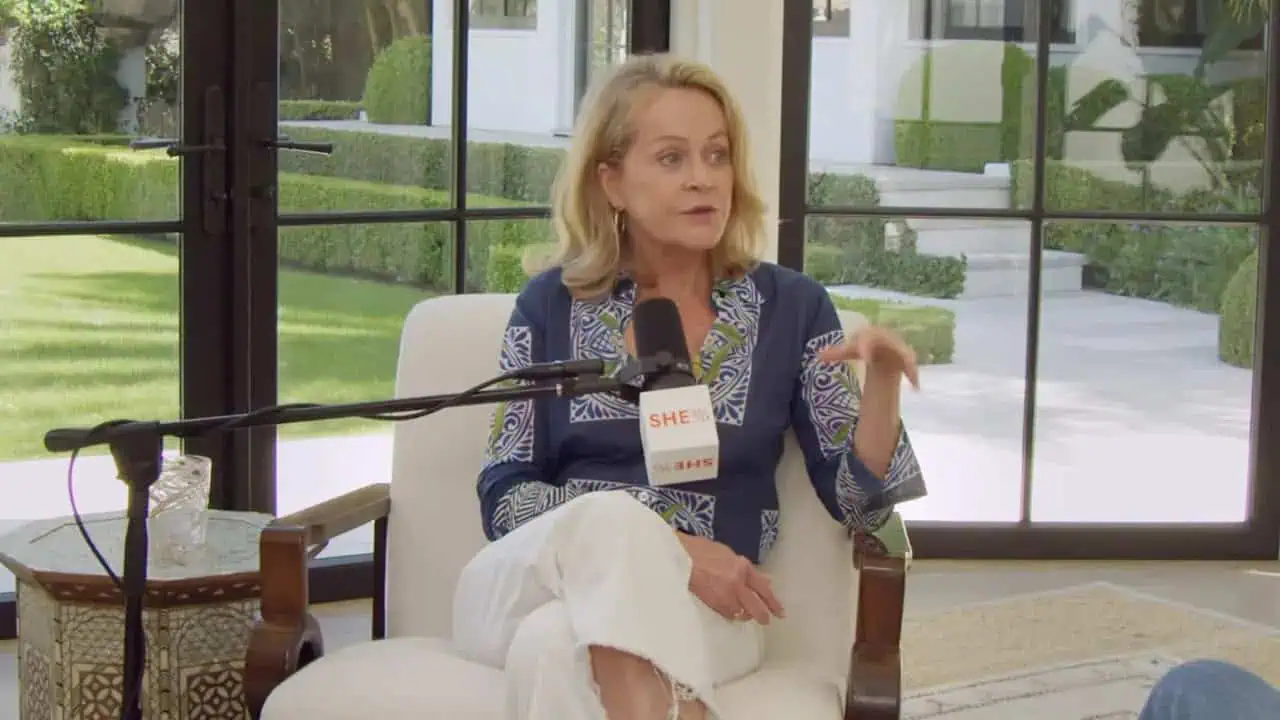
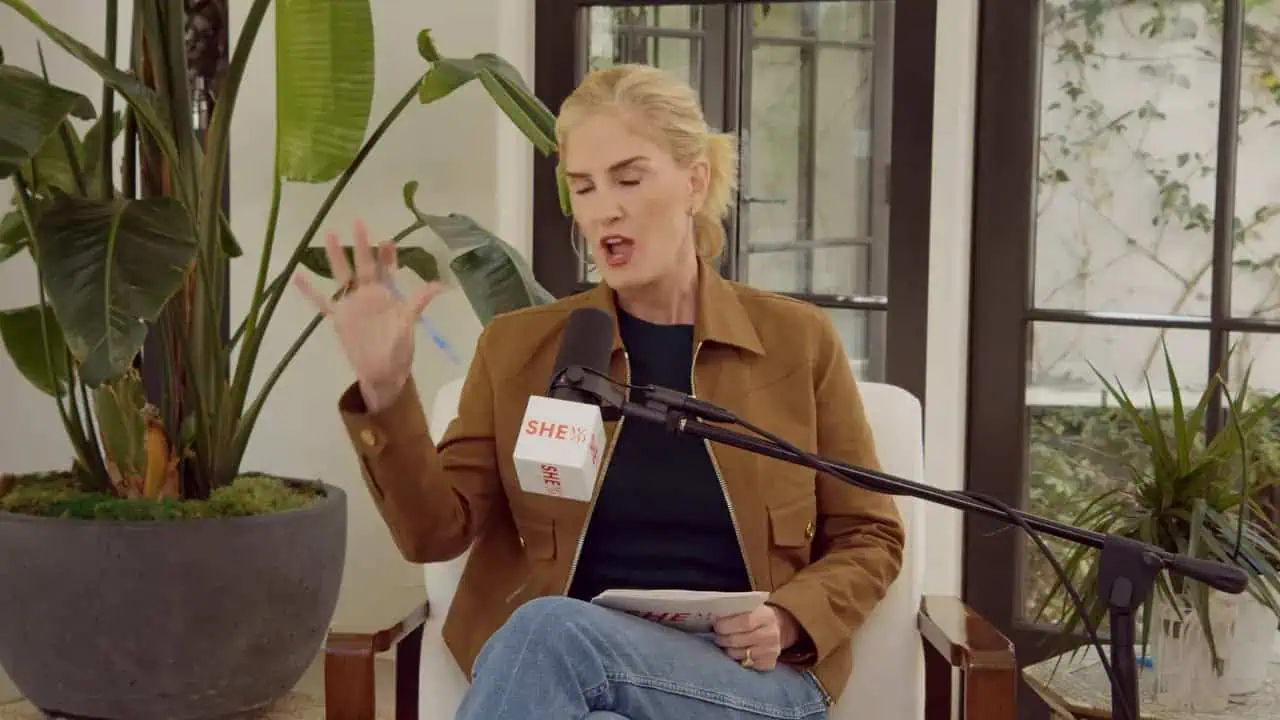
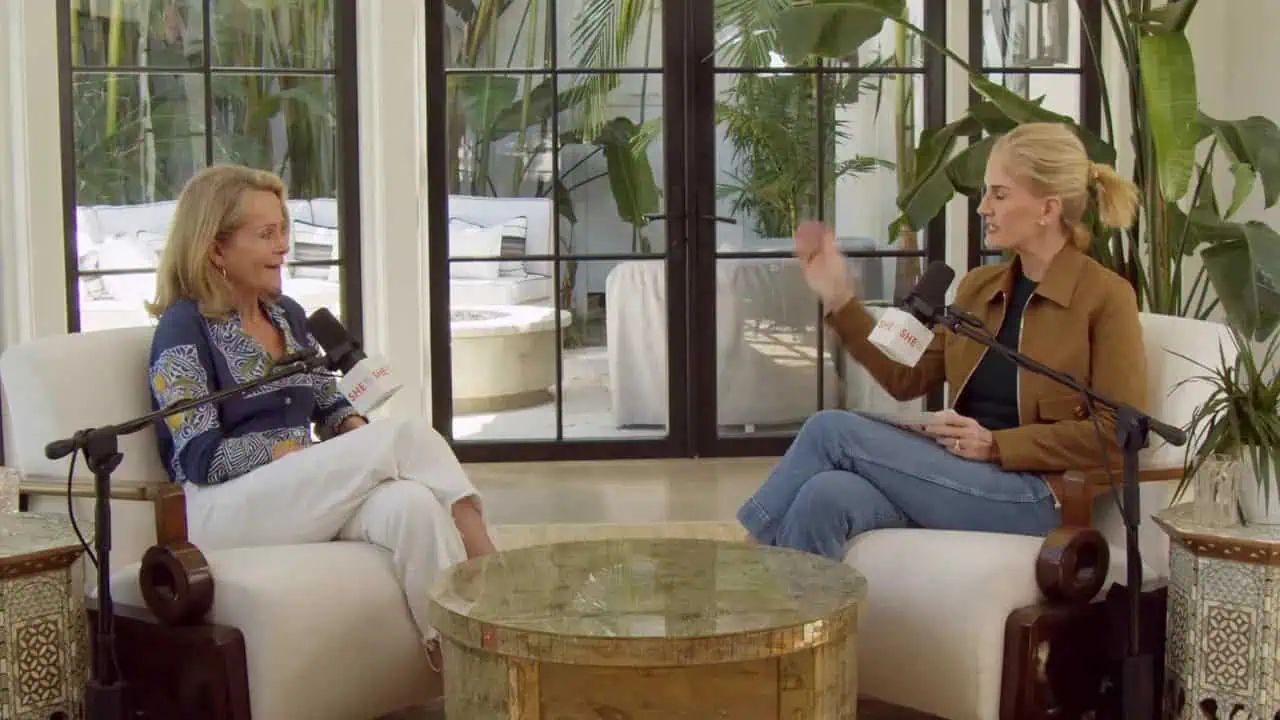
Kristen Coffield, wellness expert, former chef, author of How Healthy People Eat, founder of The Culinary Cure, and creator of the Active Grandparenting Movement, sees water as a foundational practice. Not just something we grab when we are thirsty, but something we can build into the architecture of our day. Kristen joins Dr. Thais Aliabadi and Mary Alice Haney to discuss.
After navigating thyroid cancer while helping care for both of her parents through serious illness, Kristen rebuilt her own health one habit at a time. Hydration was where she began. Here, we talk through what proper hydration can look like, why drinking a lot of water may still leave us thirsty, how food and movement fit into the picture, and why aging can be an opportunity rather than a limitation.
Table of Contents
- Hydration Is Not a Side Habit
- A Practical Morning Hydration Routine
- Building Health Brick by Brick
- Food Is Not a Diet, It Is Daily Information
- Eat for Energy, Then Protect Sleep
- Train for the Life You Want at 80
- Hydration, Hormones, and the First Meal of the Day
- FAQ
Hydration Is Not a Side Habit
You call water the most powerful supplement people ignore. What do you mean by that?
Kristen Coffield: We almost have to think of water as a supplement. When we think about water quality, we want clean, filtered water, and we want to think about replenishing minerals in the water. Water is a nutrient. It is not an afterthought.
We also want to stop thinking only in terms of habits and start thinking in terms of practices. A practice can improve. We sleep, eat, move, drink, and manage our thoughts every day. These are all practices. We are never finished with them, and that is actually freeing.
Hydration is one of the first places to look because it touches so many goals. We may want more energy, stronger bones, better sleep, improved food choices, muscle, stress resilience, or healthier aging. Hydration is a foundational part of all of that.
Why can we drink plenty of water and still feel thirsty?
Kristen Coffield: So many of us live in a dehydrating environment. Dry climates make a difference. Our lifestyles are full of screens and electronic stimulation. Our diets can be heavily processed, and many of us are not eating the quantity and variety of fruits and vegetables that once made up a more regular part of daily life.
But there is another piece: nobody really taught us how to hydrate. Many of us grew up with milk at dinner, juice, soda, or whatever was available. We did not necessarily grow up learning to reach for water steadily throughout the day.
Then we often make hydration an all-or-nothing project. We wake up, drink a large amount of plain water, and wonder why it seems to go straight through us. The goal is not to chug a huge amount at once. It is to develop a repeatable rhythm.
What role do electrolytes play?
Kristen Coffield: Electrolytes are salts and minerals that help water get into our cells. That is why someone can say, “I drink water all day, but I am still thirsty.” They may be drinking water without a supportive balance of electrolytes.
Our tap water has been treated to protect us from waterborne illness, which is important. Many people also filter it. But when we think about water in nature, moving over rocks and through mineral-rich environments, we can understand why adding minerals back into our drinking water may be appealing.
The simple approach is not to buy every flashy electrolyte product on the market. Kristen’s approach is a small pinch of quality sea salt or a small squirt of liquid electrolyte drops in water. She mentioned options such as mineral drops and ancient sea salts, but the big point is simplicity, consistency, and being thoughtful about what we are adding.
Of course, electrolyte needs are personal. Anyone with kidney disease, heart disease, high blood pressure, a condition affected by sodium, or medications that affect fluid balance should talk with a medical professional before routinely adding salt or electrolyte products.
A Practical Morning Hydration Routine
What is your preferred way to start hydrating in the morning?
Kristen Coffield: The first beverage of the day should be water. A simple morning ritual is water with the juice of half a lemon and either a pinch of Himalayan or sea salt, or a small amount of electrolyte drops. We can drink around 8 to 12 ounces to start.
Because lemon is acidic, use a straw to help protect tooth enamel. This is not about creating a perfect wellness ritual that takes an hour. It is about starting the day with a concrete practice that signals, “I am taking care of myself.”
Does coffee have to disappear from the morning routine?
Kristen Coffield: No. Coffee can be enjoyable, and it can support focus. The suggestion is simply to hydrate before coffee and consider waiting around 90 minutes after waking for the first full cup.
We do not necessarily need caffeine to wash our face, brush our teeth, or put on workout clothes. When we delay that full coffee a little bit, we can make better use of the focus benefit when we actually need it. If we exercise early and like a few sips beforehand, that can be a different conversation. This is about being intentional rather than taking away every pleasure in life.
How much water should we try to drink?
Kristen Coffield: People get overwhelmed by a big number like 80 or 100 ounces, but nobody should drink that at once. Break it into an hourly practice. Eight ounces an hour over about 10 hours is a useful way to picture it.
Eight ounces is a cup. It can be a few deliberate sips each hour. We can use simple environmental supports:
- Keep water in sight on the desk or kitchen counter.
- Bring a water bottle in the car, where we are often sitting with nowhere to go.
- Pair water with existing daily transitions, such as after brushing teeth, before meals, or after a meeting.
- Use small amounts of electrolytes as appropriate instead of relying only on plain water.
- Front-load hydration earlier in the day if late fluid intake interrupts sleep.
Kristen’s own target is to complete most hydration by late afternoon, around 5 p.m., then keep the evening lighter. A cup of herbal tea can still fit into a calming bedtime routine.
Sleep and hydration are closely connected. If frequent nighttime urination, thirst, fatigue, or unusual changes in fluid needs are persistent, that is a reason to speak with a clinician rather than simply pushing more water.
Building Health Brick by Brick
Your wellness work came from a very personal season of life. What happened?
Kristen Coffield: Life can become a personal tsunami. It rarely arrives all at once, even though it feels that way. We look up and realize that a decade has passed and so much has accumulated.
In my case, my mother’s breast cancer returned. My father was experiencing neurological decline in Florida. I was the oldest daughter, and we know what that can mean. My marriage was struggling. My youngest child was leaving for college. My dog died. Then I was diagnosed with thyroid cancer.
At some point, we have to recognize what we cannot control and what we can. We cannot control other people’s health. We cannot control every difficult situation. But we can influence our thoughts, the people around us, and what we put in and on our bodies.
That was the beginning. It was not glamorous. It was one sip at a time.
Why was hydration the first step rather than a major diet or fitness overhaul?
Kristen Coffield: When life falls apart, our habits are often the first things to go. There is a little more wine at five. There is a second or third cup of coffee. There is the bagel grabbed on the run. Sleep slips. Movement disappears.
When we feel terrible, a massive overhaul can feel impossible. Hydration is tangible. We can do it even when life is hard. Then we start to feel a little more capable. Maybe we are awake early because we are not sleeping well, so we find a gym. We start moving. We begin doing difficult things again.
That becomes a confidence cycle. When our life is not working the way we thought it would, confidence can go straight into the dumpster. But we do one hard thing, get to the other side, and remember we are capable. Then we do another hard thing.
Rebuilding is rarely one sweeping transformation. It is brick by brick, habit by habit, and choice by choice.
How does hydration connect with stress and inflammation?
Kristen Coffield: Stress and inflammation can behave like wicked stepsisters. They feed each other. We can have an inflammatory lifestyle built from too much caffeine, alcohol, added sugar, artificial ingredients, processed food, poor sleep, and chemicals in products we use on our skin or in our homes.
Hydration does not solve every health issue, but it can be a first stabilizing practice. When we feel better, we are more motivated. When we are motivated, we keep doing the things that support feeling better.
That is why we do not need to wait until we have mastered every wellness pillar. We start with one practice we can repeat tomorrow.
Food Is Not a Diet, It Is Daily Information
You are known for an anti-diet approach. What does that mean in real life?
Kristen Coffield: We have moved far away from intuitive eating. Food has changed dramatically in the past several decades, and convenience foods have made it easy to eat the same handful of things over and over again.
We can get our favorite foods all year long, from almost anywhere. But our bodies benefit from diversity. We are designed to eat a wide range of foods, to enjoy foods in season, and to benefit from the traditional ways food was preserved, including fermentation and canning.
The issue is not that we can never have chicken nachos or candy. We are allowed to have food that is fun. The question is whether it is an occasional experience or the thing we do every night. Food gives us feedback. We know the difference between waking up after a night of highly processed, sugary food and feeling great after a meal with vegetables, grains, and protein.
What nutrient do you think many of us are missing?
Kristen Coffield: Fiber. We are often not eating enough variety, enough plants, or enough foods that support regular digestion and fullness.
One simple fiber blend is equal parts ground raw flaxseed and hemp hearts. Add a teaspoon to a glass of water a couple of times per day. If weight loss is a goal, it can be used in water around 30 minutes before a meal to support fullness. It can also be a simple way to add more fiber to the day.
As with any increase in fiber, start gradually and drink adequate fluids. People with digestive disorders, swallowing concerns, or medical nutrition needs should get individualized guidance.
How can we make food choices easier at home?
Kristen Coffield: The kitchen controls so much of our health. We want it to be a clean zone, a joyful place, and a space that makes the better choice the easy choice.
Try these kitchen reset principles:
- Clear the counters. A less cluttered kitchen can feel calmer and easier to use.
- Do not bring the enemy home. If there are foods we know make us feel lousy and we cannot stop eating them when they are around, we do not need to stock them regularly.
- Fill the refrigerator with food we genuinely enjoy. Wellness does not require punishing food. Keep nourishing options that we actually want to eat.
- Upgrade the basics. Good olive oil, quality salt, fruits, vegetables, grains, and protein make simple meals feel better.
- Think of food as support. Water is a nutrient. Food is a nutrient. The kitchen is the origin point of daily wellness.
We do not need a perfectionist food identity. We need a kitchen that supports the life we want to live. For more practical ideas about balanced, sustainable weight goals, see this guide to healthy weight loss.
Eat for Energy, Then Protect Sleep
What does eating for energy look like?
Kristen Coffield: First, hydrate. Then think about spreading protein throughout the day rather than leaving it all for dinner. So many women have received poor information about calories over nutrients, and many skip breakfast entirely.
Fruit can be especially useful in the first half of the day, when we are more likely to use those natural sugars as fuel. For the first meal, aim to include fiber, fat, and protein. That combination is intended to support steadier blood sugar and a more grounded start to the day.
If fasting is something we want to explore, Kristen’s approach is reverse fasting: eat earlier in the day and stop eating earlier at night, rather than skipping the morning meal and arriving at the end of the day starving.
What is your most important advice for better sleep?
Kristen Coffield: Consistency. Many people push past the time when they are sleepy, get a second wind, and then call themselves night owls. We want to work with our body rather than override it.
Create a regular sleep and wake rhythm. Build a wind-down routine. The early portion of the night is especially valuable, so work toward being asleep by 11 p.m. rather than endlessly pushing bedtime later.
A bedtime practice can be wonderfully low-tech:
- Hydrate earlier in the day so we are not overdrinking at bedtime.
- Read a physical book or listen to something calming.
- Keep the phone out of bed.
- Do not check the time on the phone during a middle-of-the-night wake-up.
- Make the bedroom a place that signals rest rather than stimulation.
Kristen also likes magnesium glycinate as an evening supplement and suggested beginning around 400 mg, while emphasizing the importance of choosing high-quality products. Supplement use should always be individualized, especially for people with medical conditions, pregnancy, or medication interactions. Sleep disruption during perimenopause and menopause is extremely common, and persistent concerns such as hot flashes, snoring, or insomnia deserve medical attention. Our resource on menopausal sleep disorders can help identify when to seek further support.
Train for the Life You Want at 80
What is active grandparenting?
Kristen Coffield: Active grandparenting is a way of thinking about aging before we need to. We do not shrink with age. We can grow, become stronger, and decide how we want to show up for the people we love.
Grandchildren are a wake-up call. They may start tiny, but suddenly we are getting up and down from the floor, carrying them up stairs, lifting strollers, loading suitcases, and moving quickly when they take off toward something unsafe.
We can ask ourselves practical questions:
- Can we get up and down from the floor?
- Can we lift a suitcase into an overhead compartment?
- Can we carry something heavy in both hands across a room?
- Can we climb stairs while carrying a child?
- Can we run after a child if necessary?
- Can we stay mobile enough to travel, hike, walk, ski, or simply enjoy our neighborhood?
Those are not vanity questions. They are life questions. Bone decline begins in our 30s, so it is worth asking early: what do we want to be able to do at 70, 80, and beyond?
Where should someone begin with movement if they have been inactive?
Kristen Coffield: Start where you are. It is never too late. Functional movement is the key because it reflects what we do every day.
That can mean sit-to-stand repetitions from a chair, squats adapted to our ability, lifting weights, using resistance bands, walking more, and carrying weight safely. The farmer’s carry is a great example because it prepares us to carry real things in real life.
We do not have to earn the right to move by already being fit. We get stronger by beginning. The body can change remarkably quickly when we give it a consistent reason to adapt.
For women concerned about changes in metabolism, muscle, and body composition through midlife, it can also be helpful to understand menopause and weight gain. The goal is not punishment. It is building a body that supports a bigger, more engaged life.
What is the mindset shift that changes healthy aging?
Kristen Coffield: We get to age. That is a privilege. Age is a number, but it does not tell the story of what is still possible for us.
Instead of obsessing over the number, ask what we want to do. Then train for it. One person’s 80-year-old marathon may mean walking around the neighborhood. Someone else may want to ski, hike, travel, or play on the floor with grandchildren. The destination is personal, but the training principle is the same.
The only real limitation is often what we are unwilling to do. Trying the gym can feel intimidating. Learning new technology can feel intimidating. So can starting a new morning routine. But courage grows every time we take an awkward first step and realize we survived it.
Hydration, Hormones, and the First Meal of the Day
How are hydration and hormones connected?
Kristen Coffield: Women have a particularly tricky hormone landscape, especially through perimenopause and menopause. When we are underhydrated, our hormones have to work harder. That adds another stressor to a system already affected by stress, inflammation, sleep, food choices, and life transitions.
We often underestimate how connected hydration is to metabolic processes. If we are trying to understand why we feel off, it is much easier to assess the bigger picture when we have the foundational practices in place.
If we feel overwhelmed and our health is off, what is the first action to take today?
Kristen Coffield: Hydrate. Start there.
Get the hydration practice in place, then give attention to fiber, fat, and protein at the first meal. That is the beginning of a steady, supportive day. We do not have to solve every issue before breakfast. We can drink our water, eat a balanced meal, move a little, and build from there.
Front-load hydration. Take a walk. Keep food simple. Create a sleep routine. Do one thing that helps us remember we have agency in our own life.
FAQs
What is the biggest hydration mistake?
Thinking that hydration is only about drinking a large quantity of plain water. Kristen’s approach focuses on clean water, appropriate minerals or electrolytes, and steady intake across the day.
How can we remember to drink water consistently?
Break it into small hourly goals, keep a bottle nearby, take water in the car, and attach drinking water to routines that already happen every day. Consistency matters more than a single huge intake.
Should everyone add salt or electrolytes to water?
No approach fits everyone. People with health conditions or medications that affect sodium, kidney function, blood pressure, or fluid balance should consult a qualified medical professional before routinely using electrolyte products or adding salt.
What are easy ways to get more fiber?
Eat a wider variety of plant foods and consider Kristen’s simple mix of equal parts ground raw flaxseed and hemp hearts. Start slowly, pair fiber with adequate fluids, and adjust based on individual digestive needs.
What type of exercise supports active aging?
Functional movement is a strong place to start: walking, sit-to-stands, squats adapted to ability, resistance bands, weight training, and carries. The best program is one that helps us practice the movements needed for the life we want to keep living.
What is the most underrated wellness habit?
Hydration. It is free, simple, and foundational, but it still requires practice. When we commit to it consistently, it can become the first brick in rebuilding energy, confidence, and resilience.
Medical note: This conversation is educational and is not a substitute for individualized medical advice. Consult a qualified healthcare professional for persistent thirst, fatigue, sleep problems, hormone concerns, or before making changes to supplements, sodium intake, diet, or exercise.
Concerned About Your Health? Talk to Dr. Aliabadi
Dr. Aliabadi is an expert OB/GYN who is knowledgeable in all aspects of women’s health and well-being. Dr. Aliabadi and her caring, supportive staff are available to support you through PCOS, endometriosis, menopause, childbirth, infertility, or routine gynecological care. We invite you to establish care with Dr. Aliabadi. Call us at (844) 863-6700 or
This article was created from the video The Hydration Mistake Keeping You Tired, Inflamed & Unhealthy | SHE MD for Dr. Thais Aliabadi’s website.