There are very few people who can talk about motherhood, resilience, reinvention, health advocacy, family business, and personal reinvention all in one breath and make it feel completely natural. Kris Jenner can.
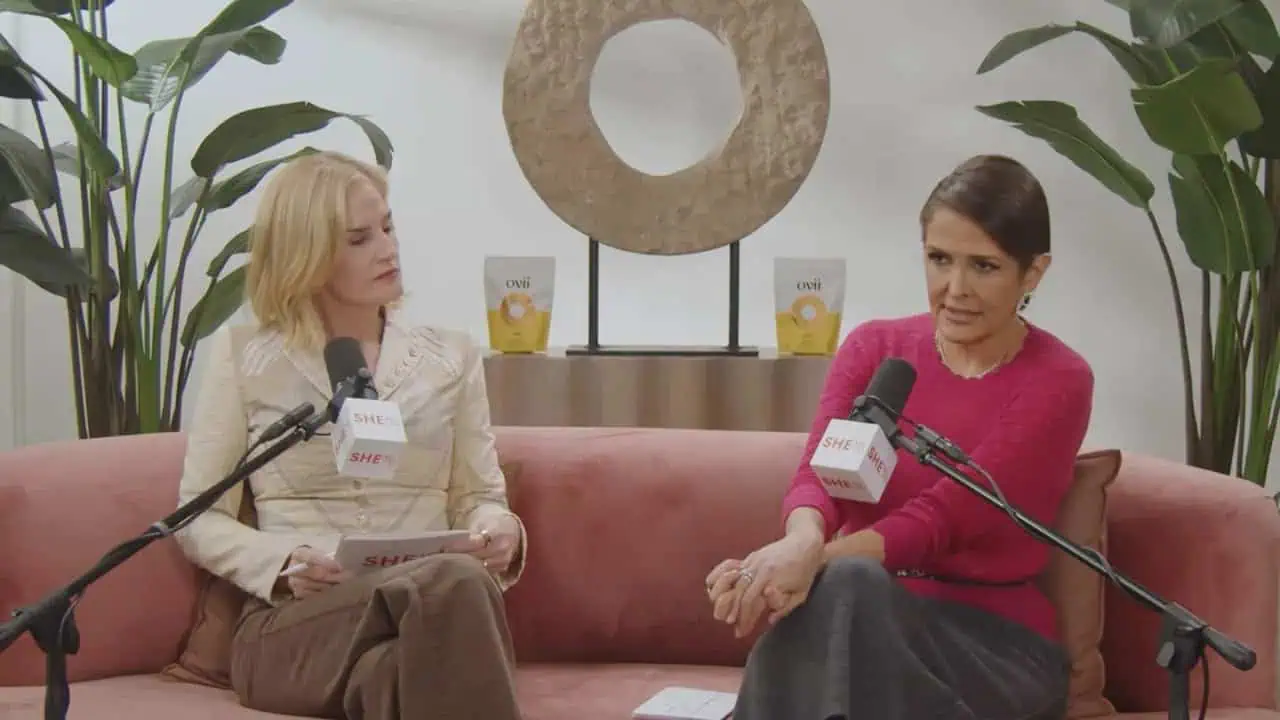
In this Mother’s Day conversation, Dr. Thais Aliabadi and Mary Alice Haney sat down with Kris Jenner for a candid, funny, emotional, and surprisingly practical discussion about what it really means to build a life step by step. We talked about raising six children, starting over after divorce, learning financial literacy later than she wished she had, working with family, proactive women’s health, and the reality that even the most capable mothers still have moments when they go cry in the shower and then get back up and solve the problem.
What came through most clearly was this: Kris does not separate motherhood from purpose. For her, family is not a phase. It is the center of everything.
Table of Contents
- Motherhood First, Always
- From Stay-at-Home Mom to Working Mother
- Learning Financial Literacy the Hard Way
- Early Confidence, Work Ethic, and the “Do It Well” Philosophy
- On Health, Hysterectomy, and Being Proactive
- Why She Said Yes to Reality TV
- How Kris Handles Hard Times
- The Power of Women Supporting Women
- Working With Family and Staying Close
- Her Routine, Health Habits, and Energy
- It’s Never Too Late to Start Over
- Mother’s Day Wisdom from Kris Jenner
- FAQ
Motherhood First, Always
What was motherhood like for you at the beginning, and how did it change from your first child to your sixth?
Kris was refreshingly honest about the early years. When she became a mother for the first time, she was not stepping into some glamorous, fully formed role. She was learning in real time, just like everyone else.
As she put it, when your children are little, you are mostly trying to “take care of their knees and keep them alive.” That line says a lot. The myth of the naturally perfect mother falls apart pretty quickly once you bring a baby home. There is no instruction booklet. There is no magical switch. There is just love, exhaustion, instinct, trial and error, and a lot of figuring it out as you go.
With her first child, Kourtney, Kris had some help for about ten days, which she remembered as a huge gift. After that, she rolled up her sleeves and became a full-time mom. She described those years as the best experience of her life.
Then came Kim, only 18 months after Kourtney. That shifted everything. Kris joked that one child is manageable, but two is like twenty. Once more, children arrived, and life became a full-on juggling act. There were preschool runs, music classes, mommy-and-me groups, gym classes, babysitters here and there, and the beautiful chaos that defines family life.
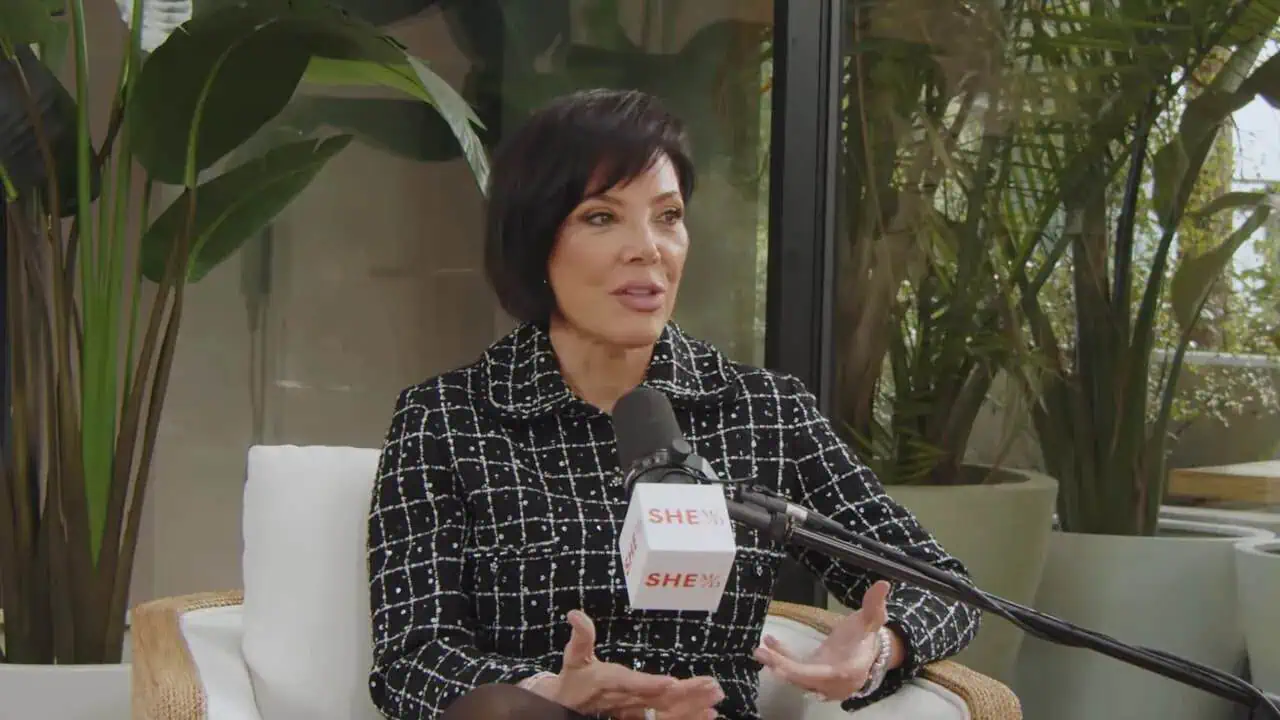
What is especially striking is that Kris does not romanticize motherhood by pretending it was easy. She remembers the fatigue, the pressure, the isolation of the era before smartphones and search engines. If you wanted advice, you called someone and waited by the phone. If you needed reassurance, you had to find it the old-fashioned way.
And yet, she still talks about that chapter with enormous warmth. Those were simple days, she said, and they mattered. Not because they were easy, but because they were foundational.
Were you a strict mom?
Not particularly, at least not in the traditional sense.
Kris shared that when her children were teenagers, a friend once criticized her for being too friendly with them. Her response was classic Kris. She did not have six children just to shove them out the front door at 18 and call it done. She saw them, and still sees them, as her people. Her life’s work. Her heart. Her legacy.
That perspective changes everything.
For Kris, motherhood is not a role with a beginning, middle, and end. It is eternal. The relationship evolves, but it does not expire. That is why she rejects the idea that closeness with your children somehow weakens authority. She built a family culture rooted in presence, affection, humor, and deep involvement.
That does not mean there were no bad days. She is clear that there were. But even the difficult moments were part of building a lasting bond.
From Stay-at-Home Mom to Working Mother
When did your identity begin to shift from full-time mom to businesswoman?
The big turning point came after the divorce.
Kris said that when she found herself divorced with four young children, she knew she was going to have to work. And rather than approaching that with defeat, she approached it with determination. She was excited by the challenge of starting a new chapter. Working made her feel strong, capable, and responsible. It gave her confidence.
What is important here is that she did not begin with a grand master plan. She did not know exactly what her career would look like. She simply knew she had to go out into the workforce and figure it out.
That is a powerful message for women who feel behind, uncertain, or unprepared. Reinvention often does not start with clarity. It starts with necessity and courage.
Kris also reflected on timing. Her children were at the perfect age to absorb what they were seeing. They watched their mother go to work, solve problems, remarry, manage careers, and become a boss. In many ways, that was the education. They did not need a lecture about female ambition. They lived inside an example of it.
Did your daughters learn ambition from you, or did you learn it from the women before you?
Both.
Kris grew up watching her mother and grandmother work. She saw them move between work and home with confidence. At work, they were in charge. At home, they were mothers and grandmothers. There was no contradiction in that.
She carried that blueprint into her own life, and her children inherited a version of it, too.
It is one of the clearest themes from this conversation: children do not just hear what we say. They absorb how we live.
Kris’s daughters did not simply grow up around success. They grew up around female capability. Around women who took responsibility, learned quickly, adapted, earned, and led.
Learning Financial Literacy the Hard Way
How did divorce change the way you understood money and responsibility?
This was one of the most useful parts of the conversation because Kris was very honest about what she did not know.
During her first marriage, her husband handled the finances. He was smart, responsible, and careful. The bills were paid. The household ran. But Kris admitted that after the divorce, she realized she had not been as financially informed as she should have been.
She remembered being asked something as simple as how much her gardener cost, and not knowing the answer. That moment was deeply disappointing for her.
Instead of staying embarrassed, she used it as a wake-up call.
She educated herself. Slowly. Thoroughly. This was long before Google made everything instantly searchable. Learning required effort. Research meant phone books, calls, asking questions, and paying close attention.
What she came to understand was not just how much things cost, but how money flows through a life: how it is spent, invested, allocated, and used with intention.
That lesson matters for every woman, whether she works inside the home, outside it, or both. Financial literacy is not optional self-improvement. It is a form of self-protection and self-respect.
And as Kris made clear, it is also something children can learn simply by watching how we handle our lives.
Early Confidence, Work Ethic, and the “Do It Well” Philosophy
Were you always as confident as you seem now?
Kris believes she was. Not in an arrogant way, but in a grounded, solution-oriented way. She described herself as confident, curious, and eager to learn. She did not carry an attitude so much as an assumption that if something needed to be done, she could figure it out.
That mindset was shaped early by work.
She worked for her grandmother in a candle store and for her mother in her shop. While friends were at the beach during summer break, Kris was learning to wrap gifts, work a register, clean up, and handle customers. Her grandmother taught her a simple rule that clearly stayed with her for life: whatever you are doing, do it to the very best of your ability, and keep doing it until you get it right.
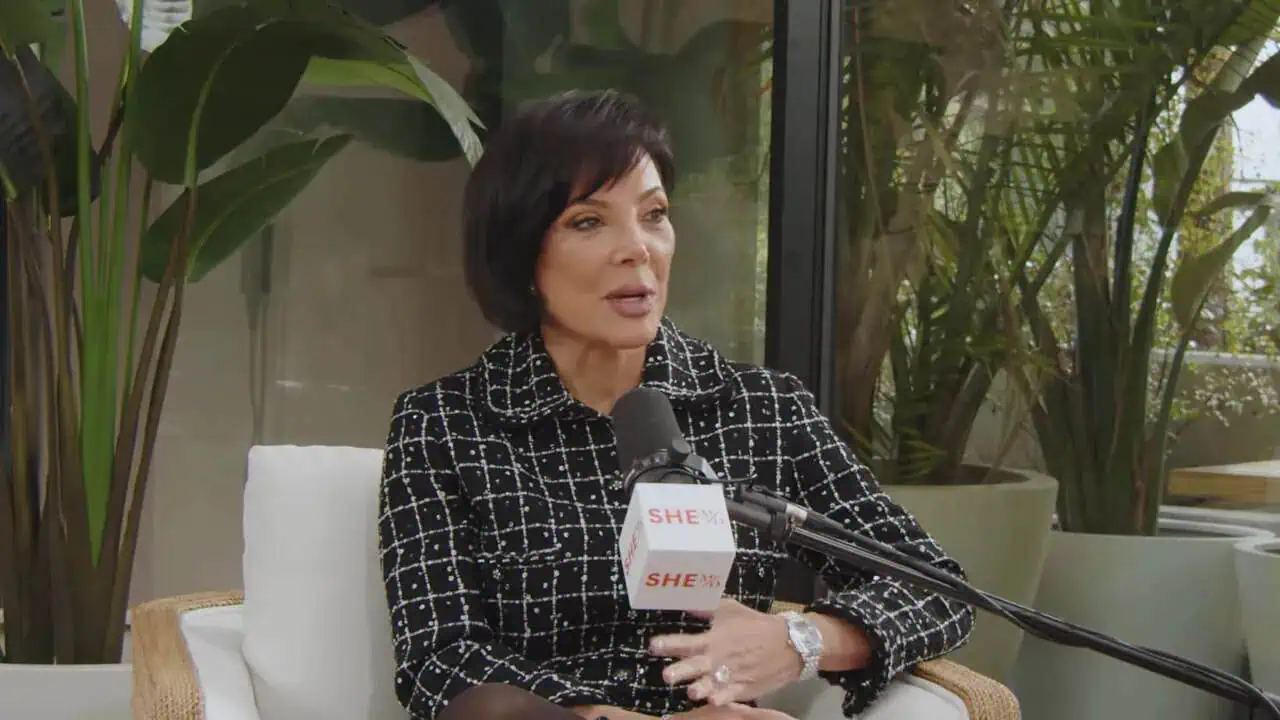
It did not matter if the task was glamorous. Gift wrap mattered. Scraping glaze off the floor at a donut shop mattered. Showing up mattered. Responsibility mattered.
That is a big part of Kris Jenner’s business philosophy even now. Excellence is not reserved for major milestones. It is practiced in small jobs repeatedly until it becomes your standard.
On Health, Hysterectomy, and Being Proactive
Can you talk about the health journey that led to your hysterectomy?
Kris spoke openly about her hysterectomy and the trust that made that decision easier. She had undergone a preventive full-body scan that revealed a very small spot on her ovary. Her doctor, Dr. Thaïs Aliabadi, monitored it. The following year, it had grown slightly.
That was enough to move from observation to action.
Dr. Aliabadi explained an important point for women after menopause: unlike in younger women, ovarian cysts after menopause are not something to dismiss casually. Functional cysts are common before menopause because ovulation is happening regularly. After menopause, the ovaries are not supposed to be producing those kinds of changes. If something is growing, it deserves attention.
For anyone trying to better understand the difference between benign cysts, complex masses, and what workup may be needed, this overview on ovarian cysts and pelvic masses is a helpful resource.
Dr. Aliabadi shared that an experience during her medical training left a lasting impression on her. A postmenopausal patient once presented with a small ovarian cyst that was expected to be followed conservatively, but within weeks, it had advanced dramatically. That experience shaped her instinct to act quickly if a postmenopausal ovarian lesion changes or grows.
In Kris’s case, surgery was scheduled to remove the concerning area. Then, the night before, the plan evolved. Rather than remove only part of the issue and risk needing another surgery later, depending on the pathology, they discussed removing the uterus as well. Kris had a moment of pause, understandably. As she put it, “So we’re taking out an organ?”
But then she recognized the broader picture. She no longer needed that reproductive system for fertility, and she wanted to reduce future medical risks. She trusted her surgeon. She chose the more definitive route and later said it was the best decision she ever made.
If you are researching this procedure in more detail, including laparoscopic approaches and recovery, this page on hysterectomy options and care adds useful medical context.
What is the difference between a hysterectomy and removing the ovaries?
This confusion comes up all the time, and the conversation handled it clearly.
- Hysterectomy means removing the uterus.
- Oophorectomy means removing the ovaries.
- Salpingo-oophorectomy means removing the fallopian tubes and ovaries.
These are not interchangeable terms, and they matter because the hormonal consequences differ depending on what is removed and at what stage of life.
For women who are already postmenopausal and on hormone replacement, removing the ovaries may not change hormone needs much. For women in perimenopause or still cycling, removing the ovaries can trigger surgical menopause and often requires a different hormone management plan.
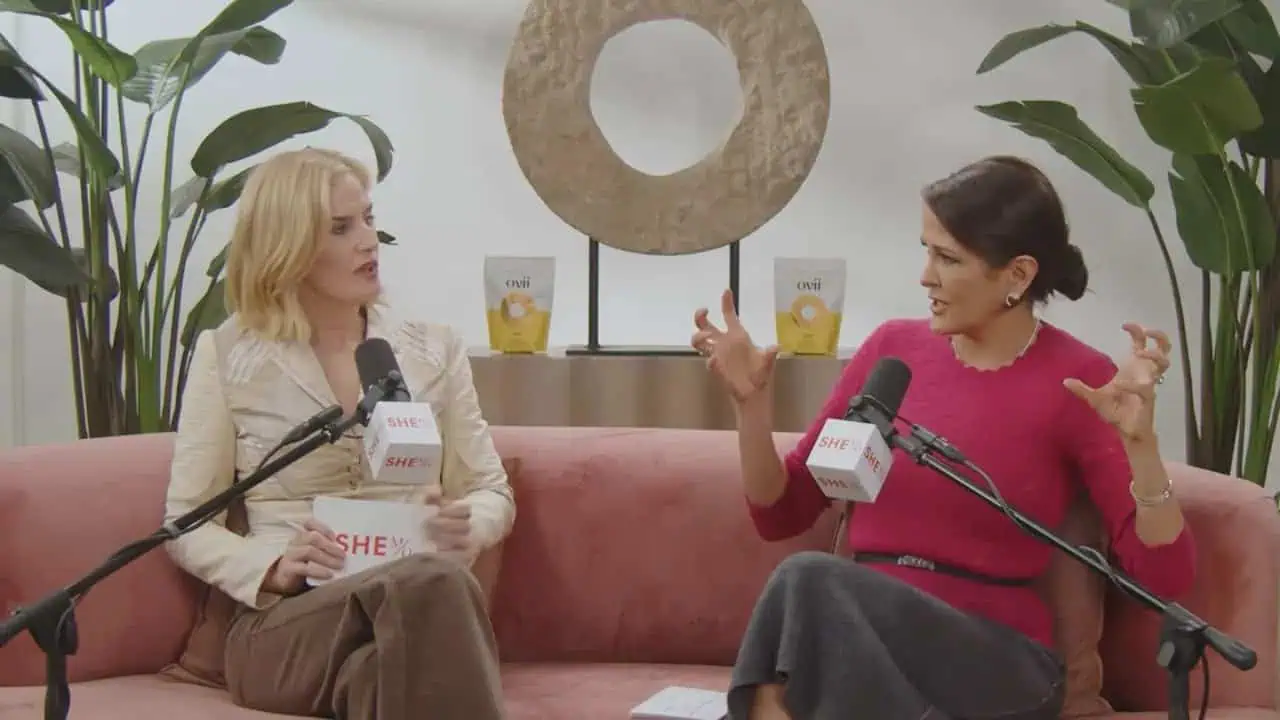
What is your health philosophy now?
Kris’s answer was simple and smart: pay attention.
Her non-negotiable is not ignoring signs, skipping scans, or avoiding medical care because of fear. She has become a strong advocate for preventive care and routine check-ins. She gets regular blood work, tracks her hormones, and believes strongly in not waiting until something becomes a bigger problem.
She also talked about the importance of balanced hormones, especially after 45, and how much that changed her understanding of energy, mood, and well-being. For women navigating this stage, education matters, and trusted information on perimenopause and menopause can make a real difference.
Kris also emphasized a broader truth that extends beyond celebrity medicine and elite access: taking care of yourself starts with paying attention to your own body and getting help as soon as you sense something is off.
Why She Said Yes to Reality TV
Why bring cameras into your family life?
Kris’s answer was surprisingly straightforward. At the time, she said yes to reality television because she needed to keep the lights on.
That practical answer matters. What later became a cultural phenomenon and a global family brand began as an opportunity that solved a real financial need.
At the time, Kris and Kourtney were working in their children’s store, Smooch. The older girls were involved in Dash. The family was already entrepreneurial. So when the chance came to create a show, Kris saw not just exposure, but leverage. She thought the global platform would help their businesses. She thought they would sell a lot of T-shirts. She was thinking like a producer and a marketer from the beginning.
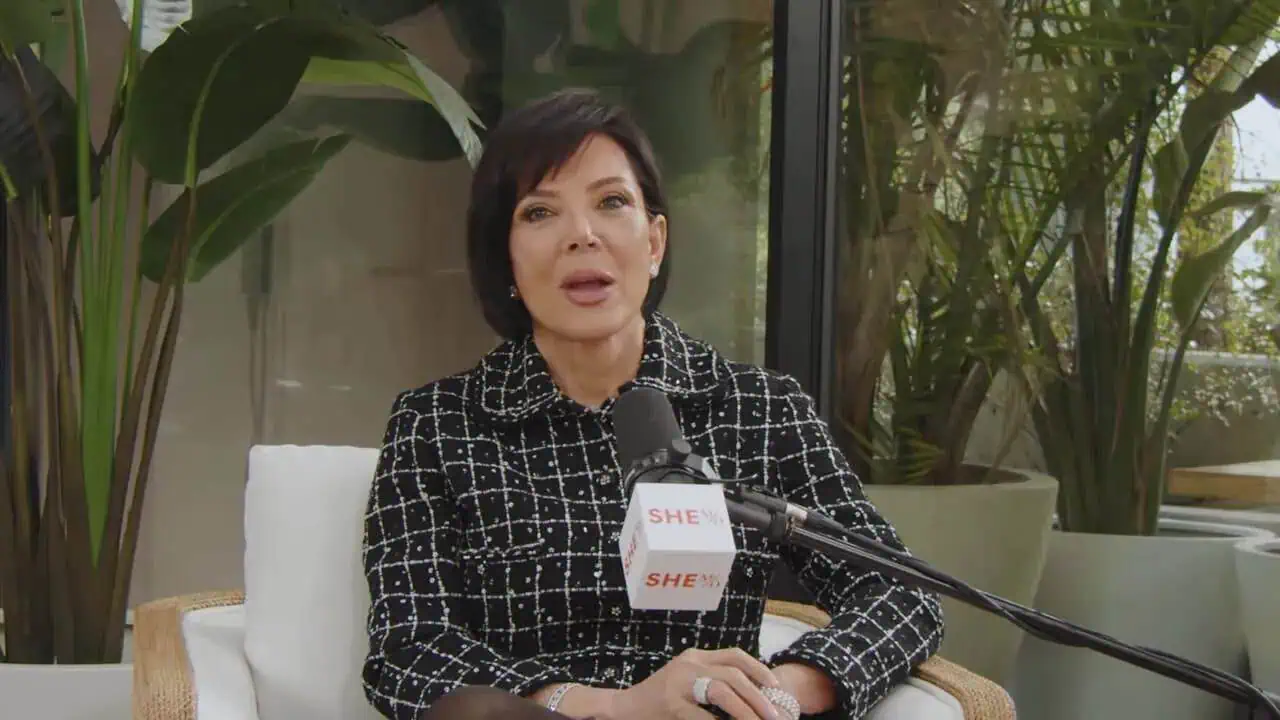
She also made another crucial decision early: she positioned herself as a creator and producer, not just a participant. That gave her a role in shaping what the show became and helped turn a television opportunity into a long-term business engine.
How did you decide what to keep in and what to cut out?
Very little gets cut.
Kris said the family learned early that they had the power to control the narrative if they wanted to. But instead of sanding off all the rough edges, they often chose to leave the messy, funny, controversial, and uncomfortable moments in.
That included one of the first major “water cooler” moments from the series, involving a stripper pole in Kris’s bedroom that had originally been given as a joke Mother’s Day gift. In another family, that moment might have been buried. Kris left it in. She understood instinctively that rawness connects.
And she was right.
People do not relate to perfection. They relate to sisters yelling and then hugging, to family members annoying one another, to tears, apologies, chaos, and love. That honesty became part of the show’s staying power.
How Kris Handles Hard Times
You’ve faced very public and very personal challenges. How do you turn lemons into lemonade?
Kris did not pretend she was immune to pain. She was very clear that she cries, gets overwhelmed, and has had moments when life felt like too much. But what she has built over time is a disciplined way of responding.
Her formula is not fancy:
- Feel what you need to feel.
- Ask for help when you need it.
- Brush yourself off.
- Get solution-focused.
- Protect your children fiercely.
She described herself as someone who always asks, “How are we going to solve this?” That orientation toward action has carried her through financial hardship, family crises, and the everyday fires that motherhood brings.
She also stressed the importance of community and resources. Over a lifetime, she has built a circle of trusted people, and she believes strongly in keeping your circle small but real.
That applies to parenting, too. You do not need everyone. You need the right people.
Was there a moment when you truly struggled as a mother?
Absolutely.
Kris recalled being overwhelmed financially after the divorce and terrified by the possibility that she might not be able to fully provide for her children. That fear shook her deeply. She wanted her children to be proud of her, and she knew she had to act.
What helped was deciding, day after day, to wake up with a renewed spirit. To say to herself: this is going to be okay. I’ve got this.
She also remembered another kind of overwhelm from earlier motherhood, when she was home with four little children and no help in sight. It was a Sunday. Toys were everywhere. Meals need to be made. One child was in her arms, others were getting into trouble, and she had the very human thought that this was never going to end.
But it did pass.
That was one of the most comforting parts of the conversation. Kris reminded us that motherhood happens in stages. The hard season you are in now is not the whole story. It is a chapter.
The Power of Women Supporting Women
What advice do you have for women who feel alone in motherhood or reinvention?
Kris was emphatic here: do not underestimate your female friendships.
She said some of her lifelong best friends came from the preschool years, when her children were young. She encouraged women to lean on other parents, to meet people in the ordinary places life offers, and to keep building a circle of women who lift you up.
That support system becomes a lifeline through every stage of life, not just the early parenting years.
Her advice was simple but profound:
- Keep your circle small, but real.
- Do not let your friendships stagnate.
- Be open to meeting new people.
- Let strong women challenge and support you.
For women who tend to be hardest on themselves, this mindset pairs beautifully with the reminder to practice more self-compassion. This reflection on why we should stop being so hard on ourselves echoes that same message.
Working With Family and Staying Close
How do you manage being both a mother and a manager to your children?
Kris laughed at the idea of neat boundaries because, in her world, there really are not many. But she said that in the best way.
She does not see motherhood and management as cleanly separable. Her purpose, as she sees it, is to be there for her children. She is deeply involved in their lives, their health, their concerns, their opportunities, and their businesses.
To outsiders, that might sound overwhelming. To Kris, it is joy.
There is also an important distinction here. Her closeness with her children is not dependency. It is an investment. The family checks on one another constantly. They move between practical logistics, emotional support, business, travel plans, and daily chaos with ease because this is the ecosystem they built together.
And perhaps most tellingly, Kris says this does not slip by her. She does not take it for granted. She leads with love and gratitude because she knows how rare that kind of closeness is.
What makes you most proud now as a mother?
Seeing her children become great parents.
That answer came quickly and emotionally. For Kris, the real reward is not fame or business success. It is seeing her children raise the next generation with love, imagination, planning, warmth, and effort.
She talked about sleepovers turning into full productions, cousins staying close, family gatherings becoming dance parties, and the children genuinely wanting to be together. The point was not luxury. It was an intention.
That, to her, is parenting at its best.
Her Routine, Health Habits, and Energy
How do you keep up your energy and stay so productive?
Kris starts early. Very early. Often around 5 a.m., and sometimes earlier.
But one of the more surprising things she shared is that she has stopped feeling guilty about easing into the morning a bit. Coffee, a few messages, looking at her schedule, organizing her thoughts, and yes, occasionally straightening her closet because it gives her peace. That is part of the ritual now.
Then comes exercise, often strength training, Pilates, or walking. She credits regular movement, hormone monitoring, supplements, peptides, and proactive healthcare with helping her maintain her energy and feel more alert.
She is also candid about cosmetic support, including a facelift, which she referenced without hesitation. That honesty is part of what makes the conversation work. She is not presenting some impossible illusion of effortless aging. She is saying plainly: I take care of myself, I pay attention, and I use the tools that work for me.
What are your health non-negotiables?
For Kris, the biggest non-negotiable is attention.
Do not ignore signs. Do not avoid a scan because you are scared. Do not postpone care simply because you do not want bad news.
She also believes in helping others get proactive. She admitted she is constantly reminding friends and colleagues to make appointments, get scanned, and take symptoms seriously. If that makes her annoying sometimes, so be it.
Her philosophy is that if you can care for yourself, you should.
How do you protect your mental health while living so publicly?
She protects it with rhythm, rest, music, and reset.
Kris talked about the importance of turning things off and doing something that calms the brain. In her house, music plays in the mornings. She likes slow, soothing music that creates a mood without demanding attention. She enjoys getting lost in a series, stepping away, and taking Sundays or at least part of a weekend to truly rest.
She also mentioned becoming more conscious of brain health overall, including reconsidering alcohol as part of that picture.
The bigger point was that high performance cannot happen without periods of recovery.
It’s Never Too Late to Start Over
What do you say to women who think they are too late to find their purpose?
Kris offered one of the most encouraging reminders of the entire conversation: she was 52 when she started filming the show that would change her life.
That number matters.
It cuts through the cultural pressure that tells women they should have already figured it all out by 30, or 40, or even 50. Kris’s life is proof that the chapter people know you for may arrive much later than expected.
She believes that purpose often becomes clearer later in life, not earlier. By then, you have lived enough to know who you are, what matters, and what you are willing to build.
So if you are in a hard season, a transition, or a complete reset, her message is simple: everybody starts somewhere. Put one foot in front of the other. Keep going.
Mother’s Day Wisdom from Kris Jenner
What is your message to mothers right now?
Kris’s message was loving and direct: love your children, of course, but love yourself too.
She talked about the importance of going easier on yourself, giving yourself a break, and finding even one small thing that brings you happiness. It does not have to be grand. It just has to help you reset.
Because when you are strung too tight, everything gets harder. And when you can reconnect with yourself, even a little bit, you are more available to give your children the kind of love and steadiness they need.
“You just have to do the very best job you can. And you’re going to have good days and bad days and just do the best you can. And everything will work out.”
That may be the most Kris Jenner message of all. Not perfection. Not performance. Not fantasy. Just effort, love, resilience, and showing up again tomorrow.
FAQs
Why did Kris Jenner decide to have a hysterectomy?
She underwent surgery after a small spot on her ovary was found on a preventive scan, and later showed slight growth. Because she was postmenopausal, that change was taken seriously. After discussion with her doctor, she chose a more definitive surgical approach to reduce future risk.
What did Kris Jenner say about balancing motherhood and career?
She explained that she spent her first ten years as a full-time mother and later entered the workforce after her divorce. Her view is that children learn a great deal by example, so her daughters watched her become a working woman, boss, and manager while still remaining deeply present as a mother.
What does Kris Jenner believe is the key to raising strong daughters?
Leading by example. She grew up watching her mother and grandmother work, and her children watched her do the same. She believes strength, responsibility, and ambition are often taught by what children see lived out around them.
How did Kris Jenner learn financial literacy?
After the divorce, she realized there were many financial details of daily life she had not fully understood. That pushed her to educate herself on bills, budgeting, spending, investing, and responsibility. She learned gradually and took ownership of understanding how her life was being run.
What is Kris Jenner’s advice for moms who feel overwhelmed?
She says every mother gets overwhelmed and that hard seasons come in chapters. Her advice is to ask for help, keep going, talk to yourself with encouragement, lean on strong female friendships, and remember that the difficult phase you are in will pass.
What does Kris Jenner say about starting over later in life?
She believes it is never too late. She pointed out that she was 52 when the family show began, proving that major purpose and success can arrive much later than people expect.
Concerned About Your Health? Talk to Dr. Aliabadi
Dr. Aliabadi is an expert OB/GYN who is knowledgeable in all aspects of women’s health and well-being. Dr. Aliabadi and her caring, supportive staff are available to support you through PCOS, endometriosis, menopause, childbirth, infertility, or routine gynecological care. We invite you to establish care with Dr. Aliabadi. Call us at (844) 863-6700 or
This article was created from the video Kris Jenner Opens Up About Motherhood, Hysterectomy Decision, & Building a Family Empire | SHE MD for Dr. Thais Aliabadi’s website.