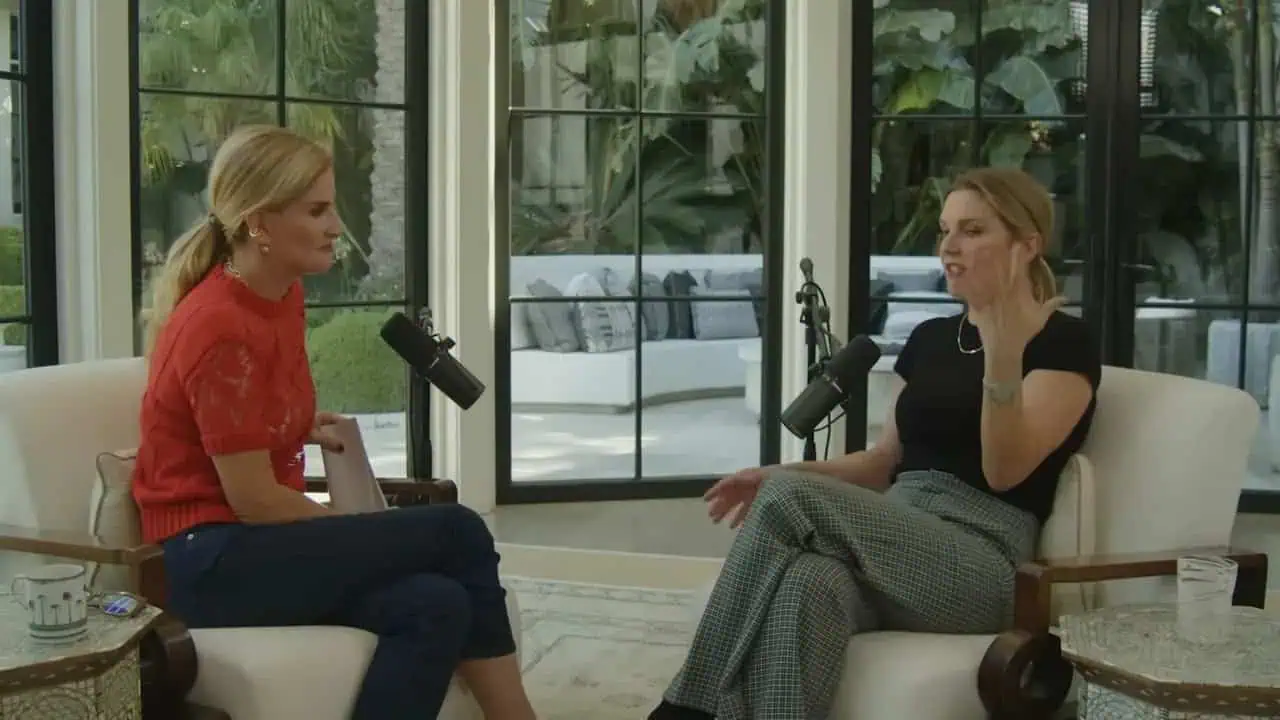
Blended families bring their own unique joys and challenges, especially when balancing personal relationships, children from previous marriages, and professional careers. In a candid conversation, Mary Alice Haney (of the She MD Podcast with Dr. Thais Aliabadi) sits down with Emmy-nominated actress Rhea Seehorn to explore the intricacies of co-parenting, step-parenting, and finding harmony amid the beautiful complexity of their blended family. They also dive into Rhea’s acting career, her perspectives on motherhood, and how female friendships play a crucial role in navigating life’s transitions.
Table of Contents
- How Did Your Blended Family Journey Begin?
- Navigating Parenting and Identity in a Blended Family
- Balancing Careers and Family in a Blended Household
- On Motherhood: Choices, Judgments, and Definitions
- Lessons Learned and Advice for Women
- Rhea Seehorn’s Acting Journey and Perspective
- The Power of Female Friendships
- FAQs
- Final Thoughts
- Further Resources
How Did Your Blended Family Journey Begin?
Mary Alice: How did you and I meet, and what sparked the start of our blended family?
It all began quite serendipitously at a hair salon where both Rhea and I were getting our hair highlighted. Our colorist insisted we meet, saying we’d love each other, and suggested I introduce Rhea to my ex-husband, Graham. I described him as amazing but didn’t mention he was my ex. We exchanged emails, coordinating a meetup that humorously unfolded with some back-and-forth as Graham invited Rhea out for coffee and drinks while tactfully removing and adding me back on email chains. Eventually, Rhea agreed to meet, and from there, things blossomed.
Our first coffee date happened at Susina at 9 a.m.—ironically, a place Graham doesn’t even usually drink coffee at! After a couple of rocky initial dates, they found their rhythm, and their relationship solidified.
Rhea: What stuck with you early on during dating Graham, especially considering the presence of children from a previous marriage?
From the start, Graham was upfront about the importance of his kids. He told me, “The kids are the most important thing in my life,” setting clear expectations that any relationship had to respect this central reality. He wasn’t pressuring me to decide about children immediately, but made it clear that if I wasn’t okay with being involved in their lives, we shouldn’t even proceed. That honesty felt like a breath of fresh air. It showed his care, thoughtfulness, and the way he prioritizes what matters.
Navigating Parenting and Identity in a Blended Family
Mary Alice, you had biological children before blending families. How did you approach becoming a stepparent?
I was lucky to have biological children, but merging families means reshaping parenthood. It’s not always easy, and there are no perfect scripts. I remember one emotional night after a fight with my husband, Tom, during which I just needed to be with my boys. Even though our living space was small, Rhea was supportive and made me feel welcome and safe with the kids. It’s moments like those that build trust and closeness even under challenging circumstances.
It’s really about being flexible, thoughtful, and open to the evolving roles each of us plays.
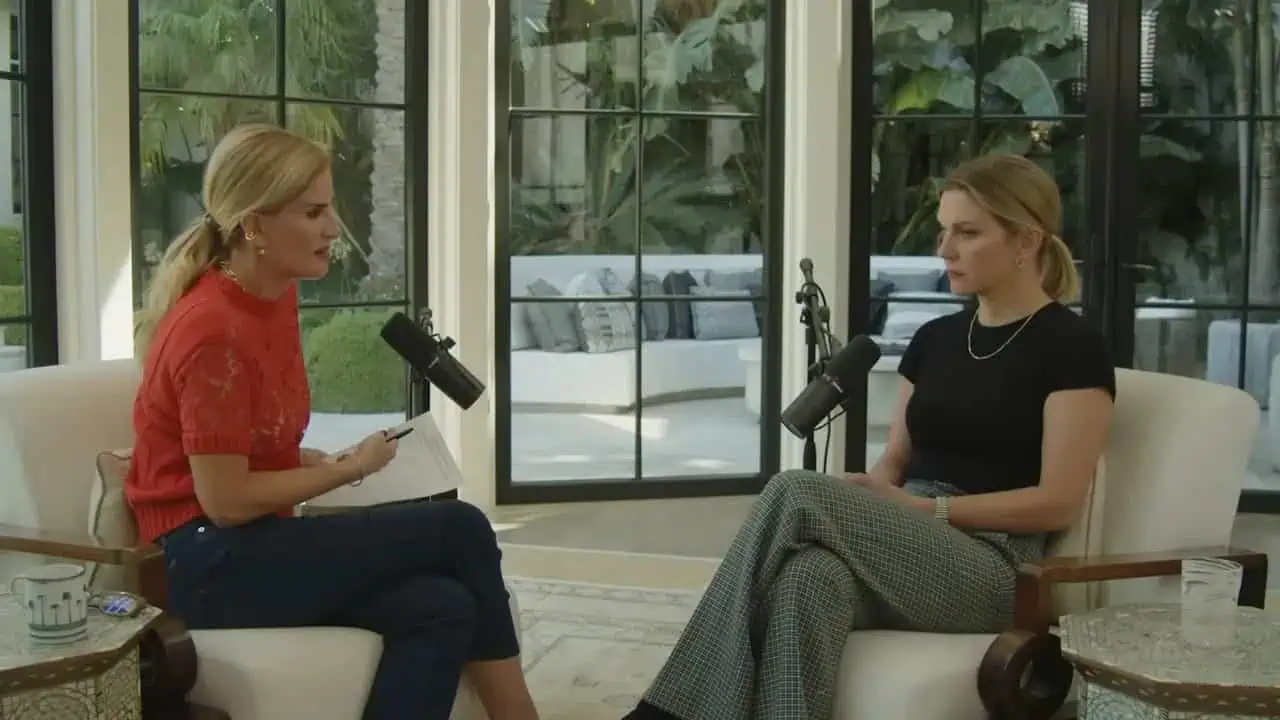
Rhea: What has been one of the hardest things about merging two families for you?
For me, the toughest part is scheduling and control. As an actor working out of town often, my availability changes, and that can be hard. Stepping into the role of bonus mom means being adaptable, but also acknowledging the challenges of sharing time with the kids and managing complicated schedules. It’s a unique challenge divorced couples face. That said, I never dated anyone with kids before Graham, nor anyone with such a complicated family dynamic, so it was all new territory.
Mary Alice: How did the kids handle shifting family definitions, like “stepparent” versus “mom”?
Early on, the boys asked why I called myself their stepmom instead of their mom. I explained it was from respect for their biological mom, not wanting to step on any toes. I even called you to make sure I was navigating this properly. You told me you regularly call your stepchildren your kids without differentiation, which was a huge relief. Now, it’s fluid—they sometimes say stepmom, sometimes bonus mom, sometimes mom outright. It’s important to honor their feelings and let those terms evolve naturally.
Balancing Careers and Family in a Blended Household
Rhea: What advice do you have for working moms, especially those like us with demanding careers and long absences?
One lesson I learned from therapy is that kids seeing a woman who’s fully engaged in her career and giving it her all is a beautiful gift. It teaches them passion, dedication, and balance. Although the distance is hard—I often work out of town and don’t take the kids with me—they learn about dedication and the pursuit of dreams by example.
This is not about shaming anyone who stays at home, which is an incredibly tough job, but about embracing what works for you authentically. Being the best version of yourself allows for better quality time with your kids. We need to stop shaming the different choices women make around work and motherhood.
Mary Alice: How has your schedule and family life adjusted to this reality?
It’s challenging with week-on, week-off custody schedules. The kids insisted the previous hopping schedule was too chaotic, so we adjusted it to something more manageable. Still, the weeks without kids are tough emotionally. What helps us all is recognizing that even when they’re with the other parent, we’re committed to being present and loving in our time together. And the “week off” is a time to recharge and come back refreshed.
On Motherhood: Choices, Judgments, and Definitions
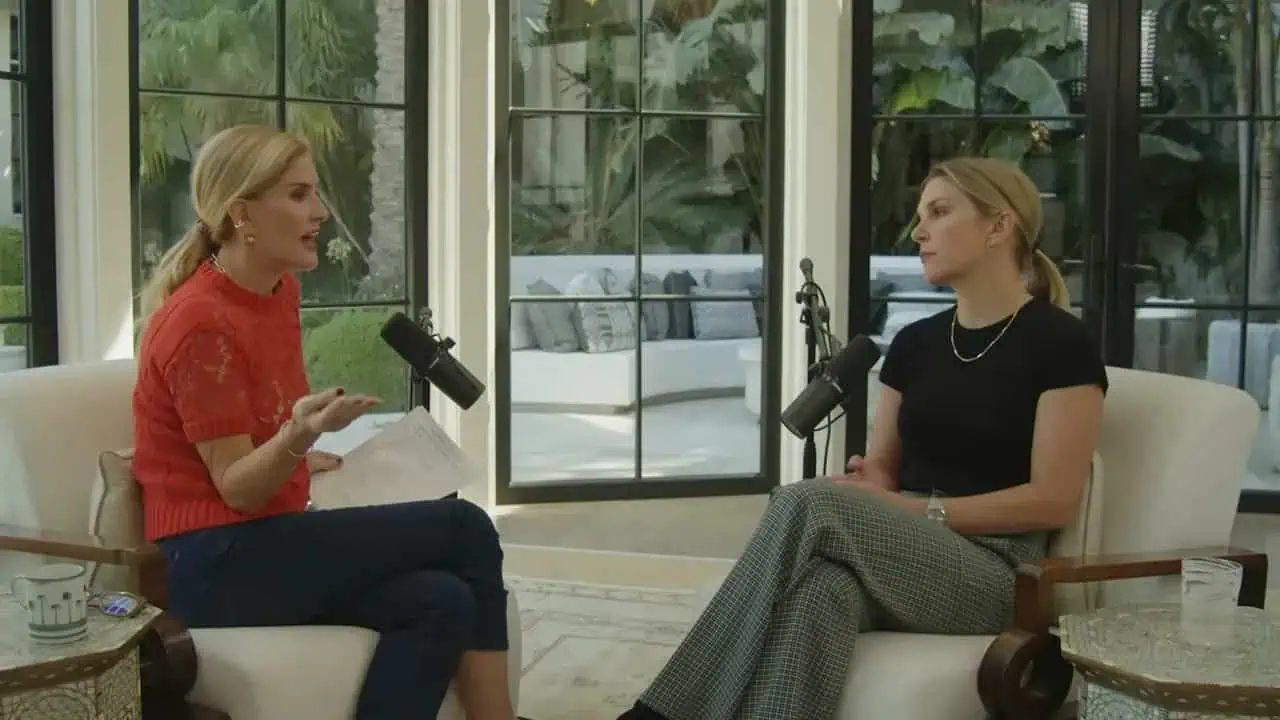
Mary Alice: Rhea, you’ve spoken openly about not having biological children. Can you share that journey?
I’ve never felt the urge or motivation to have biological children, which, believe me, has invited judgment from people, even some close to me. Many assumed I was making a mistake or would regret it, but for me, my “maternal north star” is helping and loving the children already here, mentoring kids, and embracing motherhood in different forms beyond biology. Mothering has many definitions, and all of them deserve respect.
Rhea: How did this impact your relationship with Graham, considering he has biological children?
It was a balancing act from the start—we both knew that children from the previous marriage were a priority, and I was embracing the bonus mom role without the biological connection. It’s a unique place that requires clarity and compassion from everyone.
Lessons Learned and Advice for Women
Mary Alice: You’ve gathered a wealth of insight from your blended family experience and career. What advice would you give other women?
- Start your day by reminding yourself: You’re already enough. Don’t wait to “earn” your worth through accomplishments; you begin the day with value and presence.
- Be value added wherever you go—and own that. Don’t be shy about being yourself and contributing meaningfully to environments. Confidence and humility can coexist.
- Stop competing with other women. There’s no limited pie; lift others up and celebrate their successes. Collaboration and camaraderie make life and careers richer.
- Advocate assertively for your health. The medical system often misunderstands or dismisses women, especially around hormonal changes. Keep asking questions and pushing for answers.
- Communicate your boundaries clearly in relationships. Whether professional or personal, clarity about what you need benefits everyone involved and strengthens bonds.
Rhea: From your perspective, what advice stands out most?
For me, advocating for yourself medically is crucial because many of us face dismissive attitudes in healthcare, particularly around hormonal or menopausal symptoms. We have to be educated and proactive to get the care we deserve. On the emotional side, communicating boundaries and expectations, even when it’s scary, is vital to maintaining healthy relationships.
Rhea Seehorn’s Acting Journey and Perspective
Mary Alice: Did you always want to be an actress? How did that journey unfold?
Acting was a distant dream. Growing up in suburbia with no connections to entertainment, it seemed unreachable, especially when I wasn’t conventional in appearance. In college, I took an acting elective to fulfill requirements and fell in love with practical acting techniques centered on psychology and storytelling.
It took years of non-union theater work, day jobs, and saving every penny for coaching. I remember asking seasoned actors for coaching at a low rate just to improve. Eventually, breaking into union work marked a milestone. For me, “making it” was when the audience bought tickets to see my work, and it became something I was committed to for life, despite uncertainties.
Mary Alice: How has your perspective on aging and self-image evolved?
Aging doesn’t scare me; I want to support my skin and body as smartly as possible, but I am not chasing the impossible task of turning back the clock. I’ve learned to embrace my looks with humor and kindness. Interestingly, I have a quirk where I feel like the prettiest girl in the room regardless—body dysmorphia in reverse—which helps keep my confidence up. Being kind to ourselves is part of self-love.
The Power of Female Friendships
Mary Alice: You and I often talk about female friendships. How have these relationships helped you?
Friendships between women have been central to my emotional health and success. They offer support, laughter, check-ins, and honesty without judgment. We don’t compete; instead, we celebrate each other’s successes and lift each other up. This solidarity reflects the kind of community every woman deserves.
Relationships between women aren’t about rivalry; they’re about making more room at the table for everyone.
FAQs
What are the biggest challenges of forming a blended family?
The primary challenges include managing complex schedules, balancing relationships with ex-partners, blending parenting styles, and navigating emotional adjustments for all parties involved, including children and stepparents.
How can stepparents build strong relationships with their stepchildren?
Building trust through patience, open communication, respect for existing family boundaries, and consistent presence—both emotional and physical—helps stepparents forge meaningful, nurturing relationships over time.
What advice is there for working moms with demanding careers, balancing family life?
Recognize that being engaged in your career can serve as a positive role model for your children. Prioritize quality time over quantity and be kind to yourself. Avoid judgment from others and focus on what works best for your family situation.
How do you handle societal judgment regarding choices around biological children?
Embrace your own definition of motherhood and parenthood. Recognize that maternal love extends beyond biology, and surround yourself with people who respect and support your choices.
What are the key pieces of advice for women in their personal and professional lives?
Start each day knowing you are enough, be valuable wherever you go, avoid competing with other women, advocate assertively for your health, and communicate clear boundaries in all relationships.
Final Thoughts
Thriving in a blended family requires courage, flexibility, and lots of love. Rhea and Mary Alice’s story demonstrates how honesty, clear communication, and mutual respect can create a strong foundation for families formed in second acts. Their journey highlights that parenting, motherhood, and partnership have many forms, all valid and valuable.
Relationships, whether familial or professional, deepen when built with intention and authenticity. By embracing vulnerability, setting boundaries, and lifting other women up, we open doors to richer, more fulfilling lives. This conversation reminds us all that the journey through blended families is uniquely challenging but filled with opportunities for growth and love that transcend traditional definitions.
Further Resources
If you’re navigating big life changes—whether it’s a blended family, postpartum adjustments, or hormonal transitions—getting medically accurate, supportive guidance can help. For example, our community explores practical women’s health topics through the women’s health lens, and we also cover evidence-based ways to protect your well-being over time.
Because emotional health and sleep often intertwine with overall health, you may also find it useful to read about sleep habits that support mood and resilience.
And for women dealing with questions about reproductive health, family planning, or what to expect from an exam, consider learning more about your first gynecology visit—so you can advocate for yourself with confidence.
Concerned About Your Health? Talk to Dr. Aliabadi
Dr. Aliabadi is an expert OB/GYN who is knowledgeable in all aspects of women’s health and well-being. Dr. Aliabadi and her caring, supportive staff are available to support you through PCOS, endometriosis, menopause, childbirth, infertility, or routine gynecological care. We invite you to establish care with Dr. Aliabadi. Call us at (844) 863-6700 or
This article was created from the video Thriving in a Blended Family With Rhea Seehorn and Mary Alice Haney | SHE MD for Dr. Thais Aliabadi’s website.