Mental health care can feel painfully slow, especially for people living with severe depression, postpartum depression, or anxiety that has not responded to the usual treatments. In this conversation, we explore one of the most talked-about and most misunderstood options in psychiatry right now: ketamine therapy.
Joining Dr. Thais Aliabadi and Mary Alice Haney are Dr. Peyman Tashkandi, a double board-certified psychiatrist in adult, child, and adolescent psychiatry, and Anabel González, who shares her deeply personal story of living with lifelong anxiety and depression, then finding relief after postpartum depression pushed her to a breaking point.
This is an important conversation because ketamine is not a casual wellness trend, and it is not something to experiment with on your own. In a properly supervised medical setting, for carefully selected patients, it may offer something many people have not experienced in years: meaningful relief.
Table of Contents
- Understanding Ketamine as a Medical Treatment
- How Depression Works, and Why Ketamine May Help
- Anabel’s Story: Postpartum Depression and a Life-Changing Shift
- The Role of Trauma, Therapy, and Integration
- What a Ketamine Treatment Experience Is Really Like
- Who Is and Is Not a Good Candidate for Ketamine?
- Why More People Are Not Hearing About Ketamine
- Long-Term Effects, Unknowns, and Practical Cautions
- How to Find a Safe, Legitimate Ketamine Clinic
- Special Populations: Children, Adolescents, Women, and Hormones
- The Bigger Message: Mental Illness Is Not Your Identity
- FAQ
- A More Hopeful Way to Think About Mental Health Treatment
Understanding Ketamine as a Medical Treatment
What exactly is ketamine, and why are psychiatrists using it for depression?
Ketamine did not start out as a psychiatric drug. It was originally developed in the 1960s as a dissociative anesthetic and received FDA approval in the 1970s for anesthesia. It has long been used in hospitals and emergency settings because it is effective and, importantly, not as suppressive to the respiratory system as some other anesthetics.
That medical history matters. Ketamine is not some new mystery compound that appeared overnight. It has been used in medicine for decades. What changed is that researchers began noticing something remarkable: patients receiving ketamine sometimes experienced rapid improvement in depressive symptoms.
A major turning point came around the year 2000, when researchers studying treatment-resistant depression found that ketamine could produce profound and fast-acting changes in mood. That was striking because traditional antidepressants often take weeks to work, and many patients either do not respond adequately or cannot tolerate the side effects.
What really moved the field forward was the discovery that repeated infusions, spaced out strategically, seemed to create a kind of stacking effect. Instead of very short-lived relief, some patients began experiencing longer-lasting antidepressant benefits.
What makes ketamine different from standard antidepressants?
Traditional antidepressants generally focus on neurotransmitters like serotonin, norepinephrine, and dopamine. Those systems are important, and for many people, medications like SSRIs can be very helpful. But ketamine works through a different mechanism, which is part of why it has generated so much interest in patients with treatment-resistant depression.
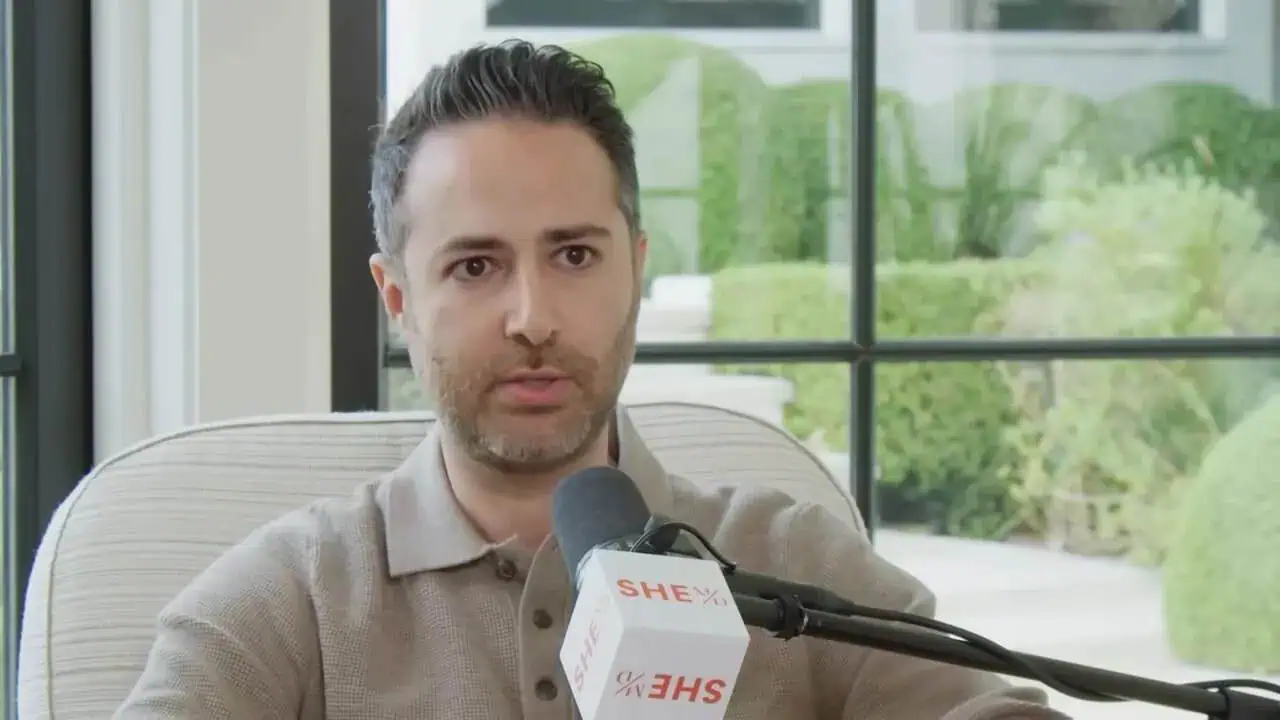
Dr. Tashkandi explains that ketamine blocks NMDA receptors in the brain. This leads to increased glutamate activity, which then activates AMPA receptors. That chain of events helps create the conditions for neuroplasticity, meaning the brain becomes better able to form and strengthen new connections.
That is a big deal. Depression can feel like being trapped in the same emotional groove over and over again. People often describe it as being stuck, numb, hopeless, or unable to imagine a different future. Ketamine appears to help interrupt that rigidity. It can create a window where the brain is more flexible, more responsive, and more able to move out of entrenched patterns.
Dr. Tashkandi described it beautifully as helping patients pop out of that feeling of being stuck. For many people, that is exactly what severe depression feels like.
How Depression Works, and Why Ketamine May Help
What are the major scientific theories behind depression?
One of the strongest parts of this conversation is that it does not oversimplify depression. Depression is not just “low serotonin,” and it is not just sadness. It is a complex condition with biological, psychological, and social roots.
Dr. Tashkandi walks through several major theories of depression:
- Neurotransmitter theory: changes in dopamine, serotonin, and norepinephrine may contribute to depressive symptoms.
- Hormonal or stress-axis theory: dysfunction in the hypothalamic-pituitary-adrenal axis, especially under chronic stress, may play a role.
- Neuroplasticity theory: lower levels of brain-derived neurotrophic factor, or BDNF, may impair the brain’s ability to adapt, grow, and create new neural connections.
- Inflammation theory: inflammation in the brain and body may be associated with depressive symptoms.
- Biopsychosocial theory: genetics, trauma, learned mental patterns, family systems, environment, culture, and stress all interact in the development of depression.
Ketamine is compelling because it appears to touch several of these pathways at once. It influences glutamate signaling, supports neuroplasticity, and may also have anti-inflammatory effects. That does not make it magic. But it helps explain why it may feel different from treatments that target only one system.
Does ketamine help anxiety, too, or only depression?
It can help with anxiety as well. Dr. Tashkandi points out that depression and anxiety often overlap in the brain, and in real life, they frequently travel together. It is actually uncommon to find someone with significant depression who has no anxiety at all.
At the same time, he makes an important distinction: not all anxiety is pathological. Some anxiety is healthy and necessary. The stress that motivates us to study for an exam, prepare for a presentation, or show up for our responsibilities is part of normal human functioning.
Clinical anxiety is different. It starts to interfere with life. It shows up as constant doom, racing heart, inability to start the day, fear that something terrible is always about to happen, or a body that never seems to switch off. That is when treatment becomes important.
If you are trying to understand whether your symptoms may reflect a normal stress response or something more serious, resources on anxiety and depression can help clarify the difference.
Anabel’s Story: Postpartum Depression and a Life-Changing Shift
What did postpartum depression look like for Anabel?
Anabel’s story is the emotional center of this discussion, and it puts real life around the science.
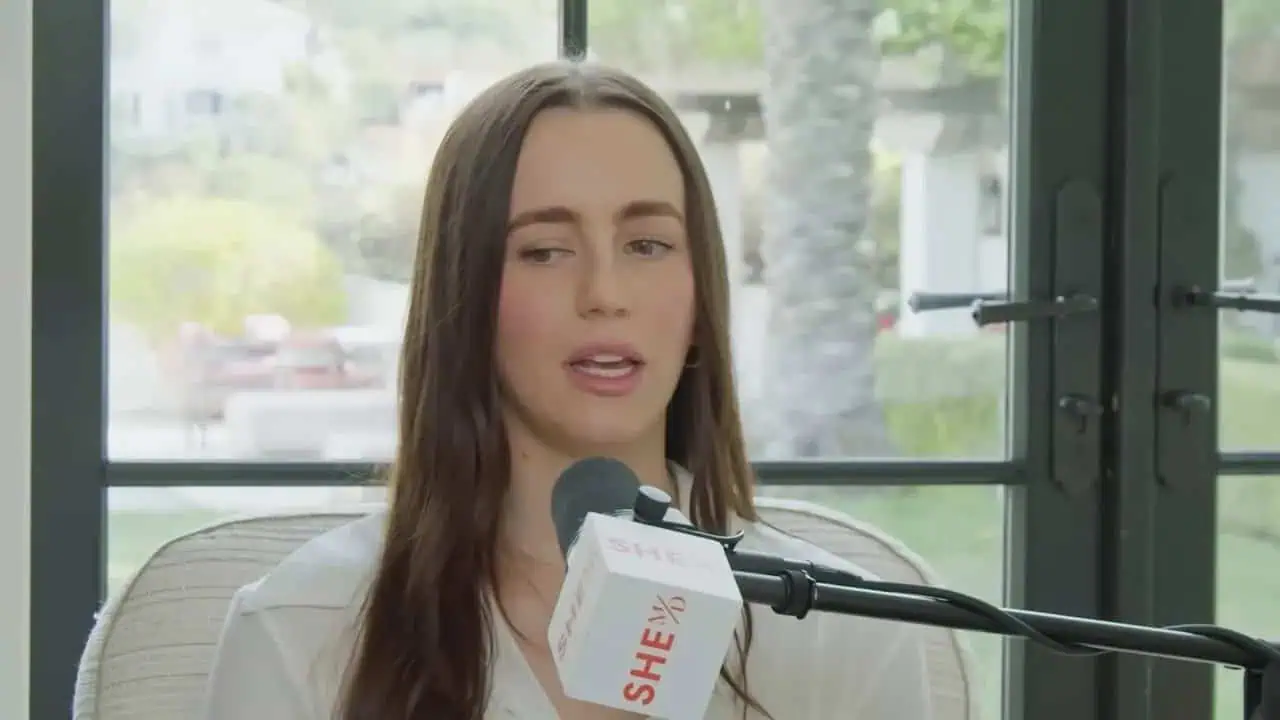
She had dealt with anxiety and depression since she was a teenager. She had been on and off SSRIs for years and knew that while they could sometimes pull her out of the darkest moments, they never really made her feel fully alive. They flattened things out more than they healed them.
Then she had her son, and everything intensified.
She describes severe postpartum depression with symptoms that many women are afraid to say out loud: night sweats, intrusive and violent flashes of bad things happening to her baby or family, shame, hopelessness, worthlessness, panic, and the inability to function. She could barely leave the house. Even simple advice like “go for a walk” felt impossible because she could hardly get out of bed.
That is an important point. When someone is deeply depressed, especially postpartum, the usual lifestyle advice can feel not just unhelpful but almost absurd. If a person cannot shower, eat, or get through the day, then “try meditation” is not a treatment plan.
For anyone navigating that season, learning more about postpartum depression can be a crucial first step. Severe postpartum symptoms deserve immediate support, not dismissal.
How did she end up trying ketamine?
At a postpartum follow-up, she walked into Dr. A’s office trying to hold back tears. The lights felt too bright. She was barely keeping it together. Dr. A recognized what was happening and offered a choice: go back on SSRIs or consider ketamine infusions.
Anabel already knew SSRIs were not the right answer for her. So she said yes to the infusions.
That, yes, changed everything.
What happened during the infusion series?
She describes walking into a calm, peaceful clinical setting, not some casual spa-like environment. She sat in a large comfortable chair, was connected to an IV, and was given an eye mask and headphones. The infusion lasted about 50 minutes.
Her words are striking. She says she felt as if she went into another dimension. It was intense and profound. She noticed some improvement after the first infusion. After the second, she began to understand that something real was happening. By the fourth treatment, she knew this was the real deal.
Her initial series consisted of six infusions over two weeks, three in the first week and three in the second. That schedule reflects the stacking concept discussed earlier. The goal is not a one-time experience, but a structured medical treatment plan designed to build therapeutic effect.
What changed afterward?
The transformation she describes is dramatic, but what makes it credible is how practical it is.
Ketamine did not magically remove all difficulty from her life. What it did, in her words, was bring her brain to a place where she could do the things that help people feel well. Suddenly, she could go for a walk. She could work out. She could listen, learn, breathe, connect, and participate in her own healing.
She went from feeling lost, panicked, and disheveled to feeling powerful and engaged. She started calling friends, playing with her son, and functioning in a totally different way. She says it not only saves her from postpartum depression. It ended a lifelong battle with depression.
She also reports that she is no longer taking psychiatric medication, though that is not presented as a universal goal for everyone. Her case is her case. What matters is that the treatment, in combination with therapy, gave her a level of relief she had never experienced before.
The Role of Trauma, Therapy, and Integration
Is ketamine enough on its own, or does therapy matter too?
Therapy matters. A lot.
Dr. Tashkandi is clear that patients can still benefit from ketamine infusions without therapy. But he strongly recommends integration work, especially within about 72 hours after treatment, if possible.
Why? Because ketamine may create a period of increased openness and neuroplasticity. That can be a powerful time to process insights, challenge old patterns, and make meaning out of the experience. A therapist can help anchor what comes up and support actual change in daily life.
Anabel did exactly that. She found a therapist through the clinic and did EMDR, along with routine sessions and ketamine lozenges in a therapeutic setting. She speaks about having had a profound shame network rooted in trauma, and says that this work helped disconnect her from that pain and reconnect her to the world around her.
That is worth pausing on. For patients with trauma histories, symptom relief is only part of the work. The deeper healing often happens when someone can finally process what has been locked away for years.
What does “integration” actually mean after ketamine?
Integration means helping the treatment become more than an isolated event.
It may include:
- talk therapy shortly after infusions
- processing emotions or memories that surfaced
- making behavior changes while motivation and flexibility are higher
- establishing routines around sleep, food, movement, and connection
- turning insight into action
Without integration, someone may still get symptom relief. But with integration, there is often a better chance that the opening created by ketamine becomes part of a more durable recovery process.
What a Ketamine Treatment Experience Is Really Like
What do most patients experience during treatment?
The first infusion is often the hardest, simply because it is unfamiliar. People are understandably nervous. It is a novel experience, and the mind can go to many places.
According to Dr. Tashkandi, most patients actually have a positive or even blissful experience, though it can vary widely. Some people feel deeply peaceful. Some feel emotionally stirred. Some feel disoriented. Some have a difficult session. There is not one “correct” reaction.
Mindset matters. Going in frightened, panicked, or poorly prepared can shape the experience. So can the environment. That is one reason legitimate clinics pay close attention to setting, monitoring, and support.
It is also normal to feel groggy afterward. Patients are advised not to make major decisions on the day of treatment. Hydration, food, fluids, and electrolytes matter. Because ketamine has a relatively short half-life, most side effects should wear off fairly quickly, and by the next day, most patients are back to normal functioning.

Are booster infusions part of treatment?
They can be. Anabel shares that after her original series, she now does boosters roughly every eight to nine months. Dr. A also notes that in her experience referring patients over the years, boosters can be helpful for some people after the initial six-session protocol.
This speaks to something important: ketamine treatment is not one-size-fits-all. Some people respond strongly to an initial series and maintain those gains for long stretches. Others may need boosters. Others may need a different treatment approach altogether.
Who Is and Is Not a Good Candidate for Ketamine?
Who should not receive ketamine treatment?
This may be the most important section of the entire discussion, because ketamine should never be presented as universally appropriate.
Dr. Tashkandi outlines several situations in which ketamine may be unsafe or inappropriate, especially without stabilization first:
- Psychotic disorders, such as schizophrenia or schizoaffective disorder, because ketamine can worsen or induce psychosis
- Active mania or hypomania in bipolar disorder
- Uncontrolled hypertension
- Uncontrolled thyroid disease that could put the patient at risk of thyroid crisis
- Some patients with substance use histories, depending on the nature and severity of the addiction
He also notes an important nuance. Bipolar depression may respond very well to ketamine, but active manic states are another story. That distinction matters.
What about patients with a history of addiction?
This is where clinical judgment becomes essential.
Ketamine is a controlled substance, and yes, it can be habit-forming. That cannot be ignored. At the same time, not every person with a past substance use issue should be automatically excluded. The key questions are why the person was using, how stable they are now, what safeguards are in place, and whether the treatment is being delivered in a tightly controlled medical environment.
Dr. Tashkandi gives a thoughtful example. If someone used alcohol to numb unbearable anxiety, and ketamine effectively treats the anxiety, their drive to drink may decrease. But for someone with severe recurrent addiction and repeated relapse, the risks may be much higher.
He is particularly cautious about sending patients home with take-home ketamine if they have a history of substance abuse. Safety comes first.
Can someone stay on antidepressants or anti-anxiety medication during ketamine treatment?
Often, yes. There are only a small number of medications that may need to be adjusted or avoided during infusion treatment. This is exactly why ketamine should be done under the care of clinicians who understand medication interactions and the broader psychiatric picture.
There is also an FDA-approved form of esketamine, a nasal spray, used for major depressive disorder as an adjunct to an antidepressant. It must be administered in a clinic under a physician’s supervision. Dr. Tashkandi is strongly against sending patients home with nasal ketamine, both because of abuse potential and because dosing becomes less controlled.
Why More People Are Not Hearing About Ketamine
If ketamine can be so effective, why don’t more psychiatrists talk about it?
This is one of the frustrations raised in the conversation. Dr. A points out that many severely struggling patients have never even heard of ketamine therapy. In some cases, she has seen patients in complete crisis while their treating psychiatrists resist even discussing it.
Dr. Tashkandi offers a few reasons:
- Clinical guidelines move slowly
- Many psychiatrists were never trained in ketamine during residency
- The field is still waiting for more long-term outcome data
- There are politics around which treatments gain mainstream acceptance
He also points to the scale of the mental health crisis. Millions of Americans live with major depressive disorder, tens of millions receive antidepressant prescriptions, and suicide remains devastatingly common. When standard treatments fail, the cost of doing nothing is not neutral.
This is exactly why self-advocacy matters in medicine. If you are being told no without a meaningful explanation, it is reasonable to ask why and to seek a second opinion when needed. Thoughtful guidance on advocating for yourself at the doctor can help patients ask better questions and push past dismissive care.
Long-Term Effects, Unknowns, and Practical Cautions
Do we know the long-term risks of ketamine treatment?
Not fully. That is the honest answer.
Dr. Tashkandi is clear that we do not yet have decades-long data on patients receiving medically supervised ketamine infusions over very long periods. Most of the serious long-term problems described in the literature come from people who abused ketamine heavily and repeatedly for years.
One of the best-known complications in chronic abusers is ketamine cystitis, a painful inflammatory bladder condition. He notes that he has not seen this in patients treated through supervised infusions, likely because the doses, frequency, and monitoring are entirely different from uncontrolled abuse patterns.
Still, humility is important. We should not pretend we know more than we know. The current data are promising, but long-term research is still evolving.
Is ketamine treatment just the drug, or does the whole treatment environment matter?
The whole environment matters.
Dr. Tashkandi repeatedly returns to the importance of treating the whole person, not just administering a substance. A reputable ketamine clinic should not feel like a factory. It should assess the patient medically and psychiatrically, coordinate with other providers when needed, and offer care with integrity.
That means understanding:
- the patient’s diagnosis
- their trauma history
- their medical conditions
- their medications
- their support system
- their goals for treatment
In other words, ketamine is not just an infusion. It is a treatment process.
How to Find a Safe, Legitimate Ketamine Clinic
What should people look for when choosing a clinic?
If someone is considering ketamine therapy, the clinic itself matters enormously. Dr. Tashkandi recommends looking for several key elements:
- Mental health professionals involved in care, ideally a psychiatrist, psychiatric nurse practitioner, or psychologist
- Coordination with your existing care team, such as your psychiatrist or primary care physician
- A strong reputation for safety and ethical treatment
- Whole-person care rather than a purely transactional model
If a clinic cannot clearly explain who evaluates patients, how they screen for risk, how they monitor infusions, or how they handle psychiatric follow-up, that is a problem.
A good starting point is your own psychiatrist or physician. Ask directly about ketamine. If they say no, ask why. If they do not know, that is useful information too. You can then look for established clinics in your area and ask specific questions before scheduling anything.
Special Populations: Children, Adolescents, Women, and Hormones
Can ketamine ever be used in adolescents?
Yes, but very carefully and on a case-by-case basis.
Dr. Tashkandi says there are adolescents he has treated for whom ketamine was the only thing that worked, but this should happen only after evaluation by a child psychiatrist and after other appropriate treatments have been considered. For minors, parental permission is required, and in mental health care, he notes the importance of both parents being in agreement.
This is not a first-line causal intervention. It is a serious treatment option for serious cases.
Do men and women show depression differently?
Broadly speaking, yes. Dr. Tashkandi notes that women more often internalize distress, which can show up as anxiety and depression. Men more often externalize it, which may show up as aggression or violence. These are trends, not rules, but they matter clinically.
Women also face psychiatric and hormonal vulnerabilities that are more specific to female biology, including PMDD, postpartum depression, perimenopause, and menopause-related mood changes.
Dr. A puts it plainly: estrogen is a happy hormone. Hormonal fluctuations can have a profound effect on mood. Postpartum, in particular, can feel like an exaggerated PMS due to the sudden drop in hormones after delivery. Women with prior depression, anxiety, or severe PMS or PMDD may be especially vulnerable.
Do women need to stop antidepressants during pregnancy?
Not necessarily. Dr. A makes an important point here that can ease a lot of fear. Some medications, including commonly used SSRIs such as Lexapro, Zoloft, and Prozac, may be continued during pregnancy when clinically appropriate. For some women, stopping treatment may create more risk than staying on it, especially when postpartum relapse is a concern.
The decision should always be individualized, but no one should assume they must automatically stop medication just because they become pregnant.
The Bigger Message: Mental Illness Is Not Your Identity
What is one of the biggest barriers to getting help?
Stigma, and specifically the way people fuse their symptoms with their identity.
Dr. Tashkandi makes a powerful observation. People with high blood pressure usually say, “I have hypertension.” But people with depression often say, “I am depressed.” People say, “I am anxious,” “I am bipolar,” “I am schizophrenic.”
Language matters because it shapes how trapped people feel. When suffering becomes identity, hope gets harder to hold onto.
That is one reason stories like Anabel’s are so important. They remind us that severe mental illness can be treated, that postpartum depression can be relieved, and that many people who feel permanently broken are actually dealing with conditions that deserve compassionate, expert care.
FAQs
Is ketamine therapy only for people with severe depression?
Ketamine is generally discussed here in the context of clinical depression, treatment-resistant depression, severe anxiety, bipolar depression, and postpartum depression. It is not positioned as a treatment for everyday stress or mild temporary sadness.
How quickly can ketamine work compared with traditional antidepressants?
One of ketamine’s most notable features is that it can act rapidly. Traditional antidepressants often take weeks, while ketamine may begin helping much sooner, sometimes even within the first few treatments.
What does a ketamine infusion session usually look like?
A patient typically sits in a monitored medical setting, often in a reclined chair, receives ketamine through an IV, and may use an eye mask and headphones. Sessions commonly last about 50 minutes, followed by observation and recovery time.
Do patients need therapy along with ketamine infusions?
Therapy is not always mandatory, but it is strongly encouraged. Integration therapy, especially within about 72 hours after an infusion, may help patients process the experience and turn relief into lasting change.
Can ketamine help postpartum depression?
In this discussion, Anabel describes a profound recovery from severe postpartum depression with a structured ketamine infusion series and therapy. That does not mean it is right for every postpartum patient, but it may be an option worth discussing with qualified medical and mental health professionals.
Who is not a good candidate for ketamine therapy?
Patients with schizophrenia, schizoaffective disorder, active psychosis, active mania or hypomania, uncontrolled high blood pressure, certain uncontrolled thyroid issues, or some forms of substance use disorder may not be good candidates, at least until stabilized.
Is ketamine addictive?
Ketamine is a controlled substance and can be habit-forming. That is why medical supervision, patient screening, and controlled administration are essential. Recreational use and self-medication are dangerous and completely different from physician-guided treatment.
Is ketamine covered by insurance?
The conversation notes that ketamine infusions are generally not covered by insurance. One form, esketamine nasal spray, may be covered in certain cases and is FDA indicated for major depressive disorder as an adjunct to an antidepressant, but it must be administered in a clinic.
How can someone find a reputable ketamine clinic?
Start by asking your psychiatrist or doctor. Look for clinics with psychiatric involvement, strong safety protocols, coordinated care, and a reputation for treating patients as whole people rather than simply selling a procedure.
Can adolescents ever receive ketamine treatment?
Yes, but only on a highly individualized basis and under the care of a child psychiatrist, typically after other treatments have been tried. Parental consent is required.
A More Hopeful Way to Think About Mental Health Treatment
If there is one theme that runs through this entire conversation, it is that hopelessness should never be accepted as a final diagnosis.
Ketamine therapy is not for everyone. It is not risk-free. It is not something to pursue casually, recreationally, or without professional guidance. But for the right patient, in the right setting, with thoughtful screening and support, it may be profoundly life-changing.
Anabel’s story captures what science alone cannot. Sometimes, the most meaningful measure of treatment is not just whether a score improves on a questionnaire. It is whether a mother can get out of bed, hold her baby without terror, call a friend, walk outside, and feel connected to her own life again.
That is what makes this conversation so important. It expands the mental health treatment landscape beyond resignation. It reminds us that innovation matters, that stigma still keeps too many people suffering in silence, and that when the usual treatments fail, there may still be another path forward.
Concerned About Your Health? Talk to Dr. Aliabadi
Dr. Aliabadi is an expert OB/GYN who is knowledgeable in all aspects of women’s health and well-being. Dr. Aliabadi and her caring, supportive staff are available to support you through PCOS, endometriosis, menopause, childbirth, infertility, or routine gynecological care. We invite you to establish care with Dr. Aliabadi. Call us at (844) 863-6700 or
This article was created from the video The Science Behind Ketamine and the Treatment of Depression | SHE MD for Dr. Thais Aliabadi’s website.