Female athletes are often asked to do something impossible. Be strong, but stay small. Build muscle, but never look “too big.” Perform at an elite level, but also fit into a very narrow idea of beauty. Add in irregular periods, possible PCOS, painful cycles, anxiety, and a history of disordered eating, and the pressure can become overwhelming.
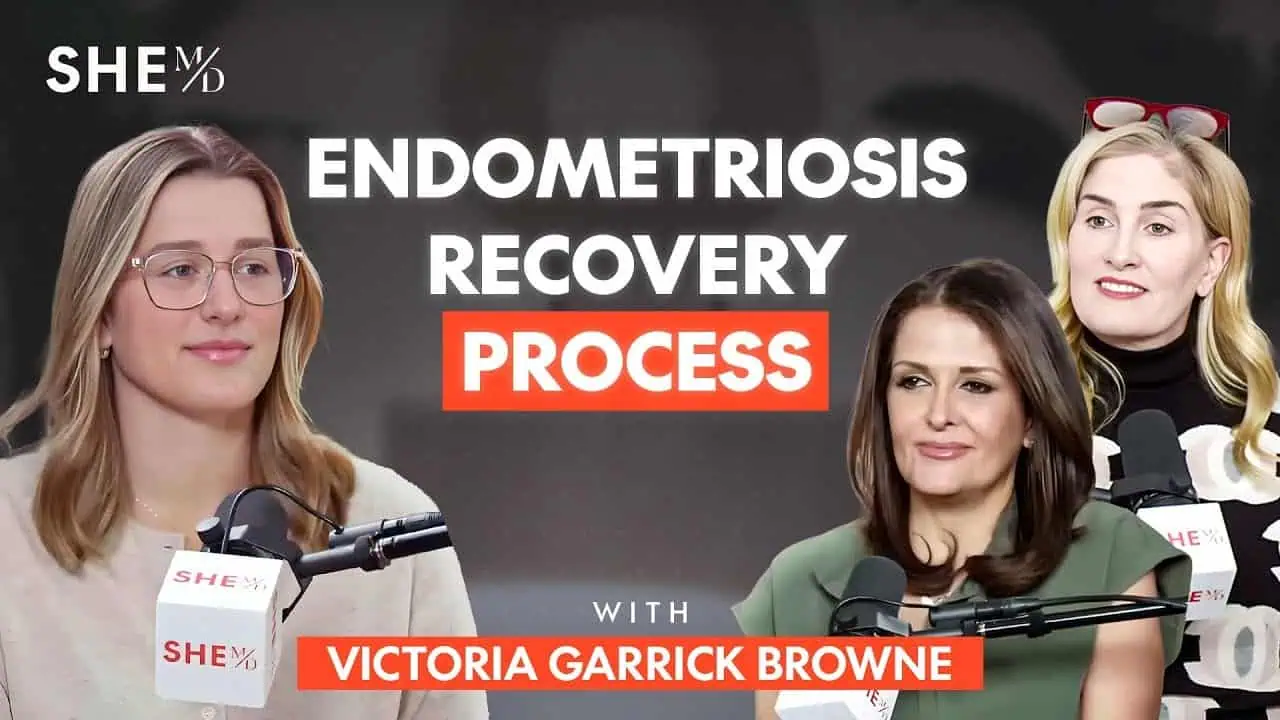
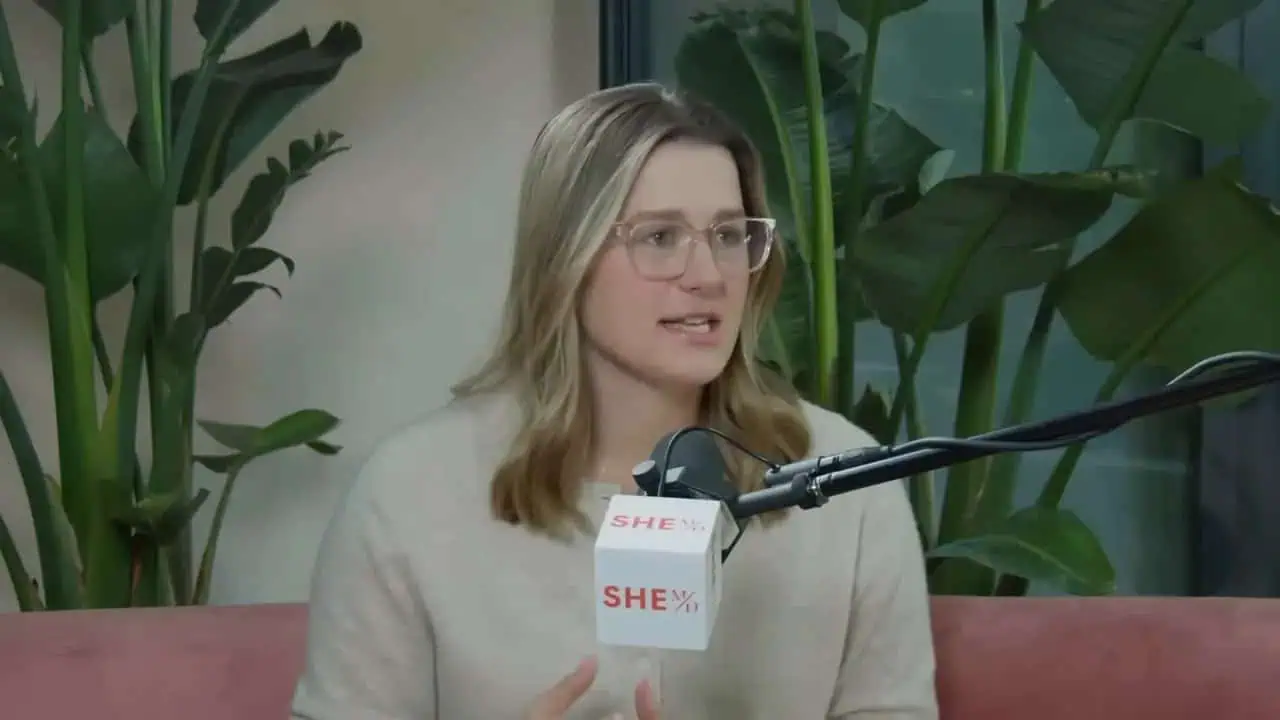
That tension sits at the center of this conversation. Dr. Thais Aliabadi and Mary Alice Haney sit down with Victoria Garrick Browne, former USC volleyball player, TEDx speaker, podcast host, and founder of The Hidden Opponent. We talked about what it was really like to be a Division I athlete while struggling with body dysmorphia and binge eating disorder, how intuitive eating helped her recover, and why women with symptoms like hers so often get dismissed or misdiagnosed.
We also got into one of the most frustrating realities in women’s health: how hard it can be to get clear answers about conditions like polycystic ovarian syndrome and endometriosis, even after seeing multiple doctors. What emerged was an honest, compassionate discussion about self-advocacy, body image, fertility, and learning to trust what your body has been trying to tell you all along.
Table of Contents
- When body image starts early
- The impossible standard for female athletes
- What recovery looked like
- Uniforms, visibility, and the athlete’s body on display
- PCOS, irregular periods, and confusing diagnoses
- The link between PCOS and disordered eating
- Endometriosis, pain, and not dismissing symptoms
- Birth control, ovarian suppression, and checking egg count
- Egg freezing vs embryo freezing
- Why social media can help, if you use it wisely
- Mental health, motherhood, and support systems
- What advice would you give young athletes and the people raising them?
- FAQ
- A better standard for women’s health
When body image starts early
How did your body image struggles begin?
Victoria’s story did not begin in college. Like so many women, it started much earlier, in the everyday language of diet culture. She grew up in an environment where being thin was praised, where products marketed for weight loss were normalized at a very young age, and where comments about being “lean” quietly taught her that smaller meant better.
That kind of messaging gets absorbed fast. A girl hears adults talk about calories, hears compliments tied to weight loss, notices who gets praised and who gets picked apart, and starts building her own rules. Not because anyone sat her down and taught her to hate her body, but because the culture did it for them.
Victoria described becoming highly aware of food and weight long before her college years. She had already tried diets, worked with a nutritionist, counted calories, and tracked the scale. In other words, the groundwork for obsession had already been laid. College did not create the issue. It intensified it.
The impossible standard for female athletes
What changed when you became a Division I athlete?
At USC, Victoria’s body was no longer just her body. It was part of her performance. She was Olympic lifting, practicing for hours a day, and competing against older, stronger athletes. In that environment, muscle mattered. Strength mattered. Recovery mattered.
But outside of sport, a completely different standard was waiting for her. She would go from the volleyball world, where power and explosiveness were essential, into social spaces where she felt like the biggest girl in the room. That contrast can scramble a person’s self-image.
For female athletes, this is one of the most painful contradictions. The body that helps you excel in your sport may not match the body type that mainstream culture celebrates. Volleyball players, gymnasts, basketball players, rowers, and track athletes often live right in that tension.
Victoria put it plainly. She wanted to be strong enough to compete, but she also wanted to be tiny. Those goals were not compatible, and the gap between them helped drive her into a cycle of restriction and bingeing.
It is heartbreaking how many girls leave sports because of this. Not because they do not love the game. Not because they lack talent. But because they feel their body will be judged more harshly than their skills will be celebrated. That is a cultural problem, not a personal failure.
How did the pressure turn into binge eating disorder?
The pattern was painfully familiar. First came the restriction. Eat less, get smaller, feel more in control. But restrictions rarely stay tidy, especially for someone training at a high level. An athlete who is under-fueling is not just “being disciplined.” She is often physiologically starving.
Victoria described the reality of late nights after intense games, feeling hungry, stressed, overwhelmed, and homesick. Food became both relief and comfort. She would eat at night, feel a rush of release, and then feel shame almost immediately after. The next day, she would promise to tighten the rules even more.
That is the cycle: restrict, binge, regret, repeat.
And the cycle is not just about food. It is about perfectionism, stress, loneliness, pressure, and the false belief that control can solve emotional pain. Binge eating disorder is often misunderstood because it does not fit the stereotype many people still carry about what an eating disorder is supposed to look like.
Victoria spoke openly about the shame she carried. She felt embarrassed to identify as an emotional eater. In her mind, there was more cultural “approval” around being the person who refused food than around being the person who could not stop eating it. That stigma keeps many women silent for far too long.
What recovery looked like
What helped you realize you needed support?
One of the turning points came when she spoke honestly with a nutritionist she trusted. As Victoria described her habits and patterns, the nutritionist gently named what was happening: this sounded consistent with binge eating disorder, and it was serious.
Hearing a professional say it out loud was frightening, but it also broke through denial. For many high-achieving women, acknowledging there is a problem is the hardest step. If you are used to pushing through, performing, and functioning well on the outside, it can be hard to admit that something is deeply off on the inside.
She then told her mom, which became another major moment in her healing. That conversation carried fear, vulnerability, and also relief. Once something is spoken, it is no longer trapped entirely inside you.

How did intuitive eating change your relationship with food?
Victoria’s mom sent her a book called Breaking Free from Emotional Eating by Geneen Roth. Victoria was so ashamed of what it implied that she covered the book jacket with duct tape before reading it. But once she opened it, something shifted.
One question from the book stopped her in her tracks: ” It does not matter how many calories are in an egg white; do you even want an egg white?
That question sounds simple, but it is profound for someone who has spent years outsourcing every food decision to magazines, influencers, meal plans, and food rules. Many women have never been taught to ask themselves what they actually want, what feels satisfying, what hunger feels like, or what fullness feels like.
That is where intuitive eating entered the picture. For Victoria, intuitive eating was not a trend. It was a framework that helped her rebuild trust in her body. It shifted the focus away from punishment and toward mindfulness, awareness, and internal cues.
Importantly, intuitive eating also helped her find stability. She shared that once she healed her relationship with food, her weight stopped wildly fluctuating. She found a set point that felt sustainable, which is something so many women are scared they will lose if they stop dieting. In reality, chronic restriction and rebound eating often create far more chaos than body trust ever does.
For women dealing with PCOS or disordered eating, this conversation matters. The goal should never be to prescribe more fear. It should be to support health in a way that does not deepen obsession.
If you are navigating that balance, our broader resources on PCOS, diet, and exercise can help frame lifestyle support in a more sustainable, less punishing way.
Uniforms, visibility, and the athlete’s body on display
How much does the visual pressure of sports uniforms affect body image?
A lot. And not enough people say that plainly.
In volleyball, the standard uniform has long included very short spandex and a tight jersey. From a movement standpoint, that can be practical. If you are diving, rolling, and moving quickly, it may help your performance. But practicality does not erase the psychological effect of having your body constantly on display.
Imagine already feeling uncomfortable in your body, then having to compete under bright lights in a uniform that leaves you feeling exposed. For many athletes, the uniform becomes another layer of pressure. It can make a bad body image day feel unbearable.
This is not unique to volleyball. Gymnasts, dancers, runners, and athletes in many judged or aesthetic-heavy sports experience similar stress. The issue is not vanity. The issue is what constant scrutiny does to the mind.
There has been some progress. More athletes now have options like full-length leggings or less revealing variations. And representation has improved. Seeing strong, muscular women celebrated as beautiful matters. Victoria mentioned how moving it was to see athletes whose bodies would once have been considered “too big” now being openly admired. That kind of visibility helps rewrite the story that younger girls absorb.
PCOS, irregular periods, and confusing diagnoses
When did PCOS first enter the picture for you?
Victoria’s experience with PCOS reflects a problem we see all the time in women’s healthcare. When she was 14, she got her period once and then did not get it again. She was taken to an OB-GYN, labeled with PCOS in a single visit, and put on birth control.
Then she spent about a decade on the pill without really getting more answers.
That is not unusual. For many teenagers, birth control becomes the immediate response to missing or irregular periods. Sometimes it is prescribed thoughtfully. Sometimes it is prescribed as a shortcut, before the full picture has been explored.
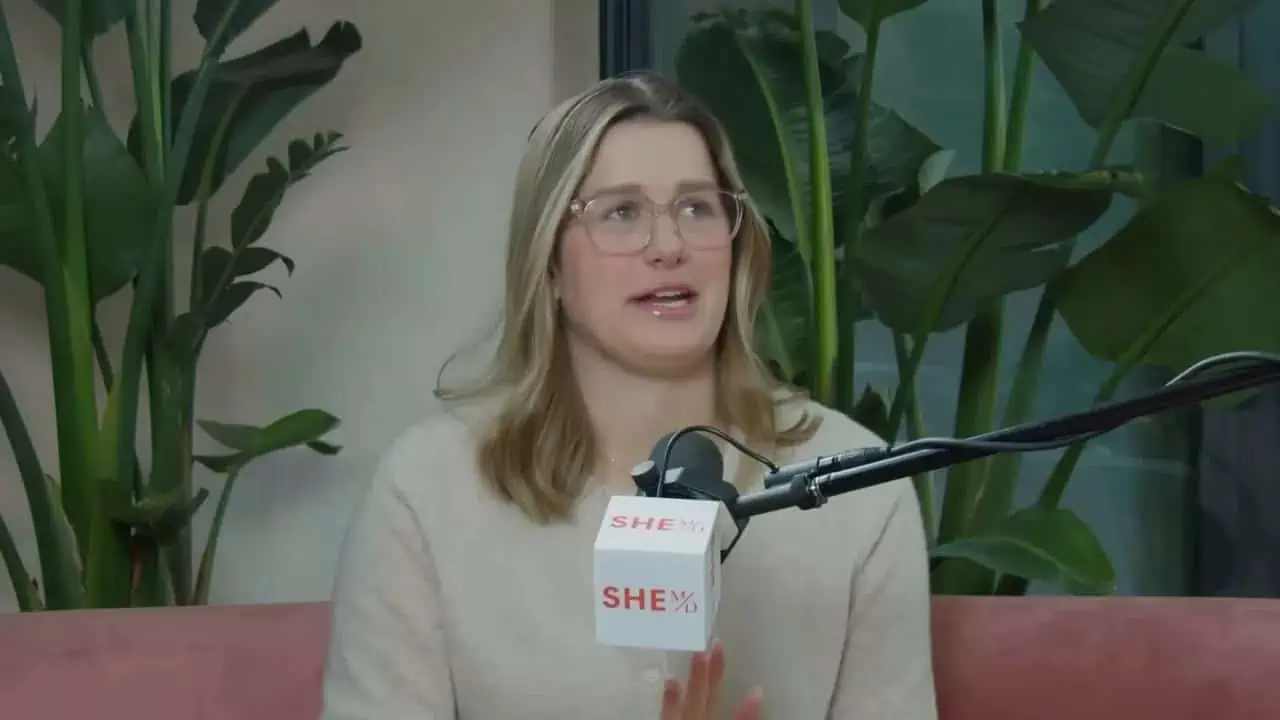
As Dr. Thaïs Aliabadi explained, diagnosing PCOS in a 14-year-old is not always straightforward. In the first few years after menstruation begins, cycles can be irregular. That alone does not automatically equal PCOS. But it is also not something to dismiss when other symptoms are present.
How do you actually know if you have PCOS?
One of the most useful parts of this conversation was the breakdown of how PCOS is generally diagnosed. Dr. Aliabadi explained that clinicians typically look for two out of three criteria:
Irregular cycles
Polycystic-appearing ovaries on ultrasound
Elevated testosterone symptoms, such as facial hair, body hair, acne, or hair thinning
And that is where things get complicated. Not every woman with PCOS looks the same. Some have regular cycles. Some do not have obviously elevated testosterone on bloodwork but still show symptoms clinically. Some are lean. Some gain weight. Some struggle more with fertility. Some struggle more with acne, anxiety, or insulin resistance.
Victoria had already been told she had ovaries with the classic “string of pearls” appearance, meaning many follicles on ultrasound. She also identified with other symptoms and patterns often seen in PCOS, including anxiety and a history of disordered eating. But because her period became more regular after stopping birth control, she kept getting mixed opinions from different doctors.
That inconsistency is exactly why so many women feel lost. One doctor says PCOS is not real. Another says it is. Another prescribes progesterone. Another says not to take it. Even women with access to excellent care can end up confused.
If that sounds familiar, you are not imagining the problem. Women’s hormonal conditions are frequently minimized, oversimplified, or misunderstood. Self-advocacy becomes essential. We have written more about that in this guide to advocating for yourself at the doctor’s.
Why is PCOS missed so often?
Because it does not present as one tidy formula, and too many clinicians still do not take the time to listen carefully.
Dr. Aliabadi made a powerful point: much of the diagnosis is in the history. If a patient says she had irregular cycles as a teen, has follicles on ultrasound, struggles with anxiety, disordered eating, or hair-related symptoms, and has family patterns of insulin resistance or diabetes, the picture may already be there.
She also emphasized a core driver in many cases of PCOS: insulin resistance. This matters because it helps explain why some women feel like their bodies are fighting them, why weight can change more easily over time, and why purely aesthetic advice can be so harmful. When the metabolic foundation is being ignored, patients often get blamed for symptoms they are not causing.
For more educational resources on symptoms, fertility implications, and treatment approaches, our PCOS archive offers a broader overview here: PCOS resources and articles.
The link between PCOS and disordered eating
Why do PCOS and eating disorders so often overlap?
This is one of the most important parts of the discussion. Women with PCOS are often told to change their diet, lose weight, cut foods, or “just try harder” without any regard for their psychological history. That can be incredibly dangerous.
Victoria shared a striking example. At one appointment, an OB-GYN quickly told her she needed to cut out gluten and dairy. No nuanced discussion. No assessment of her eating disorder history. No plan for how to make such a major change safely.
She had enough awareness by that point to say no. She knew that abruptly eliminating major food groups could trigger her in harmful ways. But many young women would have left that office feeling terrified, ashamed, and determined to restrict harder.
That is where healthcare can unintentionally worsen the very thing it should be helping. A woman with PCOS may already be struggling with her body, already feel betrayed by her metabolism, and already carry years of dieting trauma. If advice is delivered carelessly, it can push her deeper into disordered eating.
That is why a sustainable approach matters. Support for PCOS has to consider insulin resistance, hormones, inflammation, fertility goals, and mental health at the same time. Not separately.
Endometriosis, pain, and not dismissing symptoms
When are painful periods more than “normal” cramps?
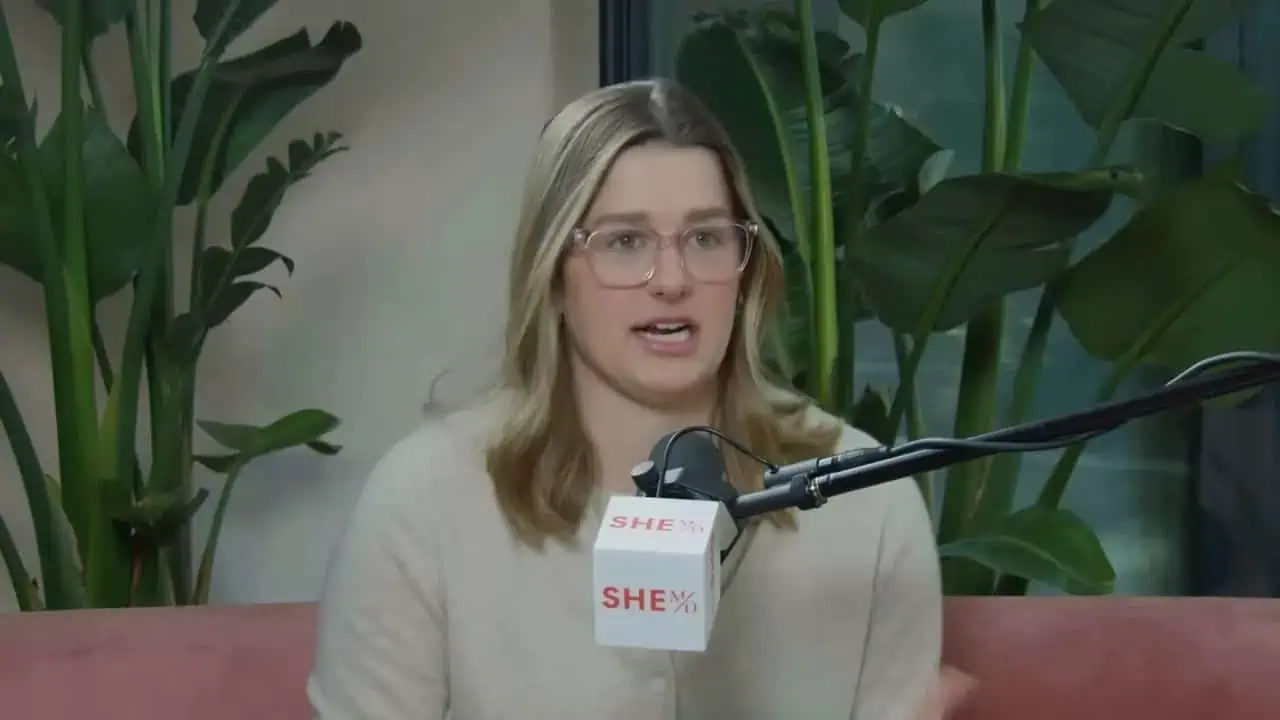
This part of the conversation shifted naturally into endometriosis, because the overlap between conditions can be significant. Dr. Aliabadi noted that if someone has PCOS, the likelihood of also having endometriosis can be substantial.
So how do you know if pain deserves more evaluation? A simple question can be surprisingly helpful: Does it affect your life?
If your period pain makes you cancel plans, stay home from work, avoid intimacy, or brace yourself every month with dread, that is not something to brush off. Painful sex, bloating, pelvic pain, and severe cycle-related symptoms all deserve attention.
Victoria shared that the first day of her period is difficult for her, especially without pain relief. She experiences back pain and bloating, but not the kind of prolonged, severe symptoms some of her friends with endometriosis have described. Even so, Dr. Aliabadi encouraged proper evaluation rather than assumption.
That is an important takeaway. Women often compare their pain to someone else’s and convince themselves it is not “bad enough” to count. But that mindset can delay diagnosis for years. If painful periods are interfering with your quality of life, they are worth investigating.
If this is an area you are trying to understand more clearly, our detailed educational page on endometriosis symptoms, diagnosis, and treatment goes deeper into what to look for.
Birth control, ovarian suppression, and checking egg count
What should women know about long-term birth control use and fertility tracking?
One especially practical part of the conversation involved ovarian reserve. Dr. Aliabadi shared that in a small subset of patients, being on a combination birth control pill for many years can chronically suppress the ovaries. Because of that, she recommends checking egg count regularly if someone plans to stay on the pill long term.
That point matters because many women are told not to think about fertility unless they are actively trying to conceive. But information is not the same thing as urgency. Knowing your egg count, anti-Müllerian hormone, and hormonal picture can help you plan ahead without panicking.
Victoria described the familiar frustration of asking for these tests and being told to wait because she was not trying for a baby yet. That advice leaves many women in the dark during the very years when information would be most useful.
Dr. Aliabadi strongly pushed back on that mindset. Waiting until someone is already struggling can mean missing a valuable window, especially for women with PCOS, endometriosis, or a family history of fertility issues.
Egg freezing vs embryo freezing
What is the difference between freezing eggs and freezing embryos?
This is one of the most practical fertility questions women ask, and the answer is nuanced.
When you freeze eggs, you preserve quantity, but you do not fully know quality yet. You know how many eggs were retrieved and frozen, but not how many would become healthy embryos later.
When you create embryos with sperm before freezing, you gain more information up front. Now you can assess embryo development and quality. In that sense, embryo freezing can provide more clarity.
But there is a major legal and emotional caveat. Embryos belong to both genetic contributors. If you make embryos with a partner and later separate, you may not be able to use those embryos without that partner’s consent. Eggs, on the other hand, remain yours.
So the decision often comes down to circumstance:
Freeze eggs if you do not have a partner or are not fully sure about creating embryos with one.
Consider embryos if you are in a secure situation and want more information about quality ahead of time.
Age matters too. Dr. Aliabadi explained that younger eggs are generally higher quality. A woman with PCOS may retrieve many eggs at a younger age, but egg quality still declines over time. So freezing earlier can preserve younger eggs even if some are lost in the freeze-thaw process later.
The key point is not that everyone should rush into fertility preservation. It is that women deserve real information, not dismissive reassurances or fear-based myths.
Why social media can help, if you use it wisely
Can social media actually improve women’s health awareness?
Yes, with a big asterisk.
Social media can absolutely harm body image and mental health. That part is real. But Victoria made an equally important point: it can also democratize information. Women can now hear conversations about PCOS, endometriosis, mental health, painful periods, fertility, and body image without needing perfect access to elite doctors or private networks.
That accessibility matters. For years, many women only learned about these conditions if they happened to land in the right office with the right physician. Now they can encounter language, questions, and red flags that help them recognize themselves sooner.
Of course, not all information online is good information. Victoria emphasized the need to be smart about sources. Not every viral health take deserves your trust. But thoughtful podcasts, reputable doctors, patient educators, and evidence-based resources can help women ask better questions and feel less alone.
Mental health, motherhood, and support systems
What role does support play in recovery and self-advocacy?
A huge one.
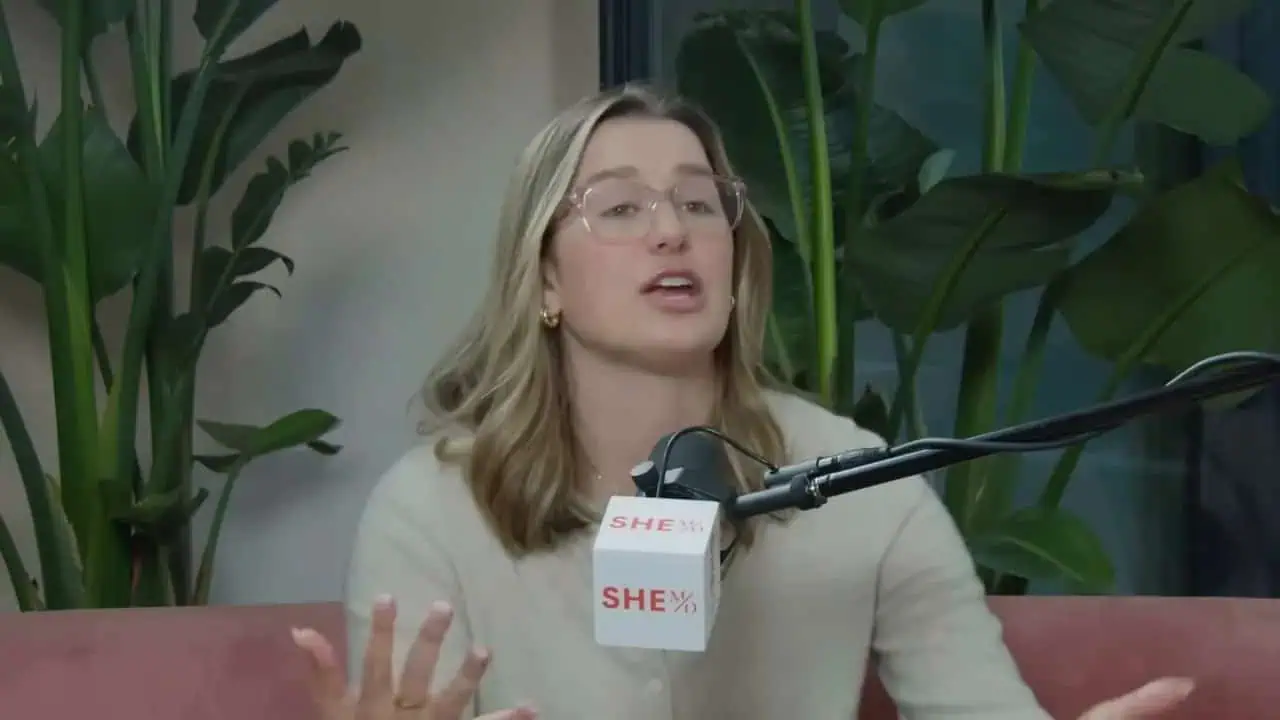
One of the warmest themes in this conversation was the power of telling the truth to someone safe. For Victoria, that person was her mom. For someone else, it may be a friend, therapist, coach, sibling, or partner. The point is not that everyone needs the same support system. The point is that secrecy usually makes suffering worse.
Victoria spoke beautifully about the relief that comes when you say the hard thing out loud. Sometimes the weight shifts the moment the words leave your mouth. That is true for eating disorders, anxiety, body dysmorphia, fertility fear, and chronic pain. Belief matters.
Mary Alice also brought in the parent perspective, acknowledging how painful it is to watch a child struggle and how important it is for young women to know they are not weak or vain for feeling conflicted about their bodies. Sports can be transformative. So can motherhood. So can honesty.
What advice would you give young athletes and the people raising them?
If a girl loves sports but struggles with body image, what should she hear?
Victoria’s answer was refreshingly clear: please play sports.
Do not quit a sport you love because you think your body should look different. Sports teach resilience, teamwork, discipline, confidence, and joy. They can shape a life in extraordinary ways. The answer is not to abandon athleticism so you can chase a smaller frame.
At the same time, we have to tell the truth. Being an athlete can intensify body image struggles, especially in girls and women. That does not mean sports are the problem. It means athletes need better support, better messaging, better coaching, and better healthcare around them.
Some important reminders for athletes and families:
Strength is not the opposite of beauty.
Fueling your body is not a failure of discipline.
Painful periods and hormonal symptoms deserve medical attention.
A doctor’s dismissal is not proof that nothing is wrong.
Talking about food struggles early can prevent deeper harm.
You do not have to navigate any of this alone.
Victria also stressed the importance of finding someone you can confide in. That relationship can make all the difference. You do not have to wait until you have the perfect words. Sometimes just starting the conversation is enough.
FAQs
What are common signs of PCOS?
Common signs can include irregular periods, ovaries with many follicles on ultrasound, acne, excess facial or body hair, hair thinning, insulin resistance, anxiety, weight changes over time, and fertility challenges. Not every person with PCOS has the exact same combination of symptoms.
Can you have PCOS with regular periods?
Yes. Some women with PCOS do have regular cycles. Diagnosis is not based on periods alone. Ultrasound findings, androgen-related symptoms, and the overall history also matter.
Is intuitive eating helpful after an eating disorder?
For many people, yes. Victoria described intuitive eating as the framework that helped heal her relationship with food. It can help shift attention away from rigid dieting rules and back toward hunger, fullness, satisfaction, and body trust. It should be approached thoughtfully, especially in recovery, and often works best with support.
Why can female athletes be vulnerable to body image issues?
Female athletes are often expected to be both strong and conventionally thin, which can create intense internal conflict. Their bodies are also highly visible and often scrutinized. Uniforms, performance pressure, and social comparison can make body image struggles worse.
When should painful periods be evaluated for endometriosis?
If period pain affects your daily life, causes you to miss work or social plans, leads to painful sex, or comes with bloating and pelvic pain, it deserves medical evaluation. Severe symptoms should not be dismissed as something you just have to tolerate.
What is the difference between egg freezing and embryo freezing?
Egg freezing preserves unfertilized eggs, which remain solely yours. Embryo freezing involves fertilizing eggs with sperm first, which can provide more quality information, but also creates shared ownership if a partner is involved. The best choice depends on your age, goals, and relationship situation.
Can social media help women understand their health?
It can, if the information comes from credible sources. Social media and podcasts can make conversations about PCOS, endometriosis, fertility, and mental health more accessible. But it is important to avoid fear-based or unverified health advice.
A better standard for women’s health
What made this conversation resonate is that it was never only about one diagnosis. It was about the lived reality of being a woman in a body that people comment on, judge, medicalize, and sometimes ignore. It was about the gap between symptoms and answers. It was about how easily disordered eating can grow in environments that praise control. And it was about how powerful it is when women begin telling the truth, asking harder questions, and refusing to accept dismissal as care.
Victoria Garrick Browne brings that honesty to everything she does, from her mental health advocacy to her work helping athletes feel less alone. And the broader message here is one we keep coming back to: if something feels off in your body, it is worth paying attention to. If a doctor brushes it aside, ask again. If food rules are making you feel trapped, there is another way. If sports make you feel powerful, your body does not need to apologize for what it takes to perform.
Women deserve better than confusion, shame, and delayed answers. They deserve care that sees the whole person.
And sometimes the first step toward that care is simply hearing your own experience reflected back to you and realizing, finally, that it makes sense.
Concerned About Your Health? Talk to Dr. Aliabadi
Dr. Aliabadi is an expert OB/GYN who is knowledgeable in all aspects of women’s health and well-being. Dr. Aliabadi and her caring, supportive staff are available to support you through PCOS, endometriosis, menopause, childbirth, infertility, or routine gynecological care. We invite you to establish care with Dr. Aliabadi. Call us at (844) 863-6700 or
This article was created from the video Body Image Challenges, Endometriosis Insights, & ED Recovery with Victoria Garrick Browne | SHE MD for Dr. Thais Aliabadi’s website.