Table of Contents
- Understanding The Journey Through Pregnancy and Motherhood
- Recognizing Postpartum Depression: A Doctor’s Perspective
- Sarah’s Path to Healing and Second Pregnancy
- The Importance of Advocacy and Support in Women’s Health
- Insights for Everyone on Postpartum Depression and Motherhood
- Sarah Hoover’s Book and the Need for Honest Conversations
- FAQs on Birth Trauma and Postpartum Depression
Understanding The Journey Through Pregnancy and Motherhood
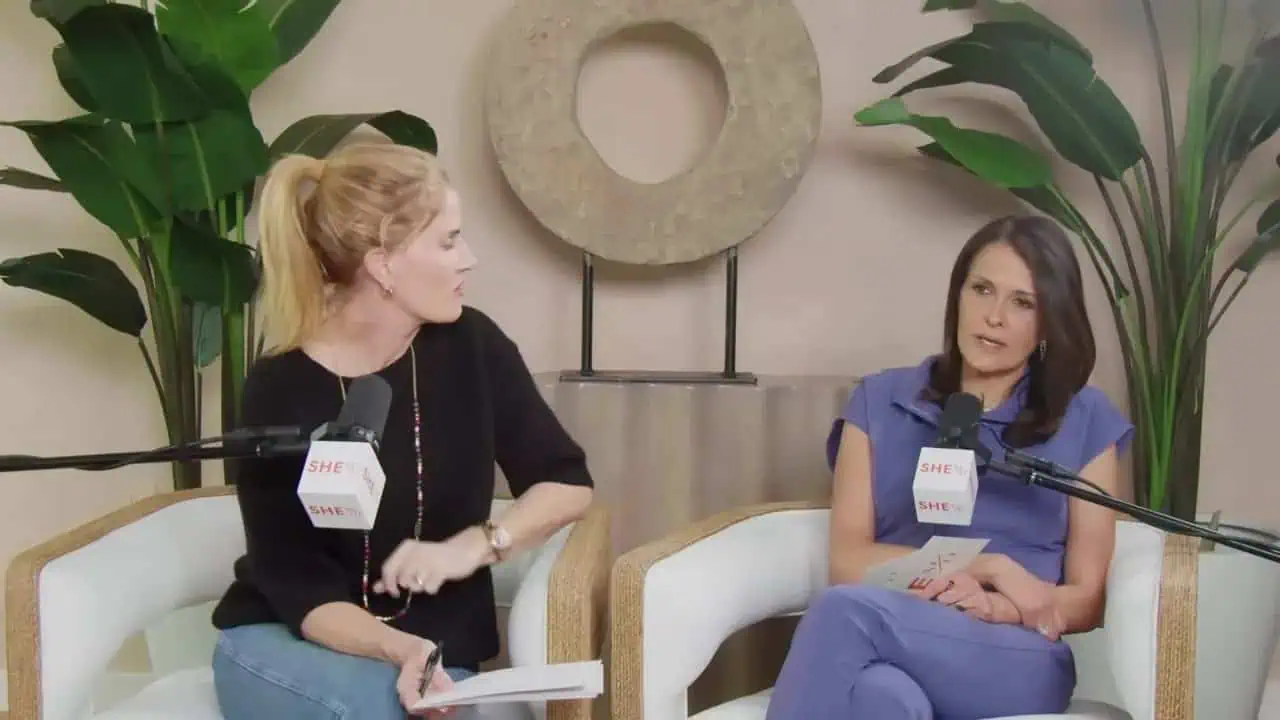
Author Sarah Hoover talks with Dr. Thais Aliabadi and Mary Alice Haney about her journey with birth trauma, postpartum depression, and motherhood.
Can you start by sharing what your experience was like during your first pregnancy and how your expectations compared to reality?
I had what many would call a “dream life” before pregnancy—living in New York, working in a large international art gallery, and married to an artist. When I got pregnant with my first child at 33, I followed what society expects: marriage, pregnancy, motherhood. But I hadn’t really contemplated what motherhood would mean to me personally.
While there were moments during pregnancy that I liked, such as the secret excitement of carrying a baby and feeling cute despite the summer heat, other parts were incredibly hard. I suffered terrible nausea until 20 weeks, felt lonely without many friends going through the same journey, and my brain felt foggy. I was terrified to take maternity leave because my work was a huge part of my identity, and stepping away felt like losing myself.
Looking back, I recognize that I was likely depressed during pregnancy but didn’t really understand or acknowledge it then.
What was your labor and birth experience like, and how did it affect you afterward?
My labor started on my due date, but I didn’t have any dilation when I went for my weekly checkup. An OB detected amniotic fluid leakage and quickly decided to induce labor. I was terrified, even insisting on a blowout before going to the hospital, which, in hindsight, was a delusional way of coping.
The hospital experience was traumatic. The OB broke my water with a painful hook tool, which caused me immense physical pain and emotional fear. When I expressed pain, she dismissed me, saying no one else complained this way. The lack of empathy and advocacy made me feel gaslit and alone during a vulnerable moment.
When my son was born, instead of feeling the “hormonal fireworks” and instant love that many describe, I felt nothing. I was broken and disconnected, and that plunged me into a severe postpartum depression lasting a year. It was isolating and scary—I knew I needed help when my thoughts turned suicidal.

Recognizing Postpartum Depression: A Doctor’s Perspective
What signs during pregnancy and postpartum would raise concern for healthcare providers about mental health challenges like postpartum depression?
When patients continue to have severe nausea and vomiting past 12–14 weeks, it often raises red flags for us. Persistent vomiting can sometimes stem from anxiety or depression rather than just physical pregnancy symptoms.
It’s essential to inquire about mental health history and any past trauma, especially sexual abuse, as it deeply influences pregnancy and postpartum experiences. Pregnancy can often act as a trigger, reopening old wounds and increasing the risk for depression and anxiety.
I routinely see patients two weeks after delivery to monitor mood changes and bonding with their child. While the “baby blues” are common shortly after birth, if symptoms go beyond six weeks or worsen, it’s a clear signal that intervention is needed.
For women with a history of complicated births, depression, anxiety, or limited social support, the risk of postpartum depression increases significantly.
How do sexual abuse and trauma before pregnancy affect postpartum recovery?
Trauma related to sexual assault is a deeply scarring experience that never fully disappears. Pregnancy and childbirth can retraumatize survivors, making their journey much more challenging. Many women, including myself, struggled to even say the words “I was raped” because of the shame and stigma attached.
This unresolved trauma heightens anxiety and depression during pregnancy and postpartum, often requiring specialized care, both therapeutic and medical.
Sarah’s Path to Healing and Second Pregnancy
How did you eventually find help, and what was your healing process like?
My turning point came during an annual checkup when my doctor asked about my relationship and feelings toward motherhood. Admitting feelings of hatred and detachment was difficult but necessary, and she was direct about the crisis I was in. She prescribed me antidepressants and encouraged me to find a therapist who truly resonated with me.
I had previously been against medication, due to stigma and lack of understanding, but starting Zoloft was life-changing. It lifted a massive weight off me, allowed me to open up in therapy, and diminished terrifying anxiety, including nightmares where I feared for my baby’s safety.
Therapy was essential, but medication opened the door for emotional progress. I also explored various modalities like EMDR and ketamine therapy to process my trauma fully.
What was different about your second pregnancy and birth experience?
With my second pregnancy, I was equipped with the knowledge and tools that I previously lacked. I had treated my trauma beforehand and had a clear vision for how I wanted my birth to go. Thanks to the support of an incredible midwife, I was able to set boundaries and advocate effectively for my needs.
This included asking for an epidural before water breaking, denying cervical checks that I found triggering, and insisting on being informed and asked before any interventions. I went through a rigorous process of interviewing doctors to find one willing to respect my birth plan.
This birth was fundamentally different. It was empathetic, supportive, and safe—I wasn’t traumatized and felt immediate bonding with my baby. It was healing in every sense.
The Importance of Advocacy and Support in Women’s Health
What advice do you give to women who want to advocate for themselves in healthcare settings, especially around pregnancy and childbirth?
Advocacy begins with education and clarity about your boundaries. If you struggle with asserting yourself, write down exactly what you want and need. Even practicing in front of the mirror can help prepare you to speak up during appointments or labor.
It’s okay to refuse certain procedures that trigger trauma and to insist on empathy and respect from providers. If a provider dismisses your concerns or won’t honor your birth plan, it’s okay to find another provider who listens.
Though this process can be hard, especially for women without resources or education like I had, learning to be your own advocate is critical. It can be life-saving.
How important is partner support during pregnancy and postpartum?
Having a nurturing, attentive partner makes a profound difference. Today’s dads tend to be more involved and caring than previous generations, which supports maternal recovery. But many women lack this support, which can exacerbate postpartum struggles.
Partners should treat new mothers with kindness, understanding that pregnancy and birth require immense physical and emotional sacrifice. Sometimes the best support is simple acts like getting water at night or offering a calf massage for cramps. Respect and empathy are paramount.
Insights for Everyone on Postpartum Depression and Motherhood
What are common misconceptions about postpartum depression?
Many people believe postpartum depression is just intense sadness or crying constantly, but it can also manifest as irritability, anger, detachment, and a lack of joy. Not all women “look” depressed, and that can cause imposter syndrome, where they feel they don’t deserve help.
Around 50% of women with postpartum depression remain undiagnosed because of stigma, lack of awareness, or inadequate screening by doctors. Medication and therapy are effective treatments, but many women are afraid to seek them due to misconceptions about mental illness.
Are antidepressants safe during pregnancy and postpartum?
Yes, medications like Zoloft and Prozac have extensive research supporting their safety during pregnancy and breastfeeding. These medications can dramatically improve the quality of life and reduce risks associated with untreated depression.
There are even newer treatments like Zerzovi, a fast-acting pill for postpartum depression, that start working within days—a much-needed advancement for mothers facing urgent mental health challenges.
How can expecting mothers prepare for the mental health challenges of pregnancy?
Addressing any past trauma or mental health issues before pregnancy is crucial. Therapy, including modalities like EMDR, and planning a supportive birth experience with healthcare providers can reduce the risk of postpartum depression.
Build a solid support network, communicate clearly with your healthcare team, and consider mental health treatments proactively. Understanding what to expect and recognizing early signs can empower women to seek help sooner.
Sarah Hoover’s Book and the Need for Honest Conversations
You wrote a memoir about your experiences. What motivated you to share your story in this way?
I wrote my memoir, The Motherload: Episodes from the Brink of Motherhood, because no book reflected what I was going through honestly. I wanted to create a resource that captured the raw, unfiltered reality of motherhood, birth trauma, and postpartum depression.
Women often feel isolated in these struggles. Sharing personal stories can destigmatize these experiences and foster a community of understanding and support.
I also see the need for men to educate themselves on these topics to better support women. It’s time we recognize the burdens and miracles of motherhood while pushing for compassionate care and respect.
What is the key takeaway you hope readers gain from your book and your story?
And beyond that, be your own health advocate. Figure out what you need to feel safe and cared for, and don’t be afraid to insist on that—even if it means practicing your words beforehand. No one will stand up for you better than you will.

FAQs on Birth Trauma and Postpartum Depression
What are the common signs of postpartum depression to look out for?Postpartum depression can show up as persistent sadness, irritability, anger, detachment from the baby, lack of joy, anxiety, and severe fatigue. If these symptoms persist beyond six weeks after childbirth or interfere with daily functioning, it’s important to seek help.
Can antidepressants be safely taken during pregnancy and while breastfeeding?Yes, many antidepressants, including Zoloft and Prozac, have been proven safe during pregnancy and breastfeeding. They can be critical for managing depression and anxiety to protect both mother and baby.
How can women advocate for better care during childbirth?Women should communicate clearly about their birth preferences, set boundaries, and ask providers for empathy and explanations before procedures. Preparing a birth plan, interviewing providers, and bringing a doula or support person can help empower women during labor.
What role does partner support play in postpartum recovery?Partner support is vital. Emotional and practical support, such as helping with the baby, providing comfort, and showing understanding, makes recovery easier and reduces the risk of postpartum depression.
How can prior trauma impact pregnancy and postpartum mental health?Unresolved trauma, especially related to sexual assault, can resurface during pregnancy and childbirth, increasing anxiety, depression, and risk of postpartum mood disorders. Therapy and trauma-informed care before pregnancy can help manage these effects.
Concerned About Your Health? Talk to Dr. Aliabadi
Dr. Aliabadi is an expert OB/GYN who is knowledgeable in all aspects of women’s health and well-being. Dr. Aliabadi and her caring, supportive staff are available to support you through PCOS, endometriosis, menopause, childbirth, infertility, or routine gynecological care. We invite you to establish care with Dr. Aliabadi. Call us at (844) 863-6700 or
This article was created from the video Breaking the Silence on Birth Trauma and Postpartum Depression ” with Sarah Hoover | SHE MD for Dr. Thais Aliabadi’s website.