Mari Llewellyn’s journey is a compelling story of resilience, transformation, and dedication to women’s health. From overcoming mental health challenges and losing 90 pounds to navigating the complexities of PCOS and fertility, Mari shares candid insights about her path and her mission to make wellness accessible through Bloom Nutrition. In this interview, Dr. Thais Aliabadi and Mary Alice Haney explore Mari’s personal experiences, the science behind her journey, and practical advice for women aiming to take control of their health.
Table of Contents
- Mari, can you share a bit about your personal fitness journey and what inspired your transformation?
- What were the baby steps you took when starting this new lifestyle, especially if someone feels overwhelmed?
- When were you diagnosed with PCOS, and what was your experience like?
- Can you walk us through your experience with trying to conceive and what steps you took?
- Tell us about the creation of Bloom Nutrition and how your personal experience influenced the brand.
- Which supplements do you personally rely on and why?
- What are your top five tips for women seeking to improve their health and well-being?
- FAQ
- Final Thoughts
Mari, can you share a bit about your personal fitness journey and what inspired your transformation?
Absolutely. My story started from a really challenging place. Growing up, I moved a lot because of my dad’s work with the United Nations, living in places like London and Switzerland. But when I settled in the U.S., my college years were pretty tough mentally. I struggled with borderline personality disorder, unhealthy coping mechanisms like heavy drinking, and I was far from taking care of myself physically or emotionally. At my lowest, I was 250 pounds, failing school, and feeling completely hopeless.
The turning point came in a surprising form—a book called Food is Medicine that my dad bought me. Though I was skeptical, that book set me on a path to viewing nutrition and fitness as tools to regain control. I started small, swapping out sugary breakfasts for eggs and oatmeal. That gave me a foothold to start moving more, and with support from my husband—who is a bodybuilder—I eventually embraced weightlifting. It was not about quick fixes but steady, intentional changes, and over time, I lost 90 pounds.
“I think the biggest piece was learning to keep my own promises to myself, even if they were small and seemed insignificant.” — Mari Llewellyn.
What were the baby steps you took when starting this new lifestyle, especially if someone feels overwhelmed?
Starting small is key. For me, it wasn’t “go to the gym hard day one.” Instead, I focused on walking daily, especially walking my dog several times. That simple, consistent movement helped get me comfortable with physical activity. When I eventually felt ready to enter the gym, I brought my partner, who introduced me to weightlifting basics. I also watched YouTube videos to have a plan beforehand.
Most importantly, I made promises to myself about what I’d do each day—even if it was just a short walk or a few minutes on the treadmill. Showing up consistently built my confidence, and that momentum allowed me to tackle bigger goals like finishing my degree and diving deeper into fitness and nutrition education.
Can you explain the role of nutrition in your transformation? What changes did you make?
Nutrition was a game-changer for me, but I didn’t understand it at all at first. I didn’t know about macronutrients—protein, fats, and carbs—or their roles in health. When I started seriously tracking what I ate, I was able to see exactly how much of each macronutrient I was consuming. This insight helped me swap out processed, sugary foods for balanced meals rich in nutrients.
Removing refined sugars like muffins and iced coffees was especially important considering my diagnosis of PCOS. I experimented with different diets and found that lower-carb, higher-fat eating suited me best. Healthy fats, in particular, helped stabilize my mood and energy, which is crucial for women managing hormone imbalances.
When were you diagnosed with PCOS, and what was your experience like?
It was a bit of a confusing journey. I had many PCOS symptoms like acne along the jawline, hair growth, and elevated testosterone on lab work, well before I was officially diagnosed. However, it took years for a doctor to actually confirm PCOS for me. Even recently, during fertility scans, I discovered I had many follicles in my ovaries, which I hadn’t known before.
PCOS diagnosis isn’t just about having cysts—it’s about meeting two of three criteria: irregular periods, many follicles seen on ultrasound, and signs or lab evidence of elevated testosterone. It’s important to know that you can have PCOS symptoms even if some tests look normal. Many women with PCOS also deal with anxiety, mood disorders, and a family history of insulin resistance or diabetes.
What are some of the challenges PCOS poses for weight and fertility?
Weight gain is common, occurring in about 75% of women with PCOS at some point. Insulin resistance plays a big role in this. Fertility can also be affected due to irregular ovulation or inflammation. Many women don’t get timely or correct treatment and find themselves in fertility clinics later on.
When I changed my diet, removed processed foods and sugars, and started exercising, I began to see weight loss and improved health even before turning to medication. It’s a holistic and long-term commitment. You can’t rely on medication alone without lifestyle changes.
Can you walk us through your experience with trying to conceive and what steps you took?
We started actively trying in November last year. Before that, I was on birth control pills on and off for 10 years, and after stopping, I lost my period for a full year. Early on, we didn’t track ovulation or know which tests to run, which added to the frustration. We eventually did genetic testing and ovarian reserve tests like AMH, which were okay.
My husband got tested a little later, which was a missed opportunity initially because his sperm health needed work. Being young, we hoped fertility would come easily, but the mental exhaustion started to build as months passed.
What advice do you give couples struggling with infertility, especially with a PCOS diagnosis?
First, the definition of infertility is trying to conceive for a year without success if you are under 35, or six months if you are over 35. About 90% of couples do conceive within a year, while 10% do not. Of that 10%, many have diagnoses like PCOS or endometriosis.
To understand why conception may be difficult, a comprehensive evaluation includes:
- Confirming ovulation and hormonal balance
- Checking ovarian reserve and egg quality
- Assessing the husband’s sperm health
- Evaluating for endometriosis or adenomyosis, which can affect implantation
- Ruling out autoimmune or other systemic conditions
For PCOS, supplements like OV, which contain targeted ingredients to support hormone balance, and medications such as metformin to improve insulin sensitivity, can be helpful starting before trying to conceive or during fertility treatments.
Sometimes symptoms of conditions like endometriosis are suppressed by long-term use of birth control, so unraveling these underlying issues is essential.
Tell us about the creation of Bloom Nutrition and how your personal experience influenced the brand.
After sharing my fitness journey online in 2017, I was overwhelmed by how many women reached out wanting guidance. My initial product was a simple $5 PDF workout guide that I manually sent out via email. It was so gratifying to help others, and it built the foundation of a small community.
Using the earnings from that, my husband and I started sampling and developing Bloom Nutrition in 2018. We wanted supplements that felt approachable, friendly, and tailored for women—especially those new to fitness like I was. The market was dominated by intimidating, masculine packaging and products that didn’t feel welcoming.
We launched our first products in early 2019 and honestly did almost everything ourselves—from design to customer service. The community we’d built supported us fiercely, and the products sold out quickly. Our greens powder, developed before the COVID pandemic, became a flagship because it’s all-in-one, delicious, and integrates adaptogens, probiotics, and fruits/veggies to support overall wellness.
What sets Bloom’s greens powder apart from others on the market?
Beyond taste—which is crucial—our green powders are designed to be accessible, affordable, and genuinely effective with high-quality ingredients. We’ve also prioritized broad retail availability, including stores like Target and Walmart, to ensure women can get it without hassle.
Marketing-wise, we aimed for a look and feel that welcomes women of all ages and fitness levels, not just athletes or bodybuilders. Our social media presence is vibrant and tailored to a Gen Z to millennial audience who want transparency and authenticity.
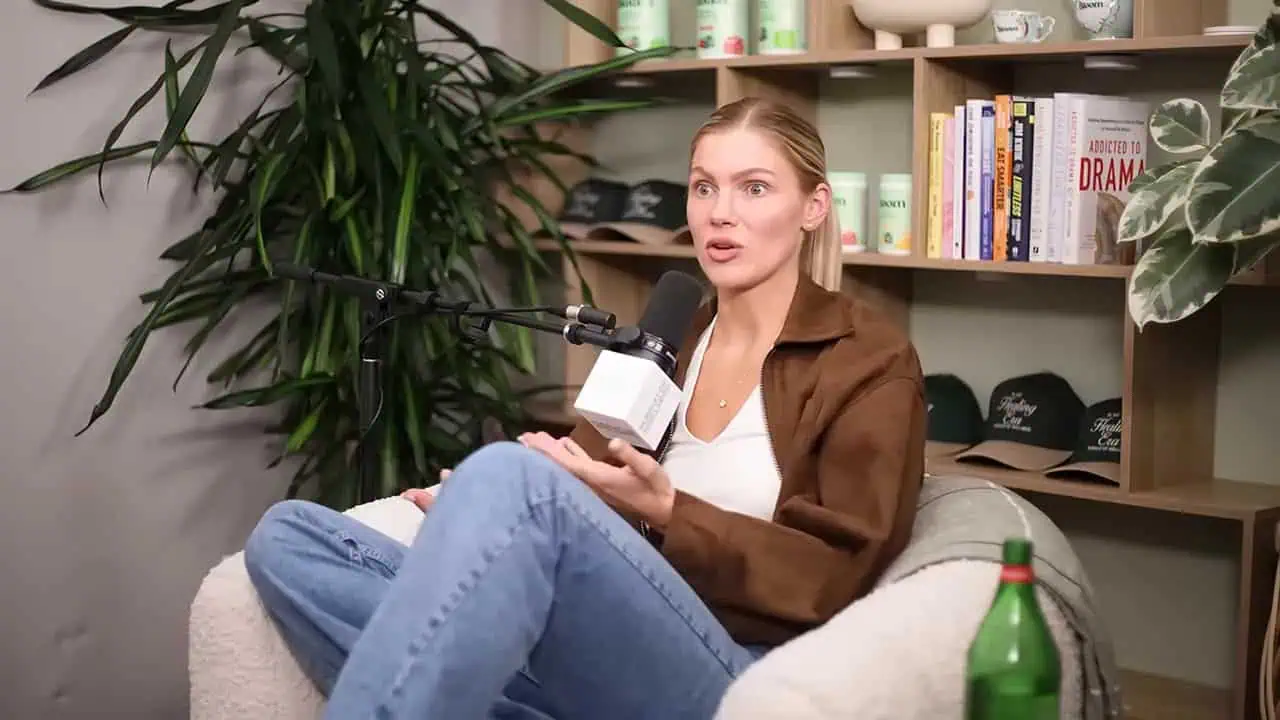
Which supplements do you personally rely on and why?
My “stack” changes over time, especially since I’m acne-prone and have to be cautious about certain vitamins. Right now, I’m a fan of fish oil and digestive enzymes for general health. Bloom’s colostrum supplement has been a revelation for me, especially after a bout of H. pylori that required antibiotics.
Colostrum is like nature’s own healing supplement, promoting gut repair and overall immune support. I notice improvements in my gut health and even skin when I include it daily. We source the highest quality colostrum from family-owned dairy farms to avoid any additives or questionable ingredients.
What are your top five tips for women seeking to improve their health and well-being?
- Focus on nutrition: Cut out processed foods, reduce refined sugars, and include enough protein and healthy fats from whole ingredients.
- Educate Yourself: Seek reliable information—podcasts, books, credible resources—and be mindful of what media you consume because it impacts your mindset and body.
- Stay Hydrated: Drinking enough water is simple but often overlooked as a crucial step to feeling good and supporting metabolic health.
- Incorporate Strength Training: Weightlifting builds muscle, supports metabolism, and is especially beneficial for PCOS. Also, walking after meals aids insulin sensitivity.
- Prioritize Mental Health and Gratitude: Daily practices like red light therapy, listening to positive affirmations, or sauna can improve mood and foster a positive mindset, which is integral to overall wellness.
FAQs
What is PCOS, and how is it diagnosed?Polycystic Ovary Syndrome (PCOS) is a hormonal disorder characterized by two of the following three criteria: irregular menstrual periods, many follicles visible on ovarian ultrasound (often described as “string of pearls”), and elevated testosterone symptoms such as facial/body hair or acne. Diagnosis is made based on clinical symptoms, ultrasound findings, and lab tests.
How does weight loss impact PCOS symptoms?Weight loss, especially through improved nutrition and exercise, can reduce insulin resistance and hormone imbalances associated with PCOS. Even modest weight loss can improve ovulation and fertility and reduce symptoms like acne and mood instability.
What lifestyle changes are recommended for managing PCOS?Key changes include reducing processed and sugary foods, incorporating a balanced intake of proteins and healthy fats, regular physical activity (including strength training and walking), managing stress, and staying hydrated. Supplements and medications may also be used under medical supervision.
What should couples know about fertility testing and treatment?An evaluation typically involves checking ovulation, hormone levels, ovarian reserve, sperm health, and ruling out conditions like endometriosis or autoimmune diseases. Treatment is personalized and can include lifestyle changes, supplements, medications, and assisted reproductive technologies such as IVF.
What makes Bloom Nutrition unique compared to other wellness brands?Bloom focuses on creating approachable, effective supplements designed with women in mind, particularly those new to fitness. Their products feature high-quality, all-natural ingredients, affordable pricing, and wide retail availability. They prioritize honest marketing and community-building.
Final Thoughts
Mari Llewellyn’s story highlights the power of self-awareness, education, and gradual lifestyle change. Managing PCOS and fertility challenges requires a comprehensive approach involving nutrition, exercise, mental health, and tailored supplementation. With brands like Bloom Nutrition, the path to wellness becomes more accessible and encouraging for women everywhere.
Taking steps each day, even small ones, can build the foundation for better health and confidence. Nourishing your body, shaking off stigma, and advocating for your unique needs are pivotal. Mari’s experience shows how personal struggles can foster inspiring solutions that empower others on their wellness journeys.
Concerned About Your Health? Talk to Dr. Aliabadi
Dr. Aliabadi is an expert OB/GYN who is knowledgeable in all aspects of women’s health and well-being. Dr. Aliabadi and her caring, supportive staff are available to support you through PCOS, endometriosis, menopause, childbirth, infertility, or routine gynecological care. We invite you to establish care with Dr. Aliabadi. Call us at (844) 863-6700 or
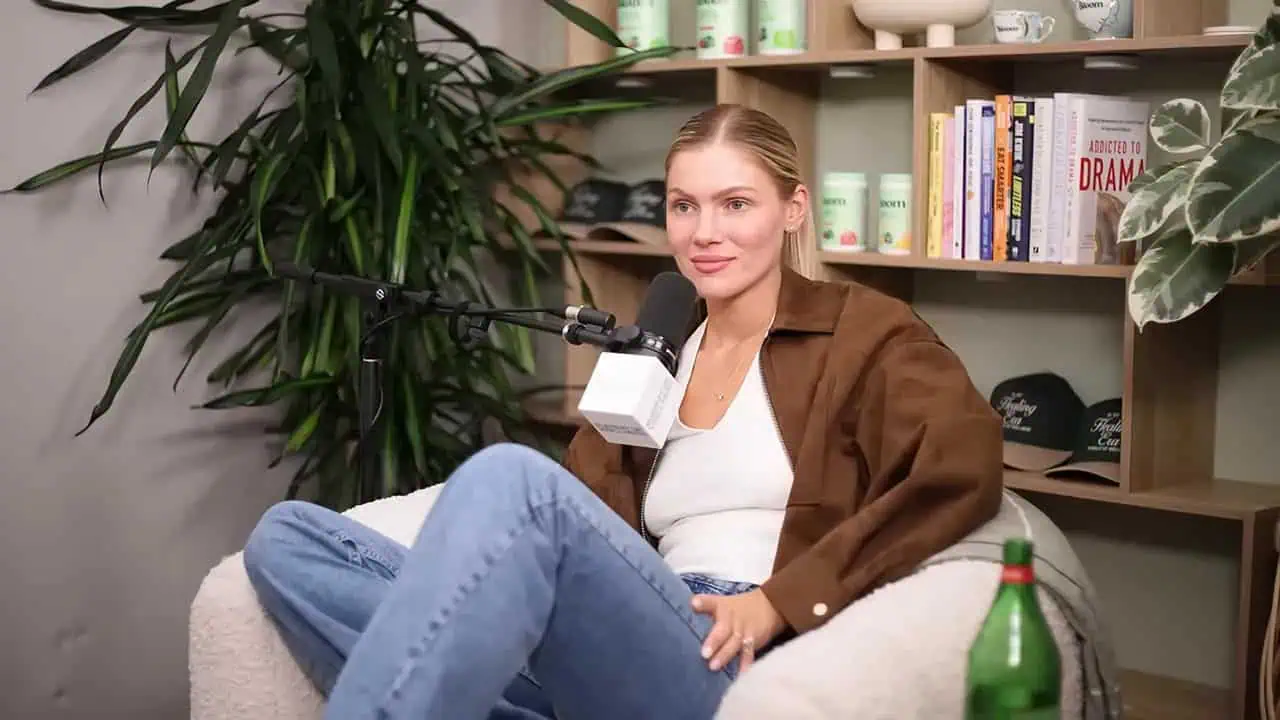
This article was created from the video PCOS, Weight Loss, and Fertility with Mari Llewellyn | SHE MD for Dr. Thais Aliabadi’s website.