Dr. Thais Aliabadi and Mary Alice Haney sit down with Embeth Davidtz to hear how a breast cancer diagnosis reshaped her life, career, and creative priorities. Embeth, an actress known for powerful turns on screen and stage, recently wrote, directed, and starred in her first feature film, Don’t Let’s Go to the Dogs Tonight, which opens July 11. Her story moves between hard medical realities and the surprising freedom that can come from rebuilding. Below we present a focused conversation that covers diagnosis, screening, managing life after treatment, navigating menopause without hormone replacement, and the creative leap that became her second act.
Table of Contents
- About the diagnosis and what went wrong with screening
- How imaging choices affect detection
- Genetic testing and young relatives
- Life after treatment and managing menopausal symptoms without systemic hormones
- Reinvention: writing, directing, and creating a second act
- Lessons for women facing big transitions
- Practical medical takeaways
- Resources mentioned
- FAQ
- Final reflection
About the diagnosis and what went wrong with screening
Can you tell us how your breast cancer was discovered and what happened with screening?
Embeth found a hard lump at age 47 while lying down during a cold. She had a mammogram 11 months earlier that did not detect the tumor. When she went for evaluation, the lump measured roughly 3.5 centimeters and turned out to be invasive ductal carcinoma, aggressive and triple positive. The experience was devastating and abrupt: a negative screening less than a year earlier, then a large, fast-growing tumor.
We want to underline one important point that Embeth and Dr. Thais both emphasize: screening is not one-size-fits-all. A routine mammogram may miss cancers in certain women, especially when breast tissue is dense. That single mammogram should not be viewed as an absolute guarantee.
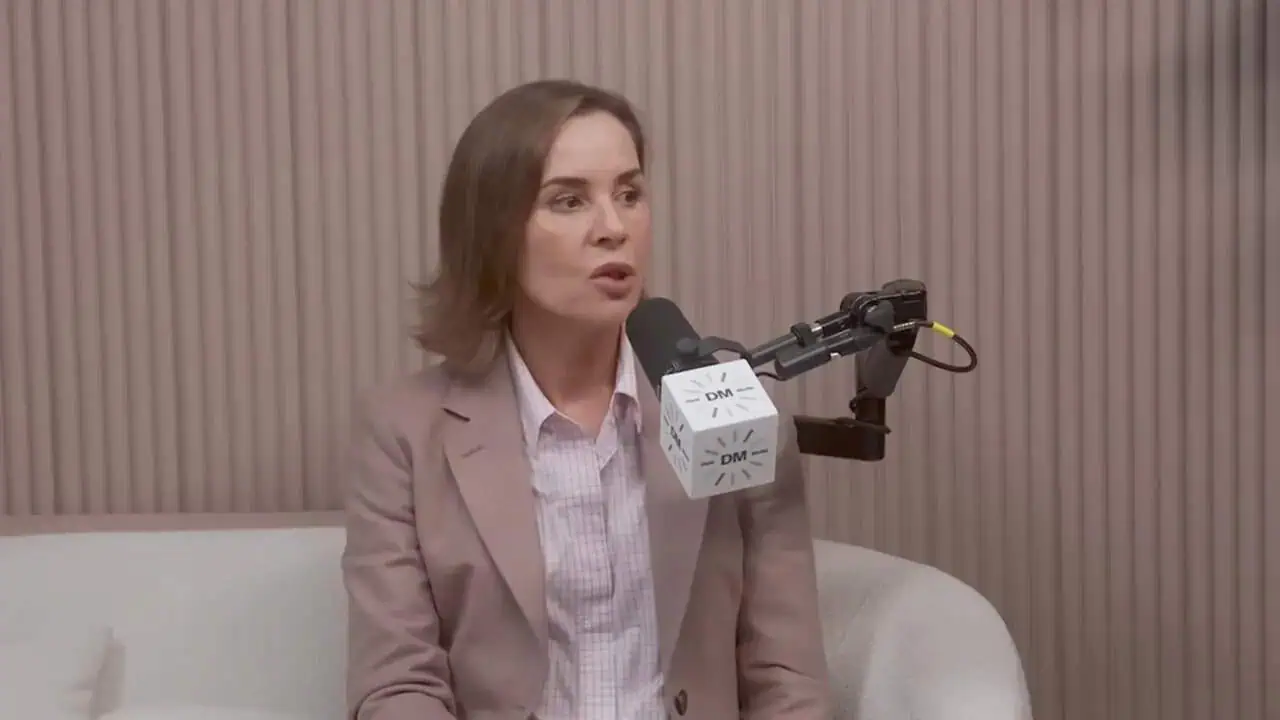
What is the Tyrer-Cuzick model, and why should someone calculate their lifetime breast cancer risk?
Dr. Thais explained the Tyrer-Cuzick model as an evidence-based way to estimate lifetime breast cancer risk. It takes into account:
- Family history (first-degree relatives with breast cancer)
- Personal reproductive history (age at first child, age at menarche, menopause)
- Genetic background and known mutations
- Breast density and other personal health factors
Knowing your risk number is empowering. For many women with a lifetime risk at or above 20 percent, the recommended screening strategy includes supplemental imaging such as an annual MRI in addition to a mammogram and ultrasound. For a risk between about 15 and 20 percent, MRIs may be considered every three to five years. These thresholds are actionable: if your calculated risk crosses them, talk to your clinician about adding MRI and 3D mammography to your plan.
How imaging choices affect detection
Why are 3D mammograms and MRI important, especially for women with dense breasts?
Traditional 2D mammograms are effective for many cancers but have limitations. Mammograms detect about 80 percent of breast cancers, meaning roughly one in five can be missed on mammography alone. Dense breast tissue appears white on 2D mammograms, the same color as many tumors, which can hide abnormalities.
3D mammography, also called tomosynthesis, captures the breast in slices. Instead of one flat x-ray, it produces layered images that allow a radiologist to scroll through the breast volume, like flipping pages in a book. That extra perspective reduces the masking effect of dense tissue and increases cancer detection.
Despite the advantages of 3D mammography, it is not always enough. For women with a lifetime risk of 20 percent or higher, MRI is recommended because it is the most sensitive screening tool available. Dr. Thais typically alternates MRI and mammography/ultrasound every six months for high-risk patients so that nothing gets missed between the two modalities.

What should you do if your doctor resists ordering an ultrasound or MRI?
We hear too many stories of patients being told no. If you have risk factors—family history, dense breasts, known genetic variants—you may be entitled to additional imaging. Practical steps to take:
- Calculate your lifetime risk using an evidence-based tool or ask your clinician to run the Tyrer-Cuzick model for you.
- If your lifetime risk is ≥20 percent, request an annual breast MRI in addition to a 3D mammogram and ultrasound.
- If you have dense breasts, specifically ask for 3D mammography and a supplemental ultrasound.
- If your local physician resists, consider a second opinion from a breast specialist or a high-volume breast imaging center.
Advocacy matters. Embeth’s case is a reminder that patients must be proactive and persistent when standard testing does not match personal risk.

Genetic testing and young relatives
What should adult children of patients with breast cancer consider doing?
For children of someone with breast cancer, timing matters. Routine screening in very young adults is not usually necessary, but genetic risk assessment often begins in the mid-20s. In the episode, Dr. Thais says she would offer genetic testing at age 25 for someone with two family members affected by breast cancer.
The MyRisk panel was recommended by Dr. Thais because it provides three key pieces of information:
- Testing for a broad set of genes associated with cancer risk.
- An automated calculation of lifetime risk using recognized models like Tyrer-Cuzick.
- Polygenic risk markers—small DNA variants that individually carry little risk but collectively can shift lifetime risk significantly.
If the combined risk score reaches or exceeds 20 percent, the clinical recommendation is to begin breast imaging earlier (for example, starting surveillance at age 30) and to include MRI.
Life after treatment and managing menopausal symptoms without systemic hormones
Did your treatment put you into menopause, and how did you cope with those symptoms?
Embeth experienced hot flashes shortly after starting chemotherapy, a common sign of ovarian suppression. Many breast cancer treatments—especially for estrogen receptor positive disease—can induce menopause or worsen menopausal symptoms. For patients whose cancers are hormone receptor-positive, systemic hormone replacement is usually not recommended for fear of stimulating any remaining cancer cells. That reality forces patients and clinicians to pursue alternative symptom control strategies.
Nonhormonal prescription options that can reduce hot flashes and improve sleep include certain antidepressants and nerve medications. Drugs used in this context include venlafaxine (Effexor), paroxetine (Paxil), escitalopram (Lexapro), and citalopram (Celexa). Gabapentin is another medication that helps with hot flashes for some patients. Always discuss drug interactions—especially with medications like tamoxifen—and get oncology clearance before starting anything new.

How do you manage fatigue, brain fog, bone loss, hair thinning, and vaginal dryness after treatment?
These are common and deeply impactful side effects. We want to summarize practical strategies that came out of the conversation:
- Fatigue and brain fog: These can be persistent after chemotherapy and endocrine treatments. Prioritize sleep, structured routines, cognitive strategies such as journaling and note-taking, and small, achievable habits that restore a sense of competence. Neurocognitive complaints may need specialist evaluation if severe.
- Bone health: Endocrine therapies can speed bone loss. Weight-bearing and resistance exercise are foundational. If bone density declines to osteoporotic levels, medications such as bisphosphonates or injectable agents like denosumab (Prolia) are options. Insurance often requires osteoporosis-level loss for coverage, so out-of-pocket or alternative programs may be necessary for earlier intervention.
- Hair thinning: Topical minoxidil is useful. Compounded oral formulations are also used by some clinicians. Nutritional optimization, stress management, and gentle hair care help support regrowth.
- Vaginal dryness and urogenital symptoms: These can be particularly distressing. Options include vaginal moisturizers or lubricants, hyaluronic acid or vitamin E suppositories, and local (low-dose) vaginal estrogen formulations such as Vagifem or the estrogen ring. For patients still on active systemic therapy, consult oncology before using topical estrogen. There are also office-based procedures—CO2 laser therapy (MonaLisa Touch, for example)—that can improve atrophic symptoms for some patients.
Embeth describes building a fortress around her health with diet, heavy weight training, meditation, and connection to the outdoors. That multi-layered approach—lifestyle plus targeted medical therapies—helped her return to high-demand creative work like directing a feature film.
“A woman who’s had this happen in her life is still a sexual, beautiful woman.”
Reinvention: writing, directing, and creating a second act
How did you move from acting to writing and directing your film?
Embeth’s shift began with a desire to remain present for her family and to create work that mattered to her. She read a memoir she loved and bought an option to adapt it. Unable to find a screenwriter who understood the story, she taught herself screenplay structure by reading scripts, drafting, and revising slowly over time. She bought the option, plotted extensively, and ultimately decided to direct when she could not find a director who “got” the female-centered perspective she wanted.
Turning authorial ambition into a finished film required an incremental approach: write a little each day, iterate, and assemble collaborators who shared the vision. She chose a small, intentional creative team—female producers, a child lead who was not a trained actor to preserve naturalism, and a South African actress who carried the soul of the film. With a supportive producer and a husband who believed in her, Embeth forged a path she’d never expected at this stage of life.
What surprised you about learning to direct?
Embeth found herself needing to claim authority in rooms traditionally dominated by men. She learned to speak up, to point to the frame she wanted, and to insist on specific camera positions or edits, even if the cinematographer or editor, both seasoned professionals, initially resisted. Those moments were uncomfortable and emotional, yet necessary. She discovered that leadership often means forging the key for your own kingdom, then insisting that collaborators use it.
The process revealed an important lesson: strong leadership and kindness can coexist. Being assertive about creative choices is less about confrontation and more about stewardship—protecting the story and the people who carry it.
Lessons for women facing big transitions
How did you find purpose and motivation after cancer?
Embeth tells us her therapist recommended finding something outside herself to anchor recovery. The creative work of adaptation and directing became that outlet. She emphasizes that the next meaningful thing does not have to be a multi-million-dollar project; it could be volunteering, learning watercolor, teaching, or a small civic commitment. The key is action: doing one meaningful thing a day, finding “one pearl” to write in a diary, and building momentum.
For many women, midlife is not a downgrading period but an opportunity for reinvention. Whether we choose to pursue a new career, launch a creative project, or invest in community, the practice of starting small and building consistently produces surprising results.
What practical advice would you give women who feel stuck?
Start with observation and curiosity. Embeth studied the work of directors she admired, watched camera choices, and looked at scripts that did and did not work. She taught herself by doing. Practical first steps:
- Choose one small action each day that moves you toward your goal.
- Educate yourself—read, watch, and observe experts in the field.
- Build a compact team of people who understand and support your vision.
- Practice difficult conversations—you will need to claim authority in leadership roles.
Above all, treat the creative pursuit as therapy and medicine—something that restores purpose rather than a goal measured purely by external success.
Practical medical takeaways
Key screening and prevention checklist
- Calculate your lifetime breast cancer risk (Tyrer-Cuzick or similar) by age 30 or earlier if you have a family history.
- If lifetime risk ≥20 percent: plan annual MRI plus 3D mammogram/ultrasound, often alternating every six months.
- If you have dense breasts: request 3D mammography and consider supplemental ultrasound even if the mammogram is negative.
- If you have two or more family members with breast cancer: consider genetic testing in your mid-20s to early 30s (panels like MyRisk are one option).
- Be persistent with your clinician. If you feel dismissed, seek a second opinion from a breast specialist or a major imaging center.
Managing post-treatment symptoms without systemic hormones
For those who cannot use systemic estrogen due to hormone receptor-positive breast cancer, options include:
- Nonhormonal prescription medications for hot flashes (certain antidepressants and gabapentin).
- Topical or local vaginal estrogen in consultation with oncology when appropriate (Vagifem, estrogen ring) or nonhormonal moisturizers and suppositories.
- Procedural options for genitourinary symptoms, such as CO2 laser therapy, where available and appropriate.
- Bone-strengthening measures: resistance training, dietary calcium and vitamin D, and medications if bone density declines.
Each case is unique. Decisions about local estrogen therapy, bone medications, and fertility-related issues require multidisciplinary discussion with oncology, gynecology, and primary care.
Resources mentioned
- MyRisk genetic testing
- Tyrer-Cuzick lifetime risk model
- 3D mammography/tomosynthesis and breast MRI
- Vagifem and low-dose local estrogen options
- MonaLisa Touch CO2 laser therapy for genitourinary symptoms
FAQs
How often should a woman with dense breasts get imaged?
Women with dense breasts should request 3D mammography at least annually. Many clinicians also recommend supplemental ultrasound. If the lifetime breast cancer risk is 20 percent or higher, add annual MRI and consider alternating MRI and mammography every six months to maximize detection.
At what age should genetic testing be considered for a woman with a family history?
If you have two first-degree relatives with breast cancer or other strong family history, genetic testing can be considered in the mid-20s. Many clinicians begin testing at age 25 for those who qualify. Testing panels assess high-risk genes and polygenic markers to help calculate a personalized lifetime risk.
Can women with estrogen receptor-positive breast cancer use any hormone therapy for menopause?
Systemic hormone replacement is generally avoided in women with estrogen receptor-positive breast cancer because it could stimulate cancer cells. Nonhormonal medications can reduce hot flashes, and local low-dose vaginal estrogen may be considered for severe genitourinary symptoms after discussion with oncology. Each decision must be individualized and coordinated with the cancer care team.
What should someone do if their doctor refuses to order a screening MRI?
Persist. Ask for the rationale in writing and provide your calculated lifetime risk. Seek a second opinion from a breast specialist or a high-volume imaging center. Many insurance plans cover 3D mammography and MRIs when medical necessity is documented; sometimes advocacy and a specialty referral are required to get approval.
What are nonmedical ways to support recovery after breast cancer?
Lifestyle supports include regular resistance exercise for bone and strength, a nutrient-rich diet, limiting alcohol, stress-reduction practices such as meditation, and finding a meaningful daily activity or creative project. Social support and counseling are also vital for managing mood, fatigue, and identity shifts after treatment.
Final reflection
Embeth Davidtz’s journey shows how grief and fear can coexist with creative renewal. Her message is practical and humane: know your risk, ask for the right tests, and when life narrows, choose one small act that gives you meaning each day. Whether the path you choose is medical advocacy, fitness, creative work, or service, steady, intentional steps add up. We are grateful for her candor and for Dr. Thais’ clinical clarity—together they remind us that information is power and courage takes many forms.
Concerned About Your Health? Talk to Dr. Aliabadi
Dr. Aliabadi is an expert OB/GYN who is knowledgeable in all aspects of women’s health and well-being. Dr. Aliabadi and her caring, supportive staff are available to support you through PCOS, endometriosis, menopause, childbirth, infertility, or routine gynecological care. We invite you to establish care with Dr. Aliabadi. Call us at (844) 863-6700 or
This article was created from the video Surviving Breast Cancer & Finding Your Second Act With Actress, Director Embeth Davidtz | SHE MD for Dr. Thais Aliabadi’s website.