Dr. Thais Aliabadi and Mary Alice Haney sat down with Jessica Capshaw and Camilla Luddington to talk about the unglamorous, courageous, and often messy parts of life that don’t make the highlight reels: how deep friendships form, how loss reshapes you, navigating postpartum anxiety and PMDD, living with tinnitus, and how to define success on your own terms. This conversation is candid, warm, and practical—full of real stories and takeaways that apply whether you work in the spotlight or behind the scenes.
Table of Contents
- About our guests
- Conversation highlights (Q&A)
- Practical takeaways we can all use
- Resources mentioned
- Frequently asked questions
- Final note
About our guests
Jessica Capshaw is best known for her role as Dr. Arizona Robbins on Grey’s Anatomy and currently stars in the Hulu series Tell Me Lies. She’s a mother, a longtime actor, and someone who speaks openly about the intersections of professional life and parenting.
Camilla Luddington plays Dr. Jo Wilson on Grey’s Anatomy and has built a career that spans television and video games. She’s candid about her experiences with postpartum anxiety, PMDD, antidepressants, and learning to build resilience after personal loss.
Conversation highlights (Q&A)
How did you two first meet, and how did that turn into a deep friendship?
Jessica: We met on set. For television people, that phrase often sounds romantic and instant, but our story was slower and messier. We did not love each other at first. There was friction—misunderstandings that could have easily ended things before they started.
Camilla: Right. There was a real cooling-off period. What changed it for me was watching Jess own up to a mistake. She apologized and explained she was feeling vulnerable at the time. That kind of honesty is rare and magnetic. It told me she wanted to be real more than she wanted to be liked. From there, we spent more time together and eventually realized we actually really liked each other—then we loved each other, in a way that’s now a little unhealthy and very cherished.

Why this matters: Friendship between adult women is not a given. It takes warmth, friction, forgiveness, and the willingness to stick around. A relationship that starts with honesty about vulnerability often goes deeper than one that begins with surface-level niceties.
What inspired your podcast, Call It What It Is, and how did you shape its purpose?
Camilla: Jess called me and said she wanted to do a podcast, but not by herself. We both had seen how fans formed communities at events, connecting with each other and forming friendships. During the pandemic, that sense of community felt even more precious. We wanted to create a space where our listeners could feel like part of our circle—where they could write in, and we could respond genuinely.
Jessica: Initially, we weren’t sure about the format or topics. We didn’t plan it down to the last detail. What we did want was to be responsive and authentic. We had to shed some of the polished media training we both come with and let our real, messy selves show up. That rawness connected listeners to the show and to each other.
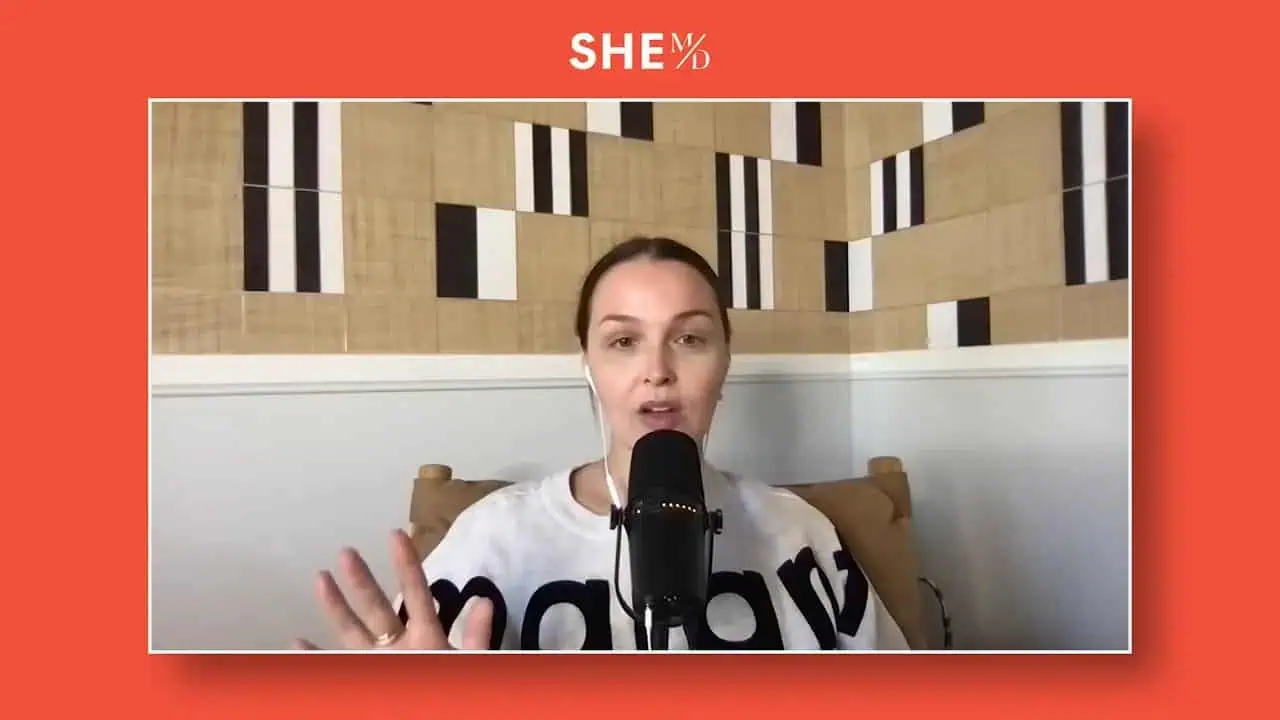
Key principle: Podcasts and creative projects that center community rather than performance invite vulnerability and make people feel seen. That intention shapes content choices and how you respond to listener questions.
Jessica, you spoke about pregnancy loss. What do you wish women who are suffering in silence knew?
Jessica: Pain is not comparative. For a long time, no one talked about miscarriage, and if you experienced it, you felt alone and like your grief was illegitimate. The first piece of advice is to allow yourself to feel. Grief needs to sit in your bones. No one else can tell you what it should look like or how long it should take.
Also, be gentle with narratives that minimize your experience. People will offer platitudes: “It happens all the time” or “You already have kids.” Those statements, even if well-meaning, can silence grief. You do not owe anyone their comfort at the expense of your truth.
Practical support: Find someone who will validate your pain—a partner, friend, therapist, or a support group. If you’re trying to conceive and facing repeated losses, seek medical guidance and mental health support in parallel. Grief and the medical aspects often need to be handled together.
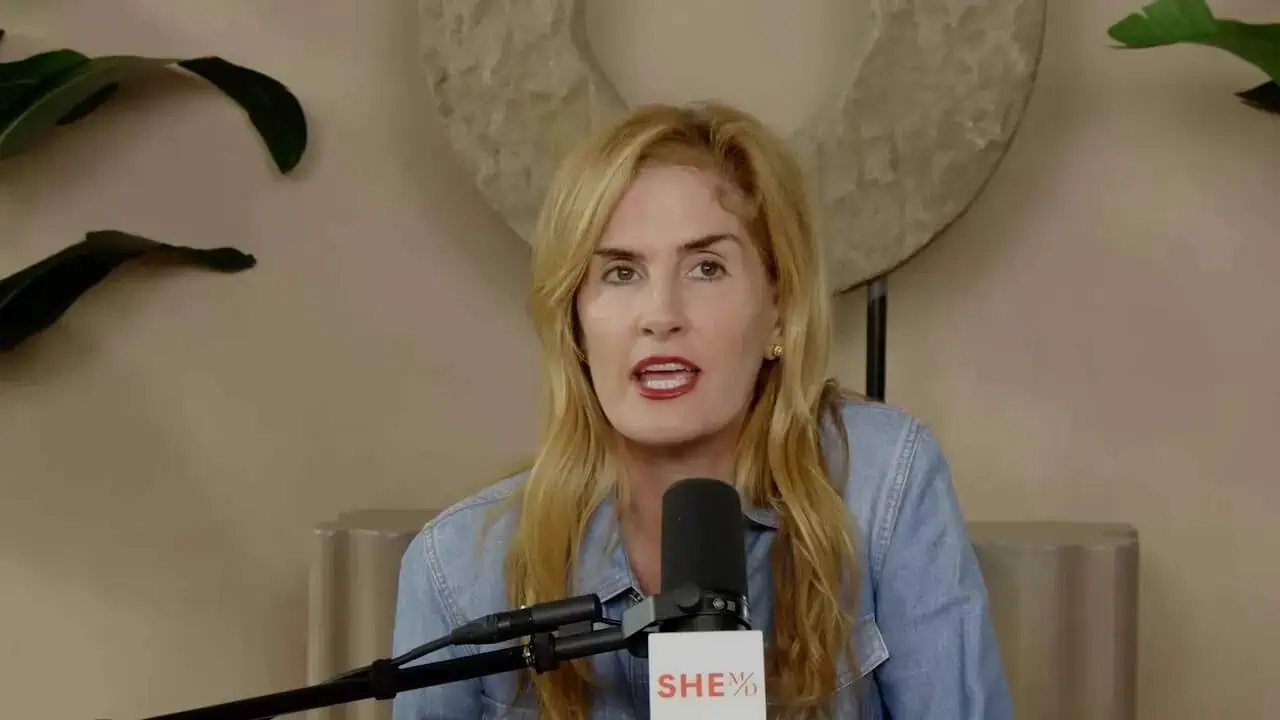
Camilla, you’ve shared your experience with postpartum anxiety and PMDD. What helped you decide to seek professional help, and what was your medication experience like?
Camilla: After my second child, I noticed a pattern: every month, I would dip into a depression that felt different from PMS. My OB explained this could be PMDD—premenstrual dysphoric disorder. I resisted medication because I thought it was “for someone else” or was a sign of failure. But one vacation in Maui, when anxiety stole every day of a trip I’d planned for joy, made me realize I needed help.
I started with therapy and then saw a psychiatrist. I started on a very low dose of an SSRI—Zoloft—at 12.5 milligrams. I was terrified of side effects or feeling emotionally blunted, especially as an actress. What surprised me was that none of those fears came true. The medication helped me feel like myself again. Thoughts would still come up, but they stopped hijacking my day.
What to know about PMDD and SSRIs:
- PMDD is a clinical diagnosis distinct from regular PMS; symptoms are severe and cyclical.
- SSRIs are one evidence-based treatment for PMDD and can be taken either continuously or only during the luteal phase, depending on what you and your clinician decide.
- Start low and go slow. If side effects occur, many are transient and resolve after a few weeks.
- Therapy and medication often work best together.
Tinnitus came up during the conversation. How did you manage the ringing in your ears and the associated anxiety?
Camilla: My tinnitus began suddenly in early 2022. At first, it was terrifying. You wake up, and it’s there; no one else can hear it. You feel isolated. I got a brain scan to rule out tumors and had full hearing tests. I learned two important things: tinnitus can be stress-induced, and hearing loss can be exacerbated by stress. Both were true for me.
The most helpful interventions were a combination of medical evaluation to rule out specific pathology and ongoing mental health support. A therapist helped me process the emotional fallout. Clinicians described a habituation process: your brain can stop noticing the sound the way it stops noticing the shirt on your skin. That was what eventually happened for me. Sleep and stress management also play a big role—when I slept enough, the sound became much quieter.
Practical steps if you’re dealing with tinnitus:
- See an ENT for a full hearing workup and to rule out structural causes.
- Get a hearing test to identify whether hearing loss is present; sometimes hearing aids help reduce tinnitus perception.
- Try cognitive behavioral therapy for tinnitus habituation and distress reduction.
- Practice sleep hygiene, gentle exercise, and relaxation techniques to reduce the anxiety that amplifies perception.
- Use masking tools—white noise machines, apps, low-level sound therapy—during the first months if the ringing is intrusive.
How did you juggle acting with parenting—especially on a production like Grey’s Anatomy that is female-led and supportive?
Jessica: The most important element is a partner who steps up. Parenting is 50/50 when possible. When one of us was on set, the other had to manage the home front. Beyond that, our showrunner and production were exceptional. If you needed to pump, they’d pause filming. If you had scheduling needs, they tried to accommodate them. That kind of workplace culture only exists because leadership prioritized it.
Camilla: There were moments when I returned to work very soon after giving birth. I remember being back on set and feeling marshmallow brain—your memory feels puffy. In one scene, I finally nailed a line and then the director called cut because I was leaking milk through my costume—what she called “the milk blooms.” The point is, there are hilarious and humbling moments. You learn to accept them and carry on.
Tips for working parents:
- Set realistic expectations. There will be days you crush it at work and days you feel present at home. They rarely coincide perfectly.
- Ask for accommodations early and clearly—most employers will respond if you explain the need.
- Build a support network: partners, family, nanny, childcare, and understanding colleagues.
- Protect small rituals that make you feel like yourself, whether it’s a short walk, a 10-minute call with a friend, or a nightly reflection.
What does “balance” actually mean? How do you redefine success when you’re pulled in many directions?
Jessica: Balance is a myth if you expect everything to be perfect every day. For us, balance is about shifting priorities and accepting compromise. We recommend figuring out what success looks like specifically for you. What do you need at the end of the day to feel proud? For some, it’s one meaningful work win, for others, it’s quality family time. You get to choose your hierarchy.
Camilla: I tried balance for a long time and realized I was setting myself up to fail. Instead, I changed my mindset. I asked: What does a good day look like? Then I designed my life to have more of those days. That meant saying no more often, being strategic about commitments, and leaning into support systems.
Actionable tools:
- Define three nonnegotiables for the week—things that must happen for you to feel successful.
- Block time for those nonnegotiables and protect them like you would a professional meeting.
- Audit your obligations every few months and remove items that no longer serve your goals.
- Make small changes that compound: better sleep, fewer meetings, delegated tasks.
There’s a lot of talk about women being “strategic” or “ambitious” and the labels that come with it. How do you think about ambition and leadership as a woman?
Camilla: If someone calls you strategic, take it as a compliment. Strategy is the difference between chaos and direction. Ambition is not a gendered flaw; it’s a tool. Be strategic in how you use it and be kind while you do it. Kindness and ambition are not mutually exclusive—they make each other better.
Jessica: We want to be around people who inspire, who have direction. Being ambitious doesn’t mean bulldozing everyone. It means knowing where you’re going and creating a path. If that path invites others to join you, then you’ve built leadership, not isolation.
What would you tell your younger selves—what lessons do you wish you could’ve given yourself at 20?
Jessica: Be your own best friend. Be on your own side. When you’re washing your hair or lying awake in bed, be the person who cheers for you. At 53, you look back and realize the 23-year-old body was amazing. The regrets soften if you’re kind to yourself along the way.
Camilla: After my mom’s sudden death, I lost my foundation. I would tell my younger self this: You are enough to rebuild your own foundation. Even if you don’t feel steady, you can create structure with intention. Focus on what you want, build the community you need, and be relentless in protecting that direction.
Practical takeaways we can all use
- When grief arrives—miscarriage, loss, or disappointment—allow space for it. Don’t let others decide how you should feel.
- If monthly mood swings are severe and disabling, ask your clinician about PMDD. Evidence-based treatments exist, including SSRIs and therapy.
- Tinnitus often responds to a combination of medical evaluation and psychological strategies. Habituation and stress reduction are powerful tools.
- Workplace support matters. Ask for what you need—pumping breaks, flexible schedules, clear expectations—and advocate for others who need the same.
- Define success for yourself, protect it with choice, and accept that compromise is part of the process.
- Ambition and kindness can coexist. Be strategic, be bold, and lead with empathy.
Resources mentioned
- Podcast: Call It What It Is (hosts Jessica Capshaw and Camilla Luddington)
- Book recommendation: The Body Keeps the Score (for trauma and stress insight)
- Clinical note: PMDD is a recognized condition—consult an OB/GYN or psychiatrist for diagnosis and treatment options
Frequently asked questions
How can I tell the difference between normal PMS and PMDD?
PMDD causes severe emotional and physical symptoms that occur in the luteal phase of the menstrual cycle and significantly impair daily functioning. If mood changes, severe irritability, depression, or anxiety consistently appear before your period and resolve shortly after, bring this pattern to your OB/GYN or mental health provider. They can use symptom diaries and diagnostic criteria to evaluate you and recommend treatments like SSRIs, hormonal options, and therapy.
What should I do if I experience tinnitus suddenly?
First, get a medical evaluation from an ENT to rule out structural causes. Request a hearing test to check for hearing loss. Simultaneously, address the emotional impact: consider therapy for anxiety and cognitive behavioral approaches for tinnitus habituation. In many cases, a combination of medical assessment, sound therapy, and stress reduction leads to significant improvement.
Is taking antidepressants a sign of weakness?
No. Choosing medication is a medical decision, often as rational as taking an inhaler for asthma. Antidepressants can restore daily functioning, reduce distress, and enable you to do the work of therapy or parenting with greater ease. Starting low and going slow, under the guidance of a psychiatrist, helps reduce side effects and increases tolerability.
How do I talk to friends and family about a miscarriage without feeling judged?
Be honest about what you need. Some people want to share their story to receive empathy, while others want privacy. You can prepare a short statement for wider circles—something like “I experienced a loss and need some time”—and reserve more detailed conversations for trusted listeners. Seek a therapist or support group if you need a space where your feelings are validated without explanation.
What are small, actionable steps to feel less overwhelmed as a working parent?
Define three weekly nonnegotiables that make you feel successful, block time for them, delegate what you can, and ask for workplace accommodations early. Protect sleep and a short daily ritual that centers you—5 minutes of breathwork, a quick walk, or a call with a friend. Over time, these small habits compound into a more sustainable rhythm.
Final note
We walked away from this conversation, reminded that vulnerability can be a superpower. Saying “I don’t know how to do this” and asking for help created deep friendships, healthier routines, and clearer priorities. Whether your struggle is grief, anxiety tied to hormonal cycles, persistent tinnitus, or the daily logistics of parenting and work, the common thread is: get medical help where needed, seek emotional support, and be patient with the messy process of healing and growth.
Jessica and Camilla reminded us that ambition, strategy, and kindness can—and should—live together. That combination lets you move deliberately toward your goals while protecting your well-being and lifting others along the way.
Concerned About Your Health? Talk to Dr. Aliabadi
Dr. Aliabadi is an expert OB/GYN who is knowledgeable in all aspects of women’s health and well-being. Dr. Aliabadi and her caring, supportive staff are available to support you through PCOS, endometriosis, menopause, childbirth, infertility, or routine gynecological care. We invite you to establish care with Dr. Aliabadi. Call us at (844) 863-6700 or
This article was created from the video Grey’s Anatomy Stars Jessica Capshaw & Camilla Luddington on Overcoming Life’s Challenges | SHE MD for Dr. Thais Aliabadi’s website.