Table of Contents
- Why this conversation matters
- Meet Kendall Toole
- Interview
- Practical checklist for anyone considering Mirena or similar IUD
- Common myths and clear answers
- Resources and next steps
- FAQ
- Final thoughts from Kendall
Why this conversation matters
Dr. Thais Aliabadi and Mary Alice Haney sit down with Kendall Toole to talk about health, choices, and agency. Kendall’s story brings all of those themes together in a way that feels honest and practical. She moves between vulnerability and hard-earned clarity, sharing how fitness, therapy, and the right medical choices helped her take control of her life. She also pulls back the curtain on a common but still misunderstood option for contraception and menstrual care, the Mirena intrauterine device.
This piece is organized as a conversation, so you can follow Kendall’s answers and the medical context that helps turn those answers into actionable choices. We keep things candid and evidence-minded, because the best health decisions come from being informed and believing that you are worth better care.
Meet Kendall Toole
Kendall is a former Peloton instructor who built a reputation for high-energy classes and a message centered on resilience. Her motto, rooted in family, is simple and powerful: “They can knock you down, but they can never knock you out.” That phrase threaded through her recovery from a difficult period of mental illness and later guided her pivot from media work to fitness instruction and advocacy.

Interview
Tell us how you got from boxing and mental health recovery to Peloton and a public community of women.
It was not a straight line. We learned that Kendall found boxing to be a real kind of therapy. It was both physical and emotional work, a place where she could build confidence by hitting a mitt and feeling a crack of power in return. That practice of returning strength to herself became foundational.
She didn’t expect to be a Peloton instructor. A friend slid into her DMs, the opportunity came up, and she trained hard for an audition. She landed the job and moved quickly into teaching. Then the world closed in 2020, Peloton exploded into many homes, and Kendall taught through that moment. The bikes stood still, but the people on them connected, and she describes it as a period that gave her a platform to keep guiding folks through very real struggles.
You’ve been very open about anxiety, depression, and OCD. How did those experiences shape who you are now?
We hear Kendall talk about early signs of obsessive compulsive rituals as a child and being diagnosed with OCD at age 11. Therapy became part of the toolkit early, something her family supported. But the clearest turning point came in college when she reached a depth of numbness that nearly cost her life.
What followed was a gradual, determined recovery. Therapy, consistent care, and a family that intervened with love and boundaries made the difference. One moment she still remembers vividly is when her father sat with her and reminded her of their family motto. That small, steady message was a pivot point. It became a reminder that recovery did not erase pain; it taught her how to keep showing up anyway.
“They can knock you down, but they can never knock you out.”
For anyone wrestling with similar feelings, Kendall’s message is both direct and compassionate: keep taking the next step. Those moments of numbness can feel like a period at the end of a sentence, but they are often an ellipsis. There are more dots to come.
Alongside mental health, you also experienced severe menstrual symptoms. When did that begin, and how did it affect daily life?
Kendall got her period at 12 and says the bleeding and pain progressively worsened. Heavy menstrual bleeding and debilitating cramps were a constant worry—especially for someone who lived an active life. She describes leaking through superplus tampons hourly and the anxiety of planning workouts, classes, or even sleep around the fear of staining sheets or clothing.
This is sadly common. When menstrual bleeding or pain interferes with school, work, sports, or sleep, it is a medical issue and not something to simply endure. Kendall’s experience is a reminder that we should treat severe menstrual symptoms with the same seriousness we give other chronic symptoms.
How did you decide on Mirena as your contraception and menstrual treatment option?
The decision started with conversations. Kendall spoke with a trusted contact who is an OB-GYN, asked many questions, and considered priorities. The main factors for her were reliability, low maintenance, and the promise of reduced bleeding. Mirena is a levonorgestrel-releasing intrauterine system. For many people, it offers a “set-it-and-check-it” convenience that fits those who do not want to worry about daily pills or missed doses.
For Kendall, Mirena was attractive because:
- It is more than 99 percent effective for pregnancy prevention when used as contraception.
- It reduces heavy menstrual bleeding and can treat that symptom for up to five years.
- When used as contraception, it is approved for up to eight years of use.
- It is low-maintenance compared to daily birth control pills.
We should be clear about expectations. Mirena often reduces bleeding over time, and some people will have irregular spotting early on. It does not protect against sexually transmitted infections, and like any medical device, it carries potential risks that you should discuss with your provider.
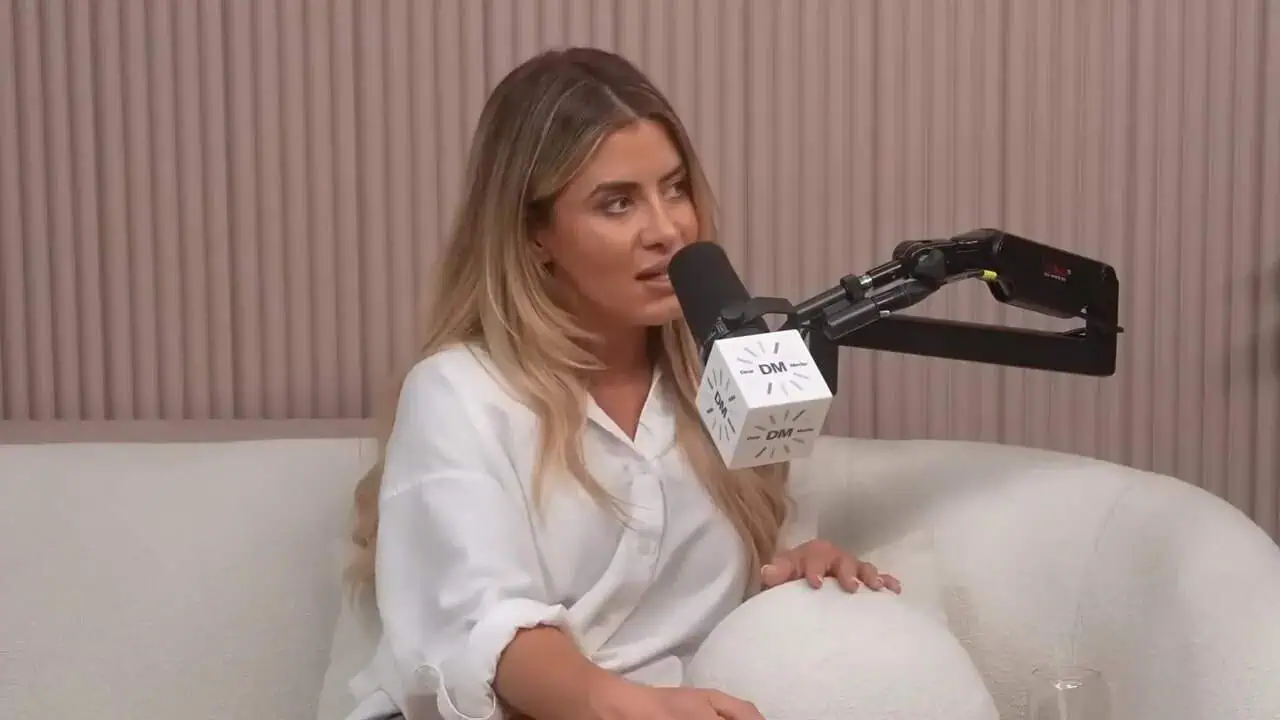
What is the actual experience of getting an IUD like? Does it hurt, and what should people expect at the appointment?
Insertion is an office procedure performed by qualified clinicians, not something to attempt at home. Usually, it takes a short amount of time and is done in a clinic setting. People often describe pressure, cramping, or brief discomfort during placement, but the exact experience varies widely.
Key practical points we emphasize:
- Talk to your clinician about pain management options before insertion. Some clinics offer local anesthetic, ibuprofen guidance, or other supportive measures.
- Plan for a short recovery period after insertion. Many people can return to regular activities the next day, but some have soreness or cramping for a few days.
- Immediately after insertion, clinicians often check placement. You will also be taught how to check the string monthly.
During the appointment, the clinician places the IUD inside the uterine cavity through the cervical opening. A thin thread extends slightly into the vagina; this is how you can verify the device is still in place. If you cannot feel the threads or you feel something different, contact your healthcare provider for a check.
How do you check the IUD threads safely, and how often should that be done?
Checking the thread is simple. With clean hands, reach into the vagina and feel near the cervix for the thin string. You are not reaching for the device itself. If the thread is present, that is reassuring. If the thread feels shorter or longer, or you cannot find it, schedule a visit to the clinician to rule out migration or expulsion.
We recommend checking the threads once a month—think of it as a gentle habit tied to a regular routine. If you notice unusual symptoms such as severe pelvic pain, fever, heavy bleeding, or dizziness, seek care right away. And remember, if the IUD does come out, avoid intercourse or use non-hormonal backup birth control until you have seen your provider.
Can you get pregnant after removing Mirena? How quickly?
Yes. Mirena is fully reversible. If you decide you want to become pregnant, your clinician can remove it in the office. Many people conceive within the first year after removal; studies show a high rate of fertility returning within months. Clinically, about 80 percent of people who try conceive within the first year after removal, though individual fertility depends on age, ovarian reserve, and other health factors.
Does Mirena treat heavy periods, and how long does that effect last?
When used for menstrual management, Mirena reduces menstrual blood loss and is an approved option to treat heavy menstrual bleeding for up to five years. When used only for contraception, the device is approved for up to eight years of use. For those using Mirena primarily to control heavy bleeding, clinicians typically recommend replacing it every five years to maintain optimal symptom control.
Early months after insertion may include irregular bleeding or spotting. Over time, periods generally become shorter, lighter, or may even stop altogether. Ovarian cysts can occur, but are usually benign and resolve on their own.
What are the main safety considerations we should know?
Mirena is safe for many people, but not everyone. Some important safety notes:
- Do not use Mirena if you have an active pelvic infection or certain cancers. Your clinician will review contraindications with you.
- Less than 1 percent of users develop pelvic inflammatory disease. Symptoms of PID include severe pelvic pain, fever, and abnormal discharge. If you suspect PID, contact your provider immediately.
- The device can, in rare cases, perforate the uterine wall or be expelled. If you experience persistent pain or suspect the device has moved, seek care.
- Pregnancy with an IUD in place is uncommon but can pose serious risks. Seek immediate care if pregnancy is suspected.
- Mirena does not protect against HIV or other STIs; condoms remain the primary protection for STI prevention.
These risks are why a personal discussion with your healthcare provider is essential before choosing any contraceptive.
Beyond the device, what else should people consider if they are not ready to have kids now but worry about future fertility?
We’re big believers in combining contraception decisions with a broader fertility plan if that matters to you. Some practical steps:
- Get a baseline ovarian reserve test if you are concerned. Anti-Mullerian Hormone, or AMH, is a simple blood test that provides a snapshot of ovarian reserve. It can inform timing and fertility planning, but it is only one piece of the puzzle.
- Consider a pelvic ultrasound for baseline imaging if you have had severe menstrual issues. It helps evaluate uterine anatomy and ovarian health.
- Discuss egg freezing if delaying childbearing for several years is part of your plan. It is a personal choice and one that deserves careful medical counseling.
- Regularly revisit your reproductive goals so your contraception aligns with your timeline and health plan.
Kendall’s approach was to treat immediate menstrual symptoms while staying mindful of future goals. She appreciated that Mirena allowed her to focus on building her business without needing daily contraception management, while still leaving the door open for pregnancy when the time came.
How do you balance career ambitions and reproductive choices?
Kendall’s perspective is practical and purposeful. She prioritized the present chapter of her life—building businesses and establishing the next phase—and chose a contraception method that fit those priorities. That choice reduced the mental load and unpredictable interruptions that heavy bleeding had caused previously.
We all balance different goals. For some people, that means daily pills, for others an implant or a copper IUD, for others Mirena, or even permanent options. The right choice is the one that matches your health needs, fertility timeline, and willingness to manage daily versus periodic attention.
What would you tell your younger self?
Kendall’s advice is simple and tender: you are enough. Younger Kendall felt pressure to perform and to follow a prescribed script for success. Over time, she discovered that her value did not depend on external achievements. That realization matters particularly for women who absorb cultural messages that equate worth with productivity or appearance.
We add one practical translation of that lesson: invest in consistent care—mental health support, routine gyn visits, and honest conversations with trusted clinicians. Those investments slowly compound and make future choices less fraught.
For people who want to build a platform or community like yours, what practical advice would you give?
Authenticity and passion. Kendall describes her platform as an accumulation of consistent authenticity—showing up as herself in different clothes, moods, or contexts. Passion magnetizes. If you consistently create from the place that excites you and adds value, the community will grow.
Additional tips include:
- Be patient with your twenties. Many seeds planted then do not sprout overnight.
- Show up for others. Helping and serving create trust and a sense of belonging that is the backbone of a sustainable community.
- Protect your energy and set boundaries. Visibility is not the same as availability, and discernment helps prevent burnout.
Practical checklist for anyone considering Mirena or similar IUD
Use this checklist to prepare for a productive visit with your clinician:
- List your priorities: contraception, heavy bleeding control, low maintenance, reversibility.
- Gather medical history: prior pelvic infections, uterine surgery, allergies, and current medications.
- Ask about insertion logistics: pain management options, recovery expectations, and follow-up.
- Request baseline tests if concerned about fertility: AMH blood test and a pelvic ultrasound if clinically indicated.
- Understand device timelines: Mirena can treat heavy bleeding for five years and provide contraception for up to eight years when used solely for contraception.
- Learn how to check threads monthly and what symptoms should prompt immediate care.
- Discuss STI prevention: Mirena does not prevent infections, so consider condom use as needed.
Common myths and clear answers
Myth: IUDs cause permanent infertility.
Evidence shows fertility typically returns quickly after IUD removal. Most people who wish to conceive become pregnant within a year after removal. Fertility is influenced by age and underlying reproductive health, not by having had an IUD.
Myth: Mirena is only for contraception.
Mirena is both a contraceptive and a treatment for heavy menstrual bleeding. When used for bleeding control, clinicians often recommend replacement every five years. When used solely for birth control, the device is approved for up to eight years.
Myth: You do not need to check the IUD threads.
Monthly thread checks are a simple way to confirm the device remains in place. They are not invasive and serve as an early warning if something has changed. If threads are missing or shorter, a clinician check can confirm device position.
Resources and next steps
If the topics we covered resonate with you, these are practical next steps:
- Make an appointment with a clinician who offers a full contraceptive counseling visit.
- Ask for AMH testing if you want information about ovarian reserve as you plan for timed parenthood.
- Discuss pain management strategies for IUD insertion so the appointment aligns with your comfort needs.
- Seek mental health support if you are coping with intense or persistent sadness, anxiety, or suicidal thoughts. If you are in immediate danger, contact emergency services or your local suicide hotline.
FAQs
How effective is Mirena for preventing pregnancy?
Mirena is over 99 percent effective for preventing pregnancy when used as contraception. Its reliability, along with the convenience of not taking a daily pill, makes it a popular choice for many people.
Can Mirena help with heavy periods?
Yes. Mirena releases levonorgestrel locally within the uterus and is approved to treat heavy menstrual bleeding for up to five years.
How long does Mirena last?
When used for contraception, Mirena is approved for up to eight years. When used specifically to treat heavy menstrual bleeding, clinicians generally recommend replacement every five years to maintain symptom control.
Will Mirena affect my future fertility?
Fertility commonly returns after Mirena removal. Many people conceive within months; about 80 percent conceive within a year, depending on age and health factors. Mirena does not cause permanent infertility.
How do I check the IUD threads?
With clean hands, insert a finger into the vagina and feel for the thin thread near the cervix. You should not feel the device itself. If the threads are absent or feel different, contact your clinician for an evaluation.
Does Mirena protect against STIs?
No. Mirena does not protect against HIV or other sexually transmitted infections. Condoms remain the primary protection for STI prevention.
Final thoughts from Kendall
Kendall’s journey is a reminder that small, steady choices compound into meaningful change. Therapy, fitness as therapy, and an informed medical decision about contraception all played roles in reclaiming her life and creating space for the next chapter.
For anyone wrestling with heavy bleeding, painful periods, or life plans that don’t match a traditional timeline, remember this: you are allowed to make choices that serve your present goals and future hopes. Talk with clinicians, collect facts, and choose what helps you show up as your best, healthiest self.
We want to make one important point clear. The medical information here aims to inform and empower, not replace a one-on-one conversation with a clinician who knows your health history. If you are considering Mirena or any other option, schedule a visit and bring your questions. You deserve care that respects your values and priorities.
Follow Kendall on Instagram and TikTok at @kendalltoole to stay in touch with her community or look for communities that help you feel seen. If your priorities include reducing heavy bleeding or simplifying contraception while preserving future fertility options, ask your provider about Mirena and whether it fits your individual health needs.
Concerned About Your Health? Talk to Dr. Aliabadi
Dr. Aliabadi is an expert OB/GYN who is knowledgeable in all aspects of women’s health and well-being. Dr. Aliabadi and her caring, supportive staff are available to support you through PCOS, endometriosis, menopause, childbirth, infertility, or routine gynecological care. We invite you to establish care with Dr. Aliabadi. Call us at (844) 863-6700 or
This article was created from the video From Peloton to Health Advocate: Kendall Toole Gets Personal and Shares Her IUD Story for Dr. Thais Aliabadi’s website.