Table of Contents
- Overview
- Interview
- Resources and Next Steps
- What We Learned from Delilah and Hayley
- FAQ
- Final Thoughts
- Further Reading
Overview
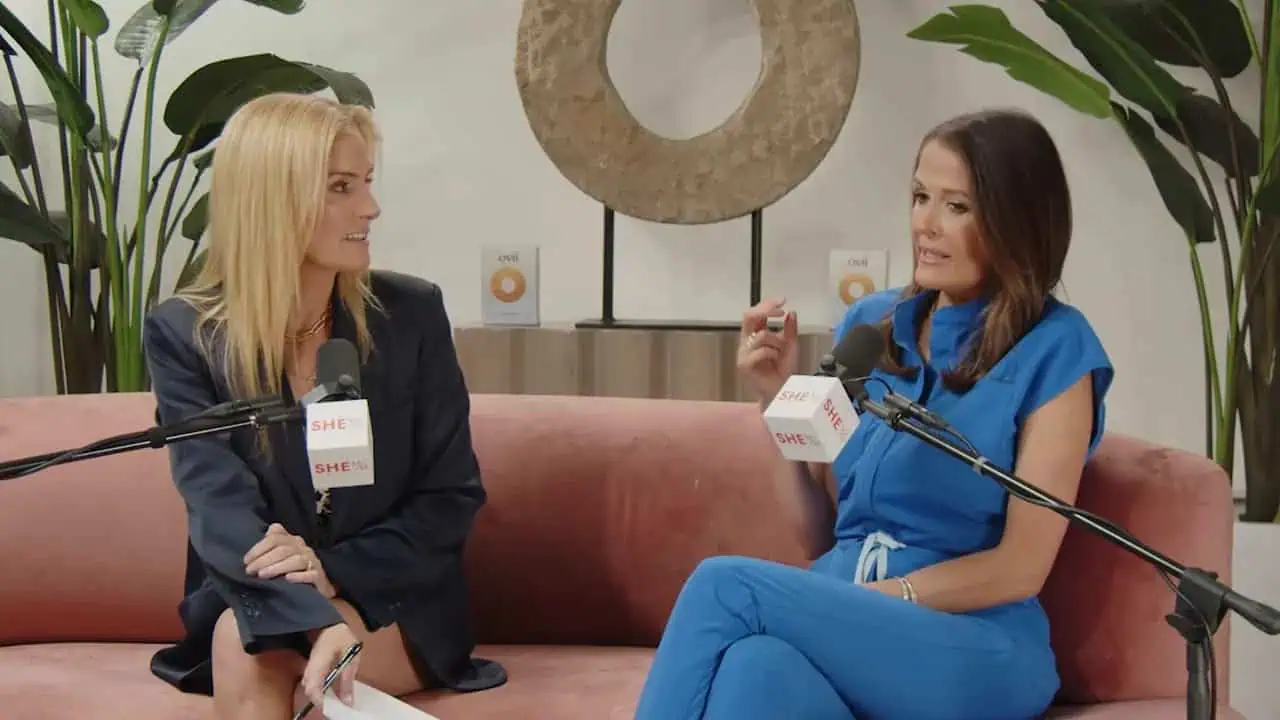
We sat down with Delilah Hamlin and Hayley Pearson after they underwent laparoscopic surgery with Dr. Thais Aliabadi. Both shared the same experience: years of debilitating symptoms, repeated medical dismissal, and finally the relief of a surgical diagnosis and repair. Their stories show how endometriosis can present in dramatically different ways, why it is so often missed, and what practical steps anyone feeling similar symptoms can take now.
Interview
Tell us about the symptoms that brought each of you to seek care.
Delilah: From the start, my periods were painful. The cramps were severe enough that they shaped my life. I sought help repeatedly, but no one mentioned endometriosis. I was diagnosed with PMDD and treated for acne and hormonal issues, which helped in parts, but the pelvic pain and painful sex persisted. Over time, I learned to “manage” it as if it were normal.
Hayley: My symptoms started when I got my period at 14. I would wake in the night and throw up from the pain. I missed school and social events. As an adult, I developed painful sex and episodes that looked like seizures—sudden flushing, heat, and convulsions—especially around my cycle. After surgery, I have not had a seizure episode, and we’re monitoring whether the pelvic repair made that difference.

What is PMDD, and how did it intersect with your experience?
PMDD stands for premenstrual dysphoric disorder. It is a severe, disabling form of premenstrual syndrome that causes marked mood changes, depression, irritability, and physical symptoms for roughly the two weeks before a period. While PMDD is a brain response to hormonal changes rather than a hormone imbalance itself, it can coexist with pelvic conditions. In Delilah’s case, hormonal management helped parts of the mood picture, but it did not resolve deep pelvic pain from endometriosis.
Hayley, you described seizure-like activity tied to your cycle. How common is that with endometriosis?
We see similar presentations in practice. Some patients have true epileptic seizures, others display vasovagal reactions, and some have psychogenic non-epileptic seizures that correlate with pain and hormonal cycles. There are documented cases where suppressing endometriosis—through surgery or hormonal suppression—reduced or eliminated those episodes. The mechanism isn’t always clear, and it may be a mix of neurologic, autonomic, and inflammatory triggers. Hayley’s experience, where episodes stopped after surgery, is encouraging and worth systematic follow-up.

How do you explain endometriosis to someone who hasn’t heard of it?
Endometriosis happens when tissue similar to the uterine lining grows outside the uterus—commonly on the ovaries, fallopian tubes, uterosacral ligaments, bladder, and bowel. Each month, those implants respond to hormones and bleed, but the blood cannot exit like normal menstrual flow. The trapped blood causes chronic inflammation, pain, scarring, and sometimes cysts inside the ovary called endometriomas or “chocolate cysts.” Over time, this inflammation can affect egg count, fertility, bowel and bladder function, and quality of life.
Why does endometriosis cause such different symptoms between people?
The severity of symptoms does not neatly track with the surgical stage. Somebody with stage one disease may have crippling pain; someone with stage four may report mild pain. Location matters. Implants on the uterosacral ligaments cause deep dyspareunia—pain with deep penetration—because intercourse physically compresses those spots. Implants on the bowel or bladder cause bloating, constipation, diarrhea, bladder urgency, or recurrently suspected UTIs. Systemic inflammation can also trigger gut dysbiosis, like SIBO, and contribute to broader autoimmune tendencies.
Both of you described long diagnostic journeys. Why is endometriosis so often missed or dismissed?
Multiple factors play into it:
- Cultural normalization of severe menstrual pain—families and clinicians often assume “periods are supposed to hurt.”
- Inconsistent screening at pediatric visits—teenagers with severe cramps may not be flagged for gynecologic evaluation early enough.
- Variable surgical recognition—laparoscopic diagnosis depends on an experienced surgeon who knows the subtle presentations, including white stromal lesions that are easy to miss.
- Fragmented care—patients bounce between dermatologists, neurologists, gastroenterologists, and general gynecologists without one clinician seeing the full pattern.
That dismissal is deeply harmful. It feeds self-doubt in patients (“Am I making this up?”) and delays effective treatment.
How is endometriosis definitively diagnosed?
The gold standard for diagnosis is direct visualization via laparoscopy and histologic confirmation when possible. Imaging (ultrasound, MRI) can detect larger endometriomas and help stage disease, but small implants—especially white stromal lesions—are often missed on imaging alone. A careful, methodical laparoscopic survey by a surgeon experienced with endometriosis increases detection and reduces the chance of a false negative.
What are the main treatment options, and how do you decide between them?
Treatment should match the patient’s goals, symptoms, and reproductive plans. Options include:
- Hormonal suppression (combined pills, progestin-only therapies, GnRH antagonists): Reduces cyclical stimulation and pain; useful when surgery is not desired immediately.
- IUD with progestin: A local, often well-tolerated option that reduces bleeding and may decrease pain.
- Laparoscopic excision: The gold standard for removing visible implants and restoring anatomy when fertility or persistent pain is a concern.
- Multidisciplinary care: Pelvic floor physical therapy, nutrition and gut therapy for SIBO, pain medicine, and mental health support are essential complements.
When surgery is chosen, optimal results require precise excision, not simply burning lesions. Experienced laparoscopic surgeons will cut and remove implants and preserve healthy ovarian tissue, particularly when endometriomas are involved.
If someone is considering surgery, how should they choose a surgeon?
Ask practical questions up front:
- How many endometriosis surgeries do you perform per week?
- How do you manage endometriomas and deep infiltrating disease?
- Do you excise implants or ablate them?
- Can I see intraoperative photos or receive a pathology report?
Beware of surgeons who downplay findings, perform cursory two-port explorations, or recommend routine repeat surgeries. Excision by an experienced surgeon reduces recurrence when paired with appropriate postoperative suppression when indicated.
What is the role of surgery for fertility?
Surgery is often recommended for women who want to conceive, particularly if imaging shows large endometriomas or suspected adhesions blocking the tubes. Endometriosis can shorten the window of fertility by damaging ovarian reserve or creating scarring that impairs tubal function. However, surgical technique matters—poor technique can harm ovarian tissue and reduce egg count. When fertility is a priority, discuss egg reserve testing and potential fertility preservation before major surgery.
Why is checking egg count important, and when should it be done?
Antimullerian hormone (AMH) is a simple blood test that estimates ovarian reserve. For people with painful periods or suspected endometriosis, we recommend checking AMH early. Chronic inflammation and large endometriomas can accelerate egg loss. In extreme cases, some young patients present with AMH levels comparable to those of much older women. We believe earlier screening—potentially at 18 for people with severe cyclical pelvic pain—would help identify those at risk sooner and allow timely fertility counseling or preservation.
What happened during Delilah and Hayley’s surgeries?
Both had laparoscopic excision of implants and insertion of a progestin IUD during the same operative session. Surgeons found pools of blood in the pelvis consistent with retrograde menstrual flow and multiple implants on pelvic ligaments and sidewalls. The surgeon carefully suctioned pooled blood, excised implants one by one, and recommended postoperative suppression to reduce recurrence risk.
Can endometriosis be ‘fixed’ with surgery?
Surgery can remove the implants causing pain and improve fertility prospects in many patients. For some individuals, it is life-changing. But it is not always a permanent cure. Without postoperative hormonal suppression, some people develop recurrence within months to a few years. The right combination—excision plus personalized suppression and multidisciplinary follow-up—offers the best chance to reduce symptoms long term.
Painful sex is a common but sensitive symptom. How should people approach it with partners and clinicians?
Pain with intercourse can erode sexual desire and relationship intimacy. Communication helps: explain that the pain is physical and not a reflection of attraction. Clinically, painful sex warrants evaluation—especially deep dyspareunia. If implants sit on the uterosacral ligaments or pelvic floor, medical therapy may be insufficient, and excision may be necessary. Pelvic floor therapy also addresses muscle guarding and secondary pelvic floor dysfunction.
How does endometriosis affect mental health and substance use?
Chronic pain fuels anxiety, depression, and risk of substance misuse. For some, alcohol becomes the most accessible coping tool for monthly pain; for others, prescription medicine misuse can start as pain relief. Integrating mental health care into the treatment plan is essential. Counseling, sober supports, pain psychology, and careful pain management reduce long-term harms. Delilah shared that early sobriety and ongoing therapy were vital steps in reclaiming control over her health.
Is endometriosis an autoimmune condition?
Endometriosis shows immune dysregulation and chronic inflammation. Some data indicate higher rates of coexisting autoimmune diseases in people with endometriosis. Because of that association, basic autoimmune screening before pregnancy planning can be useful when symptoms suggest broader systemic involvement.
What are common non-gynecologic misdiagnoses people with endometriosis receive?
People are often treated for:
- Recurrent urinary tract infections when bladder implants irritate the bladder.
- Gastrointestinal disorders, including SIBO and IBS, when bowel implants cause bloating and altered bowel habits.
- Mood disorders, when cyclical mood swings or PMDD are not connected to an underlying gynecologic condition.
This fragmentation delays proper diagnosis and can result in repeated ineffective treatments.
What practical steps should someone take if they suspect endometriosis?
- Track symptoms: Pain timing, severity, relationship to intercourse, bowel or bladder symptoms, and systemic signs like fatigue.
- Request an AMH blood test if fertility concerns exist or if pain is severe from a young age.
- Ask for imaging: pelvic ultrasound (transvaginal when possible) and consider MRI if pelvic anatomy or deep infiltrating endo is suspected.
- Find a specialist: Ask potential surgeons how many endometriosis excisions they perform per week and whether they excise stromal/white lesions as well as typical implants.
- Prepare a “cheat sheet” for appointments: list your symptoms, prior treatments, and specific questions.
- Include multidisciplinary options: pelvic physical therapy, gut testing for SIBO, nutrition support, and mental health resources.
Resources and Next Steps
If you recognize the pattern of painful periods, painful sex, bloating, bladder symptoms, or cyclical neurologic events, take action. Below are trusted starting points:
- Endometriosis Foundation of America for education and support resources.
- American College of Obstetricians and Gynecologists for clinical guidelines and patient-facing information.
- Consider a Hormone panel and AMH check through a clinician who will interpret results in context.
What We Learned from Delilah and Hayley
Their experiences underline several larger truths:
- Severe menstrual pain is never something someone “just lives with.”
- Endometriosis can present with neurologic, gastrointestinal, and urinary symptoms that complicate diagnosis.
- Early evaluation of ovarian reserve matters—young age is not a guarantee of preserved fertility.
- Finding an experienced excisional surgeon matters; the difference between a missed diagnosis and a life-changing operation can be minutes in the operating room.
- Peer support, honest conversation, and persistence pay off. Delilah and Hayley met in recovery, formed an immediate bond, and are now advocates for earlier recognition and better care.
FAQs
What exactly causes endometriosis?
The exact cause is unknown. The most accepted hypothesis is retrograde menstruation—menstrual blood flowing back through the fallopian tubes into the pelvis—depositing endometrial-like cells. Other mechanisms likely play a role, including immune dysfunction, genetics, coelomic metaplasia, and systemic inflammation. Implants have been found in distant sites like the lungs, which retrograde flow alone cannot fully explain.
How long does recovery from laparoscopic excision take?
Most patients see significant pain improvement in the weeks after surgery, but full physical healing takes about six weeks. Laparoscopic incisions are small and usually placed below the bikini line. Sexual activity is often deferred for four to six weeks, depending on the extent of surgery and whether an IUD was placed at the time of operation.
Will removing endometriosis restore fertility?
Surgery can improve fertility in many cases, especially when it removes adhesions, corrects anatomy, or excises large endometriomas. However, fertility outcomes depend on age, ovarian reserve, and the extent of disease. Discuss egg reserve testing and fertility preservation with your provider before surgery if you hope to conceive in the future.
Is hormonal suppression enough?
Hormonal suppression (progestins, combined hormonal contraceptives, GnRH antagonists) helps many people by reducing cyclical stimulation and pain. It is a reasonable first-line approach for many patients, particularly those who are not trying to conceive. For deep pain or lesions that do not respond, excisional surgery is often necessary.
When should I seek a second opinion?
If you have persistent pain despite treatment, if you are told you “do not have endometriosis” but your symptoms are classic, if prior laparoscopy was limited or inconclusive, or if fertility is a concern, seek a second opinion—preferably from a surgeon who specializes in excision and pelvic pain.
Final Thoughts
We stand with Delilah and Hayley in calling for earlier recognition, better surgical care, and routine fertility counseling where appropriate. If you are suffering, you are not imagining it. Be your own advocate: track your symptoms, ask for specific tests like AMH if fertility might be affected, and push for an experienced excisional surgeon when surgery is indicated.
We believe a world where menstrual pain is taken seriously is possible. Start by voicing your pain, bringing a symptom cheat sheet to appointments, and finding clinicians who will listen and look carefully.
Concerned About Your Health? Talk to Dr. Aliabadi
Dr. Aliabadi is an expert OB/GYN who is knowledgeable in all aspects of women’s health and well-being. Dr. Aliabadi and her caring, supportive staff are available to support you through PCOS, endometriosis, menopause, childbirth, infertility, or routine gynecological care. We invite you to establish care with Dr. Aliabadi. Call us at (844) 863-6700 or
Further Reading
- Endometriosis Foundation of America — patient resources and advocacy information
- ACOG patient education on endometriosis
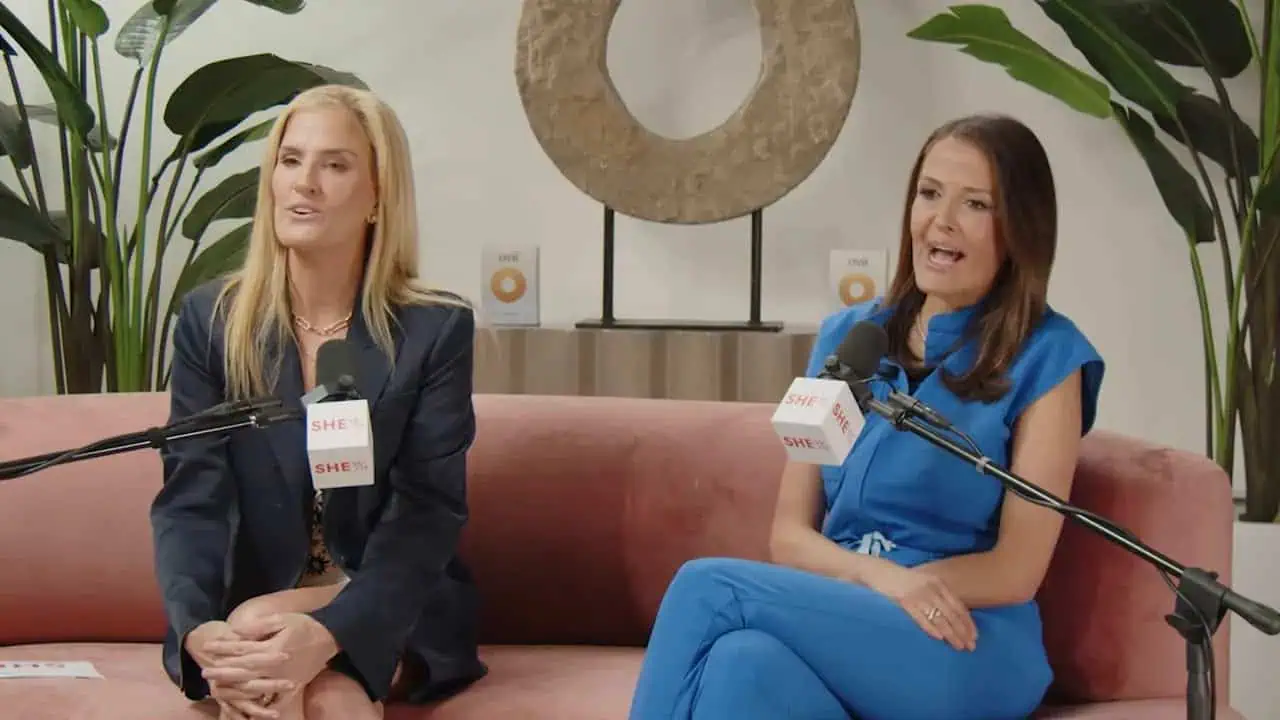
This article was created from the video The Truth Women Aren’t Told About Endo w/ Celebrity Guest Delilah Hamlin & Hayley Pearson | SHE MD for Dr. Thais Aliabadi’s website.