Melanoma still scares people for good reason. It can be aggressive, it can affect young adults, and too many people still assume it is something that only happens later in life or only to certain skin types. But there is also real hope here. Science has changed dramatically, and so has what is possible for patients.
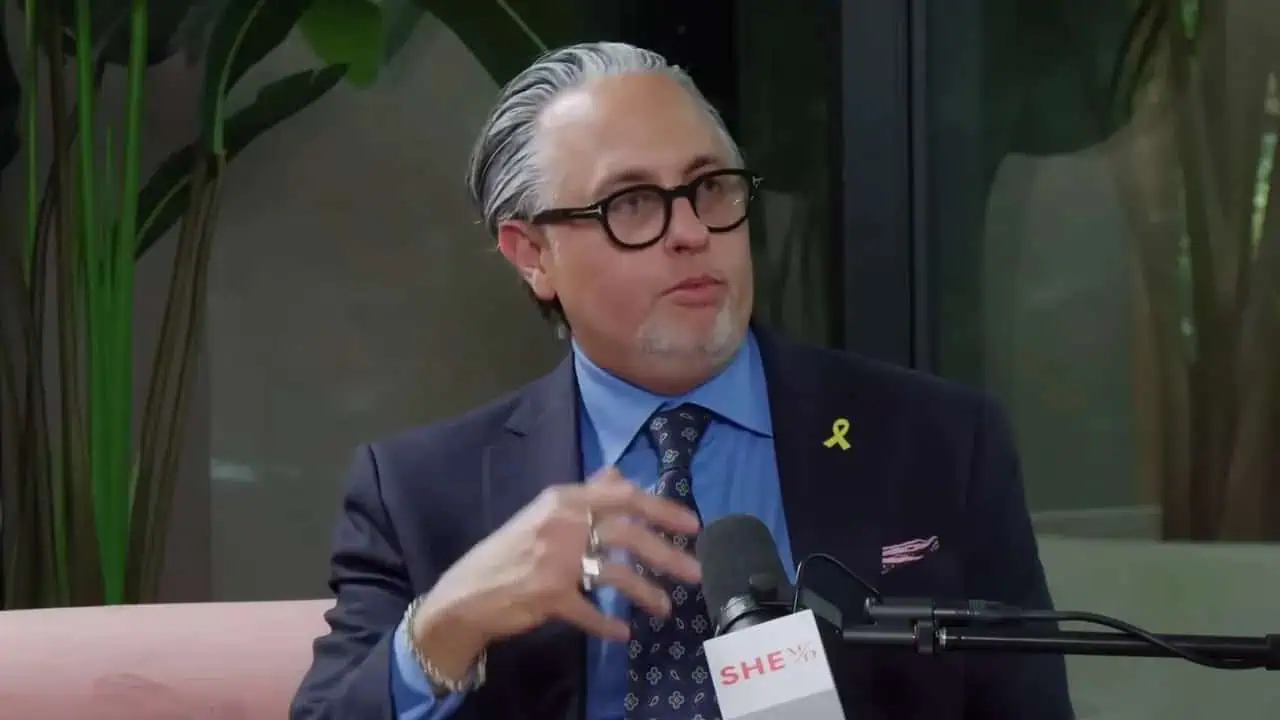
For Melanoma Awareness Month, Dr. Thais Aliabadi and Mary Alice Haney sat down with Dr. Omid Hamid, one of the leading melanoma specialists in the country, to talk about melanoma risk factors, early warning signs, breakthrough treatments, genetic testing, pregnancy concerns, and the simple prevention steps that matter most.
We also talked about why self-advocacy can save lives, why young women are not exempt from melanoma, and why the biggest shift in melanoma care over the last two decades has been nothing short of revolutionary.
Table of Contents
- Why this conversation matters now
- Who is Dr. Omid Hamid, and why is he such an important voice in melanoma care?
- Is melanoma really increasing in younger people?
- What kinds of skin cancer are most common, and how is melanoma different?
- Who should be getting regular skin checks?
- What does melanoma surgery involve?
- What has changed in melanoma treatment over the last 20 years?
- What is immunotherapy, in plain English?
- What is targeted therapy in melanoma?
- How dramatic has the improvement in survival really been?
- Why is genetic testing part of this conversation?
- What are the early signs of melanoma that people should never ignore?
- Can people with darker skin get melanoma?
- Why does self-advocacy matter so much with melanoma?
- How did Khloé Kardashian’s melanoma experience highlight early detection?
- What is the difference between early melanoma and stage 4 melanoma?
- What can stage 4 melanoma look like in real life?
- What treatments are used for advanced melanoma with brain metastases?
- Can melanoma be prevented with medication if you have high-risk genes?
- What are the two most important things we can do to prevent melanoma?
- Is sunscreen enough?
- Is there a hormonal connection to melanoma?
- What if melanoma is diagnosed during pregnancy?
- Should someone with melanoma always see a melanoma expert?
- What resources are helping move melanoma care forward?
- FAQ
- What we want everyone to remember
Why this conversation matters now
One of the biggest misconceptions about melanoma is that it is an “older person’s cancer.” Dr. Hamid was clear that this is simply not true. Melanoma can happen at a very young age. In fact, it is often a malignancy of younger people.
That matters because younger patients often do not think they are at risk. They may ignore a changing mole, brush off a new spot, or assume that skin cancer only applies to someone else. Add in the cultural obsession with tanning, the false sense of security many people have about their skin tone, and the confusion around what suspicious lesions even look like, and it is easy to see why melanoma can be missed.
At the same time, the outlook for melanoma has changed in extraordinary ways. Years ago, metastatic melanoma carried devastatingly poor outcomes. Today, immunotherapy and targeted therapy have transformed survival for many patients, including some with very advanced disease.
Who is Dr. Omid Hamid, and why is he such an important voice in melanoma care?
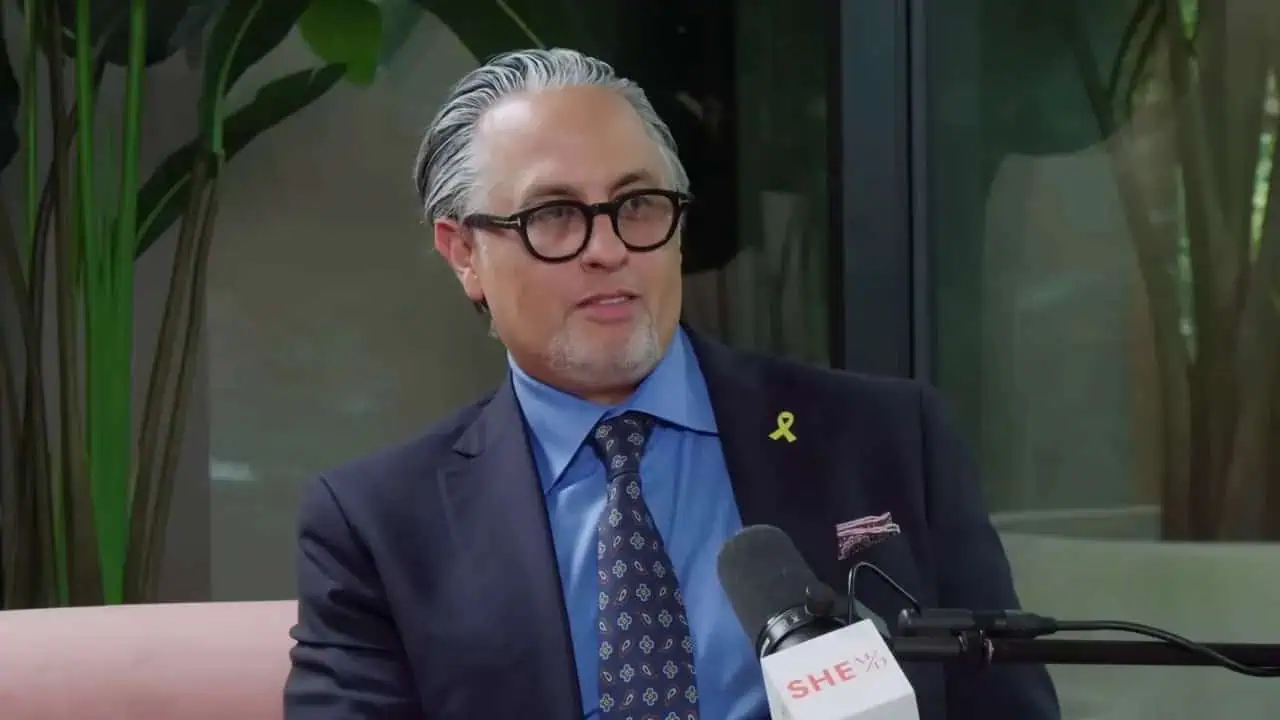
Dr. Hamid is a melanoma specialist and a leader in immuno-oncology. He trained at USC and went on to build a career focused on both patient care and drug development. He currently works at The Angeles Clinic and Research Institute, a Cedars-Sinai affiliate in Los Angeles, where his work includes caring for patients with cutaneous malignancies and advancing Phase 1 drug development for patients who need novel therapies.
His name is deeply tied to the development of new immunotherapy approaches, especially checkpoint inhibitors, which have reshaped not only melanoma treatment but cancer care more broadly. He has been involved in the development of therapies that use the body’s own immune system to fight tumors, and that shift has changed outcomes for countless patients.
That is part of what makes this conversation so powerful. We are not just talking to someone who treats melanoma. We are talking to someone who helped change what treatment looks like.
Is melanoma really increasing in younger people?
Yes, and this was one of the most important points we wanted to emphasize. Melanoma is not limited to older adults. Dr. Hamid sees patients ranging from teenagers to people in their 80s and 90s.
He explained that melanoma has a higher incidence in younger women than in younger men. Environmental exposure plays a major role, especially ultraviolet exposure from the sun and tanning beds. Many patients arrive with no clear understanding of the lifestyle factors that increased their risk.
There are also genetic contributors. Certain inherited mutations can raise melanoma risk, including BRCA2, PTEN, TP53, and especially the p16 mutation, also known as CDKN2A. That means a person does not need a family history of melanoma alone to warrant concern. A family history of breast cancer, pancreatic cancer, ovarian cancer, or melanoma can all be relevant when considering hereditary risk.
What kinds of skin cancer are most common, and how is melanoma different?
Most skin cancers that dermatologists diagnose are not melanoma. They are usually basal cell carcinoma or squamous cell carcinoma. Those tend to occur more often in older people, especially in sun-exposed areas, and they are often very treatable with surgery, topical treatments, or radiation.
Melanoma is a smaller portion of all skin cancers, but it is the one that causes the greatest concern because of its potential to spread.
There is important good news here too. Most melanomas that are diagnosed are early melanomas, and early melanomas have excellent outcomes. Dr. Hamid noted that these early cases have about a 98 percent cure rate.
That statistic should light a fire under all of us. Early detection changes everything.
Who should be getting regular skin checks?
If you have any meaningful melanoma risk factors, routine full-body skin checks should be part of your healthcare. According to Dr. Hamid, that includes people with:
Light skin
Light eyes
A family history of melanoma or related cancers
Known genetic predisposition
Significant sun exposure
A personal history of melanoma
And not just a quick glance. He was talking about a whole-body check. Everything. That matters because melanomas do not only occur on the face, shoulders, or other obvious sun-exposed places.
What does melanoma surgery involve?
If a lesion is found early, treatment may be as straightforward as a surgical procedure done in an office setting by the right specialist. Depending on the location and type of lesion, surgery may be performed by a dermatologist, a Mohs surgeon, or a surgical oncologist.
Mohs surgery is a specialized procedure used to preserve appearance and function, particularly in cosmetically sensitive areas such as around the eyes. Rather than making one large cut, the surgeon removes tissue in stages and examines it under the microscope as they go, helping ensure the area is fully cleared while sparing as much normal tissue as possible.
For deeper or more aggressive melanomas, surgery can involve more than just removing the visible lesion. If the melanoma has certain features such as greater depth or aggressiveness, a sentinel lymph node biopsy may be recommended to check whether it has spread to nearby lymph nodes.
That is one reason Dr. Hamid compares melanoma to breast cancer. There is often a primary lesion that is removed, and depending on what pathology shows, doctors then assess lymph nodes, evaluate for spread, and decide whether further treatment is needed to reduce recurrence risk.
What has changed in melanoma treatment over the last 20 years?
Almost everything.
Dr. Hamid described the past reality bluntly. Melanoma used to be a malignancy without meaningful therapies. Advanced cases had few options. Much of the care was experimental, and outcomes were poor.
Today, melanoma is one of the biggest success stories in modern oncology.
The reason is that melanoma is highly immunogenic. In simple terms, the body can recognize melanoma as foreign, much as it would recognize a virus or bacteria. That feature made melanoma especially promising for immunotherapy research.
Now there are two major pillars of treatment for advanced melanoma:
Immunotherapy, which activates the immune system to fight cancer
Targeted therapy, which attacks specific tumor mutations found through genomic testing
What is immunotherapy, in plain English?
This was one of the most useful parts of our conversation because so many people hear the word and still are not sure what it means.
Immunotherapy is any treatment that stimulates the body’s own immune system to recognize and attack cancer cells. In melanoma, some of the most important drugs are called checkpoint inhibitors.
Here is the basic idea. Cancer cells are your own cells that have lost control over how they grow and spread. Because they come from your body, they can hide from your immune system. They use protective mechanisms almost like a cloak.
Checkpoint inhibitors interrupt the signals that suppress the immune response. In other words, they remove the brakes. Once those brakes come off, the immune system can mount a stronger attack against the tumor.
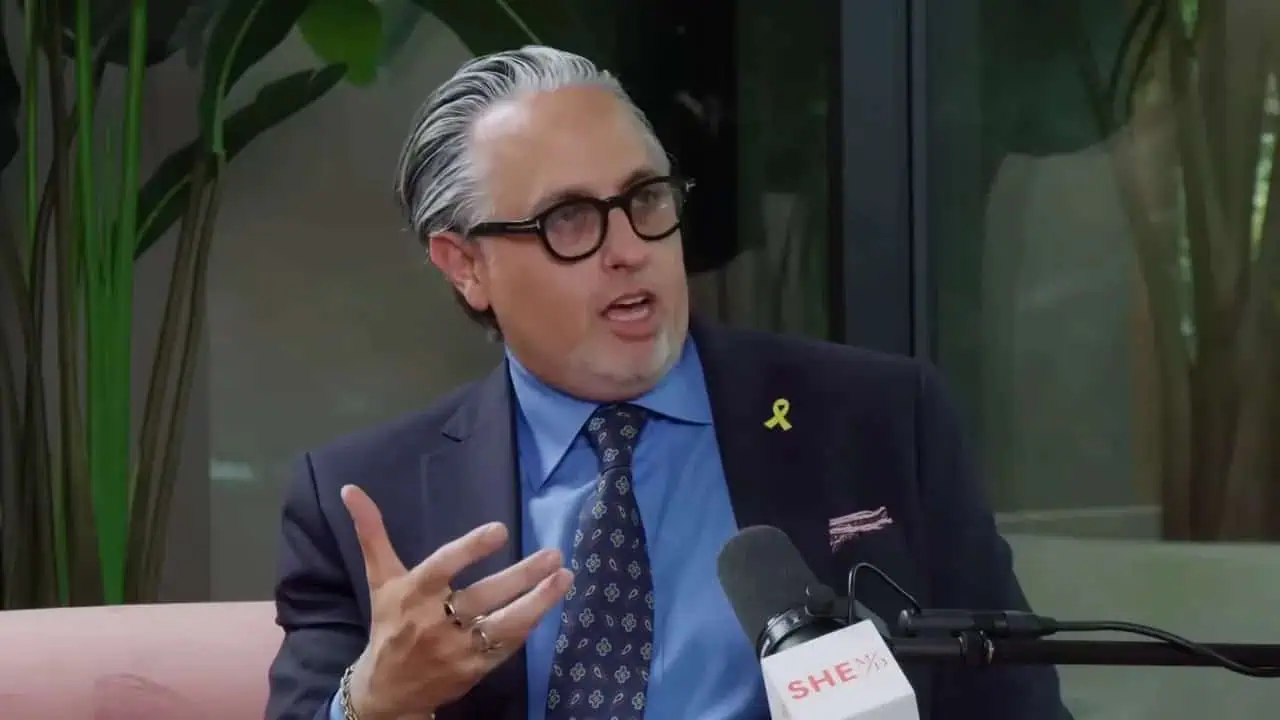
Dr. Hamid explained it beautifully. The drug itself is not directly doing all the work. The drug is informing the immune system and allowing it to do what it is capable of doing.
What is targeted therapy in melanoma?
Targeted therapy is different from hereditary genetic testing. This is not about the genes you inherited from your parents. It is about mutations inside the tumor itself.
These tumor changes can happen because of UV damage or sporadically. When certain mutations are present, doctors can use oral or IV medications that specifically target them. One major example is the BRAF mutation, found in about half of melanomas.
Targeted therapies can produce significant tumor shrinkage and, in some cases, rapid control of disease.
So when melanoma is diagnosed, it is critical not only to stage it but also, in many cases, to understand its molecular features.
How dramatic has the improvement in survival really been?
It has been extraordinary.
Before checkpoint inhibitors, the average survival for metastatic melanoma was about six to eight months. Dr. Hamid described it plainly: take 100 patients, and by eight months, half had died from the disease.
Now, 10-year data on checkpoint inhibitors show average survival around six years, and for patients who respond and reach a stable plateau, long-term survival can be above 95 percent.
That is a staggering leap. It is one of the most meaningful transformations in cancer care in recent memory.
And melanoma’s advances did not stay in melanoma. Drugs such as pembrolizumab, also known as Keytruda, which Dr. Hamid worked on, now have dozens of uses across many cancers, including triple negative breast cancer, kidney cancer, lung cancer, mesothelioma, and some colorectal cancers.
What started in melanoma helped change oncology as a whole.
Why is genetic testing part of this conversation?
Because risk is not always obvious, and family history matters more broadly than many people realize.
We discussed how hereditary risk for melanoma can overlap with hereditary risk for other cancers. That means a family history of breast, pancreatic, ovarian, or melanoma itself may justify genetic evaluation.
Dr. Aliabadi emphasized testing for melanoma-related genes such as p16 and noted that patients with this mutation may be dramatically more likely to develop melanoma. She also pointed out that even when insurance does not cover testing, the out-of-pocket cost may still be worth considering for the insight it provides.
The bigger point is this: if you know your risk, you can change your surveillance and prevention strategy.
You can see the right specialists. You can get regular skin exams. You can alert family members who may share that risk. And you can avoid dismissing symptoms that should be taken seriously.

What are the early signs of melanoma that people should never ignore?
Any changing lesion deserves attention.
Dr. Hamid emphasized the classic warning signs many of us know as the ABCD framework, plus a few others:
Asymmetry where one half does not match the other
Border irregularity where the edges are uneven or poorly defined
Color variation with multiple shades instead of one uniform color
Diameter growth, especially if the lesion is getting larger
Evolution means any change over time
Vertical growth, where a lesion begins to grow upward rather than just spread outward
Bleeding or itching
He also cautioned that not all melanomas are dark. Amelanotic melanomas can lack the typical pigment and may look like something more ordinary.
And melanoma can appear in places people do not expect, including:
Under the nails
On the palms and soles
On the vulva or labia
In the mouth or nose
In the rectal or vaginal mucosa
That last point is especially important. Melanoma is not only a sun-exposed skin disease. There are mucosal melanomas and acral melanomas that occur in different sites and can be diagnosed late because people do not think to look there.
Can people with darker skin get melanoma?
Absolutely. Dr. Hamid was explicit about this. No group is exempt.
People from the Middle East, Black patients, and others with darker skin can and do get melanoma. In Black populations, there is a higher risk of acral and mucosal melanomas, and outcomes are often worse because diagnosis happens at a more advanced stage.
That means awareness has to be inclusive. A false sense of safety based on skin tone is dangerous.
Why does self-advocacy matter so much with melanoma?
Because suspicious lesions are sometimes missed, delayed, or dismissed.
We shared personal stories about identifying irregular lesions in loved ones, insisting on biopsies, and in some cases catching melanoma that could have easily gone unchecked. One especially moving example involved a suspicious lesion on a child. Even after reassurance from a respected dermatologist, concern persisted, a biopsy was pushed for, and the pathology was serious enough to require multiple expert opinions.
The lesson was not to panic at every spot. It was to trust persistent concern when something is changing, growing, irregular, bleeding, or simply does not feel right.
Be your own health advocate. If needed, get a second opinion. If a lesion is dismissed but continues to change, ask again.
How did Khloé Kardashian’s melanoma experience highlight early detection?
With her permission, we discussed her case as an example of what can happen when a person notices a new lesion and acts on it quickly.
She saw a growth that was clearly new and did not go away. She sought care, had it evaluated, and because it was caught early, treatment involved surgical removal and surveillance rather than more advanced systemic therapy.
That matters because many people assume a visible lesion will be obvious enough to handle later. But the right move is not to wait. New, persistent, and changing growths need evaluation.
Her experience also highlights something encouraging. Surgical techniques and reconstruction have advanced so much that many patients heal beautifully, even after important procedures on visible areas.
What is the difference between early melanoma and stage 4 melanoma?
Melanoma staging follows the same broad logic that many people know from other cancers.
Stage 1 and Stage 2 are based largely on the depth of the lesion and certain high-risk features, such as ulceration
Stage 3 means regional spread, often involving lymph nodes or in-transit lesions between the primary site and the lymph node basin
Stage 4 means metastatic disease, where melanoma has spread to distant parts of the body, such as the brain or other organs
A melanoma can be tiny in millimeter measurement yet still carry meaningful risk depending on the pathology. That is why precise staging and expert review are so important.
What can stage 4 melanoma look like in real life?
With permission, we also discussed Teddy Mellencamp’s experience, which illustrates how serious melanoma can become and why ongoing surveillance matters.
She had multiple early melanomas in the past and was being followed appropriately. Later, she developed a prolonged severe headache, went to an outside emergency room, and imaging showed significant melanoma in the brain with swelling and bleeding.
At that point, care required a full multidisciplinary team. She needed neurosurgery because some of the brain lesions were large and causing swelling. She needed steroids temporarily to reduce swelling, but those can suppress the immune system, which is not ideal when planning immunotherapy. Once that immediate crisis was managed, radiation was planned, and she was started on combination checkpoint inhibitor immunotherapy.
The remarkable part is what this means today compared with years ago. In the past, brain metastases from melanoma often meant there was almost nothing effective to offer. Now, there are patients with meaningful long-term survival even in this setting.
What treatments are used for advanced melanoma with brain metastases?
Dr. Hamid discussed a combination of checkpoint inhibitors, specifically nivolumab and ipilimumab, as a key approach in advanced disease. These therapies release immune suppression and allow the body to fight melanoma more effectively.
He also made an important point about progress in cancer treatment generally. First, we prove that a therapy works. Then we improve combinations, dosing, and sequence. Then, clinical trials build on that. What started with one class of agents is now evolving into two-drug, three-drug, and even four-drug strategies in research settings.
This is why melanoma expertise and access to clinical trials can matter so much for patients at decision points.
Can melanoma be prevented with medication if you have high-risk genes?
Not at this time.
Unlike breast cancer, where medications such as tamoxifen may be used in some high-risk settings, there is no standard preventive drug strategy for melanoma in people with mutations like p16.
For now, the best approach is:
Work with a geneticist
Evaluate family members when appropriate
Establish care with physicians who know how to monitor melanoma risk
Practice diligent sun protection and surveillance
What are the two most important things we can do to prevent melanoma?
Dr. Hamid’s answer was refreshingly simple.
Decrease your sun exposure
Get your skin checked
That is it. Those are the headline prevention habits.
And when he says decrease sun exposure, he means all of the practical things that actually reduce UV damage:
Avoid intentional tanning
Avoid tanning beds
Use sunscreen and reapply it
Wear hats and sun-protective clothing
Keep children protected early in life
Be cautious even when it is cloudy because UV is still present
He pointed to countries like Australia, where sun-protective behaviors are normalized much more effectively. That cultural shift matters.
Is sunscreen enough?
No, and that is an important nuance.
Sunscreen matters, but it should not create a false sense of total protection. Dr. Hamid pointed out that sunscreens in the United States are not always as effective as products available in some other countries, and sunscreen formulas have not evolved here as quickly as many people assume.
So yes, wear sunscreen. But also reapply it. Also, wear protective clothing. Also seek shade. Also, avoid peak UV exposure. Prevention works best as a set of habits, not one product.

Is there a hormonal connection to melanoma?
Dr. Hamid said yes, noting a relationship involving estrogen and pointing out that melanoma incidence is higher in younger women than in younger men. This is an area that often comes up in women’s health conversations, especially around pregnancy and changing moles.
What matters practically is not to dismiss melanoma concerns just because a skin change occurs during a hormonal transition.
What if melanoma is diagnosed during pregnancy?
This is rare, but very serious and very complex. Dr. Hamid has personally cared for several patients diagnosed during, just before, or just after pregnancy.
Pregnancy is an immunosuppressed state, which complicates both the behavior of melanoma and treatment planning. If a mole changes during pregnancy, it should be evaluated and biopsied if indicated.
Management depends on stage and timing. Imaging options are more limited. CT scans are generally avoided, but MRI may be used. Procedures under local anesthesia can be performed. For metastatic disease, there are cases where targeted therapy for BRAF-mutated melanoma has been used during pregnancy to control disease and safely reach delivery.
After delivery, the placenta should be examined carefully because melanoma can, in rare cases, spread through the placenta. If melanoma cells are found there, the baby must be monitored from birth.
As for immunotherapy, Dr. Hamid said he would not recommend it during pregnancy, though there are case reports of exposure in patients who did not know they were pregnant. Immunotherapy can be considered after delivery.
This is one of those situations where specialty expertise is essential.
Should someone with melanoma always see a melanoma expert?
Dr. Hamid’s advice was yes, especially at key decision points.
Melanoma is common enough to matter, but still specialized enough that many general oncologists spend much more of their time treating breast, lung, colorectal, and prostate cancers. Melanoma care can involve nuanced choices about pathology review, surgery, molecular testing, lymph node procedures, immunotherapy combinations, targeted drugs, radiation, surveillance strategy, and clinical trial options.
His recommendation was practical. If standard care can be delivered well locally, it is often appropriate to receive it locally, but under the oversight or consultation of someone with deep melanoma experience. Then, when major decisions arise, return to that expert team.
That expert guidance can be the difference between routine care and truly optimized care.
What resources are helping move melanoma care forward?
We also wanted to highlight organizations doing the hard work of funding research, educating patients, and driving prevention efforts. Dr. Hamid mentioned several important groups:
Melanoma Research Alliance, which supports research and education
AIM at Melanoma, a leader in education and tanning bed legislation
Melanoma Research Foundation, which helps foster collaboration and patient support
Cure OM, which focuses on ocular melanoma
That last point is worth noting. Ocular melanoma is a different type of melanoma that begins in the eye. It is distinct from cutaneous melanoma but still a critical part of the broader melanoma conversation.
FAQs
Can young people get melanoma?
Yes. Melanoma can affect teenagers, young adults, and older adults. It is not only a cancer of aging, and younger women are affected at notable rates.
What are the warning signs of melanoma?
Look for a lesion that is changing, asymmetric, irregular at the border, varied in color, growing in size, bleeding, itching, or becoming raised with vertical growth.
Do people with dark skin get melanoma?
Yes. No skin tone is exempt. In darker-skinned populations, melanomas may be more likely to occur on the palms, soles, under the nails, or in mucosal areas, and they are often diagnosed later.
Can melanoma happen in places that do not get sun?
Yes. Melanoma can occur under the nails, on the soles or palms, and in mucosal tissues such as the mouth, nose, rectum, vagina, and vulva.
What is the best way to prevent melanoma?
The two most important steps are to reduce sun exposure and get regular skin checks. Avoid tanning beds, use sunscreen, wear protective clothing, and see a dermatologist for full-body exams.
Is melanoma treatable if it has spread?
Yes. Advanced melanoma is far more treatable now than it was in the past. Immunotherapy and targeted therapy have dramatically improved survival, even for some patients with metastatic disease and brain metastases.
What is immunotherapy for melanoma?
Immunotherapy helps the immune system recognize and attack melanoma cells. Checkpoint inhibitors are a major type of immunotherapy used in melanoma care.
Should I get genetic testing if melanoma runs in my family?
It may be appropriate, especially if your family history includes melanoma, pancreatic cancer, breast cancer, or ovarian cancer. Genetic counseling and testing can help clarify inherited risk.
Can melanoma be diagnosed during pregnancy?
Yes. Changing moles during pregnancy should not be ignored. Evaluation and biopsy can still be performed, and management depends on stage, timing, and the specific biology of the melanoma.
What we want everyone to remember
If there is one theme that ran through this entire conversation, it is that melanoma is both serious and increasingly treatable. Those two truths exist together.
We should not minimize melanoma by calling it “just skin cancer.” But we also should not think of it with the hopelessness that once surrounded advanced disease. There is genuine progress here. There are patients living years longer because of immunotherapy. There are young people catching lesions early and doing beautifully. There are specialists, researchers, advocacy groups, and public figures bringing this disease into the open.
And there are also simple actions within reach for all of us.
Know your family history
Consider genetic testing when appropriate.
Pay attention to changing lesions
Get a suspicious spot checked
Protect yourself from UV exposure
See your dermatologist for full-body skin exams
Speak up if something feels off
That is how we move from fear to action. And in melanoma, action really can save lives.
Concerned About Your Health? Talk to Dr. Aliabadi
Dr. Aliabadi is an expert OB/GYN who is knowledgeable in all aspects of women’s health and well-being. Dr. Aliabadi and her caring, supportive staff are available to support you through PCOS, endometriosis, menopause, childbirth, infertility, or routine gynecological care. We invite you to establish care with Dr. Aliabadi. Call us at (844) 863-6700 or
This article was created from the video Understanding Melanoma: Breakthroughs, Risk Factors, and Prevention with Dr. Omid Hamid | SHE MD for Dr. Thais Aliabadi’s website.