If we are being honest, many of us treat colon health like a background system. We think about it when something feels “off,” and then we hope it goes away. But when it comes to colon cancer, hope is not a strategy.
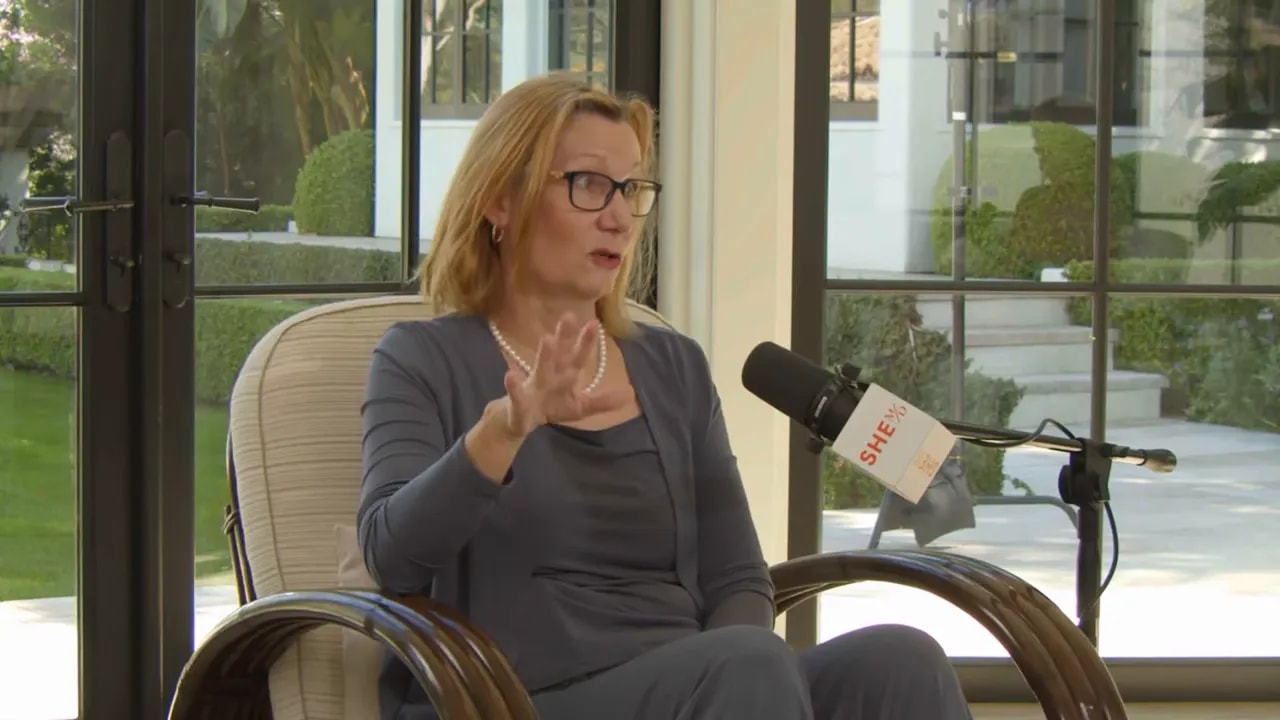
Dr. Thais Aliabadi and Mary Alice Haney spoke with colorectal surgeon Dr. Beth Moore about colon cancer, colonoscopy screening, and the myths that keep people from getting care. Her message was clear: colon cancer affects women as much as men, many cases have no family history, and colonoscopies do more than “find cancer.” They can actually prevent it by removing precancerous growths called polyps.
We also talked about what colon cancer actually is, how it spreads through stages 1 to 4, what symptoms should never be ignored, and what people can do now to reduce risk through diet, movement, fiber, and screening at the right age.
Table of Contents
- Meet Dr. Beth Moore
- What the colon does and why it matters
- How colon cancer develops: polyps first
- Colon cancer stages: what stages 1 to 4 mean
- Immunotherapy: the new and promising option
- The big prevention news: colonoscopy can prevent cancer
- Is colon cancer a “men’s disease”?
- Why colon cancer is rising in younger adults, especially women under 50
- When should you get your first colonoscopy?
- Symptoms: when should you stop assuming and get evaluated?
- Colonoscopy: what it is, how it works, and why people are less scared than they think
- Colonoscopy prep: the part everyone hates (and how to make it easier)
- Risks: What are the real concerns about colonoscopy?
- Cologuard and virtual colonoscopy: what they can and cannot do
- GLP-1 medications and colonoscopy prep: what matters
- Genetics and hereditary cancer: what to do if your family history is unclear
- Inflammatory bowel disease (IBD): IBS is different
- Risk factors you can actually act on: lifestyle matters
- Diet for prevention: fiber and a Mediterranean-style pattern
- Poop talk that saves lives: how often is normal, and when it is a warning
- Myth busting: the colonoscopy misconceptions that delay care
- How often should women get colonoscopies?
- When screening matters most: your age and your symptoms
- A patient story that changed how she thinks about hope
- FAQ: colon cancer screening, symptoms, and prevention
- Our takeaway: screening is not optional if you want prevention
Meet Dr. Beth Moore
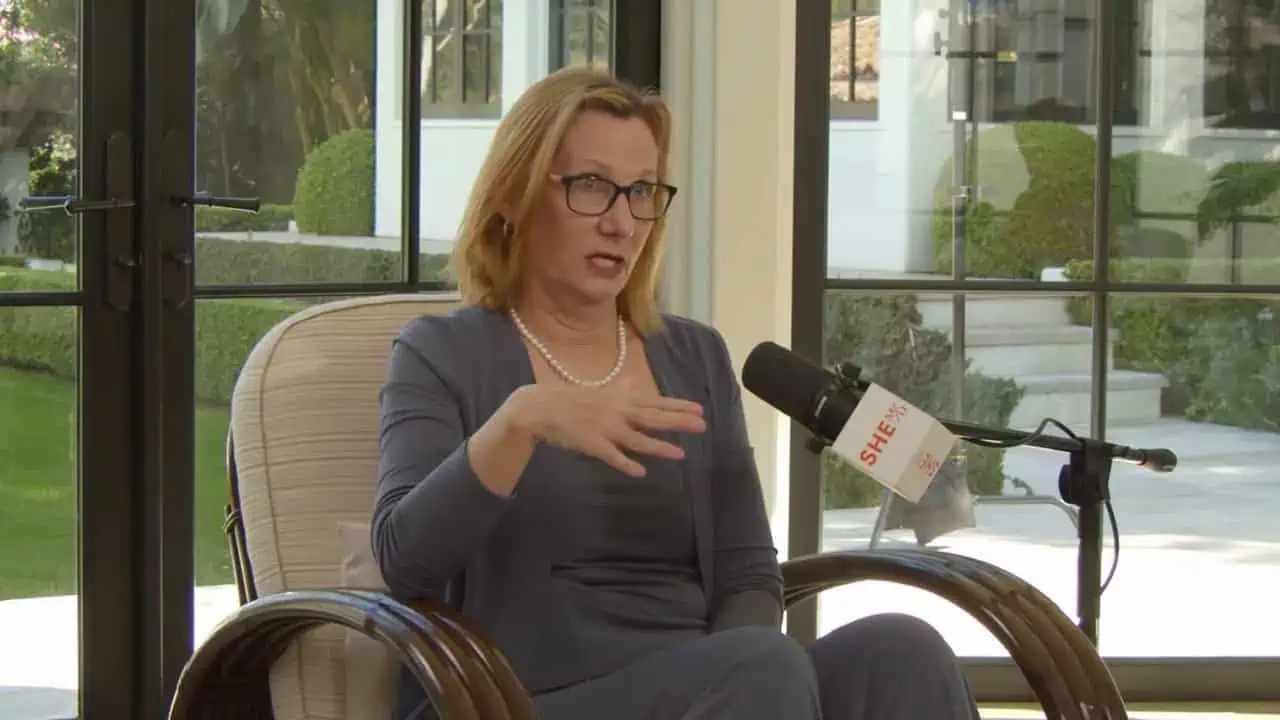
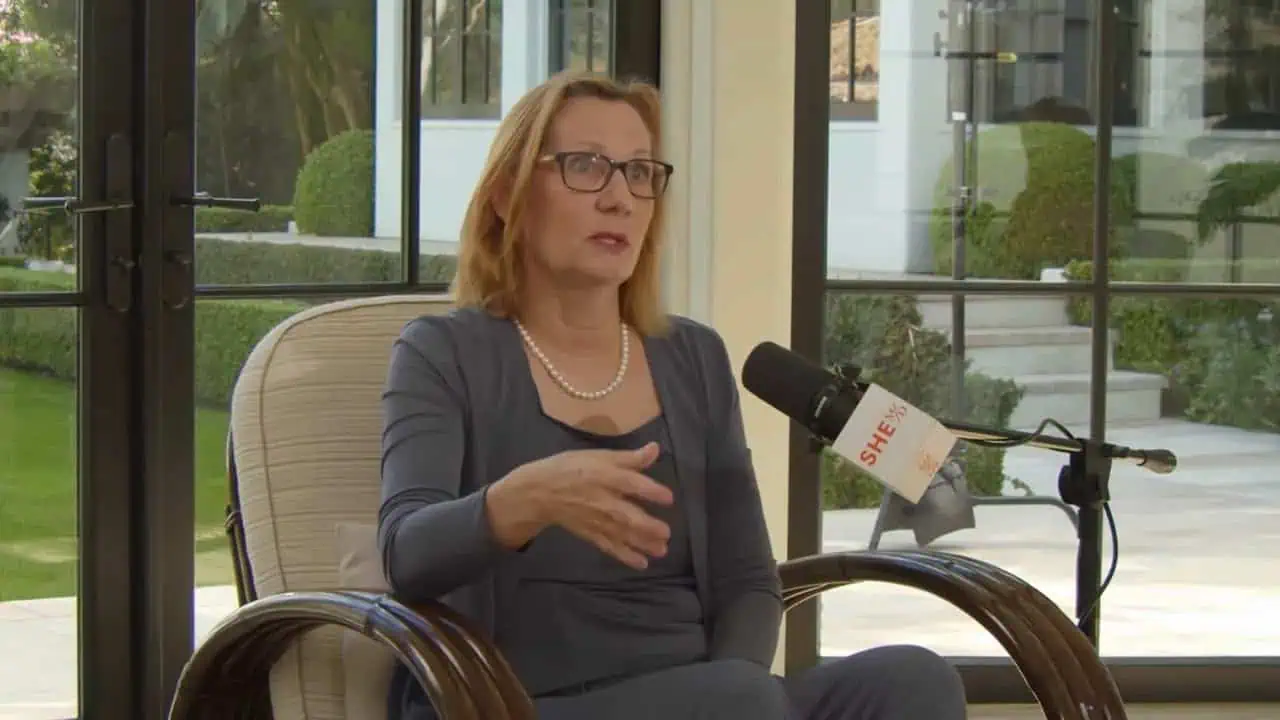
Dr. Beth A. Moore is a colon and rectal surgeon affiliated with Cedars-Sinai Medical Center. She has more than 20 years of practice, with expertise in colonoscopy and colorectal surgery.
She also shared something personal and motivational. Her concern about colon cancer is rooted in family history, since her grandfather died of colon cancer when he was relatively young. That experience is part of why she is so vocal about screening and prevention, especially for women.
What the colon does and why it matters
What exactly is the colon?
The colon is the large intestine. Food goes from the stomach into the small intestine, where nutrients are absorbed, and the contents become more liquid. The colon then absorbs fluid and helps form stool, which is why the colon plays a key role in how our bodies eliminate waste.
So what is colorectal cancer?
Colorectal cancer is cancer that begins in the colon. Many colon cancers start as polyps, which are tiny growths in the lining of the colon. Over time, some polyps can transform into cancer.
Dr. Moore described cancer as a growth that starts inside the lining and then works its way through the layers of the colon. From there, it can spread to other areas such as the lungs or liver.
How colon cancer develops: polyps first
Do people feel polyps before cancer develops?
Usually, no. Polyps can be small and cause no symptoms. Even when cancer develops, symptoms often appear only after the tumor becomes large enough to cause problems. That is why waiting for symptoms is such a risky strategy.
Dr. Moore emphasized that colon cancer is one of the cancers that we can catch early enough to prevent it. When polyps are found during colonoscopy, they can be removed, reducing the chance of progression to cancer.
Colon cancer stages: what stages 1 to 4 mean
How are colon cancers staged?
When someone is diagnosed, doctors take biopsies and evaluate how far the cancer has traveled. Stage describes how deeply it goes and whether it has spread.
Dr. Moore explained it this way:
- Stage 1: confined to the inner layer of the bowel wall. Surgery can be curative.
- Stage 2: through the bowel wall.
- Stage 3: involves lymph nodes around the area.
- Stage 4: outside that region, including possible spread to other parts of the body, like the liver.
What determines treatment?
Treatment depends on how advanced the cancer is and what areas it involves. Dr. Moore noted that treatment is evolving. Historically, many people had “surgery, surgery, surgery,” but now some advanced cancers receive chemotherapy up front to shrink tumors and make complete removal more achievable.
For rectal cancer specifically, treatment often involves chemotherapy and radiation up front, sometimes for a long period, and in select cases it can even lead to “watch and wait,” where patients are monitored closely instead of automatically undergoing surgery.
Immunotherapy: the new and promising option
What about immunotherapy?
Dr. Moore highlighted immunotherapy as a breakthrough. The idea is that medications can help the immune system fight cancer.
But not every colon cancer qualifies. Testing is used to see whether a person’s tumor has features that make immunotherapy appropriate. Only a small percentage of patients may fit into that category, but the impact can be significant for those who do.
The big prevention news: colonoscopy can prevent cancer
Why is colonoscopy the “gold standard”?
Because it can find and remove polyps before they turn into cancer. Dr. Moore was direct about this: colonoscopies are not just about diagnosing cancer. They are a prevention tool.
When a polyp or precancerous lesion is found, it is removed during the procedure. That means we are interrupting the timeline from polyp to cancer, instead of reacting later.
Dr. Moore also emphasized a key reality that people often do not realize:
Most people diagnosed with colon cancer do not have a family history.
So if someone waits for symptoms or for a family history to “justify” screening, they can miss the window when prevention is still possible.
Is colon cancer a “men’s disease”?
Does colon cancer affect women differently?
No. Colon cancer impacts women just as much as it impacts men.
Dr. Moore stated that colon cancer is the third most common cancer for women (after breast and lung), and the third most common cancer for men (after prostate and lung). It is not a man-only disease.
This matters because the myths can change behavior. People may delay screening if they think colon cancer is rare in women or strongly tied to genetics. But the evidence and clinical reality say otherwise.
Why is colon cancer rising in younger adults, especially women under 50
We are hearing that colon cancer is increasing in younger adults. What is going on?
Dr. Moore said the incidence of colon cancer in older adults (roughly above 60 to 65) is staying roughly the same, maybe slightly dropping. The concerning shift is that colon cancer is rising in younger adults.
She suggested that environmental and lifestyle factors likely play a role. We may not know every exact mechanism yet, but the pattern is real. Diet patterns, processed foods, sugary drinks, obesity trends, and other health habits across generations may be part of the explanation.
The practical takeaway is urgent: we cannot rely on the old assumption that colon cancer is mostly an older-person problem.
When should you get your first colonoscopy?
What are the new screening guidelines?
Dr. Moore explained that recommendations have shifted.
It used to be common to screen at 50. Now, for many people, the first colonoscopy is recommended at 45, and earlier if there are risk factors or symptoms.
Key point: the “first colonoscopy at 45” message should not be treated as a suggestion you can ignore. It is a prevention timeline that keeps pace with the changing cancer landscape.
What risk factors push screening earlier?
Dr. Moore listed several “red flags” that increase risk and may require earlier or more frequent colonoscopy. Major ones include:
- First-degree relative with colon cancer under age 50
- Multiple family members on the same side of the family with colon cancer
- Personal history of colon cancer
- Personal history of polyps, especially many polyps (she specifically mentioned situations where more than 10 polyps are removed)
- Genetic syndromes such as Lynch syndrome or familial adenomatous polyposis (FAP)
- Inflammatory bowel disease, including ulcerative colitis and Crohn’s disease
- Symptoms that suggest possible colon pathology (more on this below)
Symptoms: When should you stop assuming and get evaluated?
What symptoms should send you to a doctor right away?
Dr. Moore emphasized that symptoms can vary, but several warning signs should never be brushed off. She also addressed a common problem in primary care: people hear “it’s probably hemorrhoids” and do not get an appropriate evaluation.
She pointed out that bright red rectal bleeding is often blamed on hemorrhoids. Many times, it may indeed be hemorrhoids, but because cancer rates are rising, she wants people evaluated to make sure they are safe.
Here are the symptoms she highlighted:
- Rectal bleeding (including bright red bleeding)
- Blood mixed in stool
- Change in bowel habits such as:
- Going from once a day to three or four times a day
- Going from once a day to being constipated or not going for several days
- Narrowing of stools
- Anemia
- Weight loss
- Fatigue
- Abdominal pain
- Rectal pain
Dr. Moore’s framework was simple: check for the worst-case scenario first, then work backwards. It is not fear-mongering. It is risk management.
Colonoscopy: what it is, how it works, and why people are less scared than they think
What should people expect from the colonoscopy itself?
Dr. Moore described colonoscopy as the use of a high-definition camera passed through the anus and around the colon. The procedure involves:
- Insertion of the instrument with a camera
- Careful withdrawal while inspecting the colon lining
- Tool passage through channels in the instrument to remove polyps if needed
The tools can be used to remove polyps, and clips can be placed if there is bleeding. Technology has improved, allowing the removal of larger polyps than in the past and helping reduce the need for some surgeries.

How long does it take, and is anesthesia safe?
The procedure is usually about 20 to 30 minutes. After that, patients spend another 20 to 30 minutes in a recovery room, with monitoring and wake-up support.
Dr. Moore noted that most patients use one main medication for sedation called Propofol. It is adjusted to body weight and tolerance, and anesthesiologists monitor patients throughout. The medication wears off relatively quickly, and many people wake up feeling like they had a great sleep.
She also addressed fear directly: the anesthesia is a common worry, but it is not treated casually. Safety monitoring is continuous.
What happens during recovery?
After the colonoscopy, you need someone to drive you home because of sedation. You will be monitored briefly to ensure you are stable and safe before discharge.
Colonoscopy prep: the part everyone hates (and how to make it easier)
What is the colonoscopy prep process?
Dr. Moore focused on the real culprit: prep is the hardest part, not the procedure itself. She mentioned a typical process:
- Two to three days before: avoid foods like nuts, seeds, and popcorn. Some supplements and blood-thinning medications may also need to be held, depending on your situation.
- The day before: follow a clear-liquid diet to help flush out stool.
She described a more modern approach compared with older “big nasty gallon” solutions. In her practice, she often recommends a split-dose prep:
- First dose in the afternoon
- Clear liquids after
- Second dose in the evening (often around 9 or 10)
- No food by mouth after midnight
- Procedure first thing in the morning
She also warned not to make prep risky by scheduling it poorly. For example, do not head off on long errands or road trips once prep is working, because the bathroom trips start to happen quickly.
Risks: What are the real concerns about colonoscopy?
What are the risks of colonoscopy?
Dr. Moore walked through the risks people worry about:
- Anesthesia risk: She described it as incredibly safe, with monitoring and proper dosing.
- Perforation risk: injury to the bowel wall requiring surgery is extremely low.
She cited approximate probabilities: for colonoscopy itself, the risk is around 1 in 5,000.
With biopsy and polyp removal, the risk can go up. She referenced a range that can be from 1 to 3,000, depending on the situation.
Technology also helps manage complications in many cases. If bleeding occurs, clips or tools can control it. Early recognition and safe post-procedure monitoring are central to preventing the worst outcomes.
The core message: the risks exist, but they are low, and colonoscopy is still the best prevention method we have for most average-risk patients.
Cologuard and virtual colonoscopy: what they can and cannot do
What about the “poop test” like Cologuard?
Dr. Moore described Cologuard as a stool DNA and blood test. She also called it “poop in a box.” The lab looks for hidden blood and certain DNA changes associated with cancer.
Her key criticism: it does not detect polyps very well. It can detect cancer and larger polyps, but it may miss smaller polyps that are still precancerous.
So if Cologuard is positive, you still need a follow-up colonoscopy. Dr. Moore’s prevention point is that you should not treat stool testing as a replacement for standard colonoscopy when prevention is the goal.
What about virtual colonoscopy?
Virtual colonoscopy is a form of CT-based imaging described by Dr. Moore as a “fancy-shmancy CAT scan” focused on the colon.
She acknowledged that it is an imaging option, but emphasized two problems:
- It still requires bowel prep, the part people already find hardest.
- If polyps are found, you will likely need a real colonoscopy anyway to remove them.
She also noted that colonoscopy is highly effective because it combines detection with removal in one visit. She called it the “gold standard” for that reason.
GLP-1 medications and colonoscopy prep: what matters
Do GLP-1 medications increase risk for colonoscopy?
Dr. Moore explained why hospitals often recommend holding GLP-1 medications before procedures that involve sedation. The reason is not that GLP-1s “cause cancer.” It is because they can affect how thoroughly the stomach empties.
If stomach contents are not empty, there is a risk of aspiration during anesthesia. Aspiration can lead to pneumonia.
She mentioned that many institutions advise holding GLP-1s for a week, and she personally says 10 days because people sometimes do not follow instructions perfectly.
She also highlighted side effects that can affect bowel habits: GLP-1s commonly cause constipation. Some people may get diarrhea, especially if they are on diabetes medications like Metformin.
Her practical suggestion was to start with fiber and, if needed, use a mild stool softener or laxative to counter constipation under clinician guidance.
Can GLP-1s lower colon cancer risk?
Dr. Moore referenced emerging research showing that GLP-1s may reduce obesity-related cancers. She pointed to a study reporting a 17% reduction in obesity-related cancers (including major cancers such as breast and colon) in obese patients.
She framed this carefully: more studies are needed. The “what do we do with this information” question is still open, especially around whether GLP-1s could someday be used prophylactically for cancer prevention or only as a risk-reduction tool through weight management and behavior change.
Genetics and hereditary cancer: what to do if your family history is unclear
How do you know if colon cancer risk is genetic?
Dr. Moore said the most important step is looking at your family tree. Genetic risk may be suggested by patterns such as:
- Family history of colon cancer
- Family history of polyps
- Other cancers in the same side of the family, including thyroid cancer, uterine cancer, and ovarian cancer
She also noted that a major challenge is that many people do not know their family history anymore. Families can be “all over the place,” and medical details get lost.
What about tumor genetic testing?
Dr. Moore noted that when cancer is removed, testing of the tumor may be performed automatically to look for actionable mutations.
What tests exist, and what do they check?
In her practice, she uses genetic tests like MyRisk (Myriad). She described it as checking multiple cancer types and mutations. If there is a personal history of colon cancer or a first-degree relative with colorectal cancer under age 50, she may offer genetic testing.
She explained why genetic findings matter so much: certain mutations can dramatically increase lifetime risk, going from a baseline estimate (she mentioned 3 to 5%) up to very high levels (she referenced risk as high as 90% in some scenarios).
If you have a mutation, does it change colonoscopy timing?
Yes. Dr. Moore described the typical transformation timeline from polyp to cancer in average-risk people as about 8 to 10 years. With genetic risk, that transformation can be shorter, sometimes 2 to 3 years.
Therefore, screening begins earlier and happens more frequently.
What is FAP, and what happens when people have “thousands” of polyps?
Dr. Moore explained that in FAP, polyps can be extremely numerous. In those cases, it is not practical to remove all polyps endoscopically. She described a surgical strategy where the colon may be removed, sometimes along with the rectum, depending on the situation.
Patients may have different options based on rectal polyp presence. Dr. Moore also emphasized that these are specialist-level decisions tailored to each person’s disease pattern.
Inflammatory bowel disease (IBD): IBS is different
Does IBS increase colon cancer risk?
Dr. Moore distinguished IBS from IBD.
IBS, or irritable bowel syndrome, is a condition where the colon “looks normal” but acts cranky. It can cause pain, diarrhea, or constipation, but it is not the same as inflammatory bowel disease.
Does Crohn’s or ulcerative colitis increase colon cancer risk?
Yes. IBD refers to inflammatory bowel disease, including:
- Ulcerative colitis (inflammation in the colon starting at the anus)
- Crohn’s disease (inflammation that can occur anywhere along the GI tract from the mouth to the anus)
The longer these diseases are present, particularly ulcerative colitis focused in the colon, the higher the risk for colon cancer in the future.
Dr. Moore’s key advice was twofold:
- Get inflammation under control with appropriate medical care.
- Screen more frequently. She said colonoscopies for many IBD patients are often done about every two years when appropriate, though the exact schedule depends on disease control.
Risk factors you can actually act on: lifestyle matters
What lifestyle and health factors increase colon cancer risk?
Dr. Moore listed lifestyle and health-related risk factors, including:
- Age (risk increases past 45)
- Family history and genetic factors
- Personal history of polyps
- Inflammatory bowel disease
- Low fiber and diet patterns that lack plant-based foods
- High-fat diet
- Processed meat
- Obesity
- Physical inactivity
- Smoking (people often think only of lung cancer, but it increases colon cancer risk too)
- Heavy alcohol use
And then she made it practical: you might not be able to change the past, but you can change the future by improving diet, reducing alcohol and smoking, and prioritizing screening.
Diet for prevention: fiber and a Mediterranean-style pattern
What diet approach does Dr. Moore recommend?
Dr. Moore specifically endorsed the Mediterranean diet as a strong prevention approach.
It aligns with her emphasis on:
- Fruits and vegetables
- Legumes
- High fiber intake
- Exercise
- No smoking
- Lower alcohol use
How much fiber do we need?
She recommended about 25 to 30 grams of fiber per day.
You can get fiber from fruits, vegetables, and legumes. Supplements like psyllium (and other fiber supplements such as Metamucil) can help, but she noted that supplements may provide only about five to six grams, so it is important to build most fiber from food.
She also said fiber helps bowel function and supports colon health by reducing risk and helping reduce chronic inflammation.
Poop talk that saves lives: how often is normal, and when it is a warning
Should we be pooping every day?
One of the most refreshing parts of this conversation was how normal it made the topic of bowel movements feel. Dr. Moore said that “poop” is not a problem to be hidden.
Then she offered a real guideline:
- Anything from three times a day to three times a week can be considered normal.
You do not need to force daily bowel movements. For many people, daily pressure turns into laxative overuse and can worsen things over time.
Is it different for every person?
Yes. Dr. Moore explained that bowel habits vary. Some people go at more predictable times, like a clock, while women may bounce around a bit more. What matters is not perfection, but avoiding extremes.
She advised against “big leaps,” like going days without a bowel movement and ending up with hard, pellet-like stool, or having persistent diarrhea.
What poop clues should make you seek evaluation?
She cautioned that stool appearance myths (like perfectly shaped “S-shaped” stools) are not as important as whether your bowel habits and stool consistency are soft, formed, and not extreme.
She emphasized what is actually useful:
- Hard stool or frequent straining can aggravate hemorrhoids
- Loose stool or diarrhea can also be a sign that something is off
- Changes matter, especially when they are new and persistent
If anything changes significantly, it is worth being evaluated. And if bleeding is present, it is not automatically “just hemorrhoids.” It is a symptom that needs checking.
Myth busting: the colonoscopy misconceptions that delay care
Myth: “Rectal bleeding is probably just hemorrhoids.”
Truth: It might be hemorrhoids, but it is “hemorrhoids until proven otherwise.” In an era where incidence is rising, Dr. Moore wants people to be evaluated instead of assumed.
Myth: “A colonoscopy is only to find cancer.”
Truth: Colonoscopy is about preventing cancer by finding and removing polyps, the precursors of most cancers.
Myth: “If I have no family history, I’m safe.”
Truth: Dr. Moore reiterated that most people with colon cancer do not have a family history.
Myth: “If I have no symptoms, I don’t need screening.”
Truth: Waiting for symptoms can be too late because precancerous growths are often silent.
Myth: “Colonoscopies happen only once every very long time.”
Truth: The interval depends on what is found. Dr. Moore said many people can return in about 5 to 7 years after a normal colonoscopy. If polyps are found, closer intervals such as 3 to 4 years may be recommended. She also described an approach where she is “more aggressive” for certain risk profiles.
How often should women get colonoscopies?
Does Dr. Moore recommend different timing for women?
She did not frame colonoscopy intervals as “women-specific.” Instead, she recommended timing based on risk level and results.
She shared her own referral patterns:
- If there is a family history of colon cancer under a certain age, she starts screening about 10 years earlier than the relative’s age at diagnosis (or another pathway based on whichever is earlier).
- If there is no family history, screening can start at 45.
- If there is a first-degree family member with colon cancer, she may recommend intervals like every three years, depending on specifics.
- If tubular adenomas are found, she may recommend a colonoscopy about every three years.
She said the reason she is more aggressive in certain cases is to avoid missing anything, while still following standards of care.
When screening matters most: your age and your symptoms
What should someone who feels “too young” do?
Dr. Moore said the best action is to get screened at 45 or earlier if you have risk factors or symptoms. If you have symptoms, you should be evaluated by a clinician to determine if a colonoscopy is needed sooner.
She also framed it emotionally: you want to “check the box” by getting evaluated, so you do not wait for a worst-case scenario. You might get told it is hemorrhoids, but you still want reassurance.
A patient’s story that changed how she thinks about hope
Dr. Moore shared a story about a patient and HIPEC. Why does it matter?
Dr. Moore shared the story of a patient named Yaffa who was diagnosed with stage one colon cancer in her late 50s and did well after surgery. A few years later, her cancer returned, and the situation became more advanced.
In Dr. Moore’s telling, doctors told the patient’s family that surgery would not help and that chemotherapy was needed, even suggesting only a limited prognosis. Dr. Moore sought other options, connecting with a surgeon in San Diego who could perform HIPEC (heated chemotherapy) during a major operation.
HIPEC is described in the conversation as a “shake and bake” approach where hot chemotherapy is delivered in the context of tumor removal, aiming to coat areas where cancer cells may have spread.
Dr. Moore emphasized that the procedure is complex with substantial risk, but that it can offer a chance for a cure in carefully selected cases. In Yaffa’s case, Dr. Moore said the patient is still alive today, around eight years later.
Her lesson was not that every case can be solved this way. It was that clinicians should not give up hope prematurely, and when they do not know the best option, they should seek expertise.
FAQs: colon cancer screening, symptoms, and prevention
How often should average-risk women get colonoscopies?
For average-risk patients, Dr. Moore discussed that many people follow a return interval after a normal colonoscopy of about 5 to 7 years. Exact timing depends on findings and risk factors. If polyps or higher-risk results occur, the interval is often shorter.
Do I really need a colonoscopy if there is no colon cancer in my family?
Yes. Dr. Moore stressed that most people diagnosed with colon cancer do not have a family history. Screening is recommended based on age and risk, not only on family history.
What are the most important symptoms not to ignore?
Dr. Moore highlighted rectal bleeding, blood mixed in stool, significant changes in bowel habits, narrowing of stools, anemia, weight loss, fatigue, and abdominal or rectal pain. Any new or persistent change should be evaluated.
Is rectal bleeding always hemorrhoids?
No. It can be hemorrhoids, but Dr. Moore emphasized: “hemorrhoids until proven otherwise.” Because cancer incidence is rising, bleeding should still be evaluated.
What does colonoscopy prep usually involve?
Prep often includes avoiding nuts and seeds for a few days before, following a clear-liquid diet the day before, and using a split-dose bowel preparation solution. Dr. Moore described her typical approach as two bottles, taken in the afternoon and evening, followed by no food by mouth after midnight.
Are colonoscopies safe?
Dr. Moore described colonoscopy as very safe with continuous monitoring during sedation. The perforation risk she mentioned is very low, approximately 1 in 5,000 for colonoscopy itself, and higher with polyp removal (she referenced a range roughly 1 to 3,000).
Do stool tests like Cologuard replace colonoscopy?
Not in Dr. Moore’s view. She explained that Cologuard can detect cancer and some larger polyps, but it does not detect polyps well, especially smaller ones. If positive, it leads to a colonoscopy. For the prevention of polyps, colonoscopy remains the main tool.
Does virtual colonoscopy work better than colonoscopy?
Dr. Moore said virtual colonoscopy requires the same bowel prep and cannot remove polyps. If polyps are found, you still need a real colonoscopy to remove them. Colonoscopy is the gold standard because it combines detection and removal.
How much fiber should we aim for to support colon health?
Dr. Moore recommended about 25 to 30 grams of fiber per day, ideally from food sources like fruits, vegetables, and legumes. Fiber supplements can help, but she noted they may provide only a portion of the needed fiber.
Is IBS the same as inflammatory bowel disease?
No. IBS (irritable bowel syndrome) tends to look normal but has symptoms like pain, diarrhea, or constipation. IBD (including ulcerative colitis and Crohn’s disease) involves inflammation and is associated with higher colon cancer risk, particularly with longer duration of disease.
Our takeaway: screening is not optional if you want prevention
Dr. Moore’s core message is about control. Colon cancer is rising in younger adults, women are impacted just as much as men, and most people who develop colon cancer do not have a family history.
So the “safe” path is not waiting for symptoms or for someone else’s diagnosis. It is getting screened at the recommended age, earlier if risk factors are present, and following up after any warning signs like bleeding or bowel habit changes.
And yes, it helps to talk about poop more openly. But more importantly, it helps to treat colon health like something we manage proactively, not something we only notice when it becomes serious.
Educational note: This content is for general information and does not replace medical advice. Always consult a qualified clinician about your personal risk and screening plan.
Additional reading
If you’d like more details on screening and what to expect, here are a few helpful resources:
Note: These links provide general educational information and are not a substitute for personal medical advice.
Concerned About Your Health? Talk to Dr. Aliabadi
Dr. Aliabadi is an expert OB/GYN who is knowledgeable in all aspects of women’s health and well-being. Dr. Aliabadi and her caring, supportive staff are available to support you through PCOS, endometriosis, menopause, childbirth, infertility, or routine gynecological care. We invite you to establish care with Dr. Aliabadi. Call us at (844) 863-6700 or
This article was created from the video Colon Cancer Is Rising in Women under 50—What You Need to Know Now | Dr. Beth Moore | SHE MD for Dr. Thais Aliabadi’s website.