Dementia can feel like a storm on the horizon. One day, you forget where you put your keys. The next day, you are worried you are falling behind. And if dementia runs in your family, the fear can hit even harder.
But the story we want to tell is not just about risk. It is about agency. In conversation with preventive neurologist Dr. Kellyann Niotis, Dr. Thais Aliabadi and Mary Alice Haney dig into how brain health actually works, why women are disproportionately affected, and which “small” lifestyle foundations most strongly shape outcomes. The theme was consistent: your genes may influence risk, but they do not determine your destiny. And prevention is not a vague idea. It is a plan.
Table of Contents
- Why this conversation matters right now
- Interview with Dr. Kellyann Niotis
- The brain health basics, simplified
- FAQs
- Our biggest takeaway
Why this conversation matters right now
Neurodegenerative diseases are not rare problems that only affect other people. In the United States, someone develops Alzheimer’s disease about every 67 seconds, and more than 55 million people worldwide are living with dementia.
Dr. Niotis framed it bluntly: these diseases are on the rise, and unlike some other major health conditions where treatments have improved dramatically, progress in treating neurodegenerative disease has been slower. That makes prevention our most powerful strategy.
Interview with Dr. Kellyann Niotis
Before we get into the tips, what is dementia, and how is it different from normal forgetfulness?
Normal aging includes small memory slips. You walk into a room and forget why you came. You misplace your phone, then find it later. You hear a name and do not land it as quickly as you used to.
Those moments can happen when we are stressed, multitasking, or not fully paying attention.
Where it becomes more concerning is when the issue goes beyond “I forgot.” Dr. Niotis highlighted red flags like:
- Disorientation to location or not recognizing a common space
- Difficulty using familiar technology, like not knowing how to use your phone
- Repeating the same questions without remembering you asked them (not just because you were distracted)
And here is the nuance: repeating yourself can also be due to poor listening or stress. But disorientation or losing the ability to use familiar tools is the kind of change that warrants medical attention.
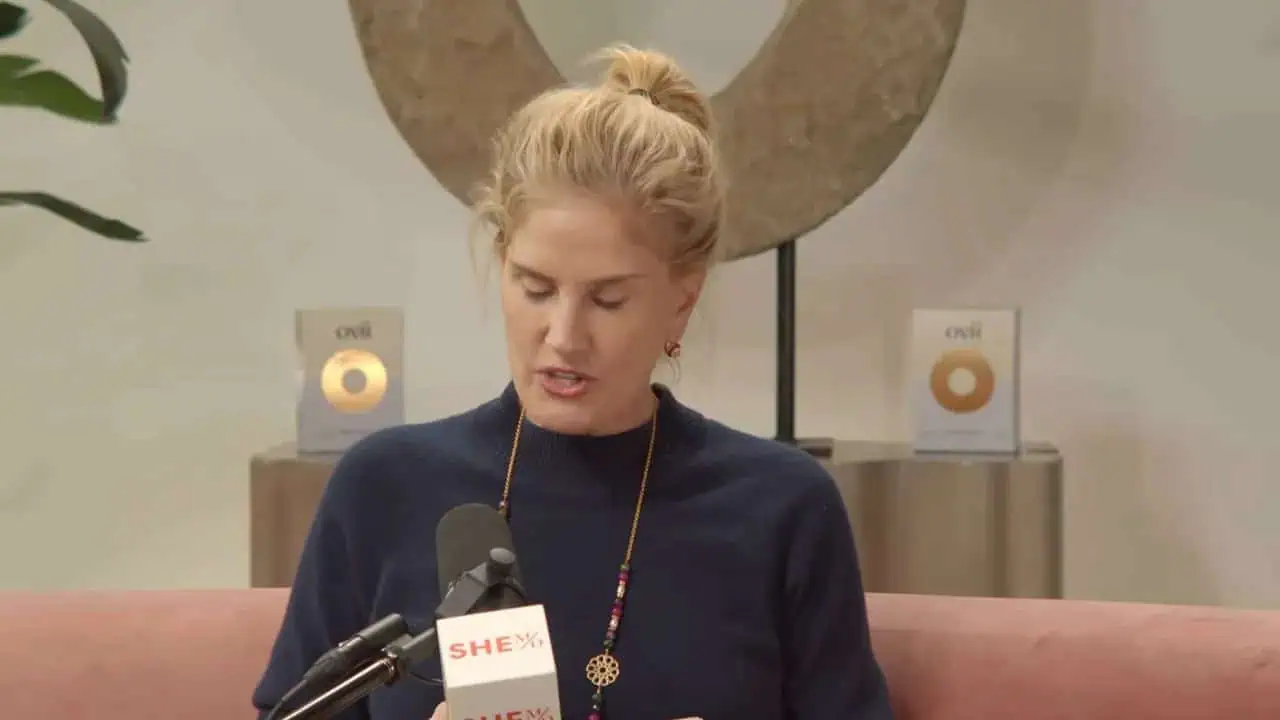
What is the “one change” people keep hearing about that can lower dementia risk by 35%?
The most hopeful, actionable headline from the research is tied to diet. Dr. Niotis referenced a Mediterranean-style dietary pattern showing a 35% reduction in dementia risk in people who carry the APOE4 gene.
That does not mean “Mediterranean diet equals instant protection.” It means diet is one of the strongest levers we have, especially when it is paired with other foundations like sleep, movement, stress management, and metabolic health.
Dr. Niotis also emphasized that this is modifiable. Risk is not written in stone.
Let’s talk genetics. If someone learns they carry APOE4, does that mean their fate is sealed?
No. It is important to know, but it is never your destiny.
Dr. Niotis explained that one of the most significant genetic risk factors for Alzheimer’s disease (and also Lewy body dementia) is a variant in the APOE gene, specifically APOE4. About one-fourth of the population carries one copy, and carrying it increases risk roughly in the range of two to four times, though she cautioned against treating exact numbers as universal because risk varies based on lifestyle, sex, other medical conditions, and family history.
Then she addressed the panic that many people feel after direct-to-consumer genetic tests. She said, essentially, that yes, people spiral, and rumination is bad for the brain.
But knowledge can be empowering if it leads to action and does not steal your sleep or your peace.
Dr. Niotis also mentioned a practical option many patients choose: some prefer to get tested but not learn results if the information would overwhelm them. The goal is not fear. The goal is protection.
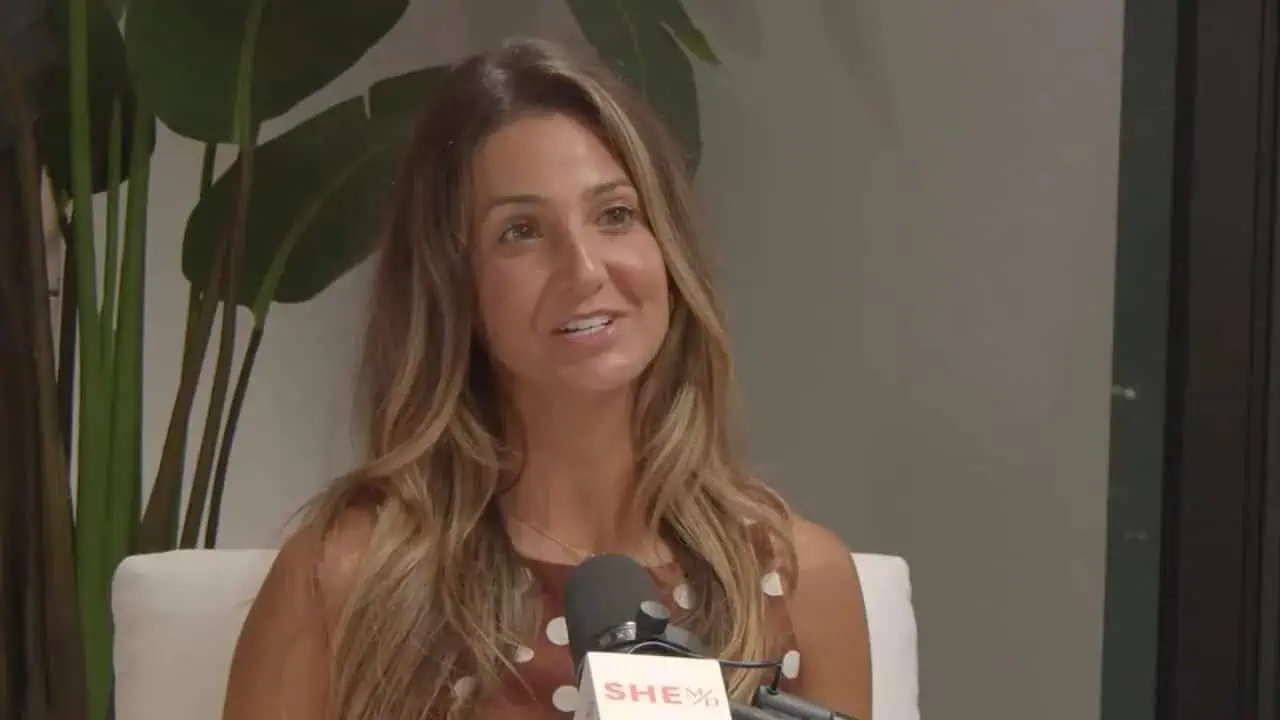
Is the same advice useful for all neurodegenerative diseases? Alzheimer’s, Parkinson’s, ALS, and the rest?
Dr. Niotis made a helpful distinction. Her focus is on neurodegenerative diseases that directly involve the brain, including:
- Alzheimer’s disease
- Parkinson’s disease
- Lewy body dementia
She noted that ALS tends to start more in the peripheral nervous system and behaves differently.
But for prevention and brain health, she encouraged viewing these diseases more like a spectrum because they share overlapping risk factors. The same cornerstones you build for overall brain health are generally impactful across these conditions.
When doctors assess dementia risk, what do they actually look at?
Dr. Niotis described a “discovery phase.” Doctors start by understanding the person in front of them:
- Family history
- Other medical and psychiatric comorbidities
- Life history factors that can influence risk, such as falls or trauma
- Neurological risk factors across sleep, exercise, nutrition, and more
- Metabolic and vascular health, including cholesterol control, blood glucose control, and blood pressure control
- Hormonal health and relevant nutritional markers
Then, testing can help pinpoint where someone sits on a risk trajectory, including labs, imaging, and blood-based biomarkers.
She also made an important caution: biomarker testing is not something she recommends people do entirely on their own.
Sleep comes up constantly. Why is it so important for brain health?
Because it is one of the “top three” priorities most doctors mention, no matter what health issue they are discussing. Dr. Niotis emphasized that sleep is not just about hours. It is about sleep architecture, including deep sleep and REM sleep.
She shared that she has watched wearables show missing deep sleep or REM sleep even when she was sleeping many hours. When she tried to adjust, she also learned that sleep is personal. Sleep needs are individual, and sleep issues have many potential causes.
Her first advice: if you cannot sleep, figure out why you cannot sleep. Insomnia can be lifelong and not simply stress-related.
And if you truly cannot get restoration, she said, modern medicine can help. She specifically discussed that some sleep medications may affect sleep architecture more favorably than others. In her example:
- Trazodone seems to help with sleep architecture
- She contrasted that with options that can knock you out but do not necessarily provide restorative architecture, including benzodiazepines and diphenhydramine-based sleep aids
- She also mentioned that alcohol may help you fall asleep, but it does not create restorative sleep
She then connected sleep science to dementia prevention through orexin biology. There is evidence that the orexin signaling pathway is dysfunctional in Alzheimer’s disease, and newer medications that block orexin receptors are being explored. In her own research, she and her team follow blood-based biomarkers over time to understand how such medications might influence disease-related markers. She cautioned that data is still evolving and that what is tolerable varies person to person because some options can be very sedating.
Ultimately, she returned to a practical principle: feel well rested in the morning. That is often a better marker than a wearable’s guess if you are trying to decide how to approach sleep.
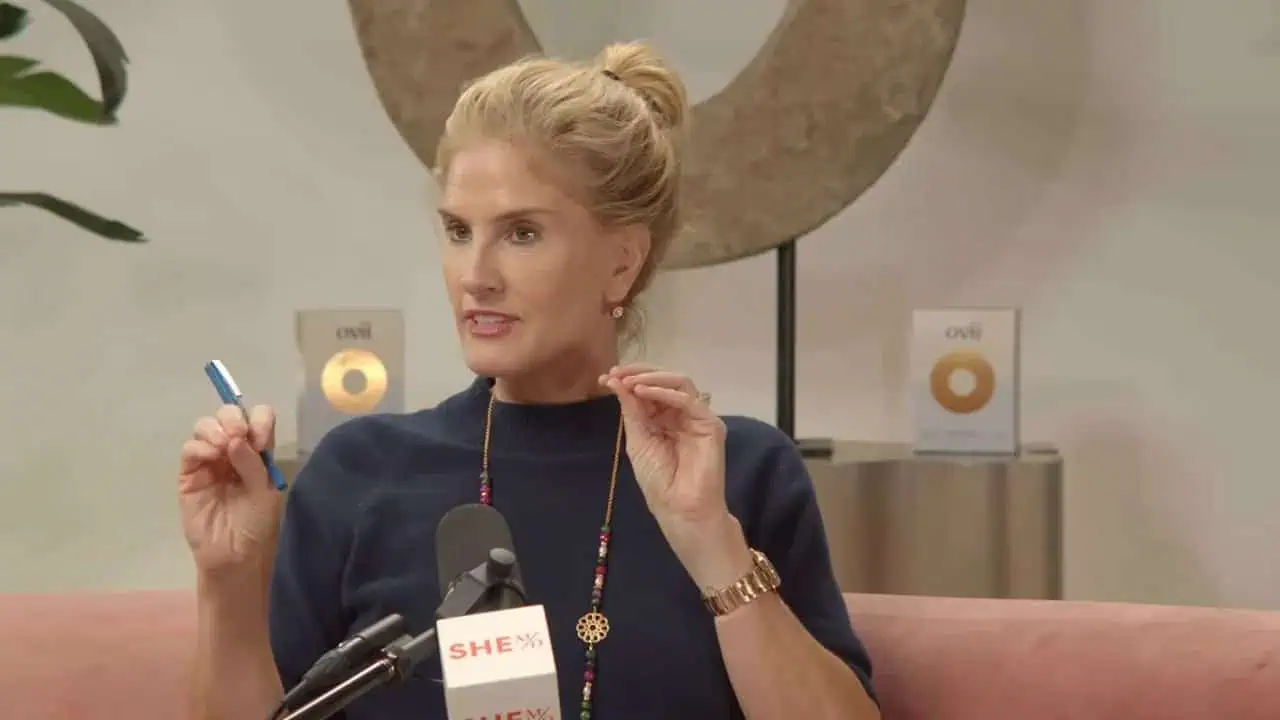
How do you decide between medication-assisted sleep and lifestyle sleep when someone is not getting deep sleep?
Dr. Niotis said it is complicated.
Wearables are not always accurate, and sleep lab testing has its own issues. If someone is concerned about actual sleep quality and architecture, more legitimate testing can be considered.
But the most common real-world decision point is simpler:
- If someone feels well rested in the morning, they are probably getting enough quality sleep for their brain.
- If someone is dragging every morning and needs multiple caffeine hits, then bringing medical support into the picture might be the right step.
Let’s shift to exercise. Is cardio better than yoga or strength training for brain health?
There is no one-size-fits-all answer. Dr. Niotis emphasized that recommendations depend on where you start.
She shared something that surprised even her. She did a DEXA scan and found low muscle mass. She exercises, and yet her body composition revealed that she was not building strength the way she assumed.
This led to an important message: sarcopenia, age-related muscle loss, is not just a body issue. It is a brain risk issue, too. She said people often talk about obesity as a dementia risk factor, but low muscle mass can be just as concerning, and in some cases, people have both.
So for many women, the fix is not “more cardio.” The fix can be more strength training.
What kind of movement routine should most people aim for?
Her general recommendation is a mix of:
- Cardio (walks or other aerobic work)
- Strength training
- Movement capacity and balance training (which can come from yoga or targeted exercises)
She noted that the optimal dose, type, and duration of exercise for brain health is not fully understood. Different studies show different patterns, from around 7,500 steps per day in some data to moderate-to-higher intensity cardio targets in other studies.
But one message is consistent: the goal is to keep your body capable and to keep your brain engaged with movement novelty. If you only repeat the same exercise forever, you may limit your “movement reserve.”
She gave examples of why novelty matters through the lens of Parkinson’s disease, which is often a movement problem. People may stop swinging their arms, become stiff, and show rigidity. Some marathon runners report unexpected Parkinson’s diagnoses despite being active. Her theory is that repeating one activity over and over might not build the movement capacity work that protects long-term.
Her challenge for patients is to ask:
- Can you move all your toes?
- How is your coordination?
- How is your balance?
- How is your muscular endurance?
These are harder to study than steps per day, but she believes they probably matter for the brain.

Nutrition is a huge question. Is the Mediterranean diet really best for brain health?
Dr. Niotis said yes, based on the data.
There are debates in nutrition, and plenty of “experts” disagree. But if you look at the evidence across neurological diseases like multiple sclerosis, Parkinson’s, and Alzheimer’s, the Mediterranean pattern keeps coming forward as a strong candidate.
She described what it typically includes:
- Leafy greens
- Berries
- Fatty fish
- Extra virgin olive oil
- Lean poultry
- Vegetables
- Not processed grains
What about alcohol? Is it good, bad, or neutral?
She called out the extremes. She said it is plausible to consider alcohol neurotoxic at high doses, and excessive use is a modifiable risk factor for dementia.
But she does not treat “a little” alcohol as automatically catastrophic. She said one to two drinks per week likely will not meaningfully impact long-term brain health for most people.
She also added a social angle: drinking in a social setting can be beneficial for the brain through connection and community. The warning is context and quantity.
And there is a genetic nuance. If someone has two copies of APOE4, alcohol might not be their friend. That is one reason knowing your genetic status can be helpful to tailor risk.
What about marijuana and mushrooms? Do they affect dementia risk?
Dr. Niotis took a careful, evidence-driven approach.
Psilocybin mushrooms are being studied more now, especially in psychiatry and mental health contexts, including trauma-related conditions. She said there is no long-term data showing psilocybin is harmful for the brain, and she has seen guided experimentation help certain patients with hard-to-treat mental health issues.
Marijuana is trickier because research has limitations, partly due to how products and consumption patterns have changed over time. She noted that:
- Teen use has been associated with smaller hippocampi and a higher risk for later conditions like schizophrenia.
- Acute effects on cognition can last up to 48 hours after use.
- Long-term risk is less clear, and there is not strong evidence in the way people want there to be.
In practice, she has seen patients who use edibles frequently notice brain fog that creeps up gradually. When they stop, many say their thinking feels sharper almost immediately, even if they did not realize how much it was affecting them.
But the big takeaway is uncertainty. For long-term dementia risk, “we do not know” is an honest and responsible answer.
What about GLP-1 medications and brain health?
She said the data is encouraging, especially for people with diabetes or insulin resistance.
Her explanation:
- People with diabetes prescribed these drugs show a lower risk of dementia.
- Compared to other diabetes medications, this class appears to do better for brain outcomes.
Her hypothesis included metabolic mechanisms:
- Improved body composition
- Better insulin resistance
- Reduced systemic inflammation
She also described emerging biomarker work suggesting these drugs may affect disease pathology markers, including tau protein deposition signals in blood over time. She cautioned that whether those changes are “good” or “bad” requires longer follow-up with cognitive testing.
Her bottom line: GLP-1s might have both peripheral and central impacts, and they are a promising area, especially for metabolic-risk-linked brain decline.
Do antidepressants and anxiety medications affect dementia or Parkinson’s risk?
This is a sensitive topic because many studies are confusing. Dr. Niotis explained the idea of confounding: anxiety and depression can be early signs of neurodegenerative disease. So if a study looks backward, it can appear that medications “cause” dementia when what is really happening is that untreated mental health symptoms were an early warning sign.
She said that when research looks prospectively, the medications do not seem to show the same increased risk signal.
She also discussed specific observations:
- ADHD appears associated with a higher risk later in life, potentially related to neurodevelopment. However, treatment for ADHD with stimulants or non-stimulants is associated with lower dementia risk in studies.
- Depression and anxiety disrupt sleep, motivation, socialization, and neurotransmitters. Treating them can be beneficial even beyond neurodegeneration risk.
- SSRIs have mixed data, but she cited study signals where certain SSRIs like Lexapro have shown potential effects on amyloid protein accumulation in both mice and humans.
Her stance was clear: she is not opposed to treatment when needed. She is opposed to fear-based decisions driven by confusing retrospective associations.
Women are affected more than men by Alzheimer’s. Why?
Dr. Niotis said the answer is multi-factorial and involves both hormones and non-hormonal changes. The overlap matters.
She distinguished that the pattern is strongest for Alzheimer’s, where women are disproportionately affected. Parkinson’s shows a different sex pattern, with men more affected.
For women, the risk picture around perimenopause includes rapid hormonal shifts plus changes in:
- Cholesterol
- Blood pressure
- Body composition
- Sleep
There may also be genetic differences. She referenced the possibility that women have specific genes on the X chromosome that can increase tau accumulation.
But she also highlighted something that surprised her: in a recent study, men seemed to be more impacted by vascular risk factors like lack of exercise and smoking. Meanwhile, women were disproportionately impacted by factors like being unmarried, depression and anxiety, and social isolation.
And that leads directly to a message many people underestimate:
Women should not ignore their social life.
We are social creatures. Dr. Niotis said women are typically more social than men, and social connection is part of mental health, which matters for the brain.

We often hear advice about mental health, but how do stress and anxiety actually connect to memory and dementia risk?
Stress and anxiety are not just emotional experiences. They change the whole system: sleep quality, motivation, attention, and neurotransmitter balance.
Dr. Niotis framed it as a practical cascade. If stress makes it hard to sleep, or makes it harder to move, eat well, or stay connected, then stress indirectly increases many dementia-relevant risks.
She also addressed rumination directly. If genetic risk information causes spiraling and interrupts sleep, that mental pattern is not neutral. It damages brain health through sustained stress pathways.
You mentioned working memory earlier. What is it, and is it the same thing as dementia?
Working memory is not dementia.
It is the ability to manipulate and hold information in real time. Dr. Niotis used a simple analogy: working memory is like your email spam filter. You do not need to store everything permanently. You hold and process it briefly, then it goes.
Working memory is strongly developed in early life. Children tend to do especially well on working memory tests, and as we age, working memory declines. Dr. Niotis noted that young adults tend to be excellent at it, and cognitive aging brings natural decline for everyone.
However, decline can be accelerated by factors like:
- Worsening stress
- Not sleeping well
- Vascular risk factors like high cholesterol and high blood pressure
- Insulin resistance
So when people ask, “Can I train working memory?” the answer is: you can support the system that sustains it, but you cannot entirely stop normal aging decline.
Are brain games worth doing? Or is it all a gimmick?
Brain games can help, but they are not the whole plan.
Dr. Niotis warned against repeating the same game over and over, like doing only Wordle until you become “great at Wordle.” That is skill practice, not broad brain support.
If you like brain games, she suggested diversifying and challenging your brain in different ways. But the cornerstone remains lifestyle: sleep, exercise, nutrition, mental health, and metabolic control.
What tests should women ask their doctors about?
Dr. Niotis made a clear point: do not chase these biomarker tests on your own.
She explained that assays are variable across labs and can generate false positives, which can cause people to freak out. She emphasized that protein biomarkers are very finicky and processing matters, including specimen handling, temperature control, and repeated testing with the same sample to ensure accuracy.
Her approach is precision medicine inside a controlled clinical environment. Biomarkers are valuable, but the process must be reliable.
Still, she did not leave people without hope. Everyone can focus on the basics that do not require expensive testing.
What supplements actually help, and which are mostly hype?
Dr. Niotis strongly resisted the “quick fix” culture. Most supplement claims fall into the category of placebo or no meaningful long-term cognition benefit.
But she does recommend some supplements based on labs and lifestyle.
One example she repeatedly emphasized: omega-3s.
She estimated that more than 90% of the people she sees are not able to eat sufficient omega-3s. Even vegetarian or plant-based diets can struggle to get enough omega-3s from plant sources, and not everyone eats fatty fish regularly.
She suggested omega-3 deficiency is common enough that supplementation might be needed, but it should ideally be guided by testing.
Then she offered a practical tool people can use: OmegaQuant, an omega-3 level test based on a pinprick blood spot that measures omega levels in red blood cells. She described the logistics as simple and said it costs about $99 to $100. She emphasized there is no commercial interest and recommended people bring the question to their doctors, especially if they do not interpret the test well.

Do you need protein shakes, powders, and gut supplements to protect your brain?
Dr. Niotis’s focus stayed consistent: there is no magical supplement that “improves memory” or “prevents Alzheimer’s disease” in a pill. The best results come from supporting the foundations your body needs.
Still, she acknowledged how gut health fits into overall health, nutrient absorption, energy stability, mood, and recovery. When the gut is off, the rest of your plan can underperform. That is why many people benefit from fiber and gut support strategies alongside broader nutrition and lifestyle work.
The brain health basics, simplified
If we had to condense Dr. Niotis’s prevention framework into an actionable checklist, it would look like this:
- Sleep: prioritize restorative sleep quality, address insomnia causes, and consider modern medicine when needed
- Exercise: include a mix of cardio, strength training, and balance or movement novelty
- Nutrition: aim for a Mediterranean-style pattern with greens, berries, olive oil, fatty fish, and vegetables
- Metabolic and vascular health: manage cholesterol, blood glucose, and blood pressure
- Mental health: treat depression and anxiety, reduce rumination, and support your motivation and social life
- Connection: do not ignore your social world, especially if you are going through life transitions
And if genetics is part of the picture, remember: risk markers are a prompt for better decisions, not a sentence.
FAQs
How can I tell the difference between normal forgetfulness and dementia-related changes?
Normal forgetfulness is common and often tied to stress or distraction, like misplacing keys occasionally. Dementia-related concerns include disorientation to location or not recognizing a familiar space, trouble using familiar technology (like your phone), and repeating the same questions without remembering you asked them. Those kinds of changes should be evaluated by a clinician.
If I have APOE4, can lifestyle really reduce my risk?
Yes. Dr. Niotis emphasized that APOE4 increases risk but does not determine destiny. The risk is modifiable and varies based on lifestyle, sex, medical comorbidities, and family history. A Mediterranean-style diet showed a strong risk reduction signal, especially for people carrying APOE4, and adding sleep, movement, and metabolic control supports the overall protection plan.
Is cardio enough for brain health, or do I need strength training?
Cardio alone is not always enough. Dr. Niotis highlighted sarcopenia, low muscle mass, as an overlooked brain health risk. Many people benefit from adding strength training plus balance or movement capacity work, along with cardio.
Which diet should I follow to support brain health?
A Mediterranean-style diet pattern is strongly supported by the research Dr. Niotis cited. It includes leafy greens, berries, fatty fish, extra virgin olive oil, lean poultry, vegetables, and minimally processed grains.
Should I avoid alcohol completely if I am trying to protect my brain?
Not necessarily. Excessive alcohol is problematic and is a modifiable risk factor. Dr. Niotis suggested that one to two drinks per week is unlikely to strongly impact long-term brain health for most people, especially when alcohol use is social. However, if you have two copies of APOE4, alcohol might be more risky for you, so it is worth discussing with a clinician.
Do sleep trackers tell me the truth about my sleep quality?
They can be helpful for trends, but they are not always accurate for deep sleep and REM measurements. Dr. Niotis said the most reliable sleep assessment is more formal testing in a sleep lab if you are truly concerned about sleep architecture. Often, “feeling well rested in the morning” is a practical marker.
Are biomarker tests worth doing at home?
Dr. Niotis does not recommend doing these tests independently. She explained that assays vary and can generate false positives, and that protein biomarker testing requires careful specimen handling and controlled processing to ensure accuracy. Biomarkers are best done through a clinician or research setting.
Which supplements does Dr. Niotis actually recommend?
She emphasized that most supplements marketed as brain boosters are not evidence-based for long-term cognition. Omega-3s are a common exception because deficiency is frequent. She suggested checking omega levels and using labs to guide supplementation rather than choosing blindly.
What is working memory, and can it be trained?
Working memory is your ability to hold and manipulate information in real time, like a temporary “spam filter” for your brain. It naturally declines with age. You can support it by protecting sleep, reducing stress, and managing vascular and metabolic risk factors. Brain games may help, but they are not the sole protection strategy.
Our biggest takeaway
The “one change” that captures the research headline is a Mediterranean-style diet, especially for people with APOE4. But the fuller message is bigger than any single food plan.
Brain health is system health. Sleep quality. Movement capacity. Metabolic stability. Social connection. Mental health treatment when needed. And when fear shows up because of genetic risk, we do what Dr. Niotis emphasized: we turn information into action, and we protect our sleep and peace while we build our defenses.
If you want to start today, choose one foundation and make it real this week. That is how prevention stops being a concept and becomes a routine.
Concerned About Your Health? Talk to Dr. Aliabadi
Dr. Aliabadi is an expert OB/GYN who is knowledgeable in all aspects of women’s health and well-being. Dr. Aliabadi and her caring, supportive staff are available to support you through PCOS, endometriosis, menopause, childbirth, infertility, or routine gynecological care. We invite you to establish care with Dr. Aliabadi. Call us at (844) 863-6700 or
This article was created from the video This One Change Could Lower Your Dementia Risk by 35% (Science-Backed) | SHE MD for Dr. Thais Aliabadi’s website.