Table of Contents
- Why this conversation matters
- Outline
- Interview
- Practical checklist: Steps to take if you think hospice might help
- Resources and further reading
- FAQ
- Final reflections
Why this conversation matters
Most of us avoid talking about death. We push it away, we tell ourselves it will never happen to us, and we carry a quiet, knotty fear when someone we love grows frail. Yet more than 1.7 million Americans enter hospice every year, and nearly half of all deaths take place under hospice care. Understanding what hospice is and what the final days can look like changes everything: it reduces fear, improves how families can show up, and often makes the last months, weeks, or days more peaceful and meaningful.
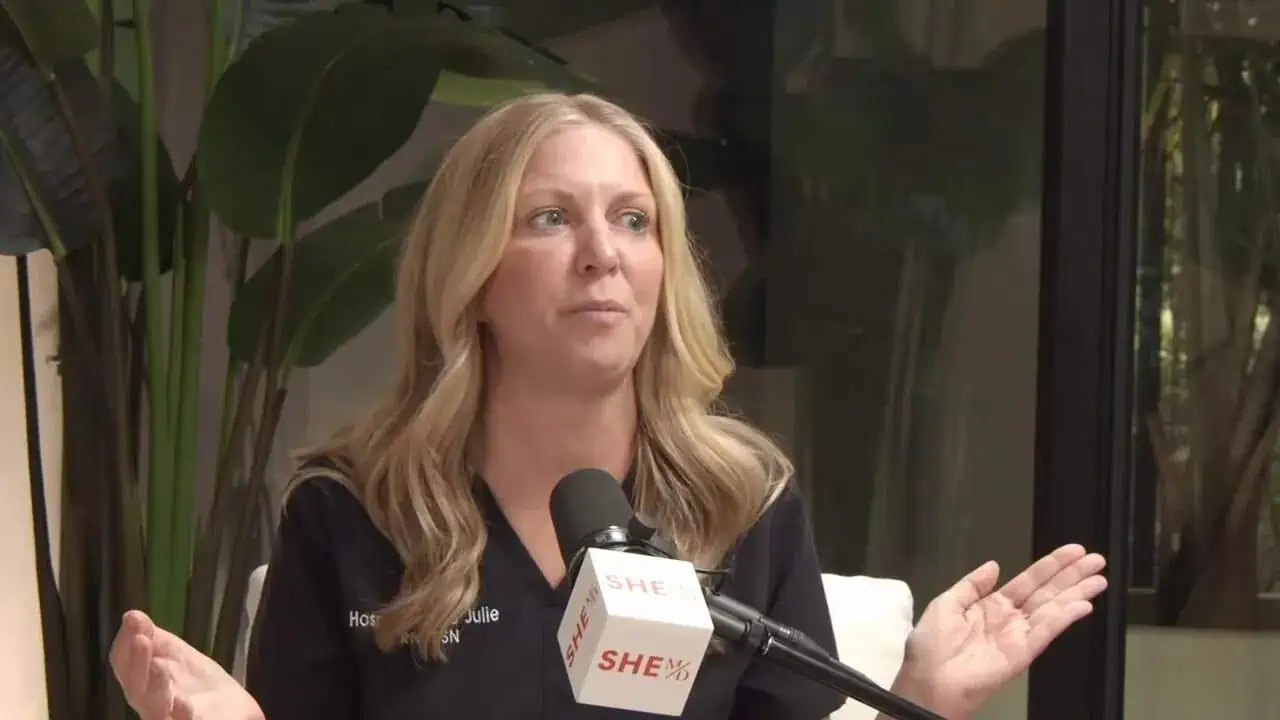
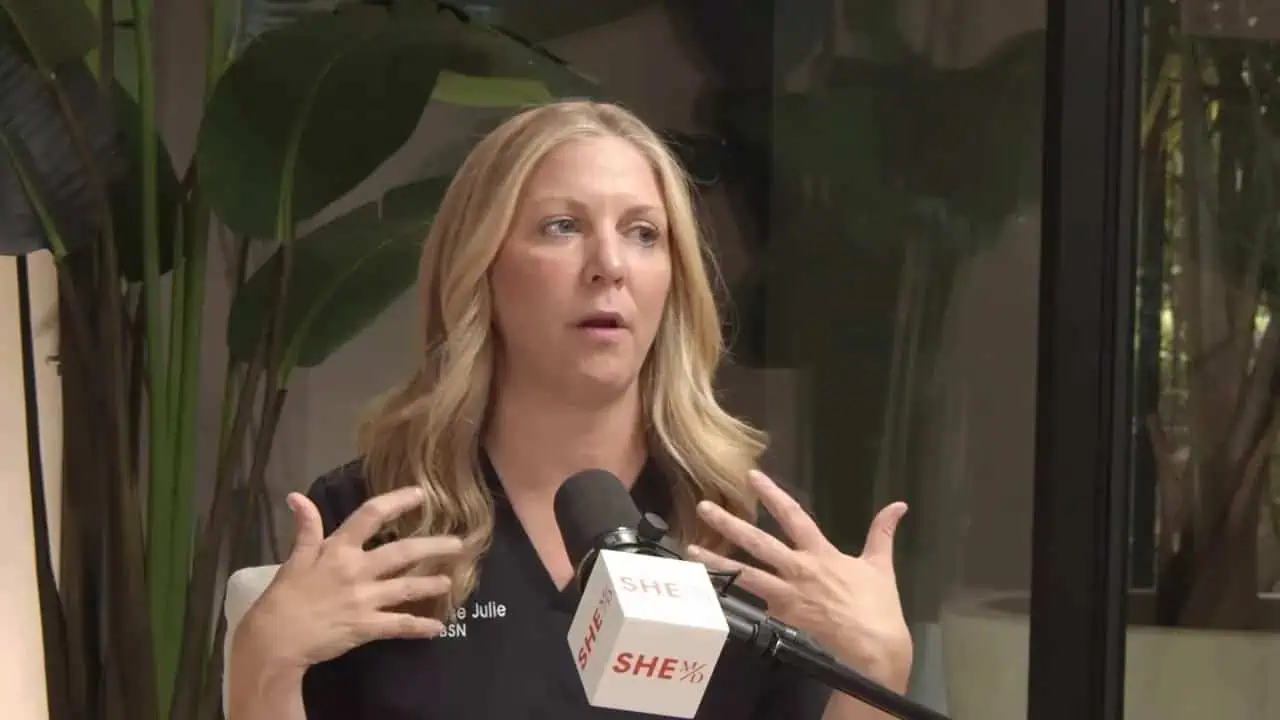
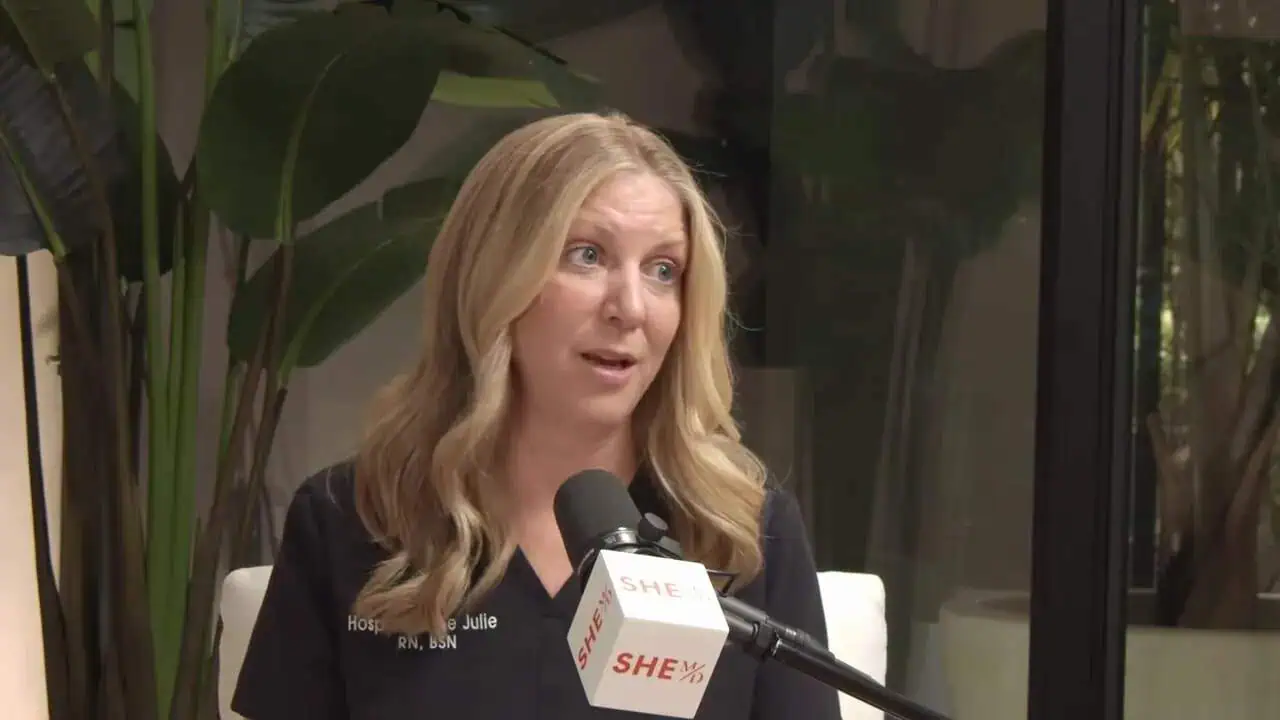
Dr. Thais Aliabadi and Mary Alice Haney sit down with Hospice Nurse Julie, a hospice and palliative care nurse with 17 years of experience and the author of Nothing to Fear, to ask the questions we all have but are too uncomfortable to voice. Below is an edited interview that captures what she sees every day at the bedside, how families can prepare, and what hospice actually offers.
Outline
- Julie’s journey from ICU to hospice and how that shaped what she teaches
- What hospice really means and who qualifies
- The biological stages of dying and what to expect at home
- Common end-of-life phenomena: terminal lucidity, visioning, death reach
- What do the “death rattle” and breathing changes signal
- When and how medications like morphine are used
- Terminal agitation: causes and management
- Practical steps families can take now — medical, legal, emotional, and spiritual
- How standing with the dying transforms how we live
Interview
How did you become a hospice nurse, and what changed for you after the transition?
My nursing career started in the ICU. I planned to keep climbing—maybe anesthesia or another advanced role. But early on I began to notice something that tugged at me: in the ICU we sometimes prolong life at all costs. We would perform interventions that kept bodies functioning, but I started to wonder whether we were doing what was best for the person.
Over time I became the one who asked for family meetings, for honest conversations about goals of care. I realized advocacy can be as simple as speaking up for what everyone else is thinking. After six years in critical care, I took a leap and joined hospice. The change was dramatic. Seeing how a natural, symptom-managed death unfolds at home opened my eyes: the body helps us die in ways we rarely learn about in textbooks.
What does hospice actually mean? Is hospice “giving up”?
Hospice is not giving up. Hospice is about living as well as possible in the time that remains. It is a medical benefit focused on comfort, symptom control, and supporting people across medical, social, spiritual, and practical needs. Imagine that instead of chasing more treatments and hospital trips, a team comes alongside you to manage pain, nausea, sleeplessness, and fatigue so you can spend your days doing the things you value.
Hospice teams typically include a nurse, a hospice physician, a social worker, home health aides, chaplains, volunteers, and sometimes music or pet therapy. Care can happen in the home, at a skilled nursing facility, or at an inpatient hospice unit. The point is to help people live better, reduce unnecessary hospital visits, and make space for family to be present.
Who qualifies for hospice, and how do you get started?
To qualify under Medicare guidelines, a physician must certify that a patient likely has six months or less to live if the disease runs its usual course. For people with clear trajectories—metastatic cancer, for instance—the path can be straightforward: when treatments stop helping and the oncologist says hospice is appropriate. For people with chronic illnesses—dementia, COPD, congestive heart failure—the course can be “up and down,” and qualification is grayer.
You can begin the process through a doctor’s referral, or self-refer by calling a hospice agency to request an evaluation. If someone’s functional level is declining, eating and drinking are decreasing, and they sleep more, that’s a sign it may be time to consider hospice. Agencies can recertify patients who continue to decline beyond the initial six-month window. There’s no shame in trying—hospice is about helping people live their best remaining life.
What are the stages of dying? How can families recognize them?
There’s a general progression, though it is not rigid. Think in broad stages:
- Six months out: people often sleep more, eat and drink less, and become quieter and less social. They “cocoon.”
- Three months out: functional decline becomes more obvious. Tasks such as driving, shopping, or cooking may become hard or impossible. Families begin to help with daily living.
- About a month out, many people start having what hospice clinicians call visioning—seeing dead relatives, pets, or loved ones. These experiences often bring comfort.
- Transitioning: this is the gray period before active dying. Sleep increases, confusion may come and go, and there may be days without eating.
- Actively dying: usually lasts a few days (often around five). The person becomes unconscious, breathing patterns change, skin color shifts, and the body is in the final biological phases of dying.
Recognizing these stages helps families reframe what they’re witnessing. Sleepier, less hungry, more restful patterns are often the body’s way of preparing. That knowledge reduces the terror of thinking each change signals suffering.
What is terminal lucidity or the “surge”? It sounds miraculous. How should families interpret it?
Terminal lucidity, also called a “rally” or “surge,” is when a person who has been very ill becomes unexpectedly alert, talkative, and sometimes energetic shortly before death. It occurs in about one-third of hospice patients. They might sit up, recognize loved ones, request a favorite food, or speak clearly after days of minimal responsiveness.
It can feel miraculous—an opportunity for meaningful conversation or a final goodbye. But we also educate families that this phenomenon often precedes death by a short time. Sometimes people live weeks or even months after a surge, and sometimes they die within a couple days. The most important thing is to cherish the moment, say what needs to be said, and understand it is often part of the dying process.
What is visioning or seeing “dead relatives”? How common is it?
Visioning is surprisingly common. People approaching death sometimes report seeing a deceased spouse, parent, pet, or someone they long to see. These experiences often occur while the person is lucid and oriented—not delirious or heavily medicated.
Families often worry that visioning signals hallucination or distress. In our experience, these encounters are usually comforting to the dying person and can ease fear. Telling families in advance that this may happen helps normalize it and prevents panic when it occurs.
What is the “death rattle,” and should we be concerned if it means someone is choking?
The death rattle refers to gurgling, noisy breathing caused by secretions pooling in the mouth and throat. At the end of life, muscles that normally keep the mouth closed and trigger swallowing relax. Saliva and secretions are still produced but not cleared, so air moves over them and creates a gurgling sound.
In hospice, people are usually not fluid overloaded; dehydration is common and, counterintuitively, often associated with a more peaceful dying process. The sound is distressing for families but usually not uncomfortable for the person. If breathing appears labored or the person appears to be exerting effort to breathe, clinicians will treat symptoms with medication to improve comfort.
Changes in breathing: what is agonal breathing or Cheyne-Stokes, and does it mean the person is suffering?
Breathing patterns change as the body’s chemistry shifts. Cheyne-Stokes involves cycles of rapid breathing, pauses, and slower breathing. Agonal breathing is an involuntary reflex that can resemble gasping. These patterns can be unsettling to watch but are commonly part of the natural dying process. The key is whether the person is showing signs of distress: moaning, grimacing, or visibly fighting to breathe. If they are comfortable and resting, we often do not need to escalate care. If there are signs of distress, we use low doses of medications such as morphine or anxiolytics to ease discomfort.
When are medications like morphine used, and will they hasten death?
Morphine and other medications are used to relieve symptoms—pain, labored breathing, and severe anxiety. There is a widespread misconception that giving morphine to a dying person causes or hastens death. In reality, the doses used for comfort relax the central nervous system slightly and ease the work of breathing; they do not speed up death when administered appropriately.
Most patients who have not been on opioids do not automatically require morphine during the actively dying phase. Hospice tends to be cautious and prepared, often prescribing “as needed” doses that can be given if pain or distress appears. Continuous high-dose drips are rare and reserved for specific situations when comfort cannot otherwise be achieved.
What is terminal agitation, and how do teams manage it?
Terminal agitation is when a person becomes restless, picks at sheets, tries to get out of bed, or repeatedly moves in ways that suggest distress. It can be caused by pain, retained stool, urinary retention, metabolic disturbances (for example, rising ammonia from liver failure), brain disease, or simply the disease process itself. Personality and age can also play a role; people who have been fiercely independent sometimes appear more agitated at the end.
Clinicians check the “three P’s”: pain, poop, and pee. If constipation or urinary retention is found, addressing it may greatly reduce agitation. When no reversible cause is found or agitation is severe, palliative sedation—carefully titrated medications to reduce awareness—can bring relief and protect comfort.
How do you tell if a dying person is actually uncomfortable if they can no longer speak?
It’s similar to how we interpret a baby’s cues. Babies can’t speak, yet we know if they are wet, hungry, or in pain because of their behavior: crying, arching, restless movements. A dying person’s body communicates in similar ways. If they are uncomfortable, they may moan, grimace, withdraw when touched, or have agitated movements. If they are breathing calmly, lying relaxed, and not showing signs of distress, they are likely comfortable. Experience sharpens a clinician’s ability to read these subtle signs.
Where does hospice care typically take place, and what role do family caregivers play?
In the U.S,. most hospice care happens at home—meaning the patient’s home, a family member’s home, a skilled nursing facility, or an inpatient hospice house. If hospice at home is chosen, family members become the primary hands-on caregivers. Hospice supports them with nursing visits, aides who assist with bathing and dressing, social work, spiritual support, and volunteers who provide respite.
Hospice is not trying to replace family; it amplifies their capacity to care and provides clinical backup. The goal is to keep the patient comfortable and minimize hospital visits so families can spend meaningful time together.
How should families prepare, both practically and emotionally, for the end of life?
Start with conversations. Ask your loved one what they want if they cannot speak for themselves. Would they want CPR, mechanical ventilation, or a feeding tube? How long would they want to be on machines? Who should make decisions if they cannot? These conversations help reduce conflict later by making preferences explicit.
Organize practical documents: advance directives, a health care proxy (medical power of attorney), DNR orders where appropriate, wills, and funeral wishes. Small steps matter. Fill out a form, write down key wishes, and share them with the person who will be your decision maker.
Plan emotionally and spiritually as well. Say the things that matter: “I love you,” “I forgive you,” “I’m sorry.” Resolve practical affairs if possible so grief isn’t complicated by unanswered logistics. If discussions are hard, frame them as helping the children or family: “Dad, it would really help me if you told me what you want, so I can do this right for you.” People are often willing to talk when it’s framed as an act of love for those who remain.
What legal or administrative steps should people take now?
Complete an advance directive and designate a health care proxy. Think through financial matters—wills, powers of attorney, and where important documents are stored. There are helpful online tools and forms, such as “Five Wishes,” that walk families through practical and emotional planning. If you prefer, work with an attorney who can help ensure documents meet state requirements. The most important thing is having the conversation and documenting the basics so later decisions aren’t made under duress.
Is hospice covered by Medicare or insurance? What if someone has no insurance?
Hospice is a Medicare benefit. Medicare reimburses hospice providers who follow federal rules. If someone is not on Medicare but has private insurance, most policies will cover hospice or be reimbursed by Medicare rules. For people without insurance, many hospice agencies offer pro bono services or sliding-scale options. It’s worth calling local hospices to learn what’s available—hospice is intended to be accessible.
How has witnessing so many deaths changed how you live?
Working in hospice changes how we appreciate the ordinary. We pay more attention to the 24 hours we have today. People often tell me they wish they had appreciated walking around the block, a favorite meal, or a simple morning coffee when they were well. Those simple pleasures take on extraordinary value when life is limited.
We encourage practicing presence. Have the conversations. Say the hard things. Those acts don’t diminish life; they enrich it. Honestly facing mortality makes our days feel more alive.
What do you say to someone who is scared of their own dying?
Being scared is normal. If you can say “I’m scared” to a trusted person—family member, clinician, chaplain—you’re already further ahead than many. Talk about what scares you. Ask questions about what the last days might look like. Planning and education reduce fear because fear often grows from the unknown. Embrace the full range of emotions: fear, relief, anger, and gratitude. They are all valid parts of the human experience at the end of life.
If a family member is at the bedside now, what should they focus on?
Ask three simple questions: Are they clean? Are they safe? Are they comfortable? If the answers are yes, you are doing well. Being present is more important than doing tasks. Hold hands, read a letter aloud, play a favorite song, sit quietly—these are the acts that stay with both the dying person and those who will grieve.
What are the most common myths about hospice you wish people would stop believing?
Myth 1: Hospice means you only have days to live. Reality: Hospice eligibility is typically six months if the disease progresses as expected, and many people live longer. Agencies can recertify patients if the decline continues.
Myth 2: Morphine given at the end of life kills people. Reality: Appropriately dosed opioids relieve pain and ease breathing work without causing death.
Myth 3: People always die alone or in hospital settings. Reality: hospice prioritizes staying at home whenever possible and supporting families so loved ones die surrounded by people who care.
Myth 4: If I go on hospice, I’m giving up. Reality: Hospice is a medical choice to prioritize comfort and quality of life over aggressive treatments that may no longer provide benefit.
Practical checklist: Steps to take if you think hospice might help
- Talk with your primary physician or specialist about prognosis and whether hospice is appropriate.
- Gather key medical information: diagnoses, current medications, recent hospitalizations, and advance directives if already completed.
- Call or have your doctor call a hospice agency for an evaluation. You can self-refer if needed.
- Ensure someone in the family knows where legal papers are kept: will, power of attorney, advanced directive.
- Create a short list of meaningful things you want to say or do if time becomes limited—messages, forgiveness, stories to pass on.
- Ask your hospice team for education on what to expect: changes in sleep, eating, breathing, and possible phenomena like visioning or terminal lucidity.
Resources and further reading
- Advance directive templates and “Five Wishes” forms to help start conversations
- Hospice provider contact lists through local health departments or Medicare
- Books and workbooks that guide legacy, end-of-life planning, and emotional preparation
FAQs
Who can refer someone to hospice?
A physician typically refers a patient to hospice, but individuals can self-refer by calling a hospice agency and requesting an evaluation. A doctor must eventually certify that the patient likely has six months or less to live if their disease follows its usual course.
How long does the actively dying phase last?
The actively dying phase often lasts a few days—commonly around five days—but can vary. Some people progress more quickly and some more slowly. This is the period when the person becomes largely unconscious and breathing patterns change.
Will giving morphine make my loved one die sooner?
No. Properly dosed morphine relieves pain and eases breathing efforts. It does not cause death when used correctly for symptom relief. Clinicians give medicines to prioritize comfort, not to hasten death.
What is terminal lucidity, and is it common?
Terminal lucidity is a sudden period of clarity and energy in a person who has been very ill. It happens in about one-third of hospice patients. The surge can allow meaningful interaction but is often followed by death within a short timeframe.
Is hospice covered by Medicare or another insurance plan?
Yes. Hospice is a Medicare benefit. Private insurance plans typically cover hospice services under similar arrangements. For those without insurance, many hospices provide pro bono care or work with community resources. Contact local hospice agencies to learn options.
What should I say or do when the time comes?
Focus on presence. Ask yourself whether the person is clean, safe, and comfortable. If those are addressed, simply being with them, holding their hand, speaking softly, or playing a favorite song are powerful acts of care. Say the things that matter—express love, offer forgiveness, tell stories.
Final reflections
Death is the one universal experience that every family will face. Learning the language of dying—what to expect, what is normal, and what can be treated—helps us replace panic with presence. Hospice is not an absence of care. It is a different kind of care: focused on comfort, dignity, and meaning.
We leave you with three practical invitations: start the conversations, document the wishes, and prioritize presence. Preparing for the end of life is an act of love for the person who will die and for the family who will remain.
Concerned About Your Health? Talk to Dr. Aliabadi
Dr. Aliabadi is an expert OB/GYN who is knowledgeable in all aspects of women’s health and well-being. Dr. Aliabadi and her caring, supportive staff are available to support you through PCOS, endometriosis, menopause, childbirth, infertility, or routine gynecological care. We invite you to establish care with Dr. Aliabadi. Call us at (844) 863-6700 or

This article was created from the video What Dying Really Looks Like: Hospice Nurse Julie Explains the Final Days | SHE MD for Dr. Thais Aliabadi’s website.