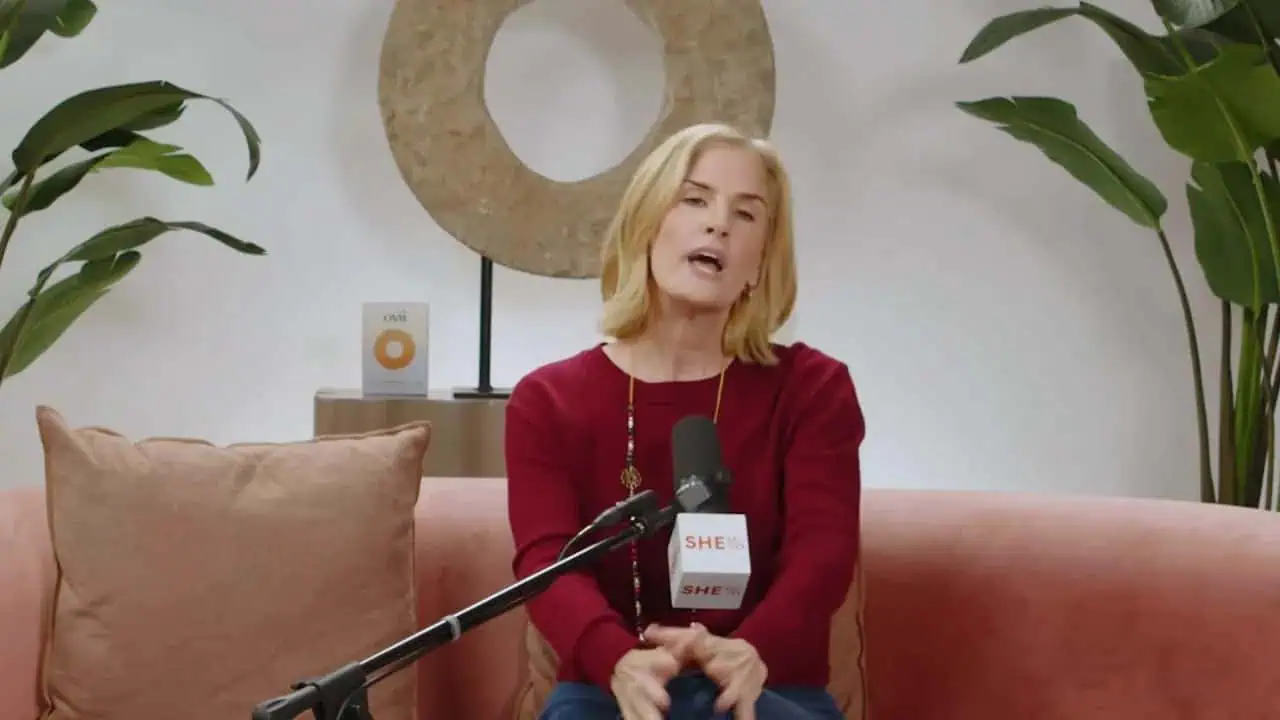
Dr. Thais Aliabadi and Mary Alice Haney sat down with Mikayla Nogueira to talk about the side of beauty that does not make headlines: the messy, often painful relationship between self-image, food, and the pressure of living in public. Mikayla is one of the most followed names in beauty, but her story is not just about transformation tutorials and product launches. It is about a decade-long journey through disordered eating, anxiety, and recovery that she has chosen to share with brutal honesty so others feel less alone.
This conversation covers where her love of makeup began, how a single transformation clip launched a career, how social media both helped and hurt, and the concrete steps she used to find stability. We’ll also dig into practical takeaways for anyone struggling with body image, and hands-on advice for creators and founders navigating a public life.
Table of Contents
- Origin Story: From Avon Catalog to Global Platform
- When the Platform Became the Problem
- How Disordered Eating Began and Evolved
- Recovery: Practical Steps and Hard Truths
- On the Role of Social Media and How to Protect Yourself
- Practical Beauty Advice from Someone Who Lived It
- Top Five Beauty Favorites
- Advice for Creators and Founders
- Wellness Habits That Support Daily Life
- What We Want You to Carry With You
- Resources and Next Steps
- FAQ
- Final Takeaways
Origin Story: From Avon Catalog to Global Platform
How did your interest in beauty start, and what led you to begin posting content?
Mikayla says her creative roots came from family: a mother who painted and a father who worked restoring antiques. Her first real creative fix arrived at age 10 when her mom handed her an Avon catalog and told her to circle what she wanted. That little eyeshadow compact and a bit of eyeliner hooked her instantly.
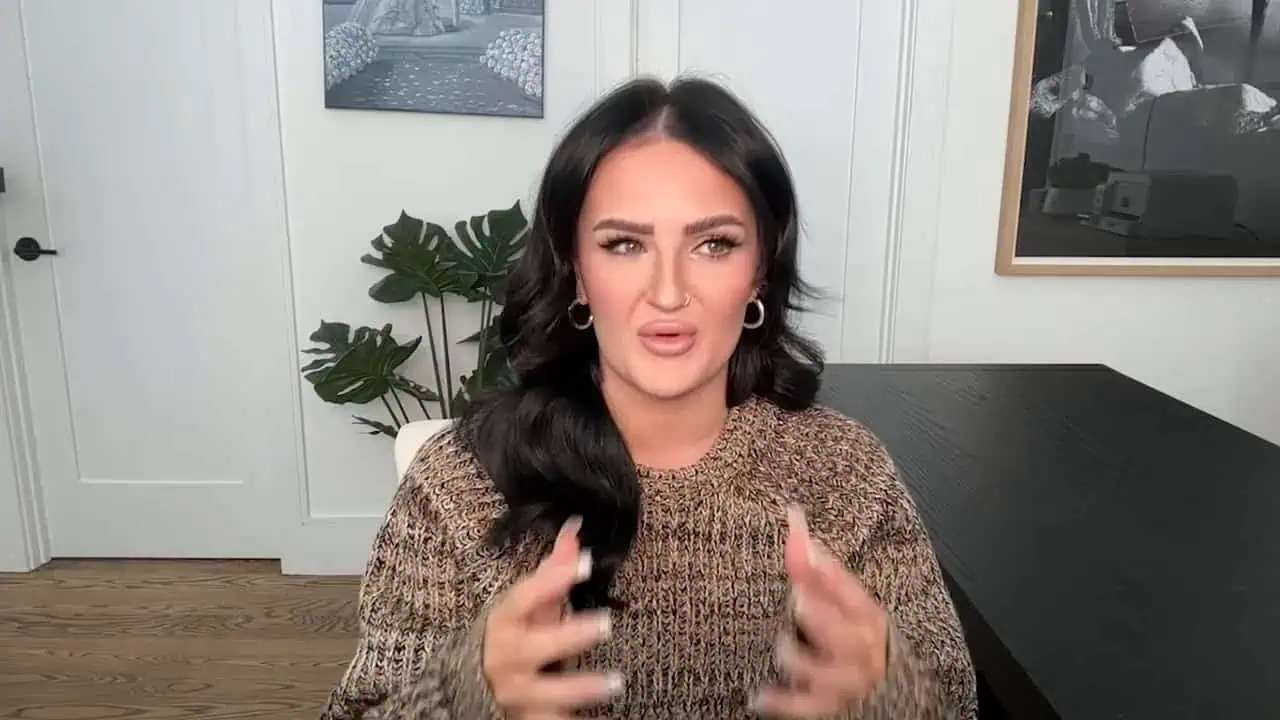
She loved storytelling and media early on—film club president in high school, a teenager running a blog, experimenting on platforms like Tumblr and Pinterest. When school and a makeup job paused that creative outlet, COVID opened a strange door. Laid off from a beauty job, out of school temporarily, and home during lockdown, she downloaded TikTok to scratch an itch that had been in her since childhood. The first clip she posted changed everything. It showed a raw-to-glam transformation over skin that was dealing with cystic acne. The clip landed at a moment when millions were scrolling at home and resonated hard.
When the Platform Became the Problem
You use social platforms for work, but you say you do not consume social media. How does that work?
Mikayla makes a clear boundary: social media is her job, not her life. She posts and edits, tracks trends when necessary, and otherwise avoids scrolling. As someone visible on large platforms, she finds it safer not to expose herself to the feeds where a negative video or a cruel comment could pop up and derail her day. Turning a passion into a career required a conscious decision to limit exposure. The choice is a protective tactic as much as a professional one.
That boundary is also part of what has helped her maintain a working relationship with the platforms: treating them as tools rather than a continual measure of worth.
How Disordered Eating Began and Evolved
When did the struggles with disordered eating begin, and how did they develop?
Mikayla traces the origin to a junior-year turning point. Personal life felt chaotic—relationships and friendships changed, and she felt out of control. A friend suggested exercise to help her mental health. The gym felt like a refuge at firs,t but quickly became an obsession. Two to four hours of workouts per day replaced other activities and slowly shifted into an unhealthy pattern.
Exposure to fitness influencers introduced not just new workouts but new eating rules. What started as a focus on “clean” eating escalated into orthorexia—an obsession with food quality and restriction. Mikayla also shares that she has OCD, which can intersect with and intensify disordered eating behaviors. Over time the restriction led toward anorexic and bulimic behaviors and binge eating cycles. She frames the disorder as an addiction—comparable to other behavioral or substance addictions—which shifted how she thought about recovery: long-term management and coping, not a one-and-done fix.
Was there a moment when you realized you needed help?
Yes. By senior year, a binge episode became so intense that she needed hospitalization. Family denial made it harder to get help initially. Feeling desperate and ashamed, she called 911 and asked for help. That led to a structured treatment stay over the summer before college. She remembers hiding wrappers under her bed and the shame that came with those secrets. The act of asking for help was both terrifying and decisive.
Recovery: Practical Steps and Hard Truths
What tools and treatments actually made a difference for you?
Mikayla emphasizes a multi-pronged approach. No single thing fixed everything. Her toolkit included:
- Removing toxic triggers: She deleted social accounts tied to fitness comparison and unfollowed creators who fueled unhealthy comparison. That break reduced constant comparison and judgment.
- Nutritional support: Working with a nutritionist was essential. Mikayla remembers being shocked at the food plan at first—there was more food than she expected. Trusting the process was hard but necessary.
- Therapy and psychiatry: Regular therapy to unpack the “why,” plus psychiatric support and medication when appropriate, provided structure and stabilization.
- Temporary boundaries with exercise: She took breaks from the gym when exercise was part of the problem instead of a solution.
She describes recovery as an ongoing process. For some people, a full remission is possible. For her, recovery is a life-long management because of the way the disorder has recurred over a decade and because the nature of her work keeps her in a visually scrutinized environment.
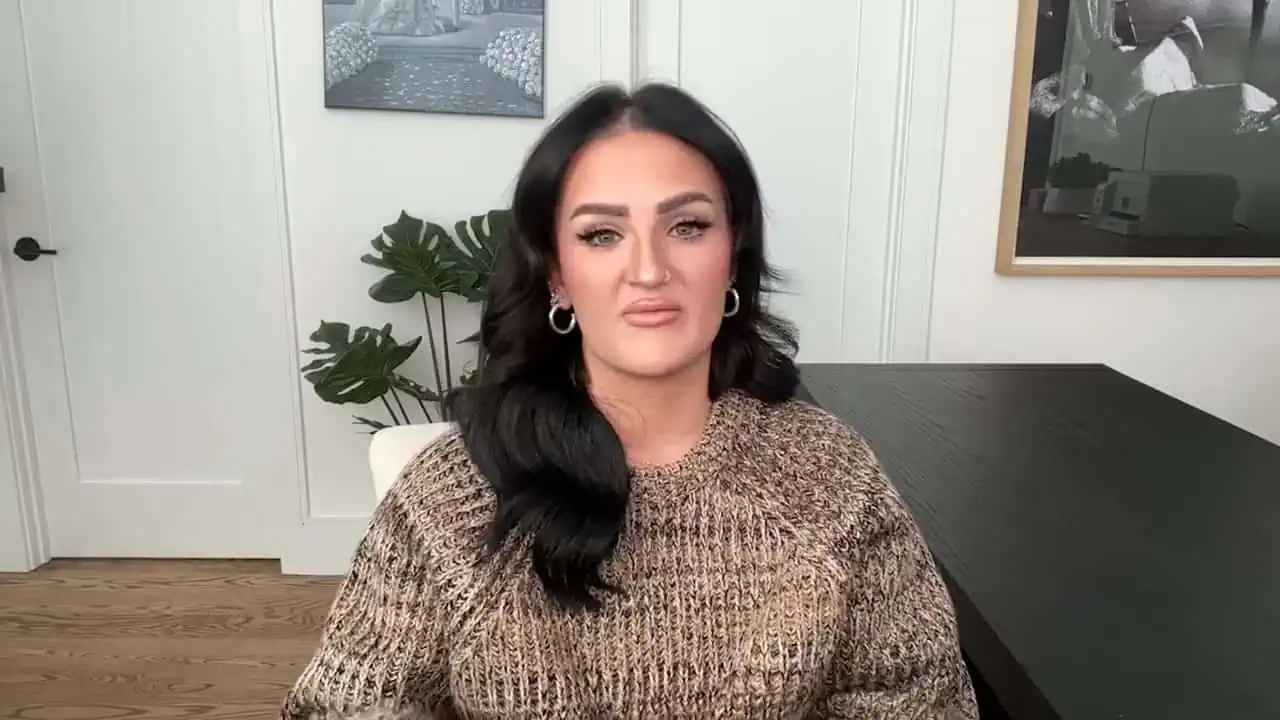
How did you handle weight changes during recovery, especially while living in public?
Weight changes are often part of recovery, depending on what behaviors someone is recovering from. Mikayla was once so dependent on the number on the scale that her mother hid the scale to protect her. She describes tearing the house apart to find it. Recovery, to her, meant reaching a point where weight did not dictate sleep or self-worth. For anyone in the process, the goal is not a specific number but to stop obsessing and allow life to continue with curiosity and care.
On the Role of Social Media and How to Protect Yourself
How can young people and parents create healthy boundaries around social media?
Mikayla’s advice is simple and sharp: get off your phone and be present. Isolation plus constant comparison is toxic. The antidote is a real-world connection. She encourages people to surround themselves with supportive friends and family —people who love them, listen to them, and do not judge them by appearance.
For parents, that means watching time, modeling healthy media habits, and checking the emotional effect of feeds rather than just the screen time number. If someone does not have supportive people nearby, Mikayla urges them to seek community; people who care do exist and can be lifesaving.
Practical Beauty Advice from Someone Who Lived It
How did you manage and improve during the cystic acne period that launched your early content?
Mikayla took a combined internal and external approach. She experimented with topical skincare but also focused on hydration and reducing soda intake. She saw a meaningful improvement with both consistent skincare and nutrition changes. She says it took roughly a year to both track and manage the skin changes—her audience saw the full arc from flare to clearer skin.
What are makeup techniques and product tips for acne-prone skin?
Two core tips from Mikayla:
- Use targeted concealer on spots first, then apply a light layer of foundation to avoid suffocating the skin with heavy layers.
- Choose formulas that allow the skin to breathe. Sometimes, thinner foundations and proper application yield better results than thick, mask-like coverage.
Top Five Beauty Favorites
- POV Beauty — her own skin prep line that she launched and uses daily.
- NARS Pot Concealer — the concealer that helped her in early viral looks and remains a favorite for covering acne, dark circles, and hyperpigmentation.
- Natasha Denona High Glam Foundation — a full-coverage, beautiful formula she recommends for certain looks.
- Rare Beauty Brow Gel — her go-to brow product for hold and shape.
- YSL Powder Blush — she loves the range and formulation; blush is a lifelong passion.
Her most reached-for item on a daily basis is a POV lip treatment called Amp It. Lip care, she says, is non-negotiable.
Advice for Creators and Founders
What are the hard truths about being an influencer that people underestimate?
Mikayla reframes the role as a business and a lifestyle, not a hobby. Key lessons she shares:
- Presence is traded for content: Being an influencer means constantly evaluating moments for content. Many find themselves filming routines, meals, outings, and even conversations—sacrificing presence in the process.
- Consistency is work: Success often means posting multiple pieces of content per day, staying on top of trends, and showing up even on weekends.
- Set boundaries: decide what you will and will not do for work. Burnout and neglect of personal life are real unless you set clear limits.
- Founder identity: If you start a brand, remember you inspired it. Guard the essence of why it exists so it does not evolve into something that betrays the original purpose.
- Timing matters: Mikayla acknowledges that her breakaway growth was accelerated by timing. Her breakout post coincided with a global moment of people staying home, which multiplied her reach in an unusual way. Hard work matters, but luck and timing do too.
Wellness Habits That Support Daily Life
How do you take care of your mental and physical health today?
Mikayla keeps a practical list of rituals: baths, sauna sessions, walking her dogs, cooking, and getting out of the house frequently. She finds that simple pleasures—coffee with a friend, a walk, a booked nail appointment—help maintain equilibrium. She also journals nightly, writing both positive and negative thoughts to “empty the brain” and process feelings without rumination.
What We Want You to Carry With You
If someone is listening and knows they need help, what do you wish they understood most?
Mikayla focuses on the why. Disordered eating often grows from deep insecurity and a sense of not being enough. The important message is this: you are enough. The behaviors are symptoms of an internal struggle, not a moral failing. Practical steps to start include asking for help, seeking professional support, journaling to surface patterns, and removing immediate triggers such as comparison-heavy feeds. Recovery is possible, and asking for help is the most courageous step.
Resources and Next Steps
If this resonates with you or someone you care about, do not wait. Here are starting points mentioned during the conversation:
- National Eating Disorders Association — nationaleatingdisorders.org
- POV Beauty — povbeauty.com (skincare line for prep and lip care)
- Mikayla’s social accounts for open, honest conversations: Instagram at mikaylajmakeup and TikTok at mikaylanogueira
- Consider licensed professionals: registered dietitians who specialize in eating disorders, therapists with eating disorder expertise, and psychiatrists when medication is warranted.
FAQs
How do I know if my eating is disordered or if I’m just trying to be healthy?
Look at what drives the behavior. If food rules cause anxiety, isolation, secrecy, or a rigid daily structure that interferes with life or relationships, the pattern may be disordered. Healthy habits are flexible; disordered habits take over your choices. If you are unsure, talk to a medical professional or a therapist who specializes in eating disorders.
Is deleting social media necessary for recovery?
Not always. For some people, a full break is lifesaving; for others, careful curation and reduced use are enough. The main goal is to remove constant comparison and content that triggers shame or unhealthy behaviors. Experiment and choose what gives you the most consistent peace and progress.
Can an influencer truly recover while staying public?
Recovery while in the public eye is possible, but it is often more complicated. Public scrutiny and daily comments on appearance make it more difficult. Many creators adopt strict boundaries, limit consumption, prioritize therapy, and use trusted teams to buffer the emotional labor.
What should parents do if they suspect their teen has an eating disorder?
Open the conversation with compassion rather than judgment. Seek evaluation from pediatricians, therapists, or dietitians who specialize in adolescent eating disorders. If immediate danger exists, seek emergency help. Reduce access to triggering content and support the teen in building a treatment team.
Are there quick fixes for acne that do not involve risky diets?
Most lasting skin improvement is incremental: consistent skincare, hydration, balanced nutrition, and dermatology care when needed. Crash diets and extreme cleanses often worsen stress on the body and the skin. A registered dermatologist and gentle nutrition shifts are the safer path.
What are small daily practices to improve body image?
Try journaling positive and negative thoughts, practicing gratitude for what your body does versus how it looks, limiting feed time, and cultivating activities that make you feel competent and joyful. Seek relationships that reinforce your worth beyond appearance.
How do you set boundaries as a creator without losing growth?
Set non-negotiables: content you will not create, hours you will not work, and how much personal life you share. Hire a team to handle moderation and business tasks. Consistency and authenticity attract sustainable growth more than raw quantity alone.
What should I expect when working with a nutritionist for disordered eating?
A qualified nutritionist who specializes in disordered eating will emphasize re-education about adequate intake, normalizing eating patterns, and addressing the emotional relationships with food. They work with mental health professionals and often recommend a slow, structured reintroduction to regular meals and snacks to restore metabolic balance and reduce compulsive behaviors.
Final Takeaways
Mikayla’s story is layered: a talented artist who built a massive platform, a person who struggled with real pain, and an advocate who chooses vulnerability to help others. The main lessons we want to leave you with:
- Disordered eating often starts from a place of trying to gain control; addressing the underlying insecurity is essential.
- Recovery is rarely linear. Small, steady steps matter more than dramatic overnight change.
- Boundaries with social media are a practical tool, not a moral failing.
- If you need help, ask for it. Resources exist, and early intervention saves lives.
- For creators and founders, guard your core reasons for doing the work and set boundaries that protect your well-being.
If anything in Mikayla’s words landed for you, consider reaching out to a trusted professional, confiding in someone you trust, or calling a local resource line. No one should navigate this alone.
Concerned About Your Health? Talk to Dr. Aliabadi
Dr. Aliabadi is an expert OB/GYN who is knowledgeable in all aspects of women’s health and well-being. Dr. Aliabadi and her caring, supportive staff are available to support you through PCOS, endometriosis, menopause, childbirth, infertility, or routine gynecological care. We invite you to establish care with Dr. Aliabadi. Call us at (844) 863-6700 or
This article was created from the video Mikayla Nogueira Gets Real About Body Image, Eating Disorders & Social Media Pressure | SHE MD for Dr. Thais Aliabadi’s website.