One of the most important conversations we can have in pregnancy is also one of the least discussed: what is your actual risk of delivering early?
Too often, preterm birth is treated like something that only happens in clearly high-risk pregnancies. But that is not how real life works. Many women who deliver early were never told they were high risk, never had a warning sign anyone could clearly identify, and never had a chance to do anything proactive before symptoms started.
That is exactly why Dr. Thais Aliabadi and Mary Alice Haney wanted to sit down with Zhenya Lindgardt, CEO of Sera Prognostics, and Dr. Tiffany Inglis, OB-GYN and Chief Medical Officer, to talk about the science behind the PreTRM blood test, what it measures, who it is for, and why it represents such a big shift in maternal care.
This conversation is about much more than one test. It is about moving pregnancy care from reactive to preventive. It is about giving women real information, not just reassurance. And it is about helping families avoid the emotional, medical, and financial trauma that can come with an unexpected NICU stay.
Table of Contents
Why this matters so much
Preterm birth means delivery before 37 weeks. That alone is an important definition, but the deeper issue is that risk rises dramatically the earlier a baby is born.
Babies born before 32 weeks face the highest risk of serious complications. But even babies born at 34 or 35 weeks can still struggle with breathing, feeding, temperature regulation, infection, and the transition from life in the uterus to life outside of it. Many need NICU care. Some remain hospitalized for weeks or months.
And for families, the impact is enormous. It is emotional. It is physical. It is logistical. It can also be financially devastating.
When we talk about prevention, this is why it matters. Every extra week in pregnancy can make a meaningful difference. As Dr. A put it, every day a baby stays in the uterus can save days in the ICU.
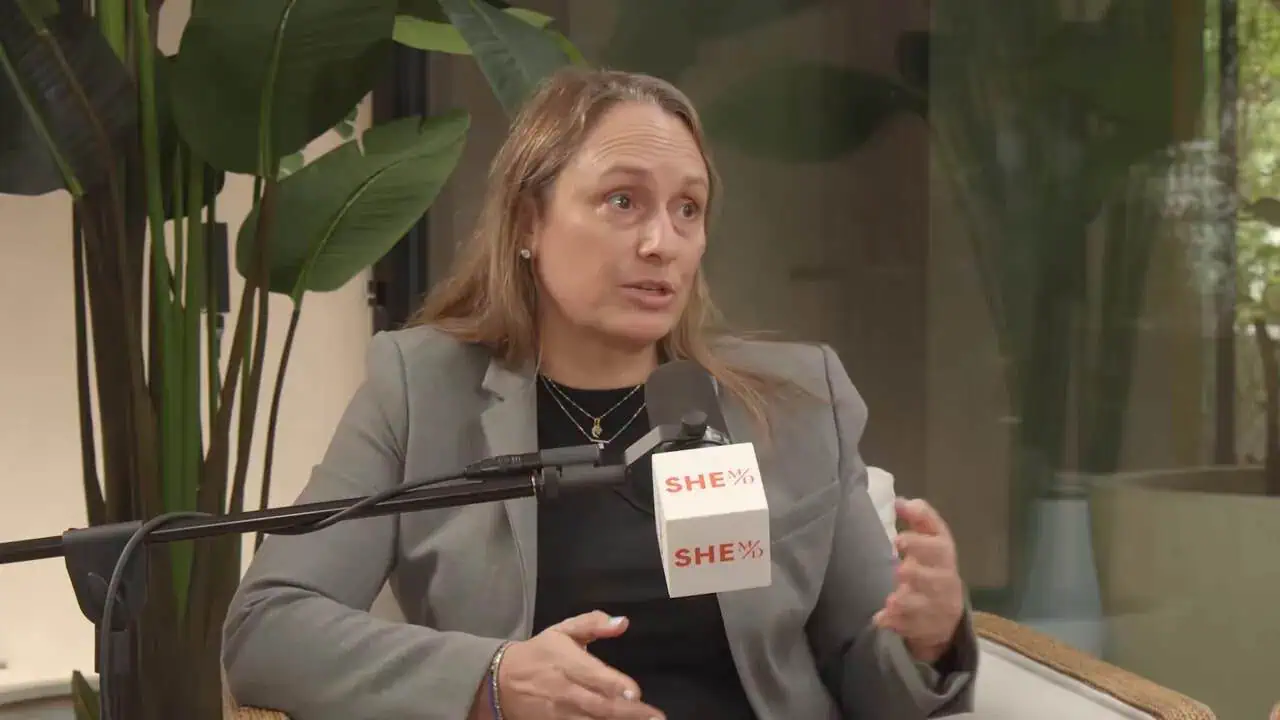
Interview
Why are we still missing so many women at risk for preterm birth?
Dr. Tiffany Inglis: The biggest issue is that our traditional tools only identify a fraction of the women who will eventually deliver early. Historically, we look for a prior preterm birth or a short cervix during the middle of pregnancy. Those matter, absolutely. But together, they only identify about 20% of preterm births.
That means the vast majority of women who go on to deliver prematurely were not flagged by our usual screening approach. In practice, that leaves us doing what medicine often does when it lacks early predictive tools: we react once symptoms start. A patient feels cramping, spotting, pressure, increased discharge, or her cervix shortens, and then we scramble.
Zhenya Lindgardt: And that is exactly the gap we wanted to solve. Most spontaneous preterm birth happens in women who do not look obviously high risk at the start. Nothing necessarily announces itself. That is why it has been so important to develop a way to identify risk earlier, before symptoms begin, when there is still time to act.
That distinction matters. We are not just trying to diagnose labor once it has started. We are trying to identify who may benefit from preventive care before that cascade begins.
What counts as preterm birth, and why does timing matter so much?
Dr. Tiffany Inglis: Officially, anything before 37 weeks is preterm. But not all preterm births carry the same degree of risk.
A baby born at 24 weeks faces a very different set of challenges than a baby born at 35 weeks. The earlier the delivery, the higher the likelihood of complications involving the lungs, brain, vision, growth, and long-term development. Those earliest babies often face prolonged NICU stays and very difficult family journeys.
Dr. A: We always want more time for the baby to mature. Lung development is a huge part of that, but it is not the only part. Infection risk, feeding challenges, neurologic outcomes, and overall stability all improve as gestational age increases.
Even when a baby seems to be doing well at first, complications can arise later. That is one of the hardest truths in obstetrics. We can see babies do beautifully for days or weeks and then suddenly face a major setback. So our goal is always the same: get the baby as mature and as healthy as possible before delivery.
If you want a broader look at warning signs and treatment options, Dr. Aliabadi’s overview of preterm labor is a helpful companion resource.
How did Sera Prognostics get started, and why focus on preterm birth first?
Zhenya Lindgardt: The company’s work started about 17 years ago through a collaboration with 13 academic institutions. Researchers set out to map more than 300 proteins expressed in pregnant women’s blood, with the goal of developing diagnostic and prognostic tools for major pregnancy complications.
The first test they chose to bring forward was for spontaneous preterm birth. That choice reflects just how common and disruptive the problem is. Roughly 1 in 10 women gives birth prematurely, and many of those deliveries occur without a previously recognized risk factor.
In other words, this was not a niche problem. It was a massive gap in maternal care.

What exactly is the PreTRM test?
Dr. Tiffany Inglis: The PreTRM test is a blood test performed between 18 and 20 weeks of pregnancy. It can be done through a standard blood draw, and it can even be collected via finger prick.
The test measures two proteins in the mother’s blood and uses their relationship to estimate risk for spontaneous preterm birth. If the result shows a woman is at higher risk, it means her risk is roughly twice the normal risk for that population. If she is not higher risk, that is reassuring and gives both the patient and her doctor more confidence that no additional intervention is needed beyond routine care and standard monitoring.
That reassurance matters too. This is not only about identifying who needs more attention. It is also about helping the majority of women understand when their risk is low.
What makes this test different from the tools doctors already use?
Dr. Tiffany Inglis: What makes it different is that it predicts risk before symptoms begin, and it does so in a group of women who otherwise might not be recognized as high risk at all.
We still absolutely care about cervical length and prior history. Those remain important pieces of obstetric care. For example, when a cervix shortens, that can prompt treatment with progesterone or even a cerclage in the right setting. If you are curious about how cervical shortening is evaluated, this guide on cervical incompetence explains how OB-GYNs think about that risk.
But a short cervix is often discovered after the window for ideal prevention has already narrowed. By then, the body may already be moving toward preterm labor. The advantage of a test at 18 to 20 weeks is that it can identify concern earlier, when there is more room to intervene thoughtfully instead of urgently.
Dr. A: In practice, many of us try to be proactive with cervical-length screening, but not every patient gets early transvaginal ultrasound surveillance, and not every office has the time or resources to do that in such a detailed way. That is part of what makes a simple blood test so appealing. It is easy to integrate and gives us information we simply did not have before.
What are the two proteins the test measures, and what do they tell us?
Dr. Tiffany Inglis: The two proteins are insulin-like growth factor binding protein 4 and sex hormone-binding globulin. The test does not just look at them in isolation. It evaluates them in relation to one another, because one tends to go up and the other tends to go down in women who later experience spontaneous preterm birth.
One marker reflects inflammatory biology. That likely connects to the kinds of pregnancies where there may be early inflammation, infection, membrane vulnerability, or other processes that can trigger labor or premature rupture of membranes before anyone has obvious symptoms.
The other protein reflects placental function, specifically how effectively the placenta is nourishing the baby. That matters because placental health is tied to many pregnancy conditions, including those influenced by blood flow and vascular function such as hypertension, diabetes, and preeclampsia.
Zhenya Lindgardt: What is so exciting is that this is not a random guess at risk. It is biology. It is a window into how this specific pregnancy is functioning right now. Every pregnancy is different, even for the same woman. That is why personalized maternal care matters so much.

Who was studied when the test was validated?
Zhenya Lindgardt: One of the most important choices in the PRIME study was to focus on women who were considered low risk. These were not the women we already knew needed extra surveillance because of prior preterm birth or obvious cervical issues. We purposely removed those known high-risk groups because we wanted to see whether the test could identify the women the system usually misses.
The study included 5,018 pregnant women. These were women who, on paper, did not necessarily look like they were headed toward a preterm delivery. That is exactly the point. This is where the major blind spot has been.
Dr. Tiffany Inglis: About 88% of pregnancies fall into that category where traditional tools do not give us enough information. That is the population where this type of testing can be especially impactful.
What happened in the PRIME study after someone tested high risk?
Zhenya Lindgardt: In the study, women identified as higher risk were placed on a preventive care protocol that included:
- Low-dose baby aspirin
- Daily vaginal progesterone, 200 mg
- Weekly symptom check-ins with a nurse
The goal was to prevent preterm birth or, at the very least, prolong the pregnancy enough to improve neonatal outcomes.
Dr. A: This is the part that matters in real-world practice. A result is only useful if it changes care. When I know a patient is at higher risk, I can counsel her differently, watch her more closely, adjust activity if appropriate, start progesterone, and keep a much closer eye on symptoms and cervical changes.
That is a completely different approach than waiting until she shows up in panic mode with a short cervix at 20 or 22 weeks.
How effective was that preventive approach?
Zhenya Lindgardt: The results were striking.
- 56% reduction in early preterm birth before 32 weeks
- 32% reduction in births before 35 weeks
- 20% reduction in NICU admissions
- 20% reduction in neonatal complications overall
Those earliest births are where babies face the greatest risk and families endure the longest, hardest hospital journeys. Cutting those births nearly in half is not a small improvement. It is a major shift.
Dr. Tiffany Inglis: Exactly. The intervention had its biggest effect where it matters most, in those very early deliveries that carry the highest burden for babies and families.

Why are progesterone and baby aspirin part of the protocol?
Dr. A: Vaginal progesterone is commonly used in obstetrics because it helps stabilize the cervix and can reduce the little uterine contractions or inflammatory changes that contribute to cervical shortening. In women at increased risk, that can be a meaningful intervention.
Low-dose aspirin is already widely used in pregnancy for several reasons, especially to reduce the risk of preeclampsia in women with risk factors such as advanced maternal age. Many OB-GYNs also use it in patients with prior losses, autoimmune disease, twin pregnancies, or other concerns where placental function may be part of the story.
Since one of the proteins in the test reflects placental health, aspirin fits biologically with what we are trying to support. It is a low-dose, well-established intervention and part of the preventive strategy studied in PRIME.
What about women who already have a known high-risk history?
Dr. Tiffany Inglis: Physicians can use the test broadly, but women with a prior preterm birth are already considered at elevated risk. In those patients, we are often already using preventive measures like progesterone, aspirin, and closer surveillance. The test becomes especially valuable for the much larger group of women who do not come in carrying an obvious label of high risk.
Zhenya Lindgardt: That is where the test can help both the patient and the physician. It gives a concrete reason to start and stay with a preventive plan. And that matters, because if a woman feels well and has never had a complication before, she may naturally wonder why she should take medication or do daily vaginal progesterone. A personalized risk result helps make that plan feel real and actionable.
Why don’t more doctors use this test yet?
Dr. Tiffany Inglis: Not enough doctors know about it yet, and insurance coverage tends to lag behind science. That is true across medicine, but it is especially true in women’s health, where innovation has historically moved more slowly and received less attention.
This kind of protein-based risk stratification is not new to medicine overall. Similar proteomic approaches have been used for years in fields like oncology. What is new is bringing that level of predictive precision into maternity care.
Zhenya Lindgardt: We also need broader cultural momentum. When patients ask for a test, when physicians advocate for it, and when society recognizes the cost of doing nothing, coverage becomes more likely. That is part of why awareness matters so much.
What is the real cost of preterm birth and NICU care?
Zhenya Lindgardt: It is staggering. Inpatient childbirth costs make up a huge share of healthcare spending, and NICU stays are one of the major reasons. The average daily NICU cost can range from about $4,000 to $20,000 per day, depending on the level of care required.
For a preterm infant, healthcare costs over the first several years of life can be 50 to 300 times higher than for a term baby who does not require intensive care.
Dr. A: And that is just the financial side. Families can face months of fear, exhaustion, transportation challenges, and work disruption. If there are other children at home, the burden multiplies. For many families, preterm birth is not just a medical event. It changes the entire structure of daily life.
If you are navigating pregnancy questions more broadly, there are additional resources in Dr. Aliabadi’s pregnancy library, including education on symptoms, prenatal care, and common maternal health concerns.

Why are Black and Hispanic women affected more often by preterm birth?
Dr. Tiffany Inglis: In the United States, the overall preterm birth rate is about 10.5%, but for Black women it is closer to 15% and in some communities even higher. We do not yet fully understand every reason behind that disparity, and that is part of the problem. We have not done enough research to understand the biological, social, and healthcare system factors that intersect here.
Access to care is part of it. Trust in the healthcare system is part of it. Historical inequities are part of it. And so is the broader issue that medicine has often treated populations as interchangeable when they are not.
Zhenya Lindgardt: One encouraging part of the PRIME study is that about 25% of participants were Black and Hispanic women, and the study showed strong results in those groups as well. Access remains critical. A useful test only matters if women can actually get it.
If someone is pregnant right now, how can she get this test?
Zhenya Lindgardt: The best route is to ask your OB-GYN or maternity provider about it directly. The test is available through clinicians, and women can also find information and access options through pretrm.com.
If a woman seeks the test herself, it is still important that her physician be involved, because a higher-risk result should trigger a clear preventive plan. When women access the test through the company pathway, the care team can be contacted and educated so the doctor understands what the result means and what protocol was studied.
Dr. Tiffany Inglis: That provider partnership is essential. The goal is not just to hand someone a number. The goal is to use the result to improve care.

Does insurance cover it?
Zhenya Lindgardt: Some insurance plans are beginning to cover the test, but coverage is not universal yet. There is also a patient access program designed to make the cost as manageable as possible, and there is an online calculator to estimate what an individual may pay.
Because coverage can vary by plan and circumstance, it is best to check directly through the access tools available at pretrm.com and ask your provider’s office to help verify benefits as well.
What if someone lives in a rural area or doesn’t have easy access to OB-GYN care?
Dr. Tiffany Inglis: This is one of the most urgent parts of the conversation. About half of U.S. counties do not have an OB-GYN. If a woman lives in a place without local obstetric care, she may also be far from a hospital with NICU capabilities.
That makes early risk identification even more important. If someone learns she is at higher risk for preterm birth, she has time to think ahead, ask where she should receive care, identify the nearest equipped hospital, and make a plan before a crisis happens.
Zhenya Lindgardt: There are resources available through the company for women trying to navigate access. But the larger point is that risk information can help women act earlier, especially when care is limited.
What does the future of maternal health need to look like?
Zhenya Lindgardt: It needs to be personalized and preventive. Women deserve more than generalized pregnancy care built around averages. They deserve care that reflects what is happening in their own body, in their own pregnancy, right now.
Dr. Tiffany Inglis: Women also need to feel heard. A lot of people move through pregnancy without feeling fully informed or fully included in decisions. Knowledge changes that. When a woman understands her risk, she can advocate for herself, ask better questions, and participate more actively in her care.
Dr. A: From the physician side, better tools matter too. If we can identify who needs extra support and who is genuinely lower risk, we can direct our time, energy, and resources more intelligently. That is good for doctors, good for healthcare systems, and most importantly, good for mothers and babies.
What we want every pregnant woman to know
If there is one message that came through loud and clear, it is this: every pregnant woman deserves to know her personal risk of preterm birth.
Risk exists whether we name it or not. The difference is that when we know more, we can do more.
For some women, the result may offer peace of mind. For others, it may open the door to interventions that help prolong pregnancy and reduce the odds of a NICU stay. Either way, information is power.
And in maternal health, we need a lot more of it.
FAQs
What is considered a preterm birth?
A preterm birth is any birth that happens before 37 weeks of pregnancy. The earlier the baby is born, the greater the risk of complications, especially before 32 weeks.
What is the PreTRM test?
The PreTRM test is a blood test done between 18 and 20 weeks of pregnancy that measures two proteins in the mother’s blood to estimate the risk of spontaneous preterm birth.
Who should consider the test?
It is especially valuable for women who are not already labeled high risk, because many preterm births happen in pregnancies that appear low risk at first. A doctor can help determine whether it is appropriate in an individual pregnancy.
What happens if the test comes back high risk?
A higher-risk result should prompt a discussion with the maternity care team about preventive care. In the PRIME study, that included low-dose aspirin, daily vaginal progesterone, and weekly symptom monitoring.
How accurate are current standard tools without this test?
Traditional predictors such as a prior preterm birth and a short cervix identify only about 20% of women who will go on to have a preterm birth. That leaves many women unrecognized until symptoms start.
What did the PRIME study show?
Among higher-risk women identified by the test and managed with the preventive protocol, the study showed a 56% reduction in early preterm birth before 32 weeks, a 32% reduction in births before 35 weeks, and a 20% reduction in NICU admissions.
Can women access the test themselves?
Yes, women can learn about access options through pretrm.com, but involving a physician is important so that any high-risk result leads to a clear medical plan.
Is the test covered by insurance?
Some insurance plans are starting to cover it, but coverage is not universal. A patient access program and online cost calculator are available to help estimate out-of-pocket cost.
Why is preterm birth such a major issue for families?
Preterm birth can lead to serious medical complications, prolonged NICU stays, emotional stress, logistical strain, and very high healthcare costs. Preventing even a portion of early preterm births can have a major impact on both infant outcomes and family well-being.
Where can I learn more?
You can explore information about the test at pretrm.com and find additional maternal health education through SHE MD and Dr. Aliabadi’s pregnancy and obstetrics resources.
Concerned About Your Health? Talk to Dr. Aliabadi
Dr. Aliabadi is an expert OB/GYN who is knowledgeable in all aspects of women’s health and well-being. Dr. Aliabadi and her caring, supportive staff are available to support you through PCOS, endometriosis, menopause, childbirth, infertility, or routine gynecological care. We invite you to establish care with Dr. Aliabadi. Call us at (844) 863-6700 or
This article was created from the video The Pregnancy Test Every Woman Should Know About ft. Zhenya Lindgardt & Dr. Tiffany Inglis | SHE MD for Dr. Thais Aliabadi’s website.