Table of Contents
- Overview
- Why this conversation matters
- Diagnosis and testing: what to expect
- Decisions about surgery: lumpectomy, single mastectomy, or double mastectomy
- Emotional realities: how the mind responds during and after treatment
- Practical chemo tips: what to bring and how to prepare
- Finding the right medical team
- Communication and support: who to tell, and when
- Reconstruction and body image
- Making treatment meaningful: telling your story and creating purpose
- Practical organizing strategies for patients and caregivers
- When treatment ends: the uncertain aftermath
- Hard data and important facts
- Concrete next steps if you find a lump or symptoms
- Resources that matter
- Final reflections from Clea
- FAQ
- Key takeaways
Overview
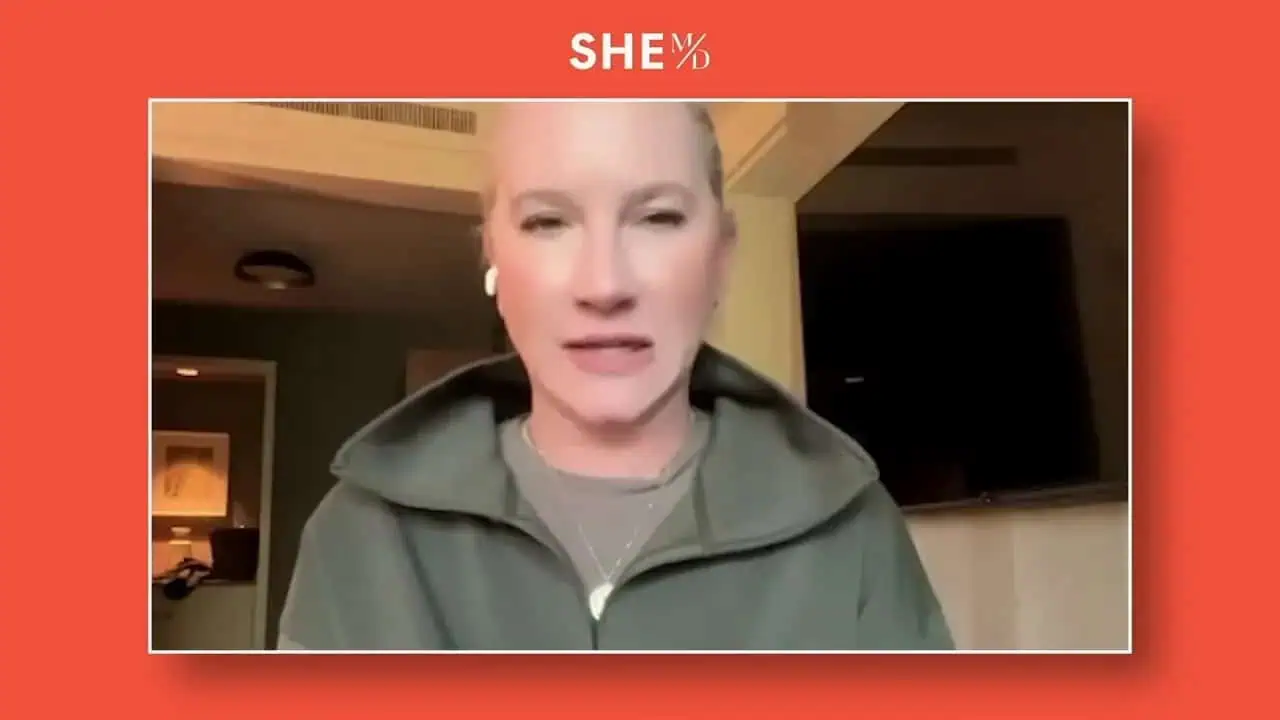
Dr. Thais Aliabadi and Mary Alice Haney sat down with Clea Shearer to talk honestly about what changes after a breast cancer diagnosis. Clea is the co-founder of The Home Edit, a New York Times bestselling author, and now a patient who has turned her experience into a practical, compassionate guide called Cancer Is Complicated. Her story is part medical reality, part emotional roadmap, and part organizer’s playbook for surviving the chaos.
Why this conversation matters
Breast cancer touches one in eight women in the United States. Early detection matters. So does advocacy, clear information, and support systems that last longer than the initial headlines. Clea’s experience shows how life continues with a diagnosis, how routines and small rituals can ground us, and how sharing what we learn can help others make better choices under pressure.
Tell us how you first discovered something was wrong. What was that day like?
I was in New York for a major business celebration when I felt a lump in the shower. I had just turned 40, so mammograms were on my mind. At first it was a sinking feeling that this could be the worst-case scenario. I called my gynecologist and was told the office was booked. That left me no choice but to advocate for myself.
My general practitioner stepped in, arranged a mammogram and ultrasound right away, and the radiologist recommended a biopsy the same day. During the procedure the doctor told me the word that changes everything. Those words landed me on a very different path than I had planned.
What would you say to someone who is worried their concerns aren’t being taken seriously by a provider?
We often hear that appointments are full or that routine visits are the only thing available. Clea’s advice is clear and urgent. If something feels off, keep advocating until you are seen. You know your body better than anyone else. If your primary doctor will not help, go to another doctor, urgent care, or an imaging center. Doing routine self-checks can reveal lumps earlier than a screening in some cases. Trust your instincts. Do not let scheduling excuses delay evaluation.
Diagnosis and testing: what to expect
Tests may include mammograms, ultrasounds, biopsies, genetic testing, and a formal risk assessment. Clea took comprehensive genetic testing after diagnosis and did not have any BRCA or other known markers. She had a calculated 5 percent lifetime risk prior to diagnosis. That shows that cancer can occur even without family history or genetic markers.
How did you process the genetic testing and risk assessment results?
The testing confirmed no hereditary markers. Despite that, Clea’s disease was aggressive and fast-moving. Her experience is a reminder that genetic tests are not the same as guarantees. They help stratify risk, but they do not prevent occurrence. We should use risk tools to inform surveillance strategies, not as a false sense of security.
Decisions about surgery: lumpectomy, single mastectomy, or double mastectomy
Surgical choices are deeply personal and depend on tumor size, location, lymph node status, and patient preference. Clea had two tumors in one breast and chose a double mastectomy because she wanted to remove both breasts to reduce her future risk and to feel more at ease going forward.
Did you know you needed a mastectomy right away? How did you decide between options?
Her oncology team presented options. A lumpectomy was not likely in the cards given the tumor sizes. It came down to removing one breast or both. Clea chose bilateral mastectomy because she felt it matched her values and reduced future uncertainty. In surgery it was discovered that cancer had spread to lymph nodes. That discovery shifted treatment to a more aggressive plan with chemotherapy and radiation.
Emotional realities: how the mind responds during and after treatment
We talk about treatment as a sequence of medical steps. What is less often discussed is the emotional landscape that follows. Depression, anxiety, and a sense of being untethered are common, especially after the active treatment phase ends. Clea described feeling like she was dropped into a void once the regimented schedule stopped and the “next step” was no longer in front of her.
How did you stay mentally strong during treatment? Did your organizational skills help?
Clea is methodical by nature. She created lists, charts, and routines to control what she could. That structure provided a sense of order when most of life felt out of control. Her rule was to “control the controllables.” That included managing appointments, medication schedules, and lists of people to tell. Planning does not eliminate uncertainty, but it builds a framework for action on the days when energy and focus are available.
Did you experience depression? How did you handle it?
Yes. Clea experienced deep depression, especially after treatment ended when there was no longer a marching order. She emphasizes talking to your doctor. Medication changes, adjustments, and professional mental health support can move you through that period. Time also helps. Slowly rebuilding stamina, returning to work in manageable ways, and reconnecting with small pleasures were part of her healing process.
Practical chemo tips: what to bring and how to prepare
Chemotherapy is physically demanding but preparing ahead can make sessions more tolerable. Clea put together a packing list and shared small comforts that made a big difference.
What essentials did you bring to chemotherapy sessions?
Here are the items that helped most:
- Comfortable, loose clothing with easy access to the chest port. Carewear tops or diagonal zippers are useful.
- Blanket and cozy socks to regulate temperature in the clinic.
- Entertainment like a Kindle, tablet, or playlist to pass the time.
- Chargers and a full phone battery.
- Reusable water bottle and favorite snacks that settle the stomach. Salty, crunchy snacks helped during nausea.
- Ginger candies or other nausea aids if that is an issue.
- For certain chemo agents: ice packs for hands and feet to reduce neuropathy risk.
Small comforts matter. Clea admits a Diet Coke made her feel better on some days. Personal rituals and small pleasures are valid coping tools.
Finding the right medical team
Choosing an institution and doctors is part medical and part personal. You want technical skill and a rapport that lets you speak up about side effects or ask difficult questions.
How should someone go about choosing their oncology team?
Start with the medical institutions in your area. If you have more than one option, talk to oncology staff at each center. A strong primary doctor may recommend surgeons, oncologists, and plastic surgeons who work well together. Clea emphasized the importance of feeling confident in both the facility and the people who will care for you. Ask practical questions about availability, communication methods, and who handles urgent problems. The right team is the one you trust and can reach when you need them.
Communication and support: who to tell, and when
Telling people is both logistical and emotional. Clea created a tiered list for telling people: immediate family and those who needed to know in person, close collaborators who needed to be informed next, and then a broader group by phone or text. She went public with her diagnosis right before surgery so she could control the narrative and timing.
How did you tell your children and loved ones?
Clea told her children the day before surgery so they would not have prolonged worry. She told them she was not afraid and that her doctors believed her cancer was curable. Honest reassurance worked for her family. Make your approach fit your children’s ages and temperaments. Keep explanations clear and centered on safety and plans.
What do friends and family often get wrong when someone is undergoing treatment?
The initial outpouring of support is wonderful, but treatment lasts longer than that initial attention span. Clea noticed a drop-off in messages, visits, and small gestures after the big milestones passed. Those quiet times can be lonely and destabilizing. Simple, regular check-ins make a disproportionate difference for someone in active treatment. A text, a short visit, a quick meal dropped off, or a note can break up long stretches of isolation.
Reconstruction and body image
Physical changes after mastectomy are profound and personal. Reconstruction options range from implants to autologous tissue flaps. Each path has trade-offs, recovery times, and aesthetic outcomes.
How did the surgeries and reconstruction change your relationship with your body?
Clea said she appreciates her body for fighting so hard. At the same time, the visual and tactile changes can hurt. After repeated surgeries and complications she described feeling concave where tissue was removed. Clothing choices and prosthetics become part of daily considerations. Pushing herself to wear a dress without a prosthetic was an intentional act to reclaim comfort and self-acceptance. Her experience reminds us that body image evolves. Grief and gratitude can coexist.
Is going flat an easy alternative to reconstruction?
Not always. Removing all breast tissue does not result in a flat, neutral chest. It can create a concave area, and comfort varies widely between people. Decisions about reconstruction or going flat are personal and deserve respect. Avoid judging others for the choices they make to feel whole.
Making treatment meaningful: telling your story and creating purpose
Clea chose to make her cancer purposeful by sharing her story publicly and writing a book she wished she had during treatment. That decision helped her find meaning and helped others navigate the practical and emotional terrain of cancer.
Why did you decide to share your journey publicly?
Sharing opened the door to support and allowed Clea to turn her experience into a resource. Her book is practical and candid. It covers what to pack for chemo, what to wear, how to talk to kids, what to expect from reconstruction, and how to care for yourself emotionally. Turning personal struggle into an actionable guide helped her reclaim agency and help others at the same time.
Practical organizing strategies for patients and caregivers
Organization is not just about tidy closets. For someone facing treatment, the right systems protect time, reduce stress, and preserve energy.
What organizing tips did you use that others can copy right away?
- Make a prioritized contact list. Who needs to know first. Who needs to know next. Who can receive a group text.
- Create a medical binder or digital folder with appointments, medication schedules, insurance forms, and notes from doctors.
- Chart medications and side effects so you can report patterns to your medical team accurately.
- Plan meals in advance and build a freezer stash. Use delivery services or community help to reduce decision fatigue.
- Set up a small routine that signals comfort each day. It could be a ten-minute walk, a cup of tea with a favorite mug, or a simple skincare step.
- Allow for pivots. Build buffers in the schedule so appointments and setbacks are manageable.
When treatment ends: the uncertain aftermath
Finishing active treatment can feel like being untethered. The routines disappear and the anxiety about recurrence can intensify. Clea described not being able to access joy even in celebratory moments. That is a shared experience for many survivors.
What helped you find stability after treatment ended?
Medication adjustments made with doctors, time, movement, and small daily rituals all helped. Rebuilding physical strength with walking, gradual exercise, and structured rest improved mood. Returning to work at a sustainable pace restored a sense of normalcy. Most importantly, ongoing medical follow-up and trusting a plan of surveillance reduced uncertainty enough to make day-to-day life livable again.
Hard data and important facts
A few key numbers to keep in mind:
- One in eight women in the U.S. will be diagnosed with breast cancer in her lifetime.
- When detected early, the survival rate can be high. The broad survival number quoted in discussion is approximately 90 percent, though exact rates vary by stage and subtype.
- Between 2000 and 2019, breast cancer rates in women aged 30 to 39 increased by about 19 percent.
These numbers underline why early detection, awareness of changes in your body, and routine communication with your clinicians matter.
Concrete next steps if you find a lump or symptoms
- Do not ignore the finding. Call your primary care provider and insist on timely imaging. If you are told the office is full, escalate to another provider or urgent imaging facility.
- Schedule a diagnostic mammogram and ultrasound. Ask for a same-day biopsy if the imaging is concerning and you have a hard feeling about it.
- Ask about genetic testing and a detailed risk assessment, but do not assume a negative test rules out cancer.
- Assemble your support team. Decide who will be informed immediately and who will be told later. Make a list to reduce the emotional labor of telling people.
- Choose a treatment center where you feel comfortable and can reliably access care and communication with your team.
Resources that matter
Books like Cancer Is Complicated that combine practical tips with emotional honesty are valuable. Look for local support groups, nurse navigators at treatment centers, and community services that help with transportation, meals, and childcare. Professional mental health support is a key part of recovery for many people.
Final reflections from Clea
Clea reminds us that life does not stop with a diagnosis. Good days are more common than we imagine when we first hear the word. Routines, small comforts, and telling your story can all be acts of resistance. Whether you are the person with a diagnosis or the friend who wants to help, small consistent gestures matter more than grand statements. Advocate, plan, ask for help, and accept it when it comes.
FAQs
What should I do if I find a lump?
Call your primary care provider and request diagnostic imaging immediately. If you meet resistance due to scheduling, escalate to another clinician or imaging center. Trust your instincts and keep pushing until you are evaluated. Early assessment helps expand treatment options.
How soon should I tell my family and children?
There is no single right answer. Some people wait until surgery to reduce prolonged worry for children. Others prefer transparency from the start. Consider your children’s ages, their emotional needs, and what will keep them feeling secure. Reassure them about treatment and outcomes when possible.
Does a negative genetic test mean I am safe from breast cancer?
No. Genetic testing informs risk but does not eliminate the possibility of cancer. Clea had comprehensive negative testing and still developed an aggressive disease. Continue appropriate screening and speak with your clinician about personal risk.
What are the most helpful things friends and family can do?
Small consistent actions: regular check-ins, meals, running errands, or dropping off necessities. Keep supporting beyond the initial diagnosis phase. Offer specific help instead of a vague “let me know” so the patient can accept assistance without extra planning.
What should I pack for chemotherapy?
Comfortable clothes with chest port access, blanket, cozy socks, entertainment, phone charger, water bottle, favorite snacks, and nausea aids like ginger candy. If your regimen requires cold therapy for hands and feet, bring ice packs as advised.
How do I choose the right treatment center?
Consider proximity, institutional reputation, and the ability to communicate with your team. Ask about nurse navigators, support services, and how they handle side effects. The best center is one where you feel confident in both clinical skill and practical support.
What can I expect emotionally after treatment ends?
Many people feel adrift or depressed once active treatment stops. This is common. Talk with your care team about medication or therapy options. Gradually rebuild routines, focus on physical recovery, and allow time for emotional healing.
Is reconstruction required after mastectomy?
No. Reconstruction is a personal choice. Some people choose implants or autologous tissue reconstruction. Some choose to go flat. Each option has different recovery and aesthetic outcomes. Discuss pros and cons with your plastic surgeon and choose what makes you feel whole.
Key takeaways
- Trust your body. Advocate strongly when something feels wrong. Early evaluation is essential.
- Genetic testing is informative but not definitive. Cancer can occur without a family history or known markers.
- Organization and routines help. Use lists, medication charts, and support systems to manage complexity.
- Emotional recovery can lag behind medical recovery. Talk with clinicians about mental health support.
- Support should be consistent. Small gestures over time mean more than a single big event.
Clea’s journey is a vivid example of courage, practical thinking, and the power of telling your story. Her message is simple and urgent: take care of your body, ask for help, and know that you can still have a meaningful life after diagnosis.
Concerned About Your Health? Talk to Dr. Aliabadi
Dr. Aliabadi is an expert OB/GYN who is knowledgeable in all aspects of women’s health and well-being. Dr. Aliabadi and her caring, supportive staff are available to support you through PCOS, endometriosis, menopause, childbirth, infertility, or routine gynecological care. We invite you to establish care with Dr. Aliabadi. Call us at (844) 863-6700 or
This article was created from the video The Real Impact Breast Cancer Has on Your Life & Health ft. The Home Edit’s Clea Shearer | SHE MD for Dr. Thais Aliabadi’s website.