Table of Contents
- Why this conversation matters
- Quick snapshot: what we cover
- Interview
- Resources and next steps
- Key takeaways
- FAQ
- Final thoughts
Why this conversation matters
We are living through a shift in how we treat common but debilitating mood and cognitive symptoms. Traditional medications remain valuable, but more people are asking for options that do not come with daily pill burden or persistent side effects. Transcranial magnetic stimulation, or TMS, has existed for decades, and a newer generation of devices is making it faster, more comfortable, and practical for everyday life.
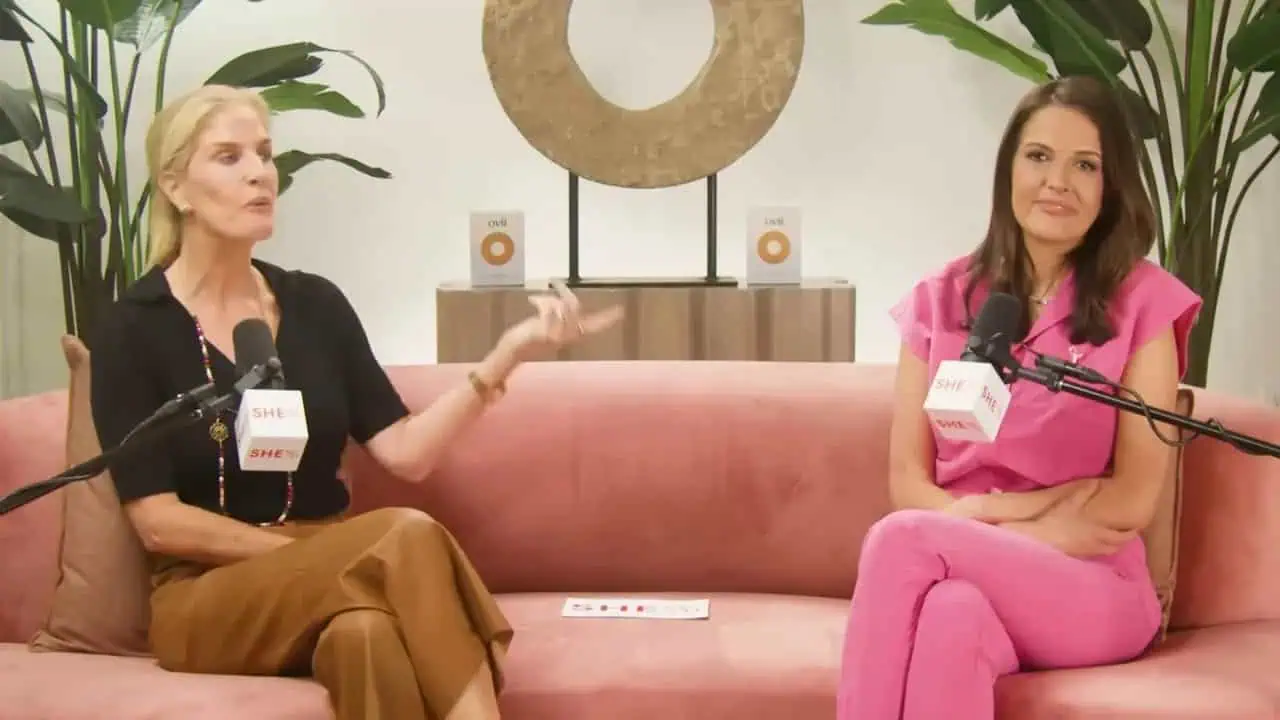
Dr. Thais Aliabadia and Mary Alice Haney sat down with Dr. Michelle Dees, a board-certified psychiatrist who has treated thousands of patients with TMS and led the ExoMind mental wellness study. Our conversation covers how TMS works, why ExoMind feels different, who benefits, how it fits into women’s health across life stages, and what to expect if you or someone you care about is considering it.
Quick snapshot: what we cover
- Basic science of TMS and how magnetic pulses change neural circuits
- What makes ExoMind different from older TMS systems
- Protocols: mental wellness (short course) versus FDA-cleared major depressive disorder protocol
- Who should consider TMS: postpartum, perimenopausal, PCOS, PMDD, treatment-resistant depression, OCD
- Contraindications, safety, timeline for improvement, and maintenance
- Practical barriers like cost, availability, and how to choose a trained provider
Interview
What is TMS, and how does it actually work?
TMS is a noninvasive neuromodulation technique that uses focused magnetic pulses to stimulate specific areas of the cortex. The dorsolateral prefrontal cortex is the usual target for mood and cognition because it helps regulate attention, energy, motivation, and mood networks. The magnetic pulse depolarizes neurons in that region, triggering activity downstream throughout connected circuits.
Repeated stimulation causes a cascade: neurons begin firing more readily, they talk to each other more, and the brain releases neurotrophic factors — most notably BDNF, brain-derived neurotrophic factor. BDNF supports neuroplasticity, which means the brain can form and strengthen new synaptic connections. Over time, that can shift circuits from a “dim” depressed pattern to a more “lit up” healthy pattern, improving sleep, concentration, energy, and mood without introducing systemic medication effects.
What does a session feel like? Does it hurt?
Older machines could feel uncomfortable for some people — a sharp tapping sensation, sometimes described as an ice pick. ExoMind was engineered to be comfortable. The coil design is trapezoid rather than the older figure-eight coil, and the device’s pulse patterns and ergonomics reduce scalp pain and discomfort. In the ExoMind mental wellness study, about 90 percent of participants reported the sessions were tolerable and largely pain-free. Many people are able to relax or even nap during treatment.
How long are treatments, and what are the main protocols?
There are two practical patterns to know about. The traditional FDA-cleared major depressive disorder protocol is the longer course: 36 sessions delivered five days a week, each session lasting about 18 minutes and 45 seconds at a 10 hertz stimulation frequency. This is the evidence-based regimen for patients meeting DSM-5 criteria for major depressive disorder or certain anxiety disorders like OCD when specified.
ExoMind also offers a shorter mental wellness protocol (Select Two) that was studied as a focused mental wellness intervention. That protocol uses a different pulse pattern and runs about 24 minutes per session, with an initial course usually consisting of four to six sessions. People pursuing improved sleep, reduced brain fog, or better day-to-day resilience often try the shorter course first and decide on maintenance from there.
Can someone stay on their antidepressant or anti-anxiety medications while doing TMS?
In practice, yes. Many patients begin TMS while continuing their current medications. Dr. Dees recommends a conservative approach: let the magnet do its work first, then reassess medication needs. If the patient improves, clinicians may gradually lower doses rather than stopping abruptly. Some patients prefer to avoid pharmacotherapy entirely; TMS provides a medication-free option for them.
Who should not get TMS? What are contraindications?
TMS is safe for most people, but there are important exceptions. Absolute contraindications typically include any implanted electronic device, like a pacemaker or some cochlear implants, and certain metallic implants within 30 centimeters of the coil. A history of seizure disorder is an important contraindication because TMS is a brain stimulation technique and can theoretically provoke a seizure in an already excitable brain. Bipolar disorder requires caution: in people with a history of mania or hypomania, stimulation can be activating and could precipitate a manic switch if not managed properly. That is why screening and appropriate psychiatric evaluation before treatment are essential.
How soon do people start feeling better? What’s the timeline?
It depends on the diagnosis and protocol. With the longer 36-session protocol used for severe major depression, sleep often improves first, around session 15, for many patients. Broader mood and anxiety improvements typically develop between sessions 28 and 36. For the shorter mental wellness protocol, some participants notice improvements as early as the first session, and most see measurable benefit across four to six treatments.
What conditions does TMS help most reliably?
TMS has robust evidence for major depressive disorder and is FDA-cleared for treatment-resistant depression. It is also cleared for certain OCD protocols. Clinically, it helps anxiety symptoms that accompany depression and is increasingly used for related concerns: postpartum depression, perimenopausal and menopausal brain fog, sleep disturbances, and some forms of PMDD. The ExoMind mental wellness study reported improved sleep, reduced worry, better focus, and improved relationships among participants who were not clinically depressed at baseline.
How does TMS fit into women’s health — perimenopause, menopause, postpartum, PMDD?
There is a large overlap between hormonal changes and brain health. Perimenopause and menopause bring shifts in sleep, cognition, mood, and anxiety that are sometimes labeled “brain fog.” For many women, these symptoms are distressing yet not severe enough to meet DSM-5 criteria for major depressive disorder. The ExoMind mental wellness protocol offers a practical option for these patients who want to improve sleep, focus, and resilience without necessarily starting systemic medication.
Postpartum depression is another area where TMS is proving valuable. Protocols are the same as for major depressive disorder; sleep improvement is often one of the first signs of response, and mood/anxiety typically follow. PMDD — the severe cyclical mood syndrome — has also been treated off-label with TMS in some practices; some clinicians combine TMS with targeted pharmacotherapy like intermittent Prozac during the luteal phase, while others trial a full course and watch for cycle-to-cycle benefit.
Can TMS help protect the brain long term — for example, reduce dementia risk?
The idea is compelling. TMS promotes neuroplasticity and BDNF release, effectively fertilizing the brain to form and strengthen connections. This raises the question of whether repeating TMS could contribute to long-term brain resilience and reduce the risk of cognitive decline. Companies and investigators are exploring these possibilities, but as of now, we do not have definitive FDA-cleared indications for dementia prevention. Ongoing research is looking into TMS for concussion recovery, cognitive decline, and at-risk genetic groups like APOE4 carriers.
What about patients with PCOS or other medical conditions that intersect with mental health?
PCOS has a high prevalence of anxiety, depression, and PMDD symptoms, and we see these overlaps in clinics frequently. TMS does not treat the endocrine features of PCOS, but it can be a useful tool for the mood and cognitive symptoms that commonly accompany it. Because TMS has minimal systemic side effects, it is attractive for people who are reluctant to start antidepressants or who do not tolerate them well.
How does ExoMind differ from traditional TMS devices?
ExoMind is a next-generation device developed by BTL that focuses on patient comfort and portability. Key differences include coil geometry and pulse pattern engineering that reduce the discomfort and audible tapping associated with older devices. The ExoMind unit is sleeker and quieter, described by clinicians as easier to place and more tolerable for patients, so they are more likely to complete their course. The underlying principle is the same: targeted stimulation of cortical targets to promote neuroplasticity, but the patient experience is markedly improved.
Is TMS covered by insurance? How do people pay for it?
TMS can be covered by insurance when used for an FDA-approved diagnosis, such as treatment-resistant major depressive disorder, provided documentation meets payer criteria. Coverage varies by insurer and plan. For mental wellness uses that fall outside strict diagnostic criteria, treatment is often self-pay. Cost and access remain significant barriers to making TMS a routine first-line option for everyone. Clinicians and device manufacturers continue to work on expanding access and educating primary care and women’s health providers so more patients know it exists.
What are the common side effects, and what is the real downside?
Most reported side effects are local and transient: mild scalp discomfort, headache, or scalp twitching during sessions. These usually resolve quickly. ExoMind’s design reduces the frequency and severity of these sensations. Because TMS is focal and noninvasive, it lacks the systemic side effects of many antidepressants, such as weight gain, sexual dysfunction, or gastrointestinal upset. The primary downsides are logistical: the need to come to an office several times per week, the cost if not covered by insurance, and the requirement to be screened for contraindications.
How long do benefits last, and how often do patients need maintenance?
Duration varies. Some patients have durable responses for a year or longer. Others may notice their mood dip and choose to repeat a full course or a shorter maintenance series. Clinicians sometimes see patients return around 9 to 18 months for retreatment, but booster sessions can be done as early as 90 days if needed. A tailored plan depends on symptom recurrence and functional goals.
Can TMS be combined with other therapies like ketamine or psychotherapy?
Yes. TMS is often part of a multimodal approach. Some clinicians combine TMS with esketamine (Spravato) or with psychotherapy and medication management to give patients complementary benefits. For example, ketamine can produce rapid symptom relief but sometimes fades quickly; pairing it with TMS may extend and stabilize gains. Psychotherapy remains essential for addressing behavioral patterns and coping skills, while TMS helps optimize the brain’s capacity to respond to therapy.
How do you choose a provider, and what questions should patients ask?
Seek a clinic where providers are trained and experienced in TMS. Ask about the clinician’s experience, how many treatments they’ve delivered, whether they perform thorough psychiatric screening, and what equipment they use. Confirmation that the center follows evidence-based protocols for the diagnosis in question and has a plan for assessing and adjusting medications is important. For ExoMind specifically, ask whether they use the Select One MDD protocol versus the Select Two mental wellness protocol and what outcomes they track.
Resources and next steps
If you want to learn more or locate a clinic, two useful starting points are the ExoMind solution page and the Luxury Psychiatry Clinic ExoMind service page:
- https://bodybybtl.com/solutions/exomind/
- https://www.luxurypsychiatryclinic.com/psychiatry-services/exomind/
When considering TMS, we recommend speaking with your primary care doctor, OB-GYN, or a psychiatrist to determine whether a formal psychiatric evaluation is appropriate and to review contraindications. If you are already under psychiatric care, bring the topic up — a collaborative approach yields the safest and most effective treatment plans.
Key takeaways
- TMS is a science-backed, noninvasive option that stimulates specific brain areas to promote neuroplasticity and improve mood, sleep, and cognition.
- ExoMind is a newer, more comfortable system designed to make sessions quieter and more tolerable while delivering evidence-based stimulation protocols.
- Two practical protocols exist: the longer 36-session FDA-cleared protocol for major depressive disorder and the shorter mental wellness course for people seeking improved sleep, focus, and resilience.
- Safety screening is essential: history of seizures, some implants, and bipolar I with past mania require caution or exclusion.
- Many patients notice sleep improvements first; full mood improvements may take several weeks of sessions.
- TMS is not a cure, but it can restore balance and reduce reliance on long-term pharmacotherapy for many people.
FAQs
How quickly will I feel better after starting TMS?
The timeline varies. For severe major depression using the 36-session protocol, sleep often improves around session 15, and broader mood benefits typically appear between sessions 28 and 36. With the shorter mental wellness protocol, many people notice improvements after one to a few sessions; most see measurable change across four to six treatments.
Can I do TMS while on antidepressants or anti-anxiety medication?
Yes. Most patients begin TMS while continuing current psychiatric medications. The conservative approach is to let the TMS course take effect and then reassess medications. Some patients prefer to avoid medication and choose TMS as a first-line alternative when appropriate.
Is ExoMind the same as traditional TMS?
ExoMind uses the same foundational principles of TMS but is engineered for comfort and portability. It offers specific protocols: Select One for MDD (the traditional FDA-cleared regimen) and Select Two as a shorter mental wellness protocol. The user experience is typically quieter and less uncomfortable than older devices.
Are there risks of triggering mania if I have bipolar disorder?
Yes. People with a history of mania or hypomania need careful screening because any activating treatment can carry a risk of precipitating mania. A psychiatric evaluation is essential before starting treatment, and TMS should be used cautiously or avoided in certain bipolar presentations.
Is TMS covered by insurance?
TMS can be covered for FDA-approved indications such as treatment-resistant major depressive disorder when documentation meets insurer criteria. Coverage varies by plan. Mental wellness indications that do not meet strict diagnostic criteria are often self-pay.
How long do the benefits last, and will I need repeat treatments?
Benefits vary between individuals. Some remain stable for a year or more; others may notice symptom recurrence and choose retreatment after several months. Booster sessions can sometimes be done as early as 90 days, with many patients returning around 9 to 18 months if needed.
Can TMS help with brain fog related to menopause or PMDD?
Yes. Clinical experience and preliminary studies show improvements in focus, reduced worry, and improved sleep among perimenopausal and menopausal women treated with mental wellness TMS protocols. PMDD can be treated off-label in some practices, sometimes combined with targeted medication strategies.
Final thoughts
We are optimistic about the role of TMS and newer devices like ExoMind in modern mental health care. For women navigating reproductive transitions, work and family stress, or treatment-resistant symptoms, TMS offers a welcome alternative or complement to medications and therapy. The key is thoughtful screening, honest conversations with clinicians, and realistic expectations: TMS is a powerful tool for promoting neuroplasticity and functional recovery, but it is one part of a broader treatment plan that includes lifestyle, therapy, and medical oversight.
Explore the ExoMind solution page and consult your clinician to see whether a course of TMS could make sense for you or someone you care about:
Concerned About Your Health? Talk to Dr. Aliabadi
Dr. Aliabadi is an expert OB/GYN who is knowledgeable in all aspects of women’s health and well-being. Dr. Aliabadi and her caring, supportive staff are available to support you through PCOS, endometriosis, menopause, childbirth, infertility, or routine gynecological care. We invite you to establish care with Dr. Aliabadi. Call us at (844) 863-6700 or
- https://bodybybtl.com/solutions/exomind/
- https://www.luxurypsychiatryclinic.com/psychiatry-services/exomind/
This article was created from the video How TMS Therapy and EXOMIND Are Changing The Future of Women’s Mental Health | SHE MD for Dr. Thais Aliabadi’s website.