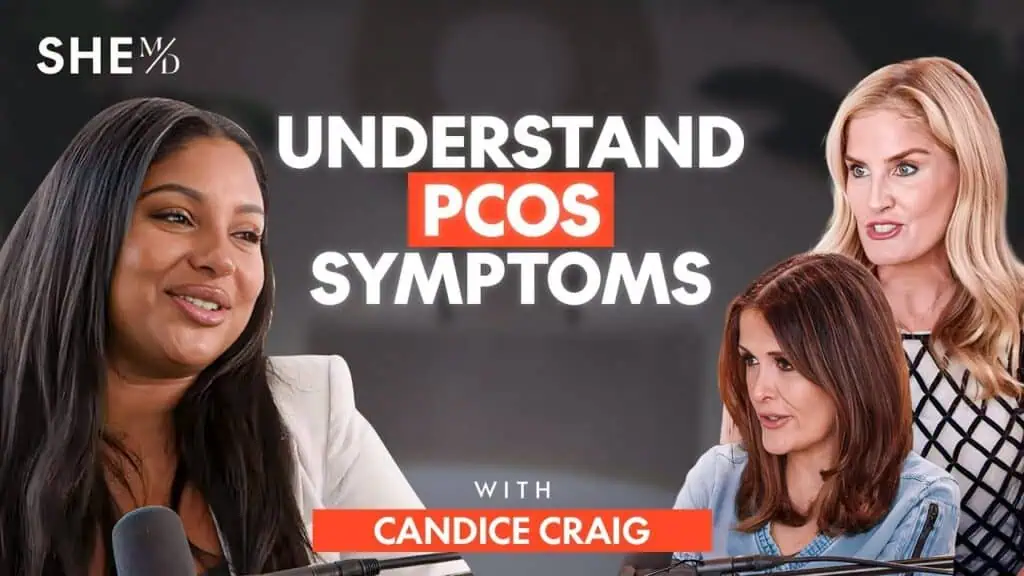
September is PCOS Awareness Month, and we are using this moment to lift the veil on a condition we call the silent epidemic. PCOS affects roughly 10 to 20 percent of women, depending on ethnicity and geography. Despite that, many people go undiagnosed for years. We want to change how women are heard, diagnosed, and treated.
We spoke with Dr. Thais Aliabadi, an OB-GYN who treats PCOS every day, to clarify what PCOS really is, why so many people are misdiagnosed, and practical, science-forward steps to manage symptoms and protect fertility. Below is an interview-style guide built from her clinical insights and stories shared by patients and public figures who have navigated the same journey.
Table of Contents
- Quick snapshot: why this matters
- Core diagnosis and what to watch for
- Symptoms beyond irregular cycles
- Fertility and reproductive planning
- Nutrition, gut health, and lifestyle interventions
- Mental health and self-esteem
- When doctors dismiss symptoms: a systemic problem
- Treatments and supplements: what helps and what to ask about
- Practical checklist: steps to take if you suspect PCOS
- Real stories that matter
- FAQ
- Final encouragement and next steps
Quick snapshot: why this matters
PCOS stands for polycystic ovary syndrome. It is not a single-test diagnosis. It is multifactorial, metabolic, and hormonal. Common symptoms include irregular cycles, weight changes, acne, unwanted hair, hair thinning, fatigue, mood shifts, and sleep problems. PCOS is also a leading cause of infertility, but early recognition and tailored treatment can meaningfully change outcomes.
Core diagnosis and what to watch for
What are the criteria clinicians use to diagnose PCOS?
PCOS is diagnosed when a person meets two of the following three criteria:
- Irregular or absent menstrual cycles — cycles that never established a reliable pattern, very long cycles, or frequent anovulatory cycles.
- Polycystic ovarian morphology on ultrasound — not true “cysts,” but many small follicles that can look like a string of pearls.
- Signs of androgen excess — clinical signs such as facial and body hair, severe acne, or hair thinning. Elevated blood testosterone may be present, but is not required for diagnosis.
The combination matters because PCOS is heterogeneous. One person may have classic irregular periods and many follicles, another may have normal cycles but clear signs of androgen excess. Either path can indicate PCOS.
Polycystic ovaries — does that mean cysts?
No. The “polycystic” term can mislead. What ultrasound often shows is an increased number of small follicles. Those follicles are immature eggs clustered along the ovarian edge. They are not pathological cysts that necessarily need removal. Many clinicians misinterpret or dismiss the ultrasound appearance, which contributes to missed diagnoses.
Is PCOS only about hormones?
No. PCOS is multifactorial. We look at genetics, metabolic health, the gut microbiome, inflammation, and hormonal signaling. Insulin resistance is a central metabolic feature for many patients. Low-grade chronic inflammation can also stimulate ovarian androgen production. Because multiple systems are involved, treating PCOS well requires a holistic approach rather than a single-pill solution.

Symptoms beyond irregular cycles
What symptoms should people recognize as part of PCOS?
Common signs include:
- Irregular, absent, or very heavy periods
- Weight gain or difficulty losing weight despite diet and exercise
- Excess facial or body hair (hirsutism) and acne
- Hair thinning or male-pattern hair loss over time
- Fatigue and low energy
- Sleep problems such as insomnia or sleep apnea
- Mood changes, anxiety, and low self-esteem
People describe these symptoms differently: rapid weight gain over months, persistent acne along the jawline, intense fatigue that makes simple tasks feel exhausting, or the shame and anxiety that come with visible hair and skin changes. Those emotional effects are real and deserve attention.
Is sleep affected by PCOS?
Yes. Studies show higher rates of insomnia and sleep apnea among people with PCOS. This is not purely explained by weight; there are likely hormonal and metabolic contributors. If sleep is poor, it can worsen insulin resistance and mood, creating a feedback loop that intensifies PCOS symptoms.
Fertility and reproductive planning
How does PCOS impact fertility?
PCOS is a leading cause of ovulatory infertility. Many patients have a high number of follicles — sometimes reassuring when counted — but egg quality often declines more quickly after age 30. That mismatch explains why someone may be told they have “so many eggs” yet still have challenges conceiving later.

What tests should someone pursue if they’re concerned about fertility?
At minimum, request:
- AMH (Anti-Mullerian Hormone) — provides an estimate of ovarian reserve or egg count.
- Pelvic ultrasound — to assess ovarian morphology and follicle number.
- Basic hormone panel — FSH, LH, estradiol, TSH, prolactin, total and free testosterone as clinically indicated.
- Metabolic testing — fasting glucose, fasting insulin, A1c, and lipid profile to evaluate insulin resistance and cardiovascular risk.
- Partner testing — semen analysis when relevant.
If fertility is a priority, discuss egg freezing as an option. For many people with PCOS, clinicians recommend considering fertility preservation sooner rather than later because egg quality can decline faster than expected.
Are there effective medical treatments to improve ovulation?
Yes. Treatment choices depend on goals. If pregnancy is desired, common approaches include ovulation induction with medications, lifestyle optimization for insulin sensitivity, and possibly metformin for insulin resistance in certain patients. In assisted reproduction, embryo freezing and genetic testing of embryos may be recommended when appropriate.
Nutrition, gut health, and lifestyle interventions
Is diet the primary treatment for PCOS?
Diet is a powerful lever for managing insulin resistance and inflammation, but it is not the only treatment. Our emphasis is on reducing processed foods, cutting down refined sugars, and choosing anti-inflammatory whole foods. For many people with PCOS, managing blood sugar is key.
What practical eating tips help with insulin regulation?
Small, consistent changes often have outsized effects. Try:
- Pairing carbohydrates with protein and healthy fat to blunt blood sugar spikes. For example, add Greek yogurt or a handful of nuts when you eat fruit.
- Choosing whole-food carbohydrates with fiber, such as legumes, whole grains, and vegetables.
- Minimizing processed snacks and sugary drinks.
- Adding anti-inflammatory foods like fatty fish, leafy greens, nuts, and olive oil.
A gut microbiome link to PCOS is emerging. Some probiotic strains show promise in early studies, but the science is not definitive yet. The right microbial approach might help some people; the challenge is identifying which strains and when.
How important is movement?
Very. But the message is not “go to the gym for hours.” Doing a 10- to 15-minute walk after meals helps open insulin receptors and can reduce blood sugar spikes. Consistent activity throughout the day improves insulin sensitivity. Small, sustainable habits beat sporadic extremes.

Mental health and self-esteem
How does PCOS affect mood and identity?
Many people with PCOS experience anxiety, depression, and damaged self-esteem. When acne, unwanted hair, weight changes, or hair thinning alter appearance, the emotional impact can be profound. We see patients who describe feeling “broken” or defeated until they have a clear diagnosis and a treatment plan.
Healing the physical symptoms often unlocks the ability to heal emotionally, but the psychological side should be addressed directly: counseling, community support, and mental health care are integral parts of the plan.
When doctors dismiss symptoms: a systemic problem
Why are so many women told “it’s nothing” or “you’re fine”?
Dismissal of women’s pain and symptoms is a systemic issue. A recent study shows women report more negative interactions with healthcare providers, including dismissal of symptoms and delayed diagnoses. That extends to PCOS. Even people with access and resources have been told PCOS is “not real” or been reassured incorrectly that fertility will be unaffected.
When trusted voices are dismissed, it erodes confidence and leaves people without the care they need. That is why advocacy, education, and a standard of listening are so critical.
How should someone respond when they feel dismissed by a clinician?
Advocate calmly and deliberately:
- Bring a concise symptom list and specific questions.
- Request targeted tests by name: AMH, pelvic ultrasound, fasting insulin, A1c, testosterone panel.
- Ask for a referral to a reproductive endocrinologist or an OB-GYN who specializes in PCOS if the clinician is unsure.
- Get a second opinion. Your experience is valid. If one clinician minimizes your concerns, find someone who will listen and provide a plan.

Treatments and supplements: what helps and what to ask about
What prescription options are commonly used?
Treatments are individualized. For metabolic insulin resistance, metformin remains a useful tool for many patients. For ovulation induction, medications like letrozole are often first-line. Hormonal contraceptives can regulate cycles and reduce androgen symptoms when pregnancy is not desired. In assisted reproduction, strategies expand to ovarian stimulation, egg/embryo freezing, and embryo transfer planning.
What about supplements often discussed for PCOS?
Some supplements have supportive data for specific goals: inositol (particularly myo-inositol and D-chiro-inositol) can help with insulin sensitivity and ovulation in some patients. Vitamin D deficiency correction may help where relevant. The OV supplement we worked with aims to support ovulation and reproductive health when taken as directed, but supplements should complement, not replace, evidence-based medical care.
Practical checklist: steps to take if you suspect PCOS
What should you do first?
Start with these actionable items:
- Track your cycles and symptoms for at least three months. Note irregular periods, missed periods, heavy bleeding, acne patterns, hair growth, sleep quality, and energy changes.
- Request basic lab tests: AMH, fasting glucose, fasting insulin, A1c, lipid profile, total and free testosterone, TSH, and prolactin as needed.
- Book a pelvic ultrasound to check ovarian morphology.
- Adopt small lifestyle shifts: pair carbs with protein, limit processed sugars, and take a short walk after meals.
- If fertility is important, discuss AMH results and consider referral to a fertility specialist to understand options like egg freezing or assisted reproductive technologies.
- Find peer support or counseling for emotional support and resilience-building.

Real stories that matter
How do personal stories help change care?
Stories create awareness and normalize conversations. Several public figures and patients shared experiences where symptoms were dismissed or misinterpreted. When someone influential speaks up about PCOS, it helps others recognize their own symptoms and press for appropriate care.
When we normalize asking questions and demanding clarity, we reduce delays in diagnosis and improve outcomes. That ripple effect matters to individuals and to public health.
FAQs
What exactly are the diagnostic criteria for PCOS?
Two of three criteria are required: irregular menstrual cycles, polycystic ovarian morphology on ultrasound, or signs of androgen excess (clinical or biochemical). Your clinician should combine history, exam, and targeted labs to arrive at a diagnosis.
Can PCOS be cured?
There is no universal cure. PCOS is a chronic condition for many, but symptoms can be managed and often significantly improved with lifestyle measures, targeted medical therapies, and individualized care plans.
Does having PCOS mean I will be infertile?
Not necessarily. PCOS is a common cause of ovulatory infertility, but many people with PCOS conceive naturally or with medical help. Early evaluation of ovarian reserve, cycle optimization, and fertility planning increases the likelihood of success.
Are all people with PCOS overweight?
No. PCOS presents across a range of body sizes. While many people with PCOS have insulin resistance and weight challenges, lean phenotypes also exist. Metabolic testing and symptom patterns matter more than weight alone.
When should someone check their AMH level?
AMH can be checked in late teens or early adulthood if there are symptoms like irregular cycles or a family history. If fertility preservation is a concern, consider testing sooner—clinicians often discuss egg freeze options before age 30 in PCOS patients when feasible.
What role does insulin resistance play in PCOS?
Insulin resistance is central for many people with PCOS. High circulating insulin can stimulate ovarian androgen production and worsen cycle irregularities. Improving insulin sensitivity—via diet, movement, and sometimes medications—often reduces symptoms.
Are probiotics helpful for PCOS?
Early research links the gut microbiome to hormonal and metabolic features of PCOS. Some probiotic strains show promise, but evidence is not yet definitive. Focusing on fiber-rich, diverse whole foods supports gut health and metabolic balance.
What should I ask my clinician if I suspect PCOS?
Ask for a clear plan: specific tests (AMH, fasting insulin, A1c, pelvic ultrasound, testosterone), an explanation of your results, treatment options tailored to your goals, and referrals to specialists if needed. Ask about fertility planning if that is a concern.
Final encouragement and next steps
If anything in this interview resonates with you, take a small step today: write down your symptoms, request the tests listed above, and seek a clinician who will listen. Speak up for yourself and for the people you care about. When more of us tell our stories, more clinicians will recognize patterns earlier. That transforms lives.
For more in-depth resources on PCOS, hormone health, and reproductive planning, visit resources like SheMD and Ovii for guidance and community support. We are committed to continuing the conversation, amplifying voices, and making care better for everyone affected by PCOS.
Concerned About Your Health? Talk to Dr. Aliabadi
Dr. Aliabadi is an expert OB/GYN who is knowledgeable in all aspects of women’s health and well-being. Dr. Aliabadi and her caring, supportive staff are available to support you through PCOS, endometriosis, menopause, childbirth, infertility, or routine gynecological care. We invite you to establish care with Dr. Aliabadi. Call us at (844) 863-6700 or
This article was created from the video Florence Pugh, Olivia Culpo, and Other Celebs Share Their PCOS Journeys | SHE MD for Dr. Thais Aliabadi’s website.